
Sajjangarh Wildlife Sanctuary
Wildlife sanctuary near Chhota Hawala, Rajasthan
1.9 km from Chhota Hawala
The nearest town, for stays, food and fuel.
Sajjangarh Wildlife Sanctuary is a protected reserve enveloping the Bansdara peak in the rugged Aravalli Range on the outskirts of Udaipur, Rajasthan. Established around the historic Sajjangarh Palace, the sanctuary protects dry deciduous forest ecosystems, varied wildlife, and artificial waterholes. Travellers and nature enthusiasts visit to experience quiet walking trails, panoramic vantage points overlooking the surrounding lakes, and diverse flora and fauna.
Getting there
By road
- From Chhota HawalaNearest town15 min · 6.1 km
- From Jodhpur5 hr 35 min · 245 km
- From Ahmedabad5 hr 35 min · 265 km
- From Vadodara6 hr 35 min · 335 km
Typical drive times without traffic. Stations and airports from OLA Maps; distances and typical drive times from OpenStreetMap (© OpenStreetMap contributors); notes from creators' Reels.
About Sajjangarh Wildlife Sanctuary
Written with AI from map data and general knowledge. Check prices and timings locally before you go.
About Sajjangarh Wildlife Sanctuary
Sajjangarh Wildlife Sanctuary spans an area of rugged hills and forested valleys surrounding the prominent Bansdara hill, just west of Udaipur city. The landscape was historically used as a royal shooting preserve by the Maharanas of Mewar before being officially designated as a wildlife sanctuary to preserve the fragile Aravalli ecosystem. A traditional stone wall, known locally as the Kishan Pol, historically demarcated the hill slopes and continues to mark parts of the reserve boundary.
The terrain inside the sanctuary consists primarily of tropical dry deciduous and thorny scrub forest, typical of southern Rajasthan. Undulating ridge lines, rocky outcrops, and seasonal nullahs define the landscape, which dramatically shifts from dry, sun-baked earth in late spring to vibrant shades of green following the monsoon rains. The sanctuary acts as a natural green lung and catchment area for the iconic lakes of Udaipur, especially Fateh Sagar Lake and Lake Pichola.
Wildlife and Biodiversity
Despite its compact size and proximity to an urban center, Sajjangarh Wildlife Sanctuary shelters a surprising variety of mammalian and avian species. Herbivores such as the chital (spotted deer), sambar deer, nilgai (blue bull), and wild boar range across the rocky slopes and feed around the small artificial waterholes maintained within the reserve. Carnivores and omnivores found in the sanctuary include Indian leopards, striped hyenas, jackals, jungle cats, and foxes.
The avian population is equally rich, making the sanctuary an attractive destination for birdwatchers. The mixed tree cover of dhok, salar, khair, and ber provides nesting sites for native birds like the grey francolin, peafowl, Indian pitta, white-throated kingfisher, and various birds of prey including buzzards and owls. During the winter season, several migratory bird species stop at the water bodies and surrounding hills. Reptiles such as monitor lizards, rock pythons, and several species of geckos and skinks are also commonly observed among the weathered rock crevices.
Read more
Things to Do at Sajjangarh Wildlife Sanctuary
Exploring the sanctuary offers outdoor enthusiasts a break from the busier heritage sites in central Udaipur. A winding paved road climbs through the sanctuary up to the Monsoon Palace, and visitors often take slow drives or guided forest department vehicles to spot wildlife along the lower slopes and gullies. Designated walking trails allow nature lovers to hike under the canopy, where one can observe tree species, listen for forest bird calls, and photograph butterflies and insects.
At the summit of the hill sits the Sajjangarh Palace, originally constructed as an astronomical observatory and monsoon retreat. From its terrace and the surrounding lookouts, visitors can take in unbroken 360-degree views of Udaipur city, the sprawling expanse of Fateh Sagar and Pichola lakes, and the rolling ridgelines of the Aravalli Range. Sunset viewing from the high ramparts is a popular activity, as the evening light bathes the entire Mewar valley in warm gold.
Best Time to Visit
The ideal time to explore Sajjangarh Wildlife Sanctuary is between October and March. During these autumn and winter months, the weather in southern Rajasthan is dry and pleasantly cool, with daytime temperatures that make outdoor walks and scenic viewpoint visits comfortable. Early mornings and late afternoons during winter are particularly productive for birdwatching and animal sightings around waterholes.
The monsoon months from July to September bring a unique charm to the sanctuary. Rain washes the dust from the Aravallis, filling seasonal streams and turning the hillsides vibrant green. Fog and low-hanging clouds often envelop the high ridges, creating a serene, misty atmosphere around the Monsoon Palace. Summer, extending from April to June, is marked by high temperatures and dry winds; while animal sightings near waterholes can be frequent due to sparse vegetation, visiting during midday can be physically exhausting.
How to Reach Sajjangarh Wildlife Sanctuary
Sajjangarh Wildlife Sanctuary is situated just west of Udaipur and is easily accessible by road from any part of the city. Udaipur is well connected to major regional hubs like Jaipur, Ahmedabad, Delhi, and Mumbai via an extensive road network, regular long-distance trains arriving at Udaipur City Railway Station, and domestic flights landing at Maharana Pratap Airport.
From central Udaipur or the lakefront areas around Fateh Sagar and Lake Pichola, the entrance to the sanctuary can be reached by hiring an auto-rickshaw, a private taxi, or by driving a private vehicle. The sanctuary entrance gate is situated near the base of the hill on Fateh Sagar Road. From the forest gate, visitors can proceed up the winding mountain road using authorized transport or personal vehicles subject to forest department regulations.
Tips for Your Visit
To ensure a smooth visit, wear comfortable, closed-toe walking shoes suitable for rocky paths and uneven slopes. Because the weather can be warm and sunny for much of the year, carrying adequate drinking water, a wide-brimmed hat, and sunscreen is strongly advised. A pair of binoculars and a camera with a zoom lens will greatly improve your chances of identifying distant birds and animals along the hillsides.
Visitors should respect the natural habitat by not littering, avoiding plastic disposal in the forest, and maintaining silence along the paths to avoid disturbing wildlife. Monkeys are common near the summit around the palace complex, so avoid carrying loose food items in your hands. Entry guidelines, vehicle access fees, and operating hours can vary according to season and forest management rules, so check current details locally before arriving.
Places to Visit Nearby
The sanctuary is surrounded by some of Udaipur's most iconic historical and natural landmarks. Directly within the sanctuary boundaries at the hilltop is the Monsoon Palace, which offers historical architecture and sweeping views. At the eastern base of the hills lies Fateh Sagar Lake, where travellers enjoy tranquil shoreline promenades, boat rides, and landscaped parks.
A short drive further into the city brings you to Lake Pichola and its lakeside viewpoints, including Ambrai Ghat, as well as the historic City Palace complex that showcases Mewar art and royal history. Visitors interested in curated green spaces can explore Saheliyon ki Bari, an ornate eighteenth-century garden famous for its marble pavilions and fountains, or Gulab Bagh, which features mature trees, walking avenues, and a bird park.
Where to Stay
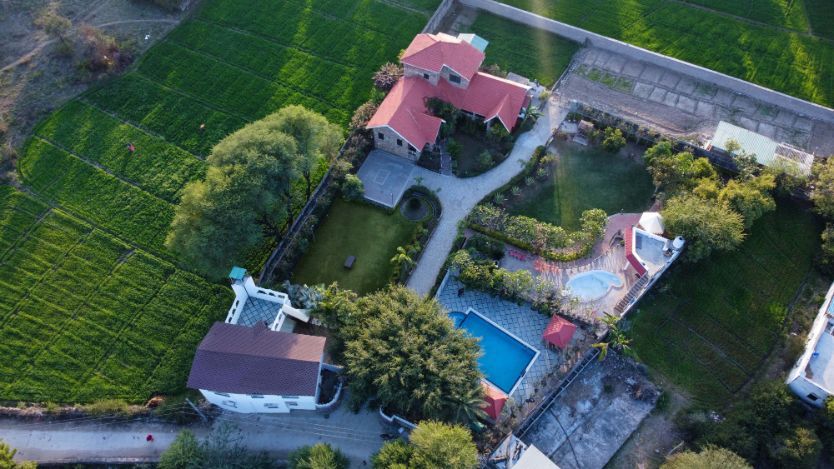
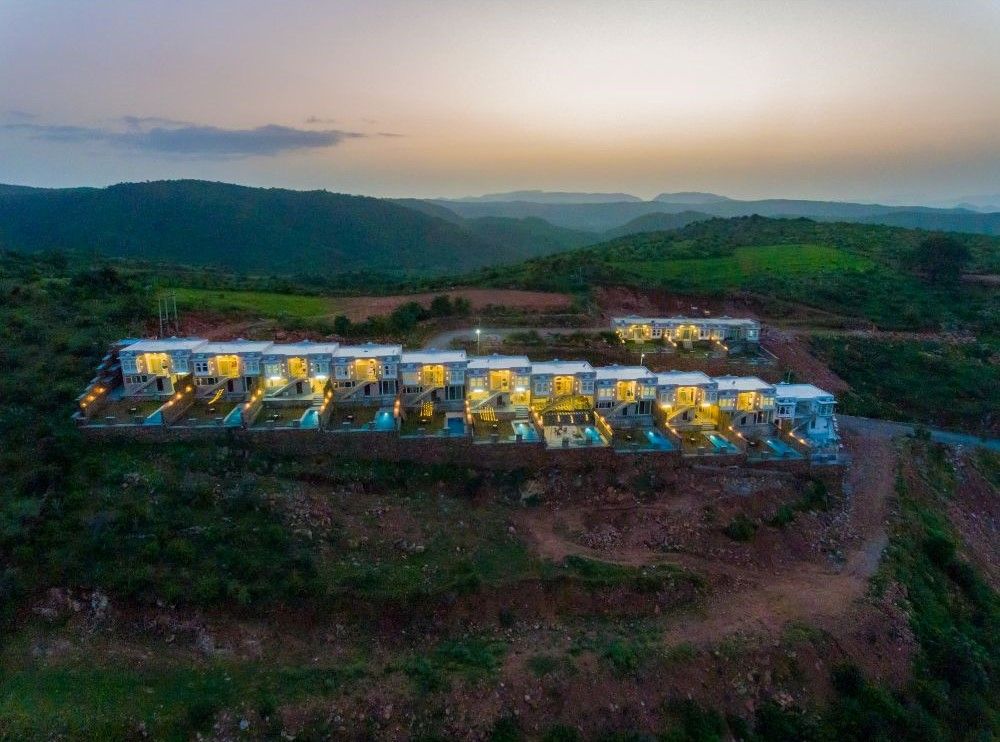
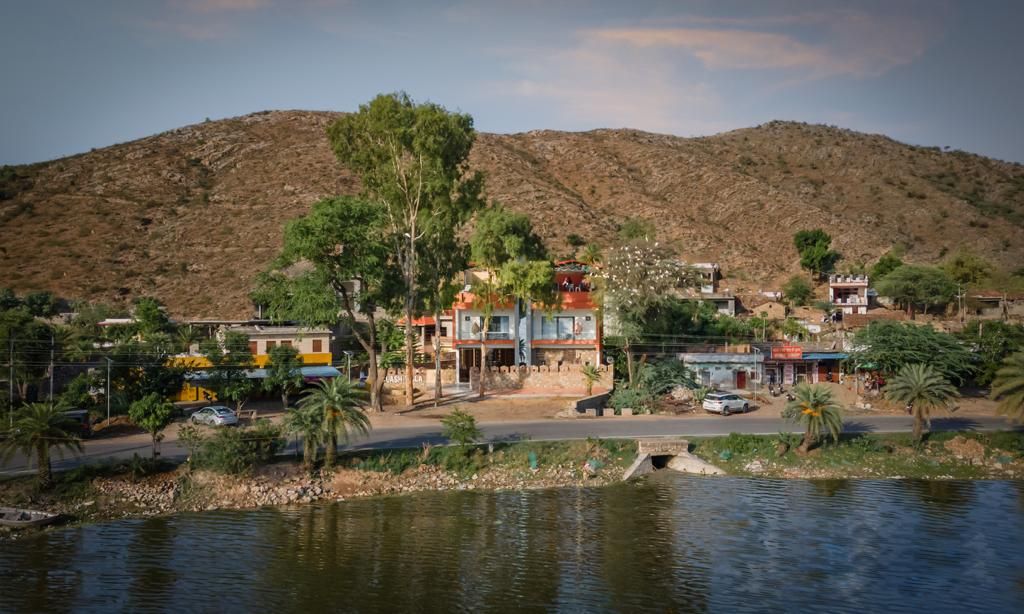
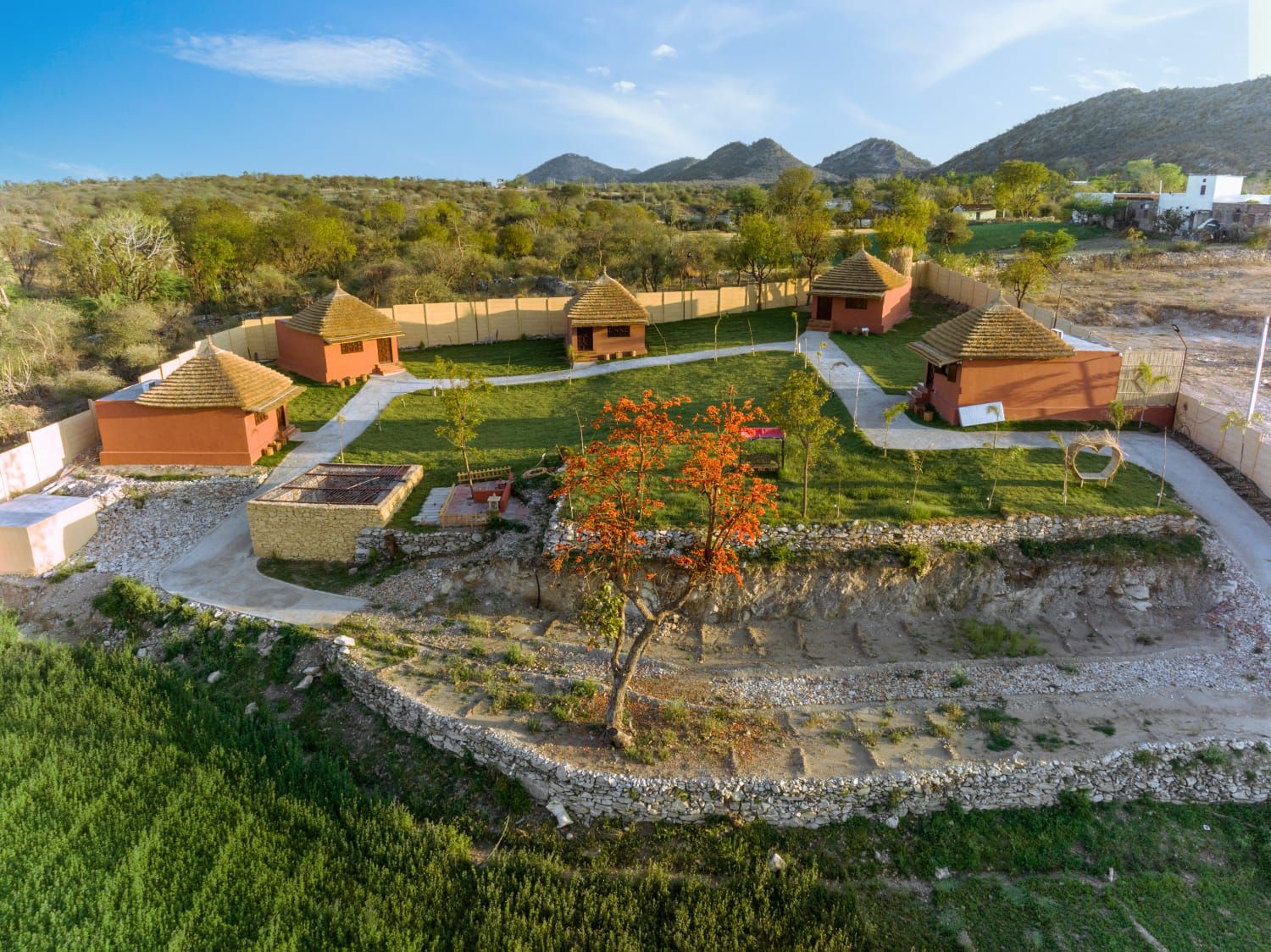
Travelers seeking nature-focused accommodations, tranquil rural homestays, and outdoor getaways in the hills surrounding Udaipur can find a wide selection of curated stays on HireACamp. Booking a stay close to the Aravalli countryside provides convenient morning access to the sanctuary trails and scenic viewpoints while keeping you connected to the cultural attractions of the city.
Frequently asked questions
Where is Sajjangarh Wildlife Sanctuary located?
Sajjangarh Wildlife Sanctuary is situated on Fateh Sagar Road along the slopes of the Bansdara hill, just west of Udaipur in Rajasthan, India.
What animals can be spotted in Sajjangarh Wildlife Sanctuary?
Commonly sighted animals include chital, sambar deer, nilgai, wild boars, jackals, hyenas, and a wide variety of birds and reptiles, with occasional sightings of leopards.
Is the Monsoon Palace inside the sanctuary?
Yes, the historic Monsoon Palace (Sajjangarh) is situated at the top of the Bansdara peak within the sanctuary grounds, offering panoramic views of Udaipur and its lakes.
What is the best time of year to visit Sajjangarh Wildlife Sanctuary?
The winter months from October to March offer the most pleasant weather for wildlife viewing and walks, while the monsoon season from July to September brings lush green hills and scenic mist.
Can I drive my own vehicle inside the sanctuary?
Vehicle entry is permitted along the main winding road leading to the summit, though regulations and vehicle fees are determined by the forest department and should be verified locally at the gate.
Where you'll be
Fateh Sagar Rd, near Sajjangarh, Udaipur · 4 stays nearby shown with prices
Stays near Sajjangarh Wildlife Sanctuary
Book a place to stay close by
More places near Sajjangarh Wildlife Sanctuary
Within 20 km


Built from 0 Instagram posts by 0 creators. Every tip links back to the post it came from, and where creators disagree we show both sides.






