
Salamba
Destination in Haryana
Salamba is a quiet settlement nestled in the southern expanse of Haryana, set against the backdrop of the ancient Aravalli landscape. Situated within striking distance of the historic hubs of Nuh and Sohna, it offers a peaceful rural retreat away from the fast-paced life of the National Capital Region. Travelers visit the area to discover forgotten historical fortifications, explore rugged countryside trails, and enjoy the open horizons of rural Haryana.
Getting there
By road
- From New Delhi1 hr 40 min · 72 km
- From Jaipur3 hr 25 min · 228 km
- From Dehradun4 hr 25 min · 329 km
- From Chandigarh5 hr 10 min · 338 km
Typical drive times without traffic. Stations and airports from OLA Maps; distances and typical drive times from OpenStreetMap (© OpenStreetMap contributors); notes from creators' Reels.
About Salamba
Written with AI from map data and general knowledge. Check prices and timings locally before you go.
About Salamba and its setting
Salamba is situated in the southern plains of Haryana, a region defined by agricultural fields interspersed with the rocky outcrops of the Aravalli Range. The village atmosphere reflects the rustic rhythms of the countryside, where open skies and quiet roads replace the congestion of nearby metropolitan centres. Its location makes it a grounded, low-key destination for those who want an authentic glimpse into everyday village life in northern India.
The surrounding geography carries an understated natural charm. Low scrub forests, seasonal water bodies, and rocky ridges provide a haven for regional birdlife, including peacocks, partridges, and migratory birds during the colder months. Because it sits away from mainstream tourist circuits, Salamba allows travelers to experience an unhurried pastoral environment where agriculture and traditional cattle rearing remain central to the community.
Historical landmarks around Salamba
One of the most notable historical sites near Salamba is Ghasera Fort, located just a few kilometres away. The ruins of this 18th-century stronghold stand as a reminder of the region's complex past, marked by clashes between regional chieftains and imperial forces. While much of the fort has succumbed to the elements, the surviving stone walls, gateway, and ramparts provide a fascinating window into historical architecture and offer panoramic views across the flat plains.
A short drive further into the region leads to Nuh and Sohna, both of which harbour deep heritage value. The Shahi Jama Masjid in the region highlights historic Mughal and regional masonry, featuring weathered red sandstone arches and traditional domes. Closer to Sohna, visitors can find the historic Shiv Kund, a revered temple complex known for its natural sulphur springs. Exploring these heritage sites gives visitors a richer perspective on the layered history that shaped southern Haryana over the centuries.
Read more
Outdoor and cultural getaways nearby
The countryside surrounding Salamba is dotted with scenic lakes, cultural hubs, and recreational spaces. A short journey westward brings travelers to the Heritage Transport Museum, which houses an extensive collection tracing the evolution of transportation in India. With vintage automobiles, heritage railway carriages, and aviation memorabilia, it is one of the premier curated cultural destinations in northern India.
For outdoor lovers, the area offers access to several natural water bodies and walking trails along the Aravalli hills. Sites like Khori Jamalpur Jheel and Panikot Lake serve as tranquil spots for quiet walks and birdwatching, especially during the post-monsoon and winter seasons. The nearby Leopard Trail corridor near Gurugram is another popular weekend route, where winding roads pass through scrub forests and rocky ravines, providing opportunities for cycling, morning rides, and photography amidst undisturbed nature.
Best time to visit Salamba
The most pleasant time to travel to Salamba is between October and March. During these late autumn, winter, and early spring months, the weather in southern Haryana is clear, sunny, and temperate during the daytime, while evenings and nights can turn delightfully crisp and cool. This climate makes walking through historical ruins, exploring outdoor lakes, and touring local villages very comfortable.
Summers, extending from April through late June, bring intense heat to the region, with afternoon temperatures routinely climbing high. Traveling during this period requires planning excursions early in the morning or late in the evening to avoid the midday sun. The monsoon season, which usually arrives in July and tapers off by September, brings welcome relief from the summer heat and temporarily greens the thorny scrub across the Aravalli slopes, though occasional downpours can make dirt tracks muddy.
How to reach Salamba
Salamba is well connected by road to major cities across the National Capital Region, making it an accessible destination for weekend excursions and day trips. From Gurugram or New Delhi, travelers can drive south via the Sohna Elevated Corridor and connecting district highways. The nearby Kundli-Manesar-Palwal (KMP) Expressway also provides seamless arterial connectivity for travelers approaching from eastern or western Haryana.
For those relying on public transport, regular state-run and local buses connect Delhi, Gurugram, and Faridabad to regional transit stations in Sohna and Nuh. From these transit points, local auto-rickshaws and shared vehicles run towards Salamba and neighbouring villages. The nearest major railway stations and international airport are located in New Delhi and Gurugram, from where private taxis can be hired for the onward journey.
Where to stay and visitor tips
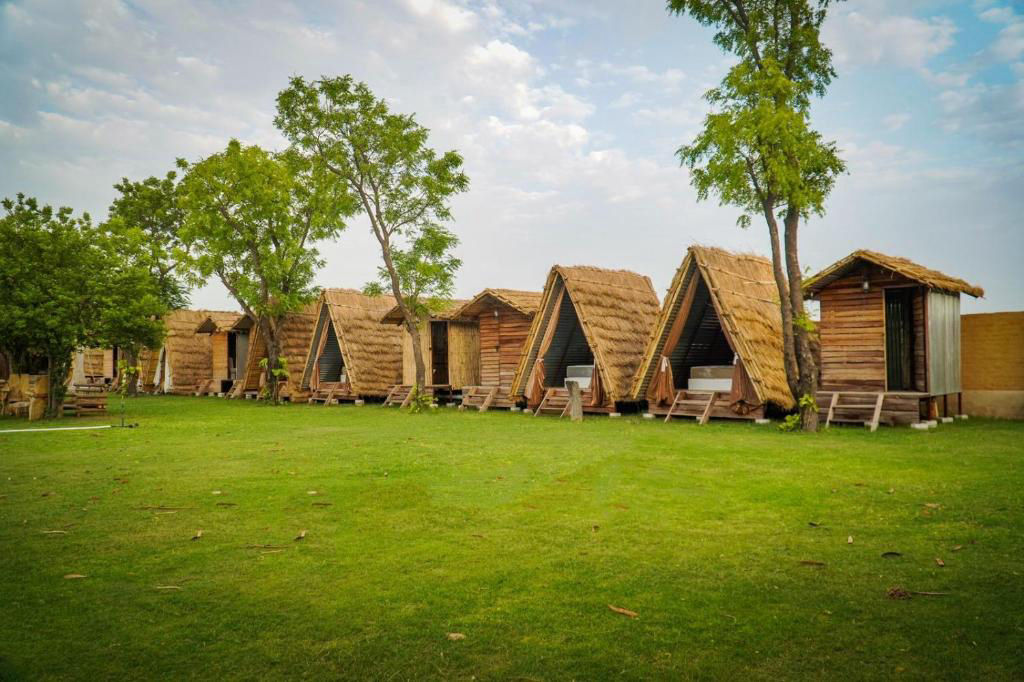
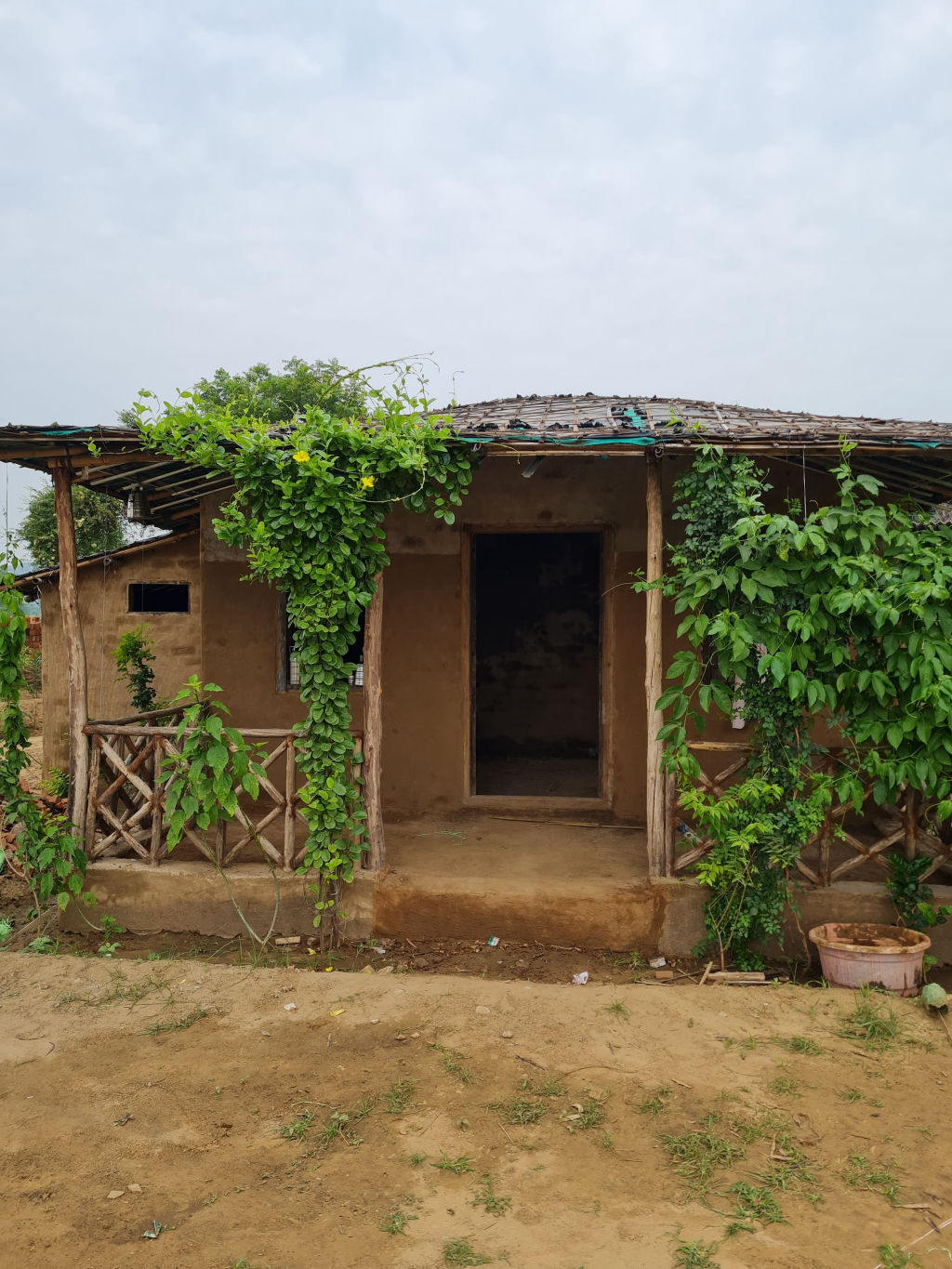
When planning an overnight getaway to Salamba, booking through HireACamp offers options ranging from experiential rural homestays to peaceful nature campsites in the wider southern Haryana and Aravalli area. Staying outside the city allows you to enjoy quiet evenings, home-cooked regional meals, and stargazing away from bright city lights.
If you plan to walk around village trails or explore historical ruins like Ghasera Fort, wear sturdy closed-toe walking shoes to handle loose stones and thorny undergrowth. It is advisable to carry a refillable water bottle, a hat, and sunscreen during sunny hours. Because Salamba is a traditional rural area, dressing modestly and asking for permission before photographing residents or their homes is both polite and appreciated.
Frequently asked questions
Where is Salamba situated?
Salamba is a rural settlement located in southern Haryana, India, close to the towns of Nuh and Sohna along the base of the Aravalli hills.
What is the best time of year to visit Salamba?
The winter months from October to March are the best time to visit, offering clear skies, pleasant daytime temperatures, and cool evenings suitable for outdoor exploration.
What attractions can I explore around Salamba?
Nearby highlights include the historic Ghasera Fort ruins, the Shahi Jama Masjid, the ancient hot spring temple at Shiv Kund, the Heritage Transport Museum, and scenic water bodies such as Panikot Lake.
How do I reach Salamba from Gurugram or Delhi?
Salamba can be reached by road via the Sohna Corridor and regional state highways, or through the KMP Expressway network, using private vehicles, taxis, or regional buses.
Where can I find places to stay near Salamba?
You can browse and book rustic homestays, farm getaways, and nature camps in the surrounding Aravalli and southern Haryana countryside on HireACamp.
Where you'll be
2 stays nearby shown with prices
Stays near Salamba
Book a place to stay close by
Things to do in Salamba
46 places creators recommend within 30 km


Lists for this area
Ranked by how many creators recommend each place


Built from 0 Instagram posts by 0 creators. Every tip links back to the post it came from, and where creators disagree we show both sides.






