Monuments near Gurugram
Located just beyond the bustling urban hub of Gurugram lies an impressive corridor of centuries-old architecture, grand garden tombs, and commemorative landmarks. This curated guide features prominent monuments within forty kilometres of the city, highlighting places well suited for weekend history buffs, day-trippers, and photography enthusiasts.
Top historical monuments near Gurugram
Humayun’s Tomb stands out as one of the most widely recommended sites near Gurugram. Located around twenty-six kilometres away in Nizamuddin East, this sixteenth-century Mughal garden tomb is celebrated for its symmetrical Charbagh gardens, red sandstone facade, and white marble dome. Creators frequently recommend heading here during the early morning hours or in the late afternoon golden hour to catch soft light on the stonework and avoid the peak midday crowds.
Safdarjung Tomb, situated approximately twenty-three kilometres from Gurugram, provides another remarkable look at Mughal architecture. Built in the eighteenth century, it represents the final grand enclosed garden tomb from the imperial era. Visitors come to admire its arched alcoves, ornate plaster carvings, and geometric grounds, especially during the sunset golden hour.
Closer to Gurugram, Qutb Minar stands about seventeen kilometres away in Mehrauli. This towering red sandstone minaret anchors an ancient complex dating back to the Delhi Sultanate, renowned for its intricate carvings and ancient iron pillar. In central Delhi, Jantar Mantar and Agrasen ki Baoli showcase different historical crafts. Jantar Mantar features eighteenth-century masonry instruments built to track astronomical bodies, while Agrasen ki Baoli offers a dramatic descent into an ancient stepwell lined with stone arches.
Memorials and lesser-known heritage
Beyond classic tombs and towers, the area surrounding Gurugram holds diverse commemorative landmarks. India Gate, located roughly twenty-six kilometres away, serves as an iconic war memorial framed by sweeping lawns. Farther east, Raj Ghat Memorial New Delhi offers a serene, contemplative space on the banks of the Yamuna River, marking the cremation site of Mahatma Gandhi.
Travellers interested in varied architecture can also look to Ahinsa Sthal in Mehrauli, a peaceful Jain sanctuary set atop a rocky knoll featuring a stone statue of Lord Mahavira. For an excursion into historic parklands, Bagh-I-Alam Ka Gumbad sits within Deer Park in Hauz Khas. This fifteenth-century Lodi-era tomb offers a peaceful setting surrounded by trees. Out toward the city ridges and western edges, sites like the Mutiny Memorial, the Ashoka Pillar on the Northern Ridge, and Delhi Darwaza in Najafgarh provide glimpses into regional transitions across the centuries.
Best time to visit
The region experiences distinct seasonal extremes, making trip timing an important consideration. The cooler months between October and March offer pleasant daytime weather that is well suited for exploring open-air gardens and stone compounds. During this winter window, walking between courtyards is comfortable throughout most of the day.
During the hotter summer months from April to June, temperatures rise substantially across paved stone pathways. If you plan excursions during this time, scheduling visits in the early morning or late afternoon is essential. Many visitors specifically favour the golden hour just before sunset, while creators often advise avoiding the harsh sun between noon and three in the afternoon.
Getting there and practical tips
Most of the monuments listed are located between seventeen and thirty-five kilometres from Gurugram, making them straightforward day excursions. Commuting by road or utilizing the regional metro network provides reliable connectivity across municipal boundaries. Travel times vary depending on traffic conditions during peak weekday hours, so starting early helps make the most of your trip.
Comfortable walking shoes are vital, as monuments like Humayun’s Tomb and Qutb Minar cover expansive grounds with uneven stone flagstones and steps. Carrying drinking water and sun protection is recommended. Because entry policies, photography guidelines, and operating hours can change, travellers should confirm specific visiting rules locally before setting out.
Where to stay
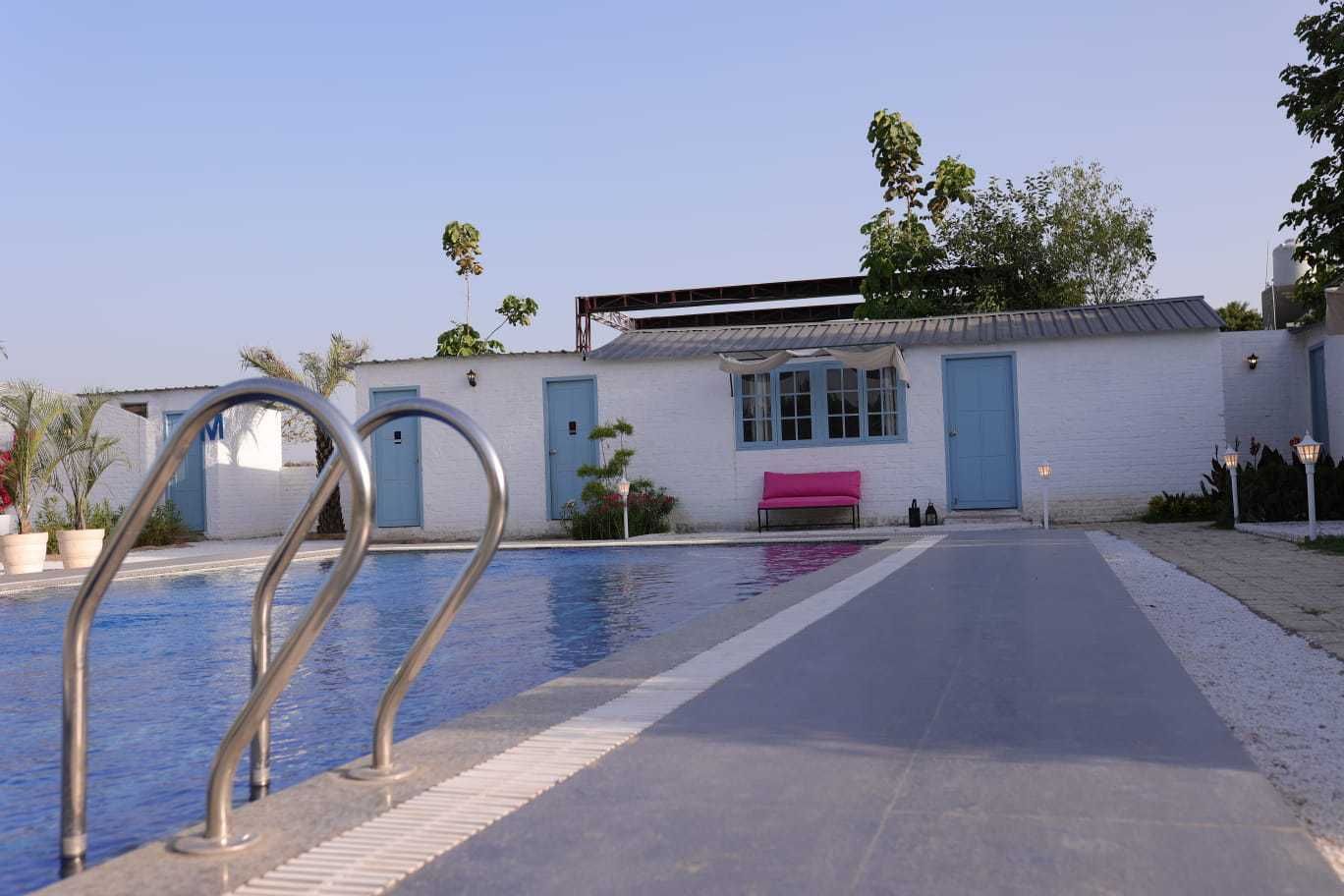
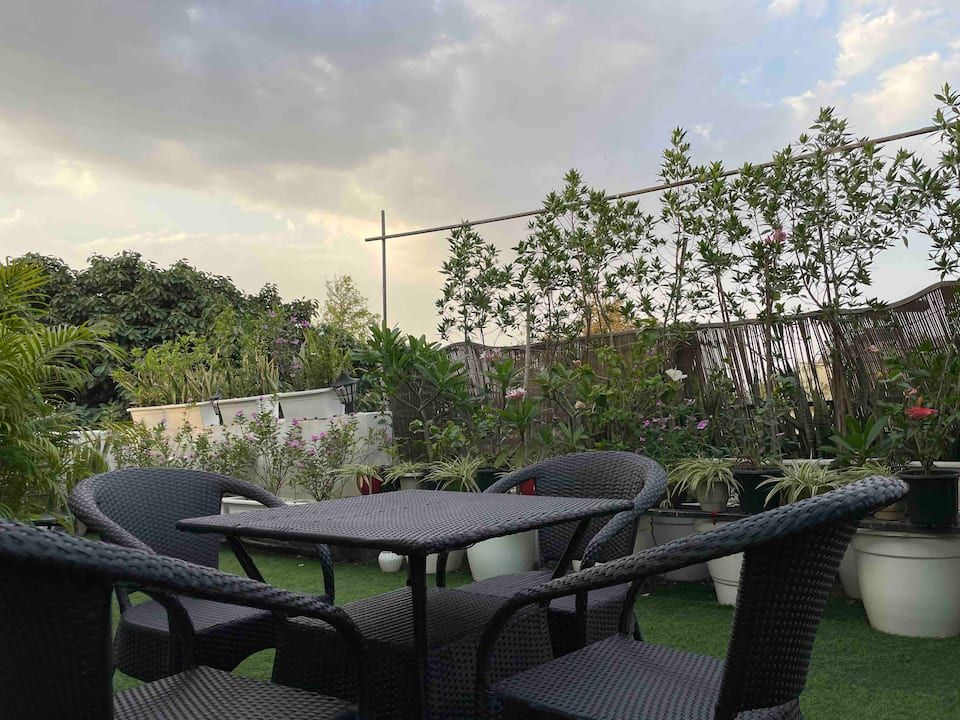
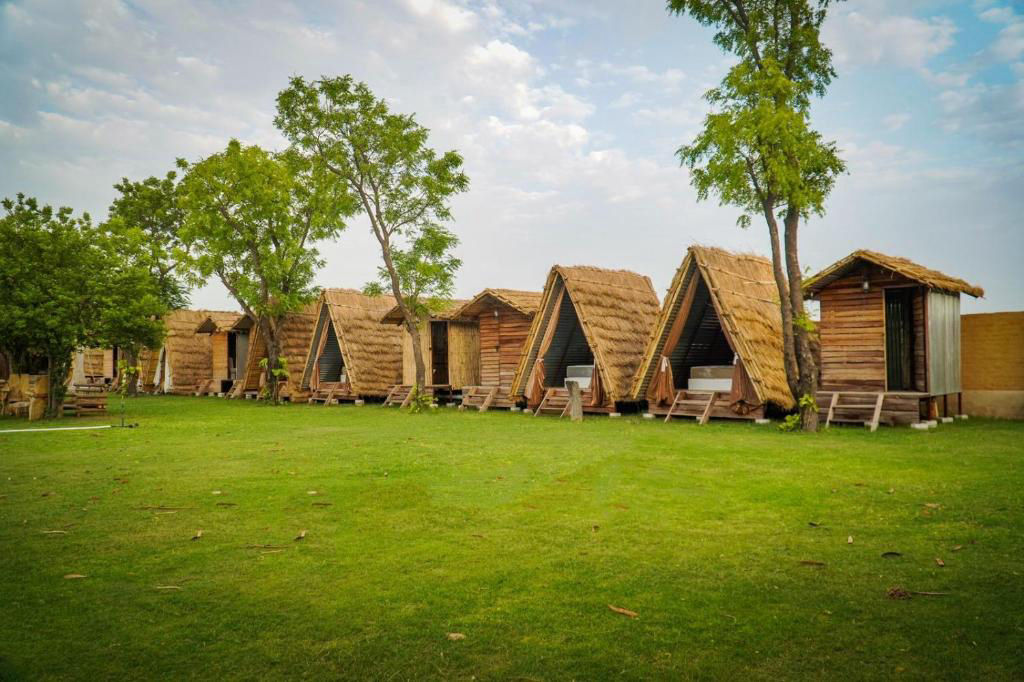
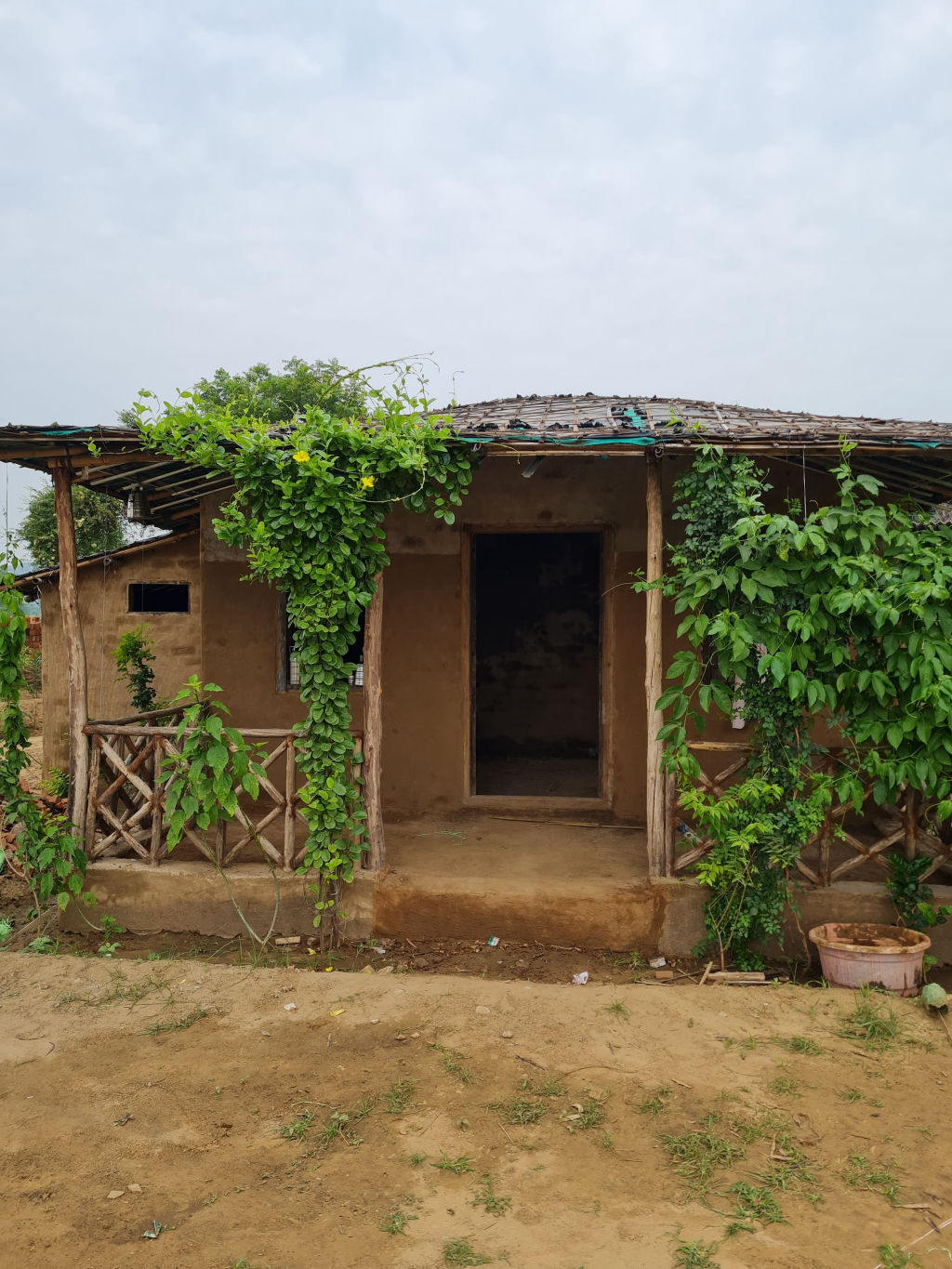
If you are planning an extended trip to explore the historic sights around Gurugram and the surrounding region, choosing the right base makes all the difference. While commercial hotels are standard, those seeking a more distinctive outdoor getaway can find peaceful alternatives through HireACamp.
HireACamp features a curated selection of nature camps, rustic cottages, and homestays located around the surrounding countryside and the Aravalli hills. Staying slightly outside the urban core gives you a refreshing natural setting to unwind after a full day of touring ancient monuments and heritage corridors.
Written with AI from creators' posts and map data. Check prices and timings locally before you go.
19 places · 18 creator recommendations · Updated today
Ranked by how many independent creators recommend each place, not by who paid. The list updates itself as new posts come in.


Frequently asked questions
Which historical monuments are closest to Gurugram?
Qutb Minar, Ahinsa Sthal, and Delhi Darwaza are among the closest monuments, situated roughly seventeen to eighteen kilometres from Gurugram in South and West Delhi.
What is the best time of day to visit Humayun’s Tomb?
Early morning and the golden hour before sunset offer cooler weather, softer photographic lighting, and smaller crowds. It is best to avoid the middle of the day between 12:00 PM and 3:00 PM when the sun is harshest.
Can I visit these monuments from Gurugram using public transit?
Yes, several prominent sites, including Qutb Minar, Jantar Mantar, and Agrasen ki Baoli, can be reached directly via the regional metro lines and local connecting transport from Gurugram.
When is the best season to explore outdoor heritage sites near Gurugram?
The cooler months from October through March provide the most comfortable weather for outdoor exploration, as summer months often bring extreme daytime heat across open courtyards.
Are cameras permitted at historical monuments near Gurugram?
Most monuments permit standard photography, though rules and fees for tripods or professional video equipment vary from site to site. It is advisable to check current guidelines locally at each monument's entry point.
Stays near Gurugram
Make a trip of it