
Baleni Pass
Nature near Gehra, Himachal Pradesh
11 km from Gehra
The nearest town, for stays, food and fuel.
Baleni Pass is an alpine mountain pass set high in the Dhauladhar range of Himachal Pradesh, not far from McLeod Ganj. The pass connects the Kangra valley with the Chamba region and has long served as a traditional shepherd route across the rugged granite crests. Trekkers and nature enthusiasts head here for its sweeping views of snow-draped peaks, pristine alpine meadows, and quiet glacial streams.
Getting there
By road
- From GehraNearest town4 hr 40 min · 193 km
- From Amritsar5 hr · 206 km
- From Ludhiana5 hr 20 min · 220 km
- From Chandigarh6 hr 15 min · 263 km
Typical drive times without traffic. Stations and airports from OLA Maps; distances and typical drive times from OpenStreetMap (© OpenStreetMap contributors); notes from creators' Reels.
About Baleni Pass
Written with AI from map data and general knowledge. Check prices and timings locally before you go.
About Baleni Pass
Perched in the western Himalayas, Baleni Pass is an alpine crossing in the mighty Dhauladhar range of Himachal Pradesh. Rising above the sub-tropical valleys of Kangra, this pass historically served as a high-altitude migratory footpath used by the indigenous Gaddi shepherds to move their flocks between the lush pastures of Kangra and the inner valleys of Chamba. Today, it stands as an alluring trekking destination for those who want to experience the raw grandeur of the Dhauladhar mountains away from crowded tourist circuits.
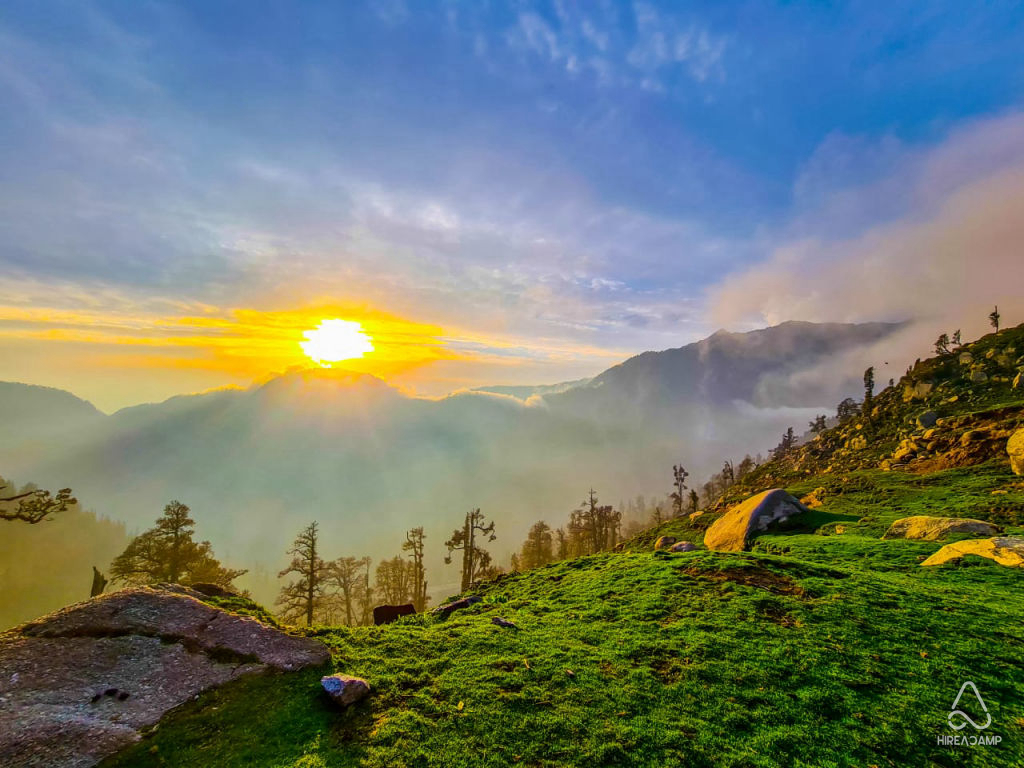
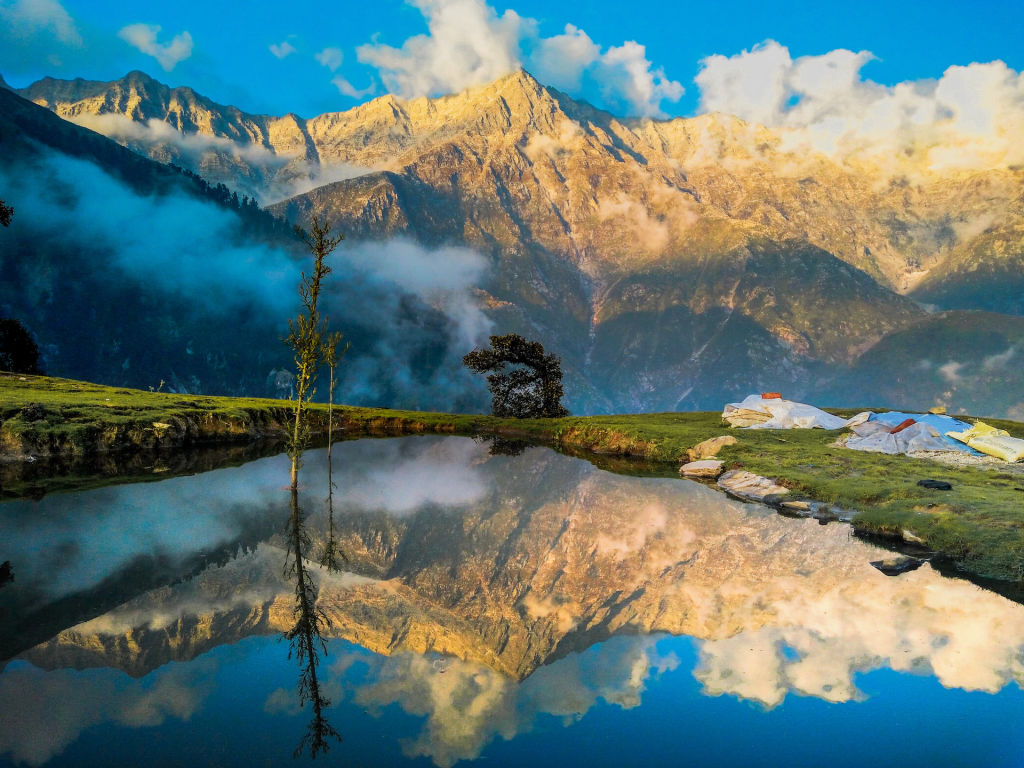
The terrain around Baleni Pass transitions dramatically from dense subtropical forests to open alpine wilderness. In the lower reaches, trails wind through thick canopies of oak, pine, and crimson rhododendron before giving way to expansive meadows known locally as thaches. Closer to the pass, the soil yields to boulder fields, loose moraine, and seasonal snow patches. Standing near the summit, you are treated to unhindered panoramas of the jagged Dhauladhar crest line on one side and the dramatic folds of the Pir Panjal range on the other.
The Trek to Baleni Pass
The journey to Baleni Pass is a rewarding foot journey that tests endurance while offering unmatched natural variety. Most routes originate from small base hamlets situated in the lower folds of the Kangra district, ascending alongside cascading glacial streams and through tranquil forest corridors. The sound of gushing mountain torrents and the rustle of leaves accompany the early stages of the ascent, offering a peaceful walking atmosphere.
As the trail climbs steadily toward higher altitudes, the gradient becomes steeper and the vegetation recedes. Trekkers cross boulder-strewn riverbeds, traverse grassy ridges grazed by herds of sheep, and navigate rocky switchbacks. The final push toward the pass requires careful footing over scree and remnants of snow fields depending on the time of year. Reaching the pass brings a profound sense of achievement, framed by crisp mountain air, fluttering prayer flags, and dramatic vantage points looking out into two distinct Himalayan valleys.
Read more
Best Time to Visit Baleni Pass
Timing a trek to Baleni Pass is essential due to the sharp seasonal shifts characteristic of the Dhauladhar range. The prime trekking seasons are early summer, running from May to June, and post-monsoon autumn, from September to late October. During the early summer months, the lower meadows are bursting with wildflowers, the rhododendrons may still show late blooms, and daytime temperatures remain comfortable for walking, though snowfields persist near the pass.
Post-monsoon brings crisp, dry air and exceptionally clear skies, offering some of the sharpest views of the surrounding peaks and valleys. The monsoon months of July and August bring heavy rainfall to the southern slopes of the Dhauladhar, making the trails slippery, prone to landslides, and dangerous to navigate. Winter, stretching from late November through March, blankets the pass in heavy snow and freezing winds, rendering it inaccessible for standard trekking and safe only for skilled mountaineers with specialized equipment.
How to Reach Baleni Pass
The starting points for treks toward Baleni Pass are reached via Kangra and McLeod Ganj. McLeod Ganj is well connected to major northern Indian cities including Delhi and Chandigarh by overnight buses, taxis, and state transport services. For rail travelers, Pathankot serves as the nearest major broad-gauge railway junction, from where private taxis and local buses run regularly into Kangra and Dharamshala.
The closest airport is Kangra Airport at Gaggal, which operates scheduled regional flights connecting travelers from New Delhi and other hubs. From the urban centers of Dharamshala or McLeod Ganj, local transport or private cabs carry trekkers to the rural roadheads that mark the start of the footpath. Because trail conditions and starting points can vary depending on seasonal road access and local trail upkeep, it is wise to confirm current road conditions with locals before setting out.
Tips for Your Trek to Baleni Pass
Trekking in the Dhauladhar requires good physical preparation and respectful awareness of mountain weather. The elevation gain on this route is significant, making gradual acclimatization and consistent hydration critical. Even during sunny days, weather in this range can turn rapidly, bringing sudden cloud cover, drops in temperature, or brisk winds, so carrying multiple insulating layers, a sturdy windproof jacket, and reliable rainwear is necessary.
Sturdy trekking boots with good ankle support and deep tread are essential for walking across rocky moraines and wet slopes. Trekkers should carry a basic medical kit, water purification tablets, high-energy trail snacks, and reliable navigation aids. Because trail markings in alpine zones can be faint, walking with an experienced local guide is strongly recommended. Lastly, practice responsible mountain travel by carrying all non-biodegradable waste back to base towns for proper disposal.
Places to Visit Nearby
The Kangra valley around McLeod Ganj is filled with natural and cultural sites that pair naturally with a mountain trek. McLeod Ganj itself offers vibrant Tibetan culture, colorful monasteries, and bustling lanes filled with handicrafts and local food. The steep slopes around the town feature relaxing viewpoints and popular walking routes under cedar and pine trees.
A short drive into the valley leads to the impressive Khabru Waterfall, where mountain water tumbles down rocky cliffs in a secluded forest setting. For those fascinated by history, Kangra Fort stands farther down in the valley atop a high ridge overlooking the Banganga River, showcasing ancient ramparts and centuries of regional heritage. Exploring these nearby sites provides a rich and balanced perspective on the geography and culture of Kangra.
Where to Stay Near Baleni Pass
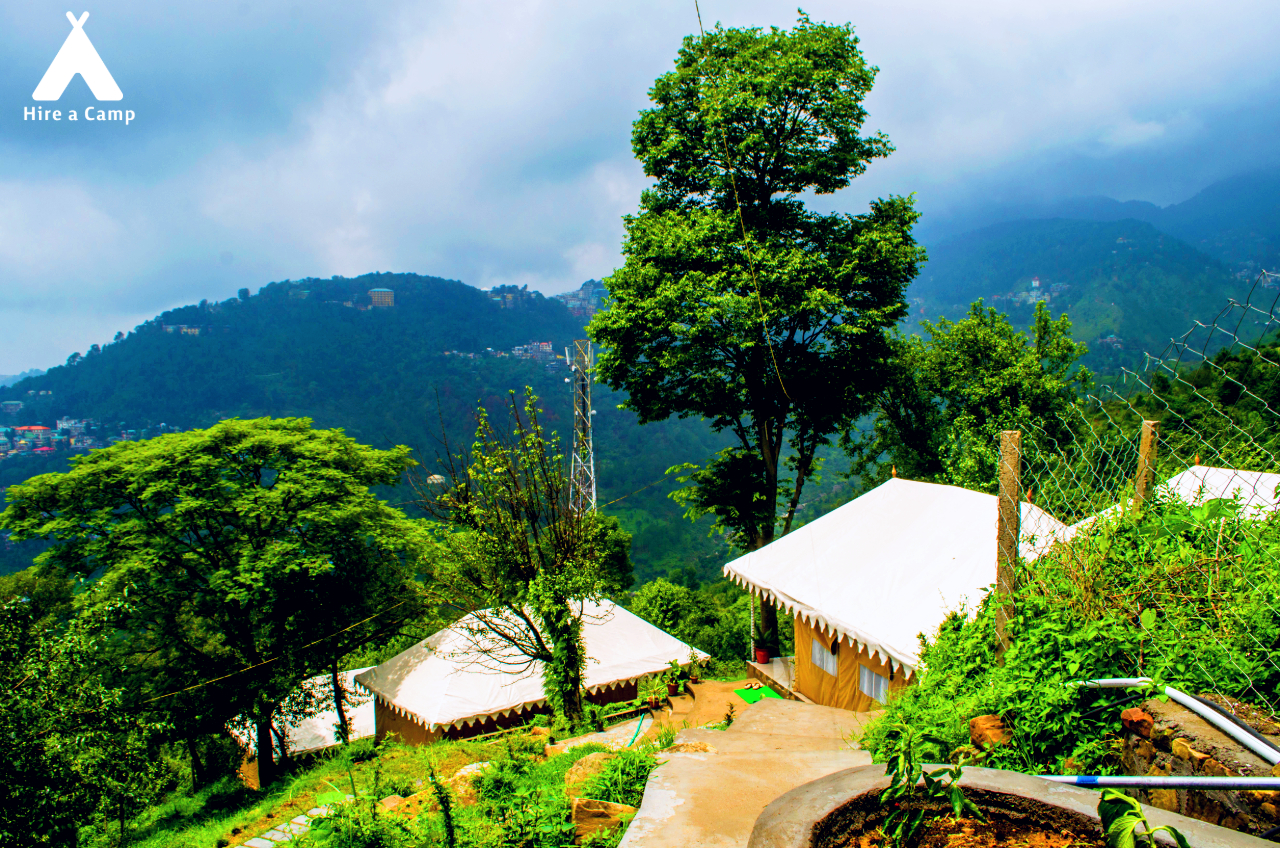
During the trek itself, accommodation is primitive and consists primarily of self-supported camping under canvas at designated meadow sites, following leave-no-trace standards. Before setting off or after returning from the high passes, the surrounding foothill villages and hillside towns offer plenty of welcoming bases to rest and recharge.
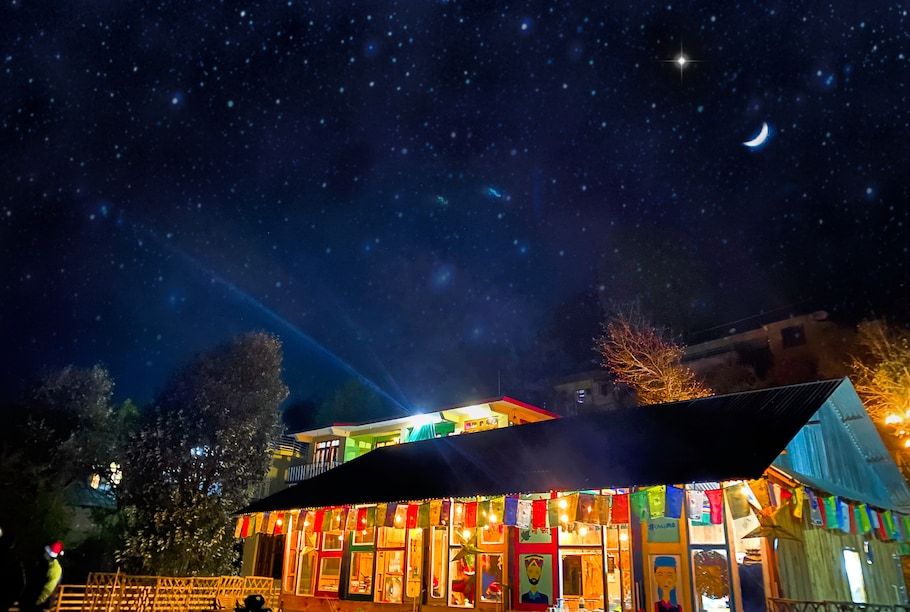
Camps, scenic homestays, and boutique rural stays in and around McLeod Ganj and the Kangra foothills can be easily discovered and booked through HireACamp. Staying in local village homes or eco-camps allows travelers to experience warm Himachali hospitality, enjoy wholesome home-cooked mountain meals, and gain valuable local advice on trail conditions.
Frequently asked questions
Where is Baleni Pass located?
Baleni Pass is situated in the Dhauladhar mountain range of Himachal Pradesh, within the Kangra district and roughly 13 kilometers from McLeod Ganj.
What is the difficulty level of the Baleni Pass trek?
The trek is generally considered moderate to strenuous, featuring steep elevation gains, rocky boulder fields, and occasional snow crossings that demand good physical stamina.
Which months are best for visiting Baleni Pass?
The best periods to trek Baleni Pass are from May to June and from September to late October, when trails are clearer and the mountain weather is relatively stable.
Do I need a local guide for the Baleni Pass trek?
Hiring an experienced local guide is strongly recommended because high-altitude paths through shepherd country can be unmarked and mountain weather in the Dhauladhar range shifts rapidly.
Can I visit Baleni Pass during the winter?
Winter brings deep snow accumulation, sub-zero temperatures, and severe weather to Baleni Pass, making standard trekking impractical and dangerous for non-mountaineers.
Where you'll be
Himachal Pradesh · 4 stays nearby shown with prices
Stays near Baleni Pass
Book a place to stay close by
More places near Baleni Pass
Within 20 km

Built from 0 Instagram posts by 0 creators. Every tip links back to the post it came from, and where creators disagree we show both sides.






