
Samdruptse Monastery
Monastery near Namchi, Sikkim
2.3 km from Namchi
The nearest town, for stays, food and fuel.
Perched atop a forested ridge above Namchi in South Sikkim, Samdruptse Monastery is renowned for its colossal, gilded statue of Guru Padmasambhava. Set against sweeping views of the Eastern Himalayas, the site attracts pilgrims and travellers seeking spiritual solace and panoramic views of the surrounding hills. It stands as one of the most prominent cultural and religious landmarks in the region.
Getting there
By road
- From NamchiNearest town14 min · 7.8 km
Typical drive times without traffic. Stations and airports from OLA Maps; distances and typical drive times from OpenStreetMap (© OpenStreetMap contributors); notes from creators' Reels.
About Samdruptse Monastery
Written with AI from map data and general knowledge. Check prices and timings locally before you go.
Introduction to Samdruptse Monastery
Samdruptse Monastery sits atop Samdruptse Hill, just a short drive from the bustling town of Namchi in Sikkim. In the local Bhutia language, Samdruptse translates to 'the wish-fulfilling hill', a name that has drawn pilgrims to this summit for generations. The ridge is draped in dense oak, pine, and magnolia forest, offering a quiet, wind-swept sanctuary away from lower valley settlements.
The centerpiece of the monastery grounds is the towering effigy of Guru Padmasambhava, the revered eighth-century saint credited with bringing Tantric Buddhism to the Himalayan kingdom of Sikkim. Visible from several ridges across South Sikkim, the gleaming statue looks outward across deep valleys towards snow-crested mountain ranges. For visitors to Namchi, a journey up the hill provides an introduction to Sikkimese spiritual traditions amidst the tranquil scenery of the inner hills.
Significance of the Wish-Fulfilling Hill
According to regional lore, the hill of Samdruptse was once considered a dormant volcano that required spiritual blessings to keep from erupting. Local tradition holds that lamas and hermits gathered here over centuries to pray for stability, peace, and prosperity throughout the valley. The consecration of the monumental statue of Guru Padmasambhava was intended to honor these historic invocations and permanently anchor peaceful energy across Sikkim.
Guru Padmasambhava, also known as Guru Rinpoche, is celebrated as the patron saint of Sikkim. Across the state, high mountain caves, sacred lakes, and forests bear his legend. Samdruptse serves as an open homage to his teachings, functioning both as an active place of daily Buddhist meditation and a gathering ground for regional devotees who arrive to circumambulate the shrine and offer butter lamps.
Read more
Statue and Architecture at Samdruptse
The monumental statue at Samdruptse is an impressive feat of Himalayan craftsmanship, rising high into the mountain air atop a broad, multi-storied pedestal. Painted in radiant hues of gold, copper, and bronze, the statue depicts the saint in traditional ceremonial robes holding sacred Buddhist implements, gazing serene and composed across the mist-filled valleys.
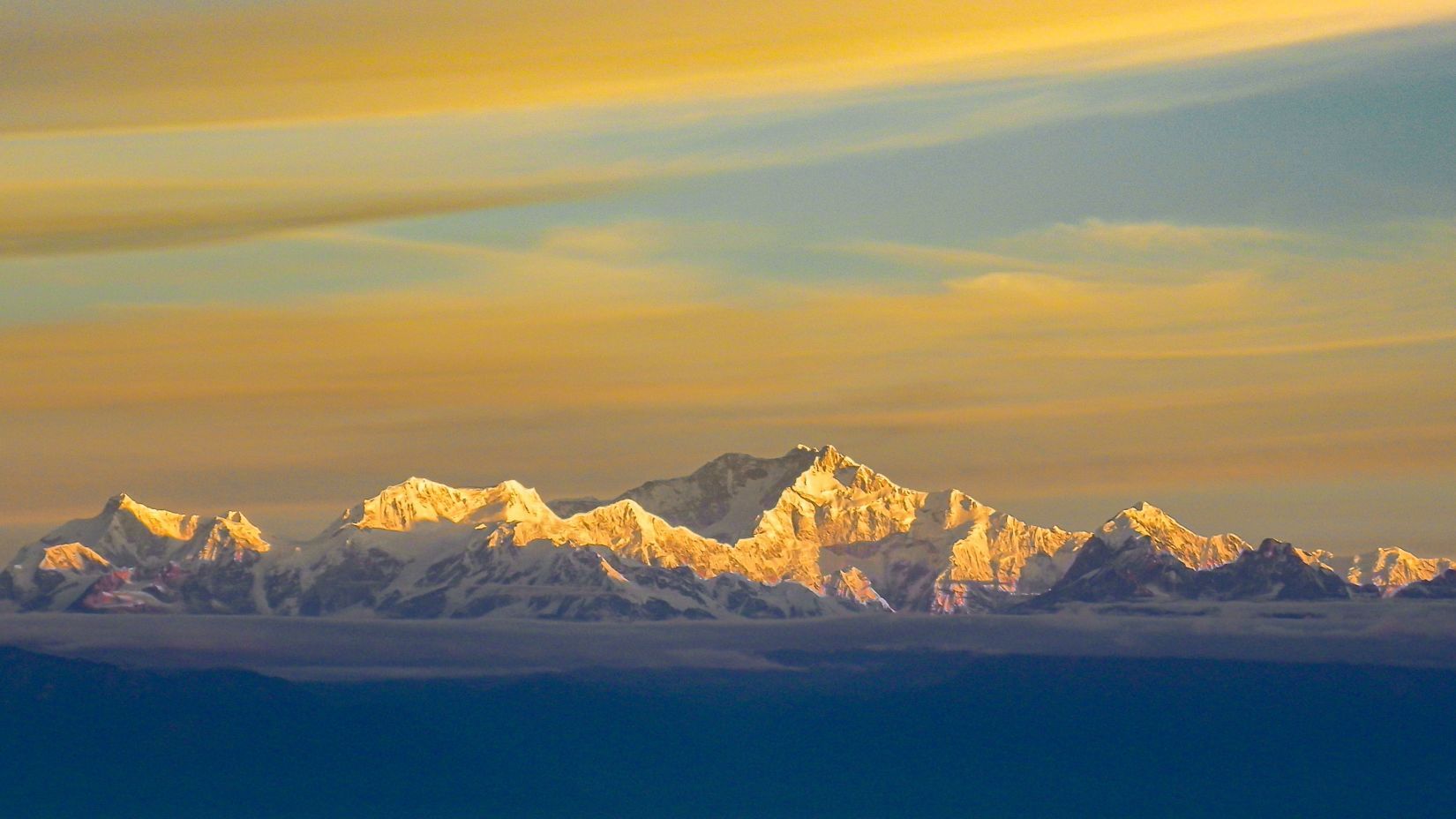
Beneath the colossal figure lies an inner prayer hall adorned with traditional Buddhist motifs, thangkas, and vivid murals depicting significant events from the saint's life. The path leading up to the main sanctuary is bordered by prayer flags, terraced garden walkways, and rows of prayer wheels that visitors can spin as they walk. The elevated vantage point of the courtyard offers dramatic vistas of the surrounding terrain, and on clear mornings, glimpses of the Kanchenjunga massif emerge on the northern horizon.
Best Time to Visit Samdruptse Monastery
The ideal time to visit Samdruptse Monastery is between October and mid-December, and again from March through May. The autumn months bring crisp, cool weather and exceptionally clear mountain skies, offering travellers the best chances of unobstructed Himalayan views and comfortable conditions for walking around the ridge.
Spring brings warmer temperatures and brings the surrounding forested ridges to life with blooming rhododendrons and wild mountain flora. The winter months from late December to February can be quite cold, especially when mountain winds pick up, though mornings remain mostly bright. The monsoon season between June and September brings heavy rainfall, frequent landslides along mountain roads, and thick mist that shrouds the hilltop, making travel more difficult.
How to Reach Samdruptse Monastery
Samdruptse Monastery is situated along Samdruptse Road, roughly seven kilometers uphill from Namchi, the district headquarters of South Sikkim. Travellers coming from outside the state generally travel first to major regional transit hubs such as New Jalpaiguri railway station or Bagdogra Airport in West Bengal. From there, shared jeeps and private taxis run towards Namchi, climbing past the Teesta and Rangit rivers along winding mountain roads.
Namchi is also well connected by road to other key towns in Sikkim, including Gangtok, Pelling, and Ravangla. Once in Namchi town, local taxis are readily available to take visitors up Samdruptse Road directly to the monastery parking entrance. Because mountain road conditions vary with weather and seasonal repairs, it is best to check locally for current driving times and vehicle availability.
Tips for Visiting Samdruptse Monastery
Because Samdruptse is a revered active Buddhist shrine, visitors should dress respectfully with covered shoulders and knees. Shoes must be removed before entering the inner prayer halls below the statue, and quiet decorum is appreciated around worship areas. Photography is generally allowed on the outdoor terraces and garden walkways, but you should confirm locally whether photography is permitted inside the sacred interior sanctum.
The walk from the parking area to the base of the statue involves climbing a series of ramps and stone stairs, so comfortable walking shoes are recommended. Weather on the open ridge can shift quickly, bringing sudden chilly winds or fog even on bright days, making a light jacket or windbreaker useful year-round. Carry cash for small local expenses, as mobile network connectivity and card payment terminals on the hilltop can be inconsistent.
Where to Stay near Samdruptse
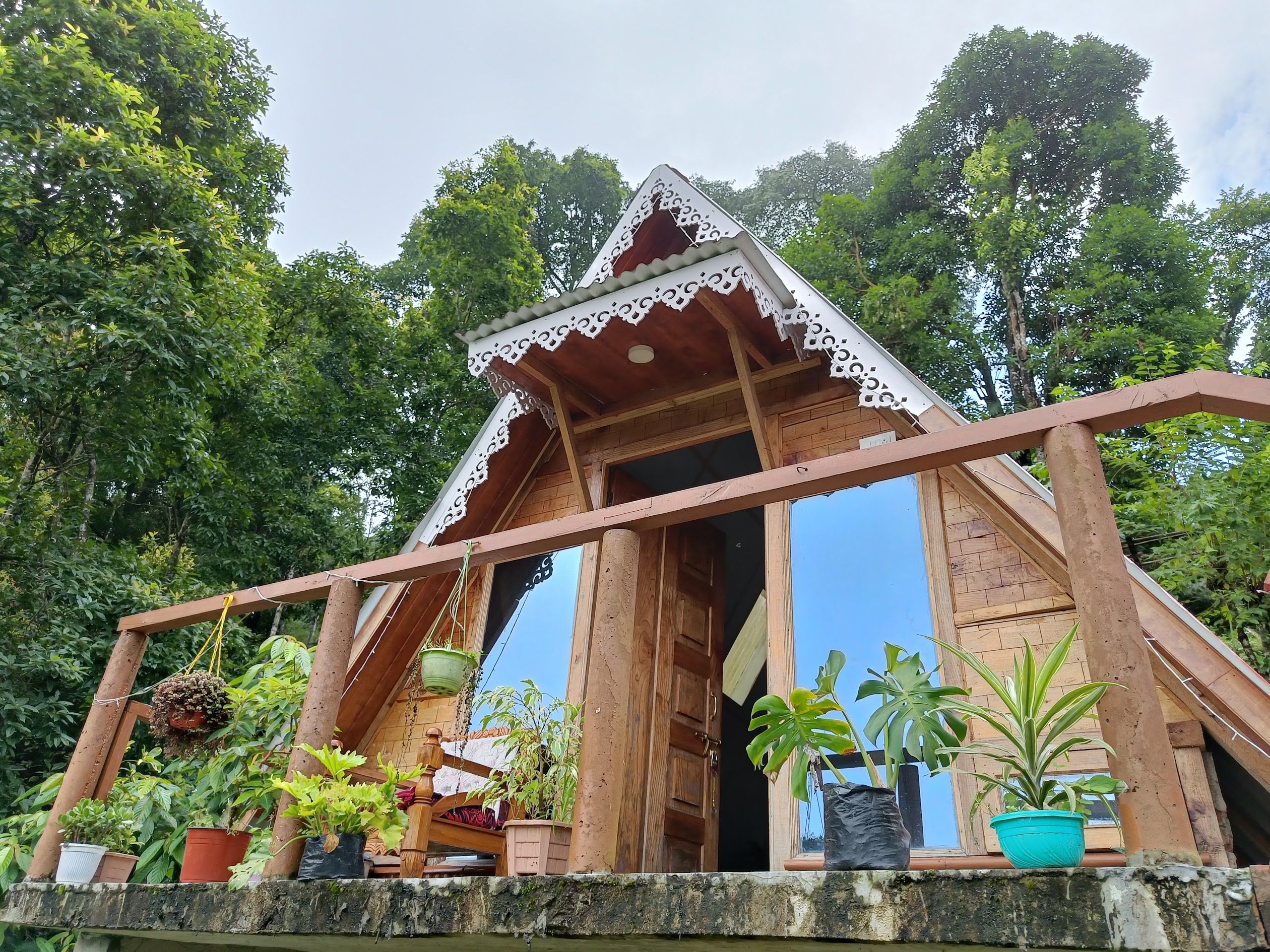
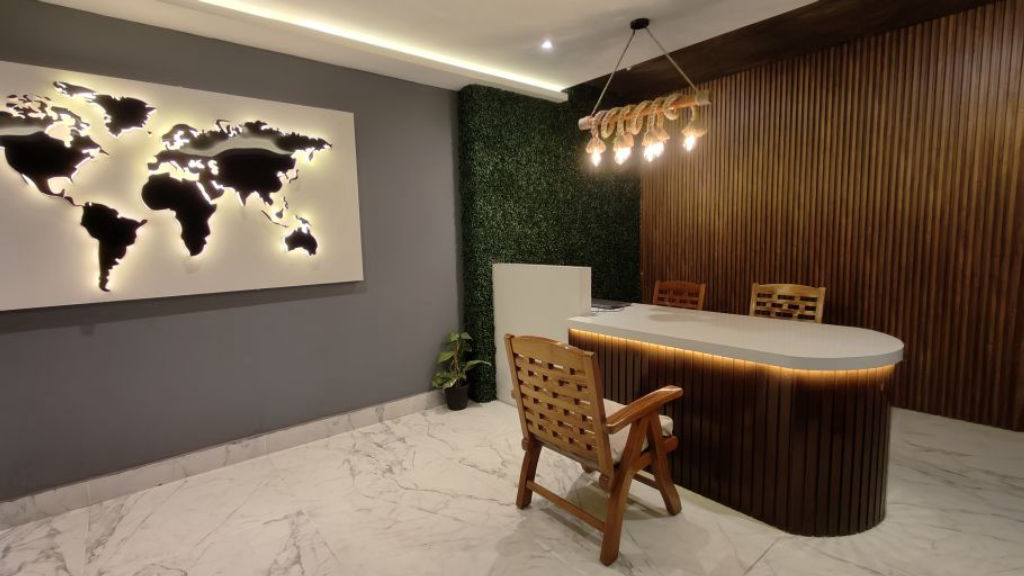
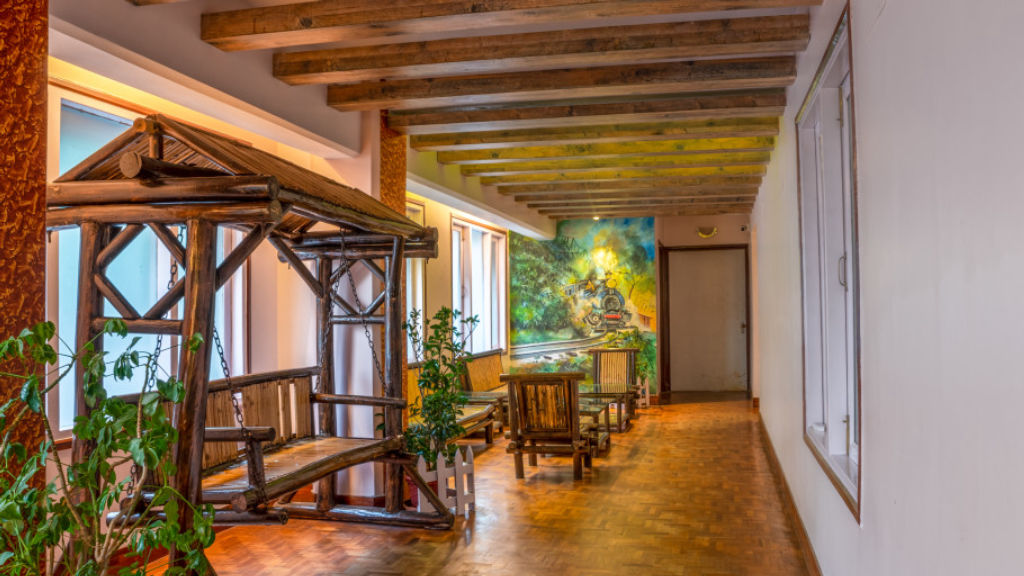
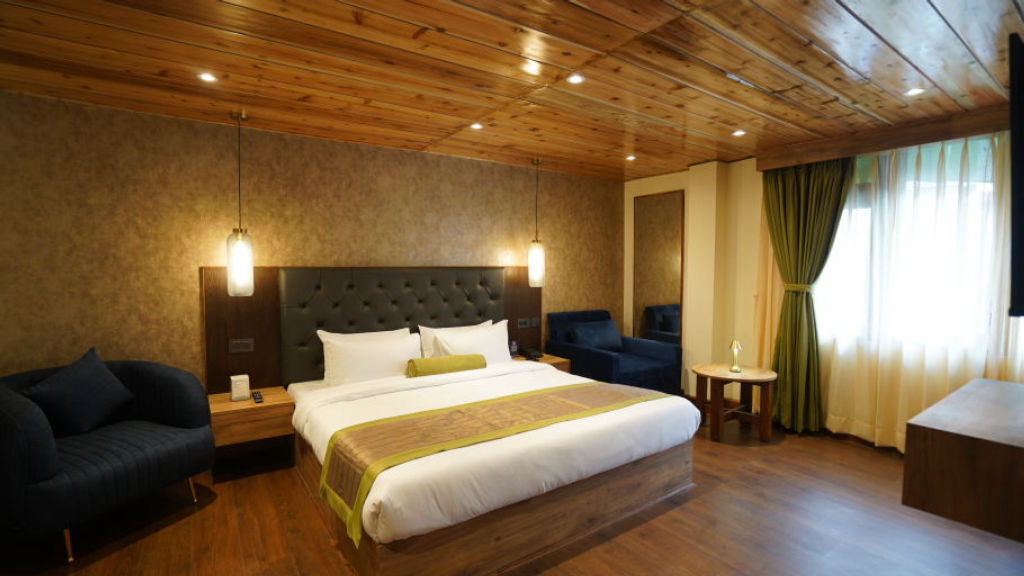
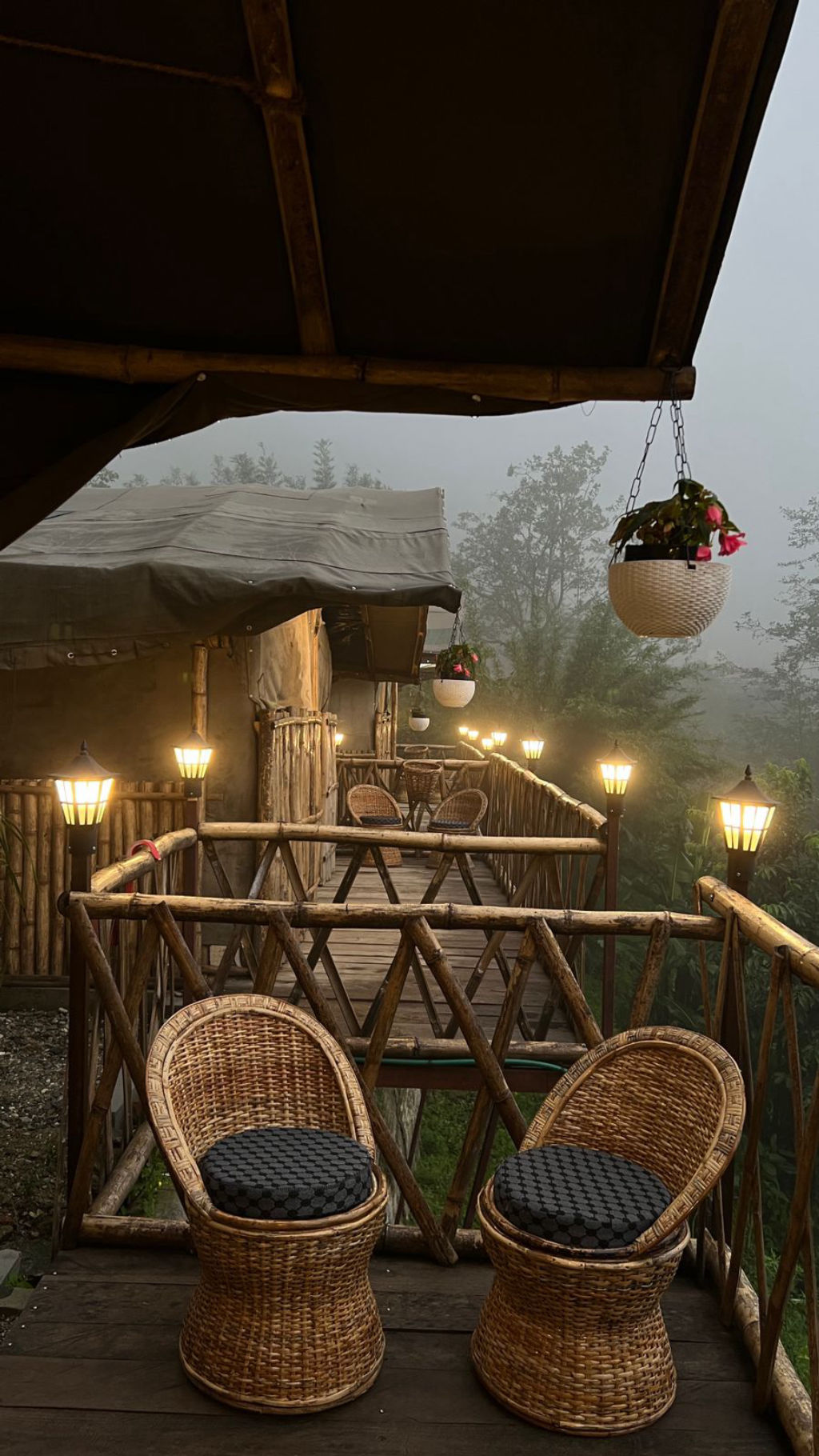
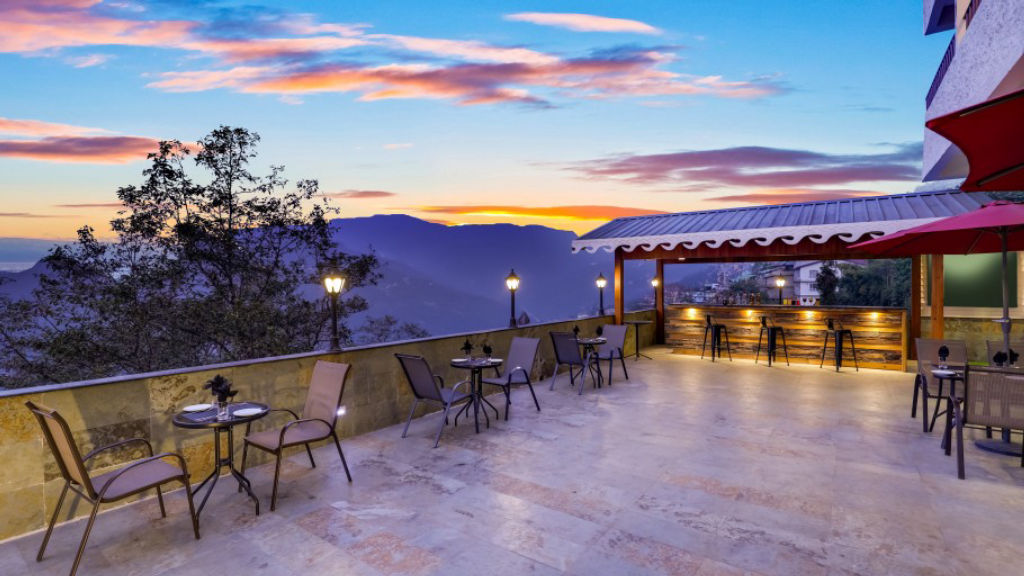
Travellers exploring Samdruptse typically base themselves in or around the town of Namchi, which offers standard guesthouses, peaceful hill lodges, and homestays run by local families. Staying in the nearby rural hamlets allows visitors to experience traditional Sikkimese hospitality, sample local organic meals, and enjoy tranquil mornings surrounded by step farms and pine groves.
For travellers seeking nature getaways, rural stays, or scenic outdoor bases in and around South Sikkim, authentic camps, homestays, and unique local properties can be discovered and booked directly on HireACamp.
Frequently asked questions
What is the significance of the statue at Samdruptse Monastery?
The monastery hosts a colossal statue of Guru Padmasambhava, the patron saint of Sikkim who introduced Tantric Buddhism to the region. The site on Samdruptse Hill was chosen to bestow peace, protection, and prosperity upon the surrounding valley.
How far is Samdruptse Monastery from Namchi town?
The monastery is located about seven kilometers uphill from the center of Namchi along Samdruptse Road, and it can be reached via a short taxi ride.
Are there specific visiting hours or entry fees for Samdruptse Monastery?
Visiting arrangements and nominal entry requirements may change from time to time. Travellers should check locally in Namchi or at the entrance gate for current hours and guidelines.
Can I see Mount Kanchenjunga from Samdruptse?
Yes, on clear days, especially during the autumn and winter months, the high courtyard of Samdruptse offers distant views of Mount Kanchenjunga and adjacent Himalayan peaks.
Where you'll be
Samdruptse Road, Namchi · 7 stays nearby shown with prices
Stays near Samdruptse Monastery
Book a place to stay close by
More places near Samdruptse Monastery
Within 20 km


Lists for this area
Ranked by how many creators recommend each place


Built from 0 Instagram posts by 0 creators. Every tip links back to the post it came from, and where creators disagree we show both sides.






