
Shanti Stupa
Monument near Leh Ladakh, Ladakh
1.5 km from Leh Ladakh
The nearest town, for stays, food and fuel.
Shanti Stupa is a prominent white-domed Buddhist monument perched on a hilltop in Chanspa, overlooking the town of Leh in Ladakh. Built to promote world peace and commemorate 2,500 years of Buddhism, it is one of the most visited vantage points in the region. Travellers visit the stupa for its tranquil spiritual atmosphere, intricate religious carvings, and sweeping views across the Indus Valley.
Getting there
By road
- From Leh LadakhNearest town5 min · 2.1 km
- From Leh5 min · 2.1 km
Typical drive times without traffic. Stations and airports from OLA Maps; distances and typical drive times from OpenStreetMap (© OpenStreetMap contributors); notes from creators' Reels.
About Shanti Stupa
Written with AI from map data and general knowledge. Check prices and timings locally before you go.
About Shanti Stupa
Shanti Stupa stands as one of the most recognizable landmarks in Leh, perched high on a rugged ridge in the Chanspa area. The monument is a classic two-level Buddhist stupa, characterized by its brilliant white dome, traditional architectural lines, and the backdrop of stark trans-Himalayan peaks. It serves as both an active religious site and a welcoming destination for visitors from around the world.
The stupa holds relics of the Buddha at its base and features intricately painted relief panels that illustrate key moments from the life of Gautama Buddha. Beyond its visual charm, the site provides a quiet sanctuary away from the bustle of Leh's central markets. Visitors frequently climb up here not only to appreciate the spiritual architecture, but also to sit in silent contemplation amid the fluttering prayer flags and the mountain breeze.
The History of Shanti Stupa
The creation of Shanti Stupa was envisioned as an enduring symbol of universal peace and spiritual unity. It was built through a collaborative effort between Japanese Buddhist monk Gyomyo Nakamura, head of the Peace Pagoda mission, and the Buddhist community of Ladakh. Construction began in the 1980s, largely relying on voluntary labor and contributions from local residents and monks who carried building materials up the steep hillside.
In August 1991, His Holiness the 14th Dalai Lama officially consecrated and inaugurated the monument. Built to commemorate 2,500 years of Buddhism and to foster global harmony, Shanti Stupa remains a living bridge between Japanese and Ladakhi Buddhist traditions, maintaining a quiet dignity that reflects the shared vision of its builders.
Read more
Panoramic Views and Photography
Owing to its elevated perch on the hilltop of Chanspa, Shanti Stupa offers one of the finest vantage points in all of Ladakh. From the wide circular terraces surrounding the dome, visitors can take in unobstructed three-hundred-and-sixty-degree views of the entire Leh valley. Looking down, you can trace the green ribbons of poplar trees and traditional mud-brick houses contrasting against the dry mountain terrain.
Across the valley, the dramatic snow-capped summits of the Stok mountain range dominate the southern skyline, while the historic Leh Palace and the craggy perch of Namgyal Tsemo Gompa stand proudly on the ridges to the north. Sunset and sunrise are particularly captivating times to visit. During twilight, the low-angled Himalayan light bathes the arid mountains in warm shades of gold, rose, and amber, while the stupa itself is softly illuminated against the deep evening sky.
Best Time to Visit Shanti Stupa
The optimal time to visit Shanti Stupa corresponds with the peak travel season in Ladakh, which spans from late May to September. During these summer months, days are pleasantly sunny, mountain passes are generally open, and daytime temperatures in Leh are comfortable for walking and sightseeing. Evenings can still be crisp, making light woollens necessary once the sun dips below the horizon.
Visiting in the shoulder months of April or October brings cooler weather and fewer visitors, though temperatures drop sharply after sunset. Winter, from November through March, transforms Ladakh into a freezing, snow-dusted landscape. While Shanti Stupa remains open and looks striking surrounded by snow, sub-zero temperatures and icy paths mean that winter travellers must be thoroughly prepared with heavy thermal layers and sturdy winter footwear.
How to Reach Shanti Stupa
Shanti Stupa is located in the Chanspa area of Leh and can be reached by two different methods depending on your energy levels and physical fitness. The traditional approach is on foot via a long, steep flight of stone stairs consisting of approximately five hundred steps that ascend straight up the hillside from the base in Chanspa. This route offers a rewarding physical workout and gradual reveals of the valley, but it should only be attempted by visitors who have fully acclimatized to the high altitude.
Alternatively, there is a paved, motorable road that snakes around the back of the hill, leading directly to a dedicated parking area just below the monument. Taxis, rental vehicles, and two-wheelers can easily negotiate this road from anywhere in central Leh. From the parking zone, only a short, gentle flight of stairs leads to the main platform, making the stupa accessible to elders, families with young children, and those still adjusting to Leh's thin air.
Tips for Your Visit
Because Leh is situated at an elevation exceeding 3,500 metres above sea level, acclimatization is crucial before visiting Shanti Stupa. Take at least forty-eight hours of rest upon arriving in Ladakh before attempting to climb the stairs. Walking uphill at this altitude requires twice the effort, so move at a measured pace, stay well-hydrated, and pause frequently to catch your breath.
When walking around the stupa, traditional Buddhist custom dictates circumambulating the structure in a clockwise direction. Maintain quiet decorum, refrain from playing loud music, and ensure that your shoulders and knees are modestly covered. Sunlight at high altitude is intense due to the thin atmosphere, so carry UV-protective sunglasses, apply high-SPF sunscreen, and wear a broad-brimmed hat. If you plan to visit for sunset, remember to carry a warm jacket or fleece, as temperatures fall very quickly as dusk settles over the valley.
Places to Explore Nearby
While spending time in the Chanspa neighbourhood, there are several cultural and natural points of interest to explore across Leh. A short drive away lies the historic Leh Palace, an imposing nine-storey royal residence built in the seventeenth century that resembles the Potala Palace of Lhasa. Higher up the same ridge, Namgyal Tsemo Gompa features an ancient fortress and a revered temple housing an impressive golden statue of the Maitreya Buddha.
Down in the town, the vibrant streets of Leh Main Bazaar offer quiet side alleys, Tibetan handicraft stalls, and historic architecture. For a scenic day trip, travellers often venture down the Indus Valley toward Sangam Point, the remarkable confluence where the emerald-toned Indus River meets the clay-brown Zanskar River, presenting a striking display of Ladakh's unique geography.
Where to Stay
Leh offers a diverse array of accommodations suited to every travel style, ranging from traditional Ladakhi homestays nestled among village orchards to quiet guesthouses and alpine camps dotted across the outskirts. Staying in the Chanspa or Upper Changspa area provides quiet surroundings while keeping you within walking distance of local walking trails and the path leading up to Shanti Stupa.
For those who appreciate mountain mornings, staying slightly outside the town centre opens up tranquil views of barley fields and the Stok range. You can explore and book verified camps, homestays, and boutique rural stays in and around Leh on HireACamp. Booking in advance is recommended during the high summer season to ensure you secure comfortable lodging that matches your preferred level of comfort and pace of travel.
Frequently asked questions
How many steps are there to climb Shanti Stupa?
There are approximately 500 steep stone steps leading from the base in Chanspa to the stupa platform. Alternatively, you can take a taxi or drive up the motorable road directly to the parking area near the top.
What is the best time of day to visit Shanti Stupa?
Early morning sunrise and late afternoon sunset are the most rewarding times to visit. During these hours, the soft sunlight illuminates the surrounding Himalayan peaks, and the temperatures are cooler and pleasant.
Do I need to be acclimatized before visiting Shanti Stupa?
Yes, acclimatization is strongly recommended because Leh sits at an elevation of more than 3,500 metres. Take at least a day or two of rest after arriving in Ladakh before attempting to climb the stairs or engaging in physical exertion.
What should I wear when visiting Shanti Stupa?
Dress modestly in clothing that covers your shoulders and knees to show respect at this sacred Buddhist site. It is also wise to carry a warm layer, as wind and temperatures can shift quickly on the hilltop, especially around sunset.
Is photography allowed at Shanti Stupa?
Photography is generally permitted around the outer terraces and the monument, offering outstanding views of Leh and the Stok range. Always maintain respectful behavior and avoid disturbing monks or people offering prayers.
Where you'll be
Chanspa, Leh · 3 stays nearby shown with prices
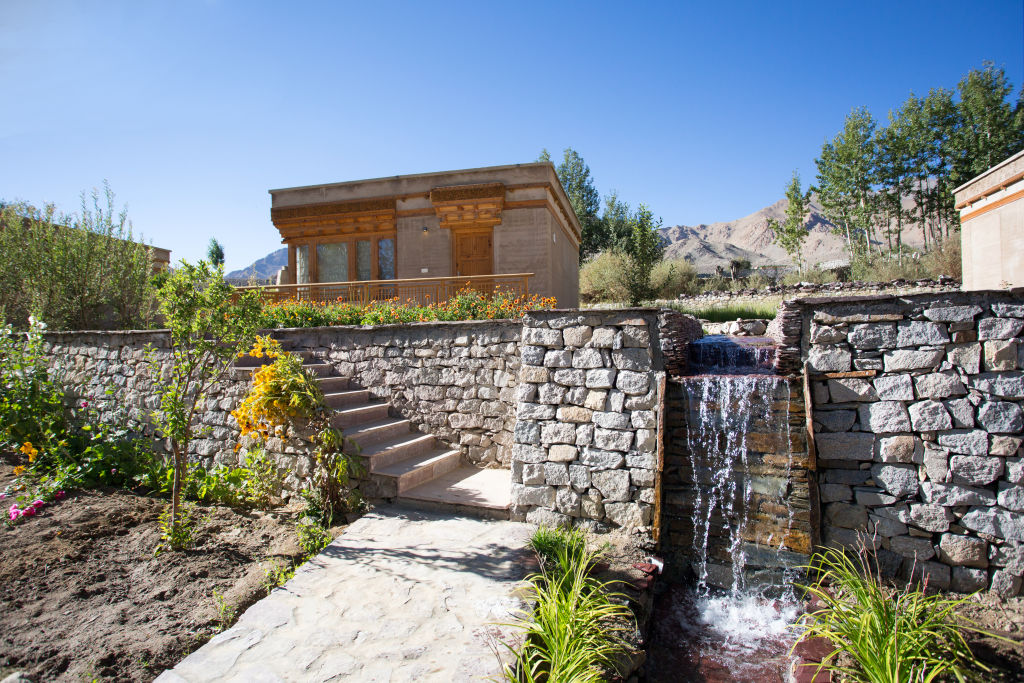
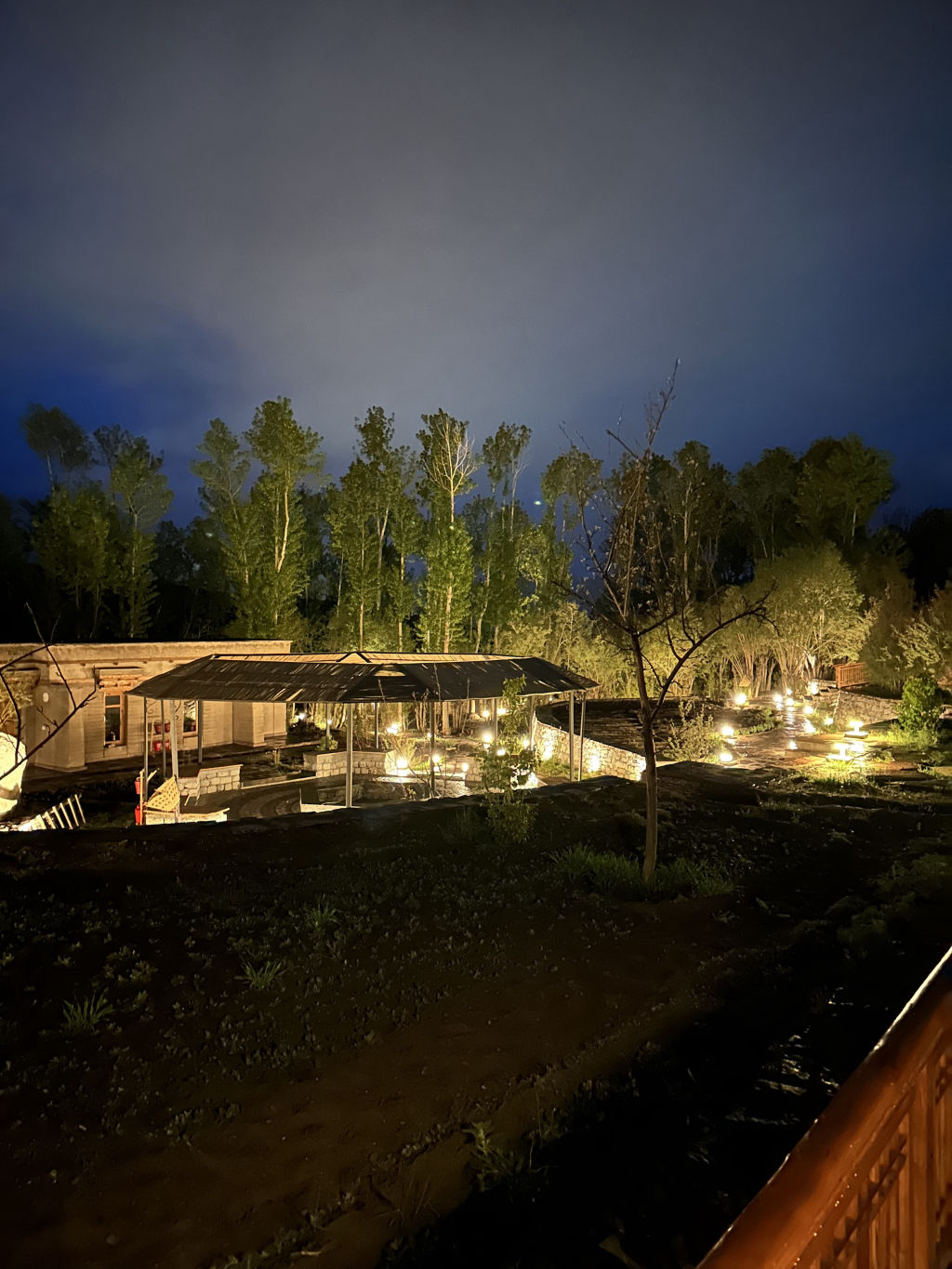
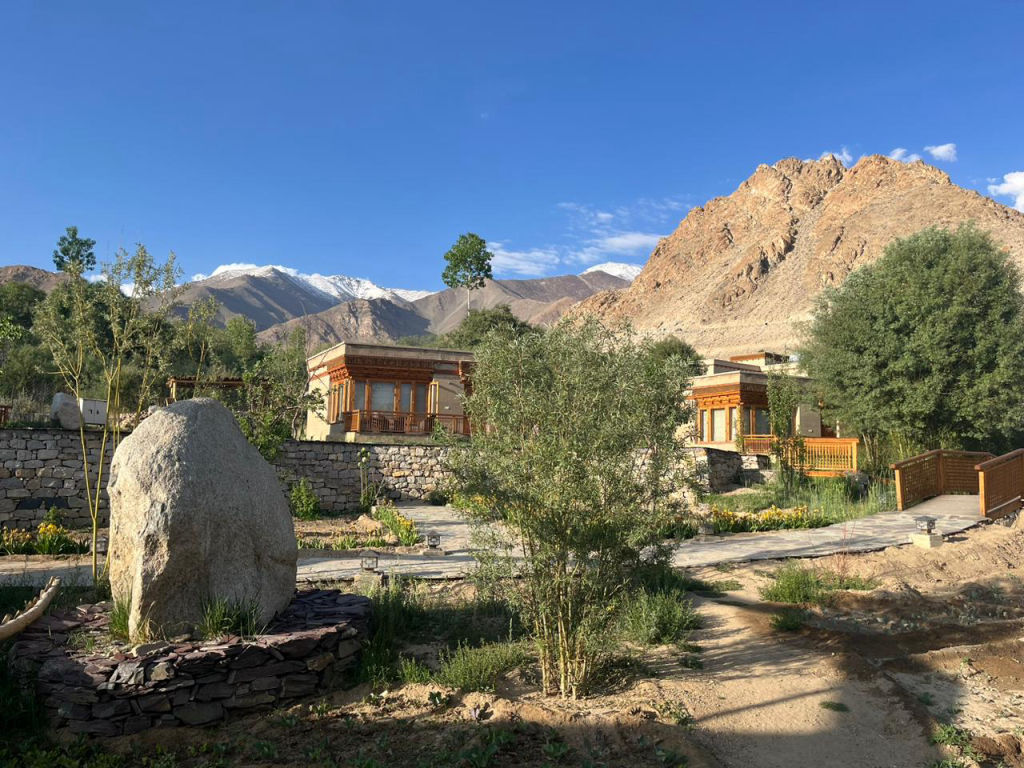
Stays near Shanti Stupa
Book a place to stay close by
More places near Shanti Stupa
Within 20 km
Built from 0 Instagram posts by 0 creators. Every tip links back to the post it came from, and where creators disagree we show both sides.






