
Sebu La
Nature near Yume Samdong, Sikkim
6.2 km from Yume Samdong
The nearest town, for stays, food and fuel.
Sebu La is a remote high-altitude mountain pass situated in the rugged northern reaches of Sikkim. Set against the towering snowscapes of the Eastern Himalayas, it attracts seasoned trekkers and mountain enthusiasts seeking vast, pristine landscapes far off the conventional tourist trail. Travellers venture into this alpine corridor to experience untamed terrain, panoramic views of sweeping glacial ridges, and the raw silence of the high mountains.
Getting there
By road
- From Yume SamdongNearest town16 min · 2.1 km
Typical drive times without traffic. Stations and airports from OLA Maps; distances and typical drive times from OpenStreetMap (© OpenStreetMap contributors); notes from creators' Reels.
About Sebu La
Written with AI from map data and general knowledge. Check prices and timings locally before you go.
About Sebu La and the North Sikkim Landscape
Sebu La sits high in the cold desert country of North Sikkim, where the dramatic slopes of the Eastern Himalayas transition toward the windswept Tibetan plateau. Named for the mountain pass that connects remote valleys in this frontier landscape, Sebu La is defined by sheer scree slopes, glaciated valleys, and wide fields of frost-shattered boulders. The environment is harsh and austere, offering visitors an unvarnished encounter with the power of Himalayan geology.
Unlike the lush green sub-tropical foothills found in southern Sikkim, the country around Sebu La lies above the tree line. The ground here is blanketed by alpine tundra, hardy dwarf shrubs, and sparse lichens clinging to dark granite faces. High peaks rise on every horizon, including the immense mass of Pauhunri further east along the border ridge. The scale of the mountains here dwarfs human presence, making any journey into the pass a deeply grounding outdoor experience.
The Climate and High-Altitude Environment
The atmosphere at Sebu La is thin, crisp, and volatile. At this elevation, the weather can transform rapidly within a single afternoon. Bright blue morning skies often give way to dense mists that sweep up from lower river valleys, and gusting winds are a constant companion across the exposed saddles of the pass.
Temperatures throughout the year remain cool to sub-zero. During the depth of winter, the entire region is locked beneath heavy snowpack, making roads and trails impassable. Even during the peak of summer, night temperatures routinely dip near or below freezing, and early morning frost settles over the moraine gravel. The intense ultraviolet radiation and low air pressure require thorough acclimatisation and physical respect from anyone journeying through the area.
Read more
Best Time to Visit Sebu La
The most practical windows to visit Sebu La are the pre-monsoon months of May and early June, and the post-monsoon period spanning late September through November. In May and June, the deep winter snow begins to melt along the lower trails, alpine streams roar to life, and the valleys display early patches of high-altitude greenery against stark rock.
Autumn, particularly October and November, generally brings the clearest weather of the year. The monsoon rains recede, leaving crisp, transparent air that affords exceptional visibility of the surrounding snow peaks and distant ridges. By late November, winter sets in with biting cold and heavy snowfall, closing mountain routes until the following spring. Travel during the height of the summer monsoon between July and August is generally avoided due to frequent rain, landslides, and cloud cover across North Sikkim's approach roads.
How to Reach Sebu La
Reaching Sebu La involves a multi-stage journey through North Sikkim. The nearest broad travel hubs are Gangtok, the state capital, and the railhead at New Jalpaiguri or the airport at Bagdogra in West Bengal. From Gangtok, travel into North Sikkim follows mountain highways northward through Mangan and Chungthang, where the route splits toward Lachung and Lachen.
Given the significant elevation gain, trips cannot be rushed. Travellers typically spend at least one night acclimatising in settlements like Lachung or Lachen before pressing on toward the higher valleys. Beyond these settlements, roads become rough tracks carved through glacial moraines and rocky riverbanks. Reaching Sebu La requires high-clearance four-wheel-drive vehicles where tracks exist, combined with purposeful trekking along established trails. Because Sebu La lies in a sensitive international border zone, official inner line permits are mandatory for domestic and foreign travellers; requirements must be checked with regional authorities before departure.
Tips for Your Visit to Sebu La
Safety in this region rests on patient acclimatisation and thorough preparation. Acute Mountain Sickness is a real risk when ascending into the alpine heights of North Sikkim. Plan your itinerary to include rest days at intermediate elevations, stay well hydrated, and never ignore early signs of altitude sickness such as headaches or nausea.
Packing requires serious cold-weather layering. A windproof and waterproof outer shell, heavy fleece or down jacket, thermal inner wear, warm gloves, and a fleece beanie are essential year-round. Sturdy, broken-in trekking boots with good ankle support are vital for navigating loose scree and rocky trails. Bring high-protection sunglasses and broad-spectrum sunscreen to guard against strong UV exposure, as well as a personal medical kit and offline maps or trail guides, since mobile connectivity is largely absent in the pass.
Places to Visit Near Sebu La
The high plateaus and valleys surrounding Sebu La contain some of the most remarkable natural landmarks in Sikkim. A short distance away lies Tso Lhamo Lake, one of the highest lakes in India, whose serene turquoise water sits framed by windswept gravel hills. Another historic mountain passage nearby is Dongkya La, offering dramatic vantage points over both Sikkim and the high Tibetan rim.
Further west across the plateau sits Gurudongmar Lake, a sacred high-altitude water body held in deep reverence by Buddhists and Sikhs alike, alongside Gurudwara Nanak Lama Sahib. In the lower valleys to the south, the village of Lachung provides a gentle cultural contrast, home to the historic Lachung Monastery and the rushing Lachung River. Along the drive down toward Chungthang, roadside spectacles such as Bhim Nala Falls tumble through pine forests, showcasing the immense diversity of the region's geography.
Where to Stay Near Sebu La
There are no permanent settlements, hotels, or commercial lodges directly at Sebu La. The delicate environment and extreme altitude mean travellers use base villages situated lower down the valleys for accommodation, such as Lachung or Lachen, venturing upward for day excursions or wilderness trekking.
In these mountain villages, travellers will find local homestays and community-run lodgings that offer warm shelter, traditional hospitality, and hearty home-cooked Himalayan meals. For outdoor enthusiasts planning a trek or exploring the wider valleys of Sikkim, you can discover verified campsites, local homestays, and rustic cabins on HireACamp to suit your travel plans.
Frequently asked questions
Where is Sebu La located?
Sebu La is a high-altitude mountain pass located in North Sikkim, India, set within the Eastern Himalayas near high-altitude landmarks like Tso Lhamo Lake and Dongkya La.
Do I need permits to visit Sebu La?
Yes, because Sebu La lies in a protected frontier border region of North Sikkim, special permits issued by local administrative and tourism authorities are mandatory for all visitors.
What is the best time of year to visit Sebu La?
The most favourable times to visit are during May and early June, and from late September through November, when weather conditions are relatively stable and visibility across the peaks is clearest.
Can you stay overnight at Sebu La?
No commercial accommodation exists at the pass itself. Travellers usually stay in base settlements such as Lachung or Lachen and undertake excursions toward Sebu La from there.
How should travellers prepare for the altitude at Sebu La?
Visitors must spend time acclimatising at lower elevations such as Gangtok and Lachung before ascending, drink plenty of fluids, and carry proper cold-weather gear to manage freezing temperatures and wind chill.
Where you'll be
Sikkim · 1 stay nearby shown with prices
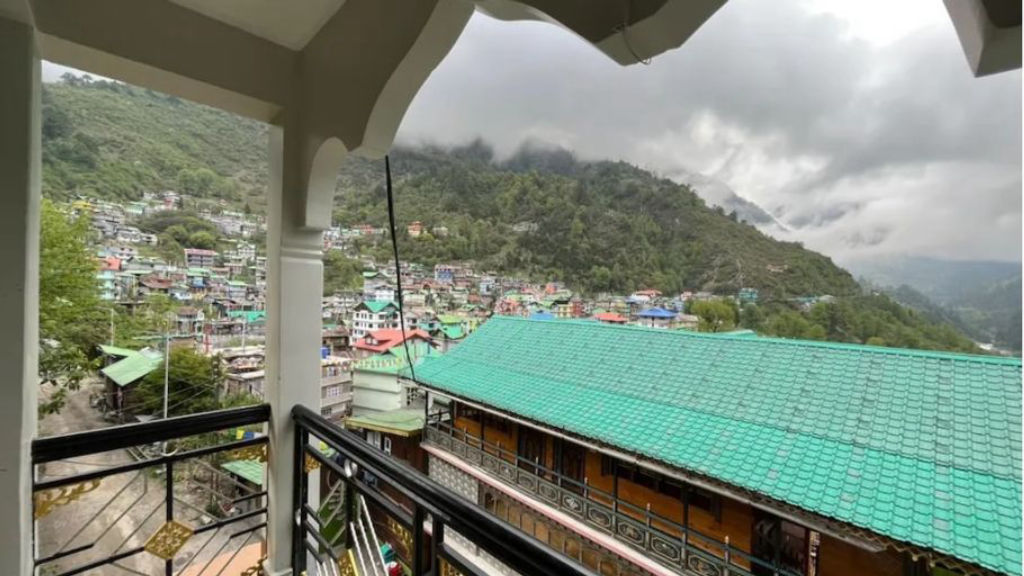
Stays near Sebu La
Book a place to stay close by
More places near Sebu La
Within 20 km
Built from 0 Instagram posts by 0 creators. Every tip links back to the post it came from, and where creators disagree we show both sides.






