
Yumthang Valley
Valley near Yumthang, Sikkim
6.6 km from Yumthang
The nearest town, for stays, food and fuel.
Yumthang Valley is a high-altitude grazing pasture and sanctuary set amidst the Himalayan ranges of North Sikkim. Known widely as the Valley of Flowers of the East, it draws nature enthusiasts, trekkers, and alpine travellers with its sweeping riverbeds, hot springs, and dense rhododendron forests. Flanked by snow-draped mountain peaks, the valley transforms across the seasons from a frozen landscape to a vast carpet of blooming alpine flora.
Getting there
By road
- From YumthangNearest town7 min · 3.5 km
Typical drive times without traffic. Stations and airports from OLA Maps; distances and typical drive times from OpenStreetMap (© OpenStreetMap contributors); notes from creators' Reels.
About Yumthang Valley
Written with AI from map data and general knowledge. Check prices and timings locally before you go.
Understanding Yumthang Valley
Yumthang Valley sits at an elevation where alpine meadows give way to rugged Himalayan ridges in North Sikkim. Carved by the river that meanders through its wide, flat basin, the valley is framed by towering snow-clad peaks that remain glistening for much of the year. Historically used as seasonal grazing grounds by local yak herders, the region maintains an untouched charm characterized by low-lying shrubs, pine-fringed hillsides, and expansive stretches of open gravel and grass.
The valley is home to the Shingba Rhododendron Sanctuary, which protects dozens of species of rhododendrons that thrive in this specialized microclimate. As you approach the valley floor, the landscape widens substantially, offering broad views of Himalayan slopes, melting glaciers feeding glacial streams, and natural thermal springs known to bubble up close to the riverbank.
Things to do in Yumthang Valley
The primary experience in Yumthang Valley is walking along the riverbed and taking in the panoramic views of the surrounding Himalayan mountains. You can stroll through the flat grasslands, sit by the cold waters of the mountain stream, and watch yaks grazing along the banks. During spring, short nature walks through the Shingba Rhododendron Sanctuary offer an intimate look at the dense forest canopy, where vibrant flowers bloom in multiple hues across the hills.
Visitors often spend time exploring the natural hot springs located on the banks of the Yumthang River. A footbridge over the river leads to a covered spring enclosure where geothermal water is piped into pools. The contrast of warm thermal water against crisp mountain air makes it a distinct resting point. Photography is another major pursuit here, with ever-shifting clouds, reflection pools along the river, and dramatic mountain backdrops providing constantly changing light conditions throughout the morning.
Read more
Best time to visit Yumthang Valley
The appearance and character of Yumthang Valley shift dramatically between seasons, making the best time to visit dependent on the kind of landscape you wish to see. Spring, stretching from late March through May, is the most celebrated season. This is when the snow melts from the meadows and the rhododendrons burst into full bloom, covering the hillsides in shades of red, purple, pink, and white. Temperatures during spring remain cool and daytime conditions are generally clear.
Summer through early autumn sees rich green pastures fed by mountain runoff, though late July and August can experience heavy monsoon rains along the approach roads in Sikkim. Late autumn, from October to November, brings crisp air, brilliant blue skies, and very sharp views of the snow peaks before deep winter sets in. From December through February, Yumthang Valley is blanketed in thick snow, with freezing temperatures that turn the river into partial ice, creating an ethereal winter scene for travellers equipped for severe cold.
How to reach Yumthang Valley
Travelling to Yumthang Valley requires a journey into the upper reaches of North Sikkim. The conventional route begins in Gangtok, the state capital, from where vehicles travel northward along mountain roads through towns like Mangan and Chungthang before reaching Lachung. Lachung serves as the overnight staging village for nearly all trips heading up to the valley.
From Lachung, the drive up to Yumthang Valley ascends steadily through pine forests and mountain terrain. Due to the high altitude, road conditions in this sector can vary depending on weather, rainfall, and snow accumulation. Because the area borders sensitive northern frontiers, travel requires inner-line permits and documentation for both Indian and international visitors; travellers should organize these paperwork formalities and vehicle arrangements in advance through local channels.
Places to explore around Yumthang Valley
North Sikkim features an array of high-altitude destinations within driving distance of Yumthang Valley. Further up the road lies Zero Point, also known as Yumesamdong, where the motorable road ends near perennial snow fields and mountain passes. Down the valley towards Lachung, travellers can visit the historic Lachung Monastery, an atmospheric center of Tibetan Buddhism set amid mountain hamlets, and follow the Lachung River along tranquil riverside stretches.
The broader northern region contains remarkable geographical landmarks such as Gurudongmar Lake and Tso Lhamo Lake, both revered high-altitude freshwater bodies set beneath towering peaks like Pauhunri and near Dongkya La pass. On the road between Chungthang and Lachung, scenic waterfalls such as Bhim Nala Falls and Naga Waterfall tumble down sheer cliff faces, providing popular stopovers for travellers journeying through the mountain passes.
Tips for your visit
Given that Yumthang Valley sits at a significant altitude, gradual acclimatization is essential. Staying a night in Lachung before driving up to the valley helps your body adjust to the thinner air. Drink plenty of water and avoid overexertion during walks along the riverbed. Layered clothing is necessary in every season, as mountain winds can cause temperatures to plunge rapidly even when the sun is out.
Weather in North Sikkim changes swiftly, and afternoon clouds often bring rain, mist, or snow flurries. It is best to start your journey from Lachung early in the morning so you have clear skies and ample light while exploring the valley. Keep cash handy, as digital payments and mobile network connectivity can be unreliable in high-altitude zones. Finally, respect the fragile alpine ecosystem by carrying all waste back with you and avoiding the plucking of rare wildflowers.
Where to stay near Yumthang Valley
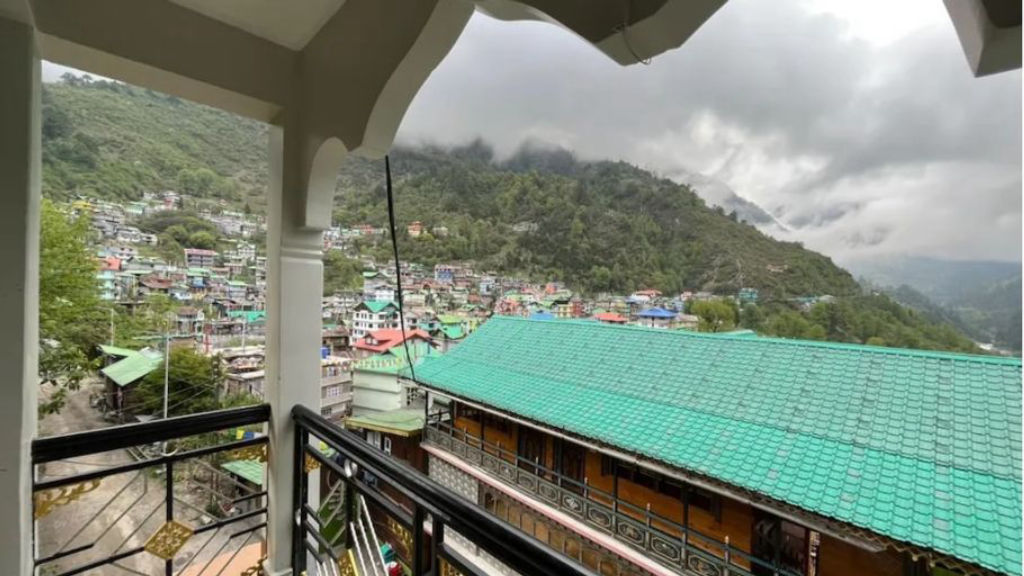
Because Yumthang Valley is an ecologically sensitive sanctuary zone, overnight commercial accommodations are not located directly on the valley floor. Most travellers stay in the picturesque village of Lachung, located down the valley, where traditional wooden houses, mountain homestays, and rustic guesthouses offer warmth, hot meals, and a look at local mountain hospitality.
For those seeking outdoor stays, riverside setups, or traditional family homestays nestled in the pine-covered valleys of North Sikkim, you can discover and reserve curated stays on HireACamp to suit your travel itinerary.
Frequently asked questions
Do I need a special permit to visit Yumthang Valley?
Yes, because Yumthang Valley is located in a protected border region of North Sikkim, special permits are mandatory for both Indian citizens and foreign nationals. These permits should be arranged locally in Gangtok or through your local transport provider with valid identification.
Can I stay overnight in Yumthang Valley?
Overnight stays are generally not permitted inside the valley itself due to sanctuary conservation rules and lack of permanent infrastructure. Visitors stay in the nearby settlement of Lachung and make a day excursion up to Yumthang Valley.
When can I see the rhododendrons in bloom at Yumthang Valley?
The rhododendrons typically bloom between late March and mid-May, with peak flowering usually occurring in April when the hillsides turn vibrant with colors.
Is acute mountain sickness a risk at Yumthang Valley?
Yes, because the valley is located at high altitude, visitors may experience mild symptoms of altitude sickness such as headaches or shortness of breath. Spending a night in Lachung before ascending and staying well hydrated helps with acclimatization.
Does it snow in Yumthang Valley?
Yes, the valley receives heavy snowfall during the winter months from December to February, often transforming the entire terrain into a thick winter snowscape.
Where you'll be
North Sikkim, Sikkim - West · 1 stay nearby shown with prices
Stays near Yumthang Valley
Book a place to stay close by
More places near Yumthang Valley
Within 20 km
Built from 0 Instagram posts by 0 creators. Every tip links back to the post it came from, and where creators disagree we show both sides.






