
Shingba Rhododendron Sanctuary
Wildlife sanctuary near Yumthang, Sikkim
5.8 km from Yumthang
The nearest town, for stays, food and fuel.
Located in the scenic upper stretches of North Sikkim near Lachung, Shingba Rhododendron Sanctuary is an alpine nature reserve celebrated for its rich floral wealth and dramatic mountain setting. Hemmed in by soaring Himalayan ridgelines and nourished by high-altitude streams, the reserve protects dozens of indigenous rhododendron varieties along with diverse alpine shrubs. Travellers and naturalists journey here primarily during the spring months to witness the sanctuary floor transform into a vibrant canvas of blossoms.
Getting there
By road
- From YumthangNearest town7 min · 3.5 km
Typical drive times without traffic. Stations and airports from OLA Maps; distances and typical drive times from OpenStreetMap (© OpenStreetMap contributors); notes from creators' Reels.
About Shingba Rhododendron Sanctuary
Written with AI from map data and general knowledge. Check prices and timings locally before you go.
About Shingba Rhododendron Sanctuary
Shingba Rhododendron Sanctuary occupies a breathtaking stretch of the Yumthang Valley in North Sikkim. Rising through elevations well above three thousand metres, this protected sanctuary encompasses pristine riverbeds, meadows, and forested slopes framed by snow-clad peaks. The Lachung River flows close to its borders, carving a path through the valley and sustaining a fragile high-altitude ecosystem.
The sanctuary was established specifically to preserve the native rhododendron species of the Eastern Himalayas. Sikkim is home to a significant proportion of the world's rhododendron varieties, and Shingba holds an impressive concentration within a relatively compact valley area. Among these is Rhododendron niveum, the state tree of Sikkim, which finds a natural haven here alongside various endemic subalpine flora.
Flora and wildlife at Shingba
The primary highlight of the sanctuary is its botanical diversity. Over forty distinct species, subspecies, and varieties of rhododendrons flourish here, ranging from sprawling tree-sized shrubs to compact ground-hugging alpine plants. In addition to rhododendrons, the landscape supports alpine meadows filled with primulas, gentians, potentillas, and Himalayan blue poppies that emerge during the warmer months.
While plants dominate the sanctuary's reputation, the dense forest cover and subalpine scrub also provide refuge to secretive Himalayan fauna. Birdwatchers can spot high-altitude species such as the blood pheasant, the Himalayan monal, rosefinches, and laughingthrushes. Mammals adapted to cold mountain climes, including the red panda, serow, musk deer, and occasionally Himalayan black bears, roam the surrounding forests and adjoining ridges, though sightings require patience and quiet observation.
Read more
Best time to visit Shingba Rhododendron Sanctuary
Timing is crucial when planning a visit to Shingba Rhododendron Sanctuary. The sanctuary's headline attraction, the blooming of rhododendrons, typically takes place from late April through early June. During this window, the hillsides change from bare winter tones to sweeping washes of red, magenta, pink, and pale yellow. Daytime temperatures during late spring are relatively mild, though evenings remain cold.
Autumn, from October to late November, is another rewarding window for travellers who appreciate crisp air and clear skies. While the flowering season is over, the surrounding peaks are often visible with striking clarity, and the larch and shrub foliage takes on warm autumnal hues. From December to March, heavy winter snowfall frequently buries the valley and closes mountain roads. The monsoon months of July and August bring heavy downpours, thick mist, and frequent landslides in North Sikkim, making travel during peak rains challenging.
How to reach Shingba Rhododendron Sanctuary
Reaching Shingba Rhododendron Sanctuary involves a journey into the upper reaches of North Sikkim. Most journeys begin from Gangtok, the state capital, which is connected by mountain roads to regional transit hubs such as Siliguri, Bagdogra Airport, and New Jalpaiguri railway station in West Bengal.
From Gangtok, travellers drive northward through Chungthang to reach the mountain settlement of Lachung, which serves as the traditional overnight halt. The drive from Gangtok to Lachung navigates winding mountain terrain alongside deep gorges and waterfalls. From Lachung, an uphill drive leads directly into the Yumthang Valley and through Shingba Rhododendron Sanctuary. Due to high altitude, changing weather, and challenging road surfaces, journeys in this region are almost exclusively undertaken in sturdy high-clearance vehicles.
Places to visit around Shingba
A trip to Shingba Rhododendron Sanctuary naturally pairs with exploring the wider landscape of North Sikkim. Just down the valley lies the village of Lachung, famous for its wooden houses, peaceful orchards, and the historic Lachung Monastery, an enduring cultural centre set against towering cliffs.
Heading further along the main valley corridor, travellers encounter the Lachung River meandering through grassy flats. Further down the highway towards Chungthang are impressive cascades, including Bhim Nala Falls and Naga Waterfall, both of which rush down steep rock faces directly alongside the mountain road.
For those venturing into the extreme high-altitude plateau further north, the landscape transitions into barren trans-Himalayan wilderness. High-altitude landmarks such as Gurudongmar Lake, Tso Lhamo Lake, and Khangchung Lake showcase turquoise waters fed by glacial melt beneath peaks like Pauhunri and high crossings such as Dongkya La. Travellers visiting the Gurudongmar region also stop at Gurudwara Nanak Lama Sahib, an important high-altitude shrine.
Tips for your visit
Because Shingba sits at a high elevation, altitude sickness is a genuine consideration. Visitors travelling up from Gangtok should spend a night in Lachung to acclimatise before continuing into the higher reaches of the sanctuary. Staying well hydrated, resting adequately, and avoiding sudden physical overexertion will help ease the adjustment.
Weather conditions in the Eastern Himalayas can shift rapidly. Even in May, sudden showers, sleet, or sharp drops in temperature are common, so dressing in warm, breathable layers with a waterproof outer shell is essential. Sturdy walking shoes with good tread are recommended for walking on damp trails and rocky terrain.
North Sikkim is an environmentally sensitive border district. Protected Area Permits are mandatory for both Indian and international travellers visiting this region, so ensure all permit formalities are sorted in advance with local authorities or your travel coordinators. Mobile networks can be erratic or completely absent beyond Lachung, and electronic payment options are limited, so carry sufficient local currency.
Where to stay near Shingba Rhododendron Sanctuary
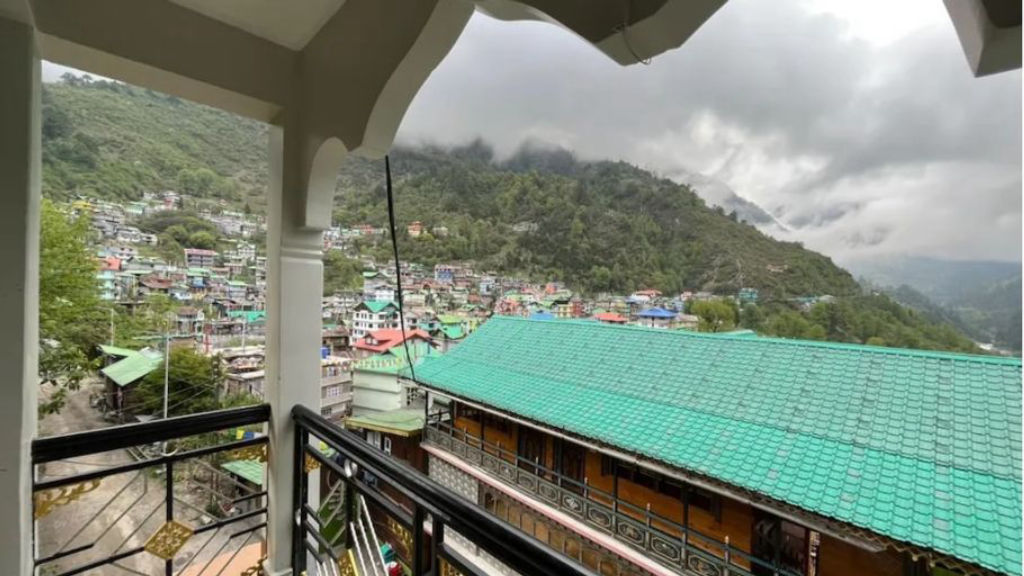
There are no permanent settlements or accommodations located directly inside the boundaries of the sanctuary, as the reserve is protected to conserve fragile plant life. Travellers visiting the valley establish their base in the nearby riverside town of Lachung, which sits a short drive south.
Lachung offers a range of options, including cosy mountain homestays, guesthouses, and scenic riverside camps. Stays in and around Lachung can be explored and booked through HireACamp, giving you an authentic experience of local Sikkimese hospitality close to the high valley.
Frequently asked questions
What is Shingba Rhododendron Sanctuary famous for?
The sanctuary is celebrated for its dense concentration of over forty species and varieties of rhododendrons, which bloom vibrantly across the valley floor in spring, alongside rare alpine wildlife and high-altitude Himalayan birds.
Do I need a special permit to visit Shingba Rhododendron Sanctuary?
Yes, because the sanctuary is situated in North Sikkim close to international borders, all visitors must obtain a Protected Area Permit from local administrative offices or through registered travel coordinators before travelling past Chungthang.
Which month has the best rhododendron blooms at Shingba?
The best window to see the blooms is between late April and late May or early June, when warmer temperatures encourage the various rhododendron and primula species to flower across the hillsides.
Can I stay inside Shingba Rhododendron Sanctuary?
No overnight accommodations exist within the protected sanctuary itself. Visitors generally stay in traditional homestays, guesthouses, or nature camps in the nearby town of Lachung, which can be booked on HireACamp.
How cold does it get at Shingba Rhododendron Sanctuary?
Temperatures remain cool even in spring, with daytime highs around ten to fifteen degrees Celsius and night temperatures dropping close to freezing. In winter, the area is blanketed in snow and temperatures stay well below freezing.
Where you'll be
1 stay nearby shown with prices
Stays near Shingba Rhododendron Sanctuary
Book a place to stay close by
More places near Shingba Rhododendron Sanctuary
Within 20 km
Built from 0 Instagram posts by 0 creators. Every tip links back to the post it came from, and where creators disagree we show both sides.






