
Sajwar
Destination in Himachal Pradesh
Sajwar is a quiet mountain settlement set amidst the pine-covered ridges of Himachal Pradesh, located just below the dramatic ridgelines of Jalori Pass. Known for its traditional wooden architecture, terraced farmland, and cool mountain air, the village offers a restful escape from busy highway corridors. Travellers visit Sajwar to experience unhurried Himalayan village life, walk along forested trails, and explore the scenic borderland between the Seraj and Tirthan valleys.
Getting there
By road
- From Chandigarh6 hr 10 min · 233 km
- From Ludhiana6 hr 45 min · 263 km
- From Amritsar8 hr 15 min · 375 km
- From Dehradun9 hr 45 min · 404 km
By train, bus or air
- Bus Stand (ISBT), MandiNearest bus stand1 hr 25 min · 76 km
- Bhuntar AirportNearest airport1 hr · 61 km
Typical drive times without traffic. Places, distances and typical drive times from OLA Maps; notes from creators' Reels.
Sajwar Day Trip
A practical one-day itinerary connecting Jalori Pass, Tirthan Valley Road, and the quiet meadows of Shangarh Valley near Sajwar.
Pass to Valley Explorer
Best for travellers wanting scenic high-altitude viewpoints and peaceful valleys in a single day
Day 1
Mountain Pass and Valleys
morning
Jalori PassAbout 1 hr 30 min
Located roughly 295 km from Chandigarh, taking about 7 to 8 hours of travel time.
midday
Tirthan Valley RoadAbout 2 hr · 12 km from the last stop
Tirthan Valley is approximately 280 km from Chandigarh, taking about 6 to 7 hours to reach.
afternoon
Shangarh valleyAbout 2 hr · 14 km from the last stop
An offbeat location known for seeing relatively few visitors.
- Shangarh is an offbeat spot with limited tourist footfall, making it suitable for a quiet visit.
- When travelling from Chandigarh, plan for 6 to 7 hours to reach Tirthan Valley (280 km) and 7 to 8 hours to Jalori Pass (295 km).
Visit lengths are suggestions; distances are straight-line between stops.
About Sajwar
Written with AI from map data and general knowledge. Check prices and timings locally before you go.
The Mountain Setting of Sajwar
Perched among the temperate woodlands of Himachal Pradesh, Sajwar is defined by steep forested slopes, traditional Himachali homes, and rolling orchards. The village sits close to the dividing ridge that separates the inner and outer Seraj regions, giving it a distinctive mountain climate where dense deodar, blue pine, and oak forests frame views of distant snow-streaked ridges.
Unlike larger tourist hubs in the state, Sajwar retains a relaxed, working-village rhythm. Terraced plots step down the hillsides, fed by mountain streams and tended by local families who cultivate seasonal vegetables and fruit. The atmosphere here is shaped by alpine breezes, the scent of woodsmoke and pine resin, and expansive skies that shift quickly from clear blue to misty shrouds.
Things to Do in Sajwar
Spending time in Sajwar is primarily about slowing down and connecting with nature. A gentle walk along the village footpaths reveals traditional Kath-Kuni style architecture, where alternating layers of timber and stone create sturdy homes designed to withstand earthquakes and harsh mountain weather. Observing everyday agrarian routines and chatting with welcoming residents offers a genuine glimpse into the cultural heritage of the Kullu and Mandi border districts.
For outdoor enthusiasts, the forests ringing the village feature several winding foot trails. Birdwatchers often spot Himalayan monals, western tragopans, flycatchers, and nuthatches moving through the deodar canopy. Finding a peaceful spot near a hillside vantage point or spending an afternoon reading beside an orchard allows visitors to truly absorb the quiet rhythms of the mountains without checking the clock.
Read more
Day Trips and Excursions Around Sajwar
Thanks to its strategic position, Sajwar serves as a convenient launchpad for several prominent attractions in the region. Just about four kilometres away lies Jalori Pass, a high-altitude mountain crossing that commands panoramic views of the Pir Panjal and Great Himalayan ranges. From the pass, well-trodden paths lead to the ancient Sareolsar Lake and the historic ruins of Raghupur Fort, both making for memorable day hikes across high alpine pastures.
A short journey of roughly seven kilometres brings you to Gadagushaini, a pastoral village situated along the banks of a clear stream, offering lush meadows and charming rural trails. Around nine kilometres away, travellers can join the Tirthan Valley Road, following the meandering course of the cold, trout-filled Tirthan River toward angling spots and traditional hamlets.
Further outward, roughly twenty-three kilometres from Sajwar, lies the expansive Shangarh valley, famous for its sweeping green meadows and the intricate wood-carved Shangchul Mahadev Temple. Nature lovers can also venture toward the buffer areas of the Great Himalayan National Park, located about twenty-nine kilometres away, where UNESCO-protected wilderness and pristine eco-zones offer world-class trekking.
Best Time to Visit Sajwar
Sajwar is a seasonal destination where each period of the year brings a distinct landscape and mood. Spring and summer, stretching from April to June, offer the most pleasant weather. Daytime temperatures remain comfortable, forest trails are dry and accessible, and vibrant wildflowers dot the slopes, making this the peak period for hiking and sightseeing around Jalori Pass.
The monsoon months of July and August bring heavy downpours that turn the hillsides exceptionally green. However, mountain roads in the area are prone to landslides and surface washouts during this time, so travellers visiting in the rainy season should monitor weather bulletins and travel with caution. Autumn arrives in September and lasts through November, bringing crisp air, crystal-clear skies, and exceptional visibility for viewing distant peaks.
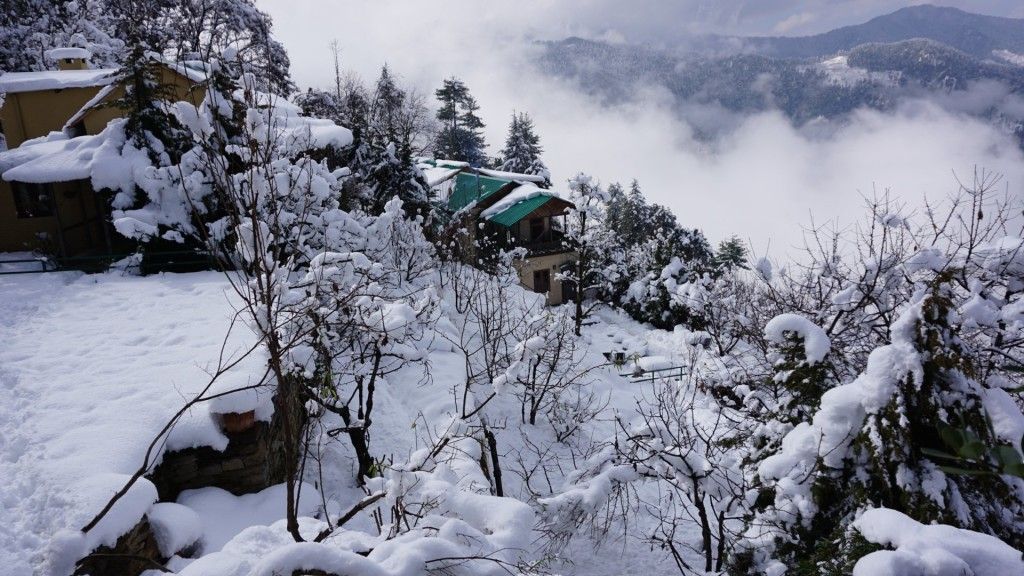
Winter, running from December through February, brings freezing temperatures and heavy snow to the higher ridges. Jalori Pass frequently closes under thick blankets of snow, and while Sajwar can receive snowfall that transforms the landscape into a white wonderland, road access can become challenging. Winter visits require warm layered clothing and reliable transport.
How to Reach Sajwar
Sajwar is connected to the wider northern road network through state and national highways cutting through Himachal Pradesh. Most travellers drive up from the plains via Chandigarh, covering roughly 232 kilometres in an estimated driving time of 6 hours and 10 minutes under typical, traffic-free conditions. From Ludhiana, the drive is about 263 kilometres and takes approximately 6 hours and 40 minutes.
If you are travelling from Amritsar, expect a journey of about 375 kilometres taking around 8 hours and 20 minutes. Visitors coming from Dehradun face a route of roughly 404 kilometres, which usually requires about 9 hours and 40 minutes behind the wheel. From New Delhi, the distance is around 491 kilometres, translating to a drive of roughly 10 hours and 20 minutes. Because mountain driving conditions can change due to weather, road maintenance, and local terrain, actual travel times often run longer than these estimates.
Where to Stay in Sajwar
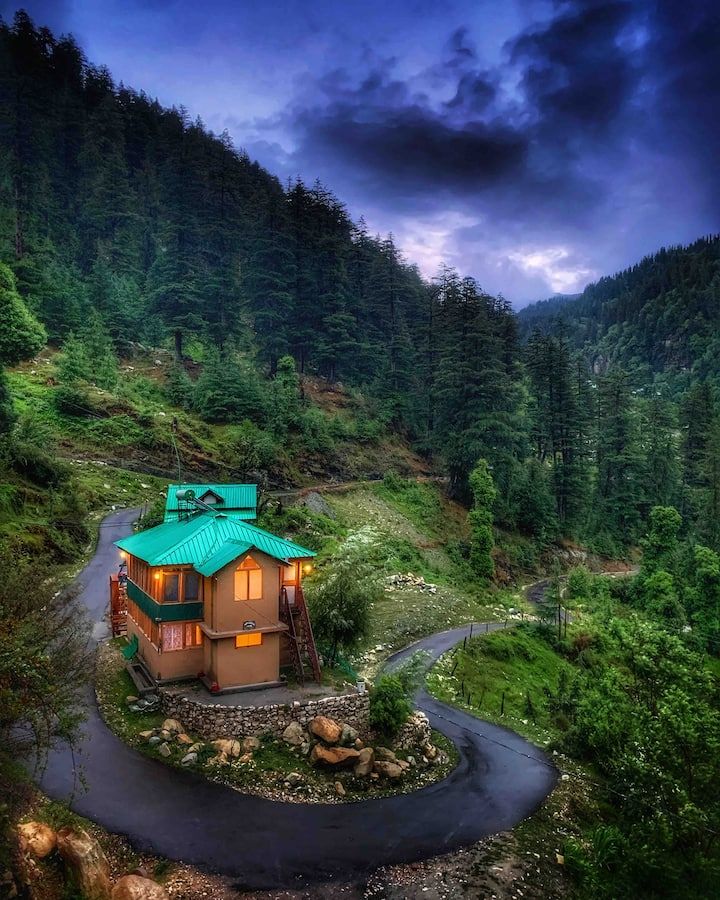
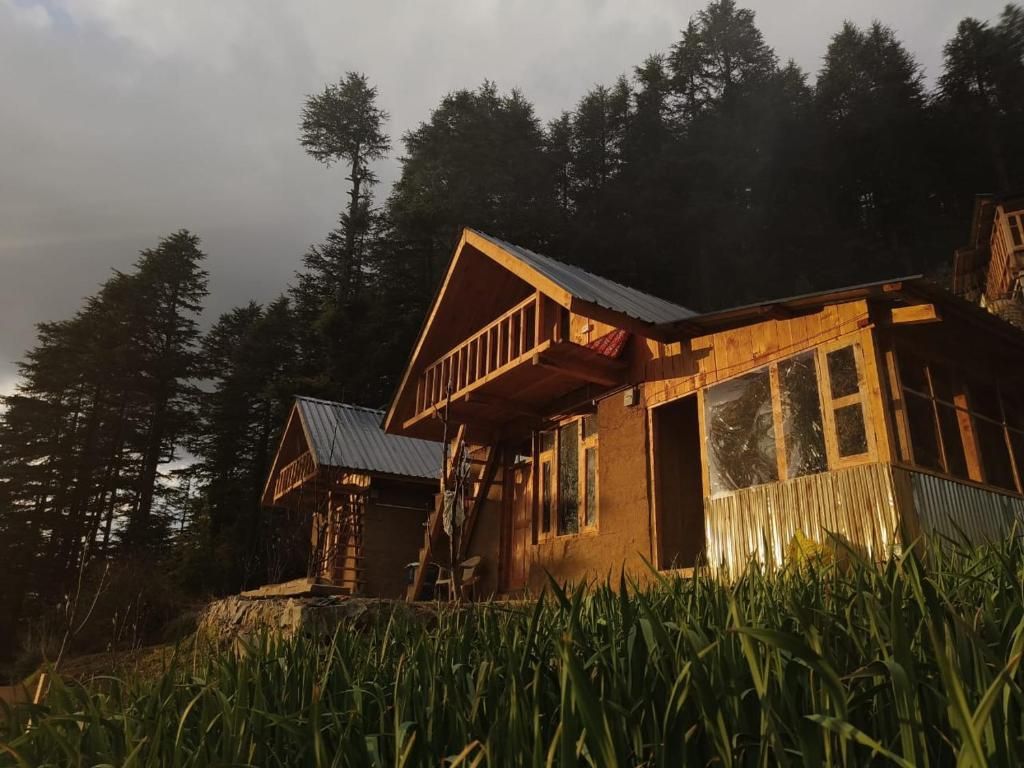
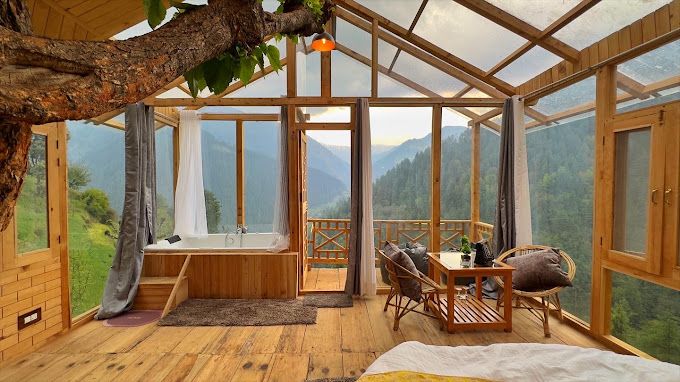
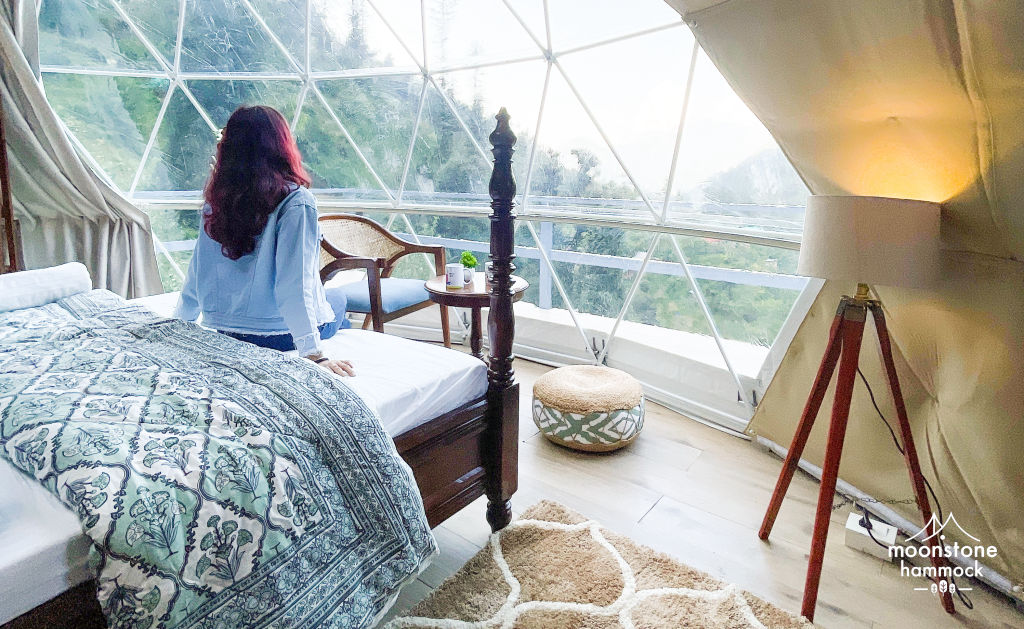
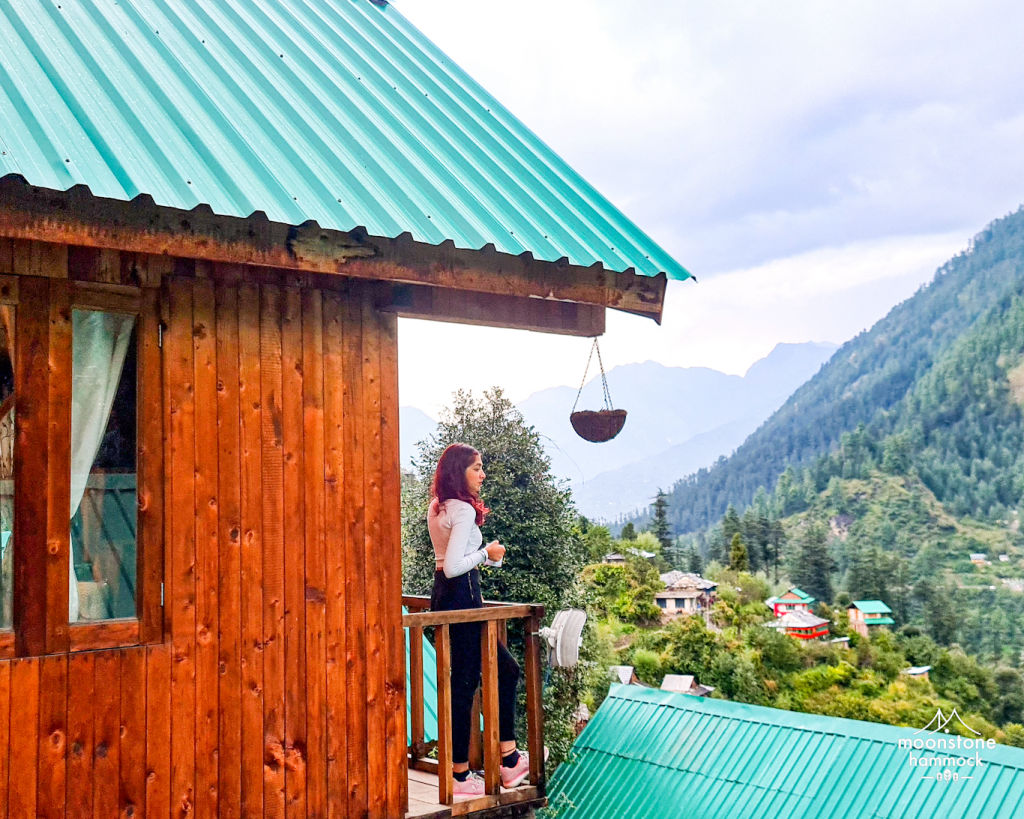
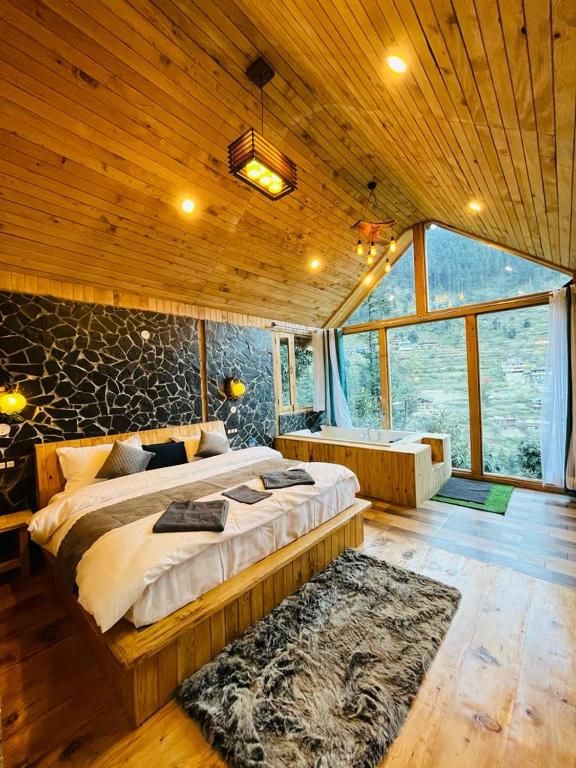
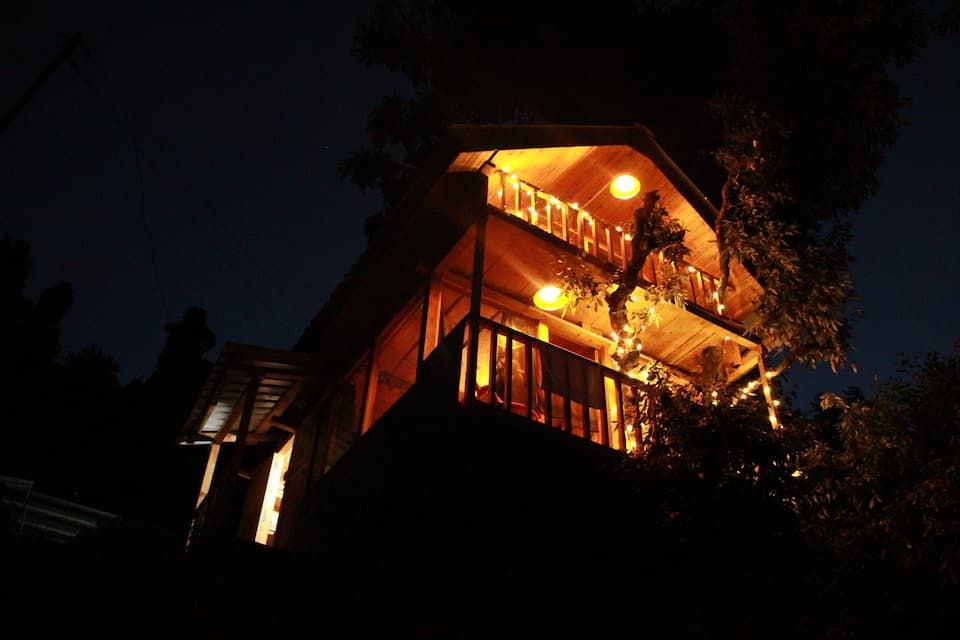
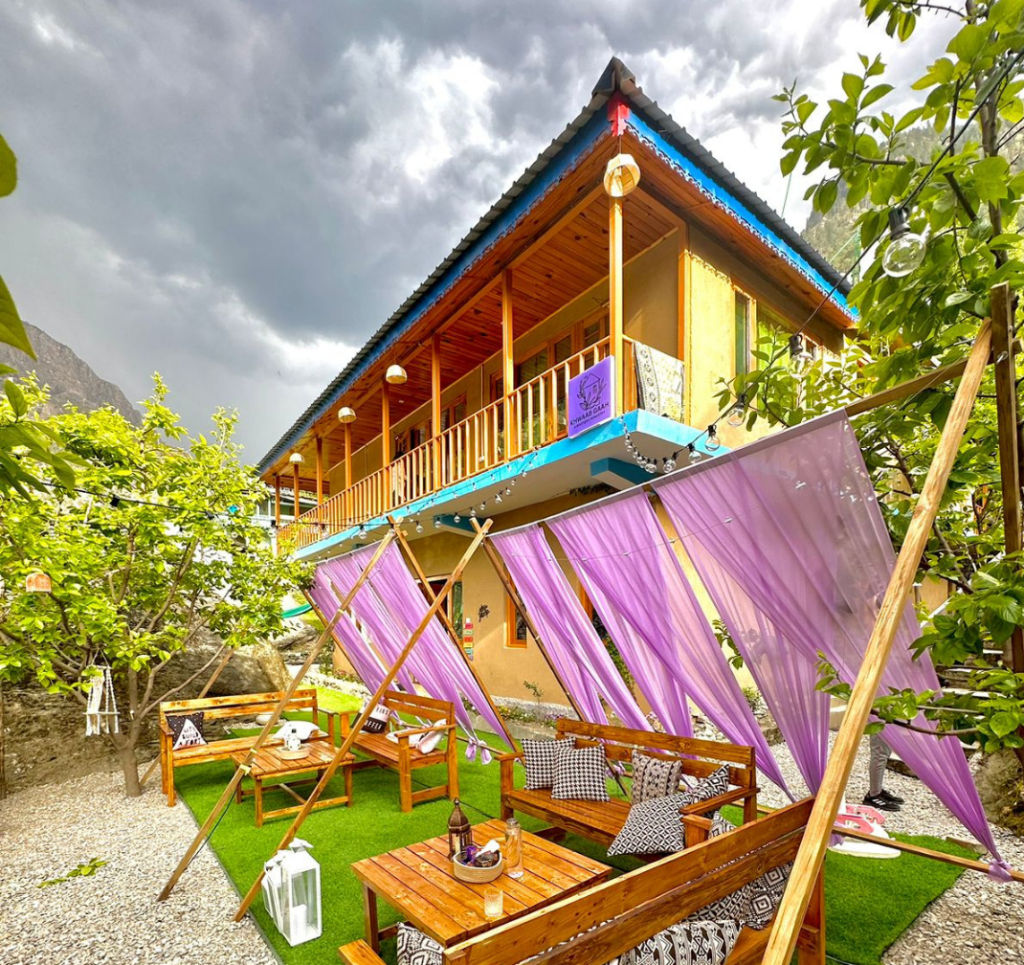
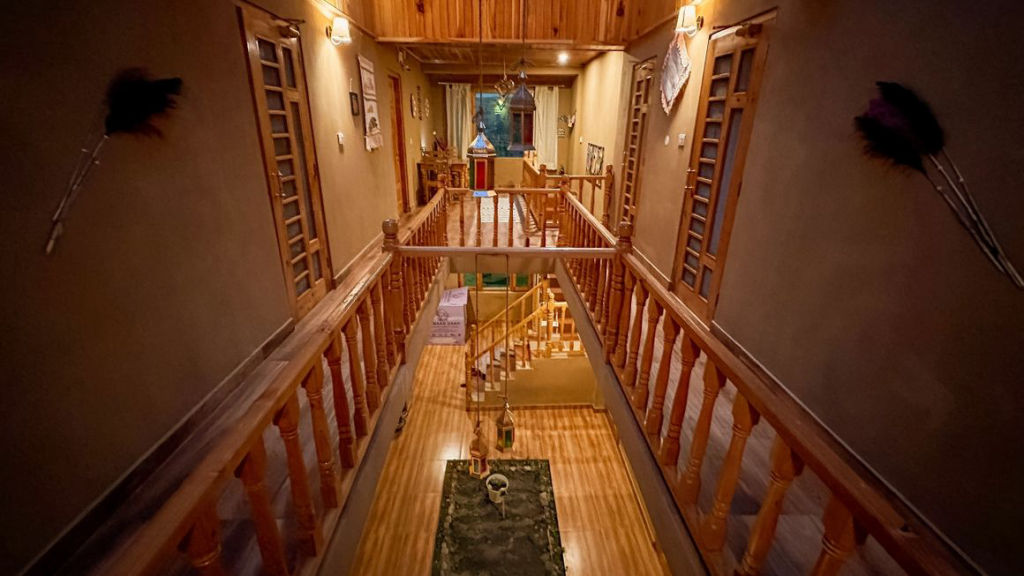
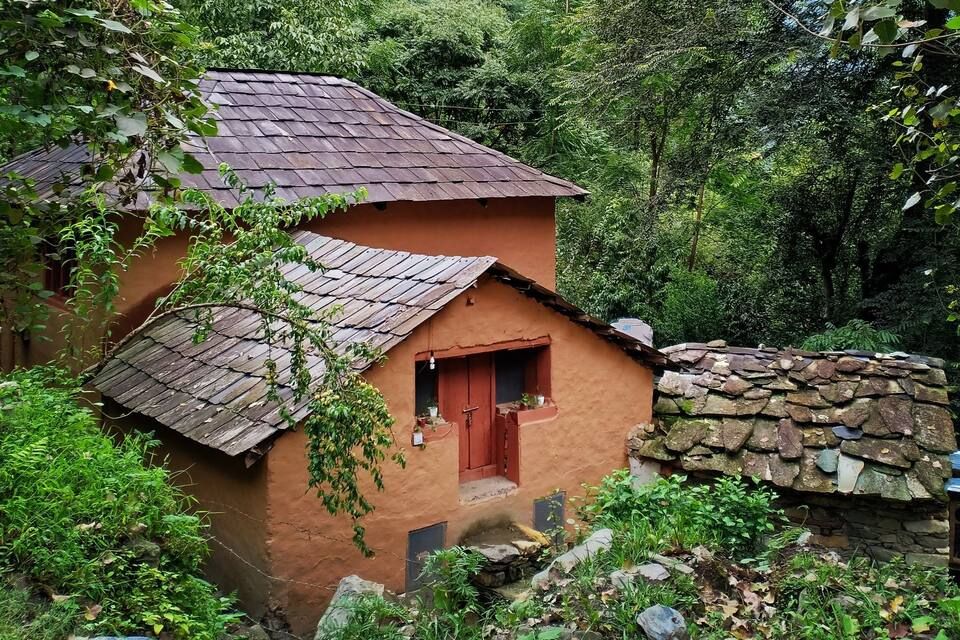
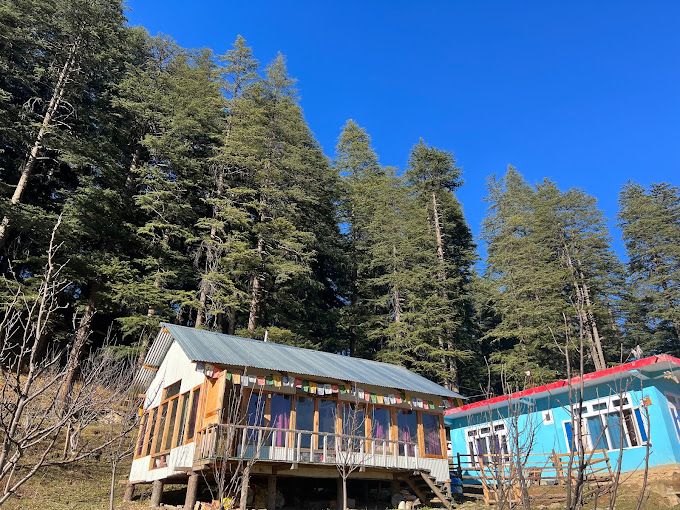
Accommodation around Sajwar focuses on immersive, low-impact hospitality that reflects local character. Visitors can find charming village homestays, riverside cabins, and open-air camps set across the nearby countryside, allowing guests to fall asleep under starlit skies and wake up to forest birdsong. You can find and book homestays, camps, and unique outdoor stays near Sajwar on HireACamp.
Staying in a regional homestay provides direct support to local village households while giving travellers access to home-cooked Himachali meals prepared using seasonal vegetables, local lentils, and fresh mountain grains. Whether you prefer an apple orchard campsite or a traditional wooden room overlooking the valley, booking in advance is advised during the peak summer and autumn seasons.
Tips for Your Visit to Sajwar
Because Sajwar is situated in a high-altitude belt, evening temperatures can plunge rapidly even during the summer months. Always pack a windproof fleece, sturdy thermal layers, and a warm hat regardless of when you travel. If you plan to hike trails toward Jalori Pass or surrounding ridges, bring well-broken-in trekking shoes with strong grip to handle loose scree and forest mulch.
ATM facilities and digital payment connectivity can be sporadic in small mountain hamlets, so carrying adequate cash for daily expenses, fuel, and local purchases is essential. Drive carefully on narrow mountain roads, give way to uphill traffic, and respect local customs when visiting village shrines and sacred forest groves by removing footwear and seeking guidance before photographing sensitive areas.
Frequently asked questions
What is Sajwar known for?
Sajwar is known for its serene rural atmosphere, traditional Himachali timber architecture, and close proximity to Jalori Pass and the Tirthan Valley region.
How far is Jalori Pass from Sajwar?
Jalori Pass is situated roughly four kilometres from Sajwar, making the village an ideal base for exploring the pass and nearby walking trails.
Does it snow in Sajwar?
Yes, Sajwar and the surrounding high ridges regularly receive snowfall during the winter months from late December through February.
Can I visit Great Himalayan National Park from Sajwar?
Yes, the Great Himalayan National Park is located about twenty-nine kilometres away, making day excursions and access to its buffer trails practical.
What are the road travel times to Sajwar?
Under traffic-free conditions, driving to Sajwar typically takes about 6 hours and 10 minutes from Chandigarh and about 10 hours and 20 minutes from New Delhi.
Where you'll be
12 stays nearby shown with prices
Stays near Sajwar
Book a place to stay close by
Things to do in Sajwar
48 places creators recommend within 30 km


Built from 0 Instagram posts by 0 creators. Every tip links back to the post it came from, and where creators disagree we show both sides.






