
Shikari Wildlife Sanctuary
Wildlife sanctuary near Nihri, Himachal Pradesh
9.5 km from Nihri
The nearest town, for stays, food and fuel.
Shikari Wildlife Sanctuary is a protected high-altitude forest reserve situated around the Shikari Devi ridge in the Mandi district of Himachal Pradesh. Known for its rugged mountain terrain, dense temperate woods, and panoramic views of the surrounding Himalayan ranges, the sanctuary attracts trekkers, nature lovers, and pilgrims. Visitors travel here to experience secluded forest trails and to visit the revered roofless shrine of Shikari Devi perched atop the peak.
Getting there
By road
- From NihriNearest town3 hr 20 min · 101 km
- From Chandigarh6 hr 5 min · 235 km
- From Ludhiana6 hr 30 min · 264 km
- From Amritsar8 hr 35 min · 375 km
Typical drive times without traffic. Stations and airports from OLA Maps; distances and typical drive times from OpenStreetMap (© OpenStreetMap contributors); notes from creators' Reels.
About Shikari Wildlife Sanctuary
Written with AI from map data and general knowledge. Check prices and timings locally before you go.
About Shikari Wildlife Sanctuary
Shikari Wildlife Sanctuary spans an impressive tract of high-altitude forest in the lower Himalayan ranges of Himachal Pradesh, with the settlement of Nihri serving as the closest local hub. The sanctuary derives its name from Shikari Devi, the mountain goddess worshipped at the ridge top temple that has stood open to the skies for centuries. According to regional legend, the shrine remains uncovered despite severe winter snowstorms, adding a deep spiritual significance to the rugged natural landscape.
The topography is characterized by steep ridges, undulating alpine meadows, and deep valleys covered in thick canopy. Forest types shift with elevation, transitioning from mixed broadleaf species to dense stands of deodar, blue pine, fir, and rhododendron. During spring and early summer, the understory blooms with wildflowers, creating a stark contrast against the dark evergreen forest. The high elevation provides commanding, uninterrupted vistas of snow-capped peaks across the Pir Panjal and Great Himalayan ranges on clear days.
Flora and Fauna of the Sanctuary
The protected environment of Shikari Wildlife Sanctuary provides shelter to a wide range of Himalayan wildlife adapted to temperate and alpine conditions. The dense forest cover and sparse human interference make it a vital habitat for mammals such as the Himalayan black bear, barking deer, musk deer, leopard, goral, and the langur. During quieter hours along forest trails, hikers occasionally encounter wildlife moving between the lower valleys and higher grazing slopes.
Birdlife within the sanctuary is equally rich and diverse, making the area popular among birdwatchers. The sanctuary provides nesting and foraging territory for colorful pheasants, including the Western tragopan, monal, and koklass pheasant. Raptors like the golden eagle and Himalayan griffon can often be seen riding thermals over the rocky crests, while songbirds, thrushes, and woodpeckers animate the dense deodar woods below.
Read more
Trekking and Outdoor Activities
Trekking is the primary way to explore Shikari Wildlife Sanctuary. Several walking trails wind through the reserve, ranging from day walks originating from nearby villages to extended ridge hikes connecting across valleys. The walk up to the Shikari Devi ridge takes hikers through tranquil stretches of pine, oak, and deodar before breaking out onto sweeping alpine meadows where cold winds sweep across the exposed crest.
Beyond hiking, the sanctuary is well suited for outdoor photography and nature study. The varied light conditions filtering through the canopy, seasonal changes in forest foliage, and long-range vistas across mountain valleys provide compelling subjects throughout the day. Stargazing is another highlight for visitors staying nearby, as the absence of large urban settlements keeps the night skies exceptionally dark and clear.
Best Time to Visit
The best time to visit Shikari Wildlife Sanctuary is from April to June and again from September to November. During spring and early summer, daytime weather is pleasant, daytime temperatures remain moderate, and forest trails are generally dry and easy to navigate. Rhododendrons and alpine flora bloom across the slopes, bringing bright colors to the hillsides.
Autumn brings crisp air, minimal haze, and exceptionally clear views of the distant snowy ranges, making October and November ideal for trekking and photography. The monsoon months of July and August bring heavy rains, increasing the likelihood of slippery trails, fallen debris, and road disruptions in the surrounding hills. Winter transforms the sanctuary into a snowbound landscape, usually from late December through March, attracting cold-weather trekkers but requiring careful local checks regarding trail accessibility and road conditions.
How to Reach Shikari Wildlife Sanctuary
Shikari Wildlife Sanctuary can be approached via motorable roads winding through the Mandi and Seraj valleys of Himachal Pradesh, with the village of Nihri serving as the nearest local reference point. Most journeys begin from larger hubs such as Mandi, Sundernagar, or Shimla, where state highways and local mountain routes lead towards the base roads connecting up to the sanctuary trails.
From the end of the motorable tracks, visitors must travel on foot along designated mountain trails to reach the higher reaches of the sanctuary and the Shikari Devi ridge. Public transport in the form of local buses reaches peripheral towns and villages, but hiring a private vehicle with high ground clearance is often the most practical choice for navigating the narrow and twisting mountain ascents.
Places to Visit Nearby
The region surrounding Shikari Wildlife Sanctuary is packed with quiet Himalayan hamlets, historic temples, and scenic passes. Closer to the sanctuary, traditional shrines such as Jalpa Mata Mandir and Mahu Naag Temple offer glimpses into local architecture and folk religious customs of the Seraj valley. The peak of Bandli Tibba and the Murari Devi Temple are also situated within the broader district, offering alternative day hikes with scenic valley outlooks.
Travelers willing to explore further across the ridge network can link their trip with the crossing of Jalori Pass or a journey down towards the Tirthan Valley and the heritage hamlets of Shangarh and Gadagushaini. For a cultural excursion, Rewalsar Lake, located further west, is celebrated for its holy waters and unique convergence of Buddhist monasteries, Hindu temples, and a Sikh gurdwara.
Tips for Your Visit
Because facilities inside Shikari Wildlife Sanctuary are minimal, self-reliance is essential. Pack plenty of drinking water and energy-dense snacks, as there are no shops or commercial stalls along the forest trails. Carry back all your litter and avoid leaving plastic or food packaging behind in order to protect native wildlife and preserve the fragile ecology.
Weather conditions in the mountains can shift rapidly, even during midsummer. Dress in layers, carry a windproof and waterproof outer jacket, and wear sturdy trekking shoes with good grip. In the winter months, heavy snowfall can cause sudden closures on mountain roads and footpaths, so it is always sensible to check conditions with local residents or forest authorities before setting out.
Where to Stay
Accommodation directly inside the sanctuary boundaries is limited to prevent environmental disturbance. Visitors typically base themselves in nearby villages, countryside hamlets, or larger gateway towns in the Mandi district, making day trips into the sanctuary grounds.
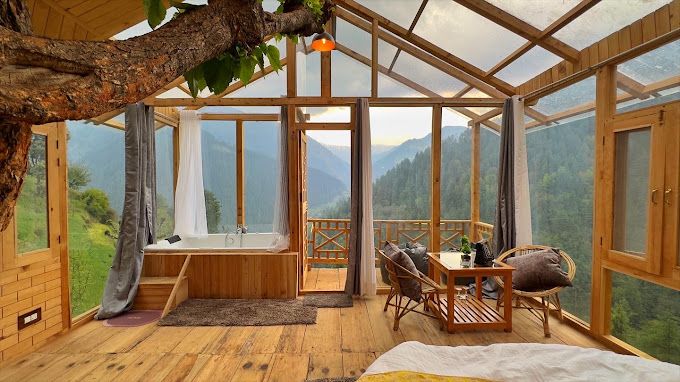
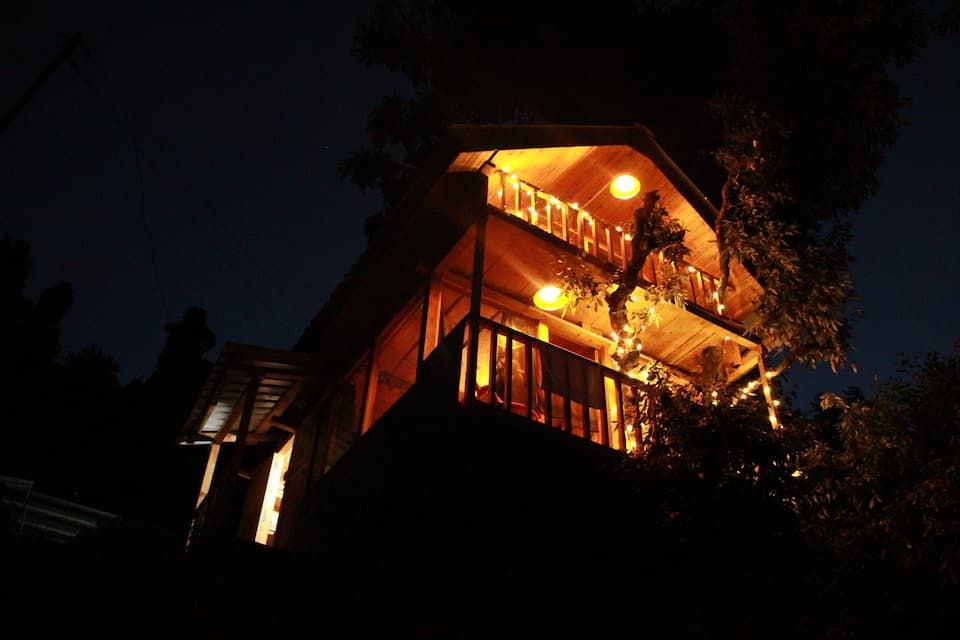
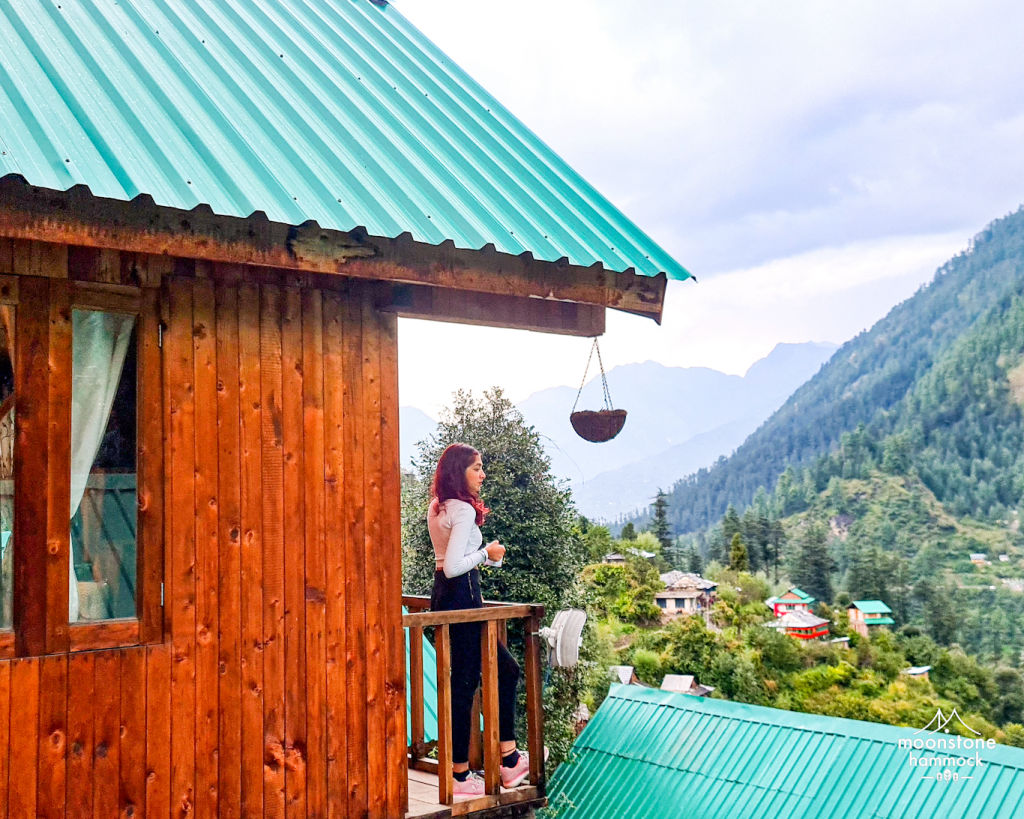
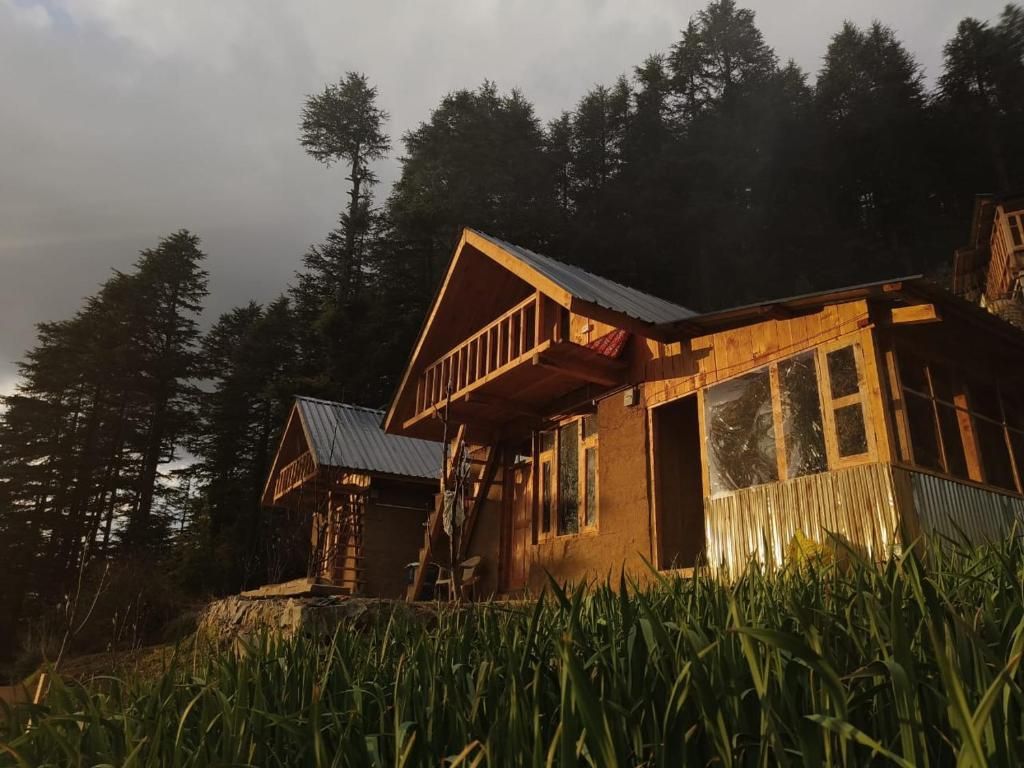
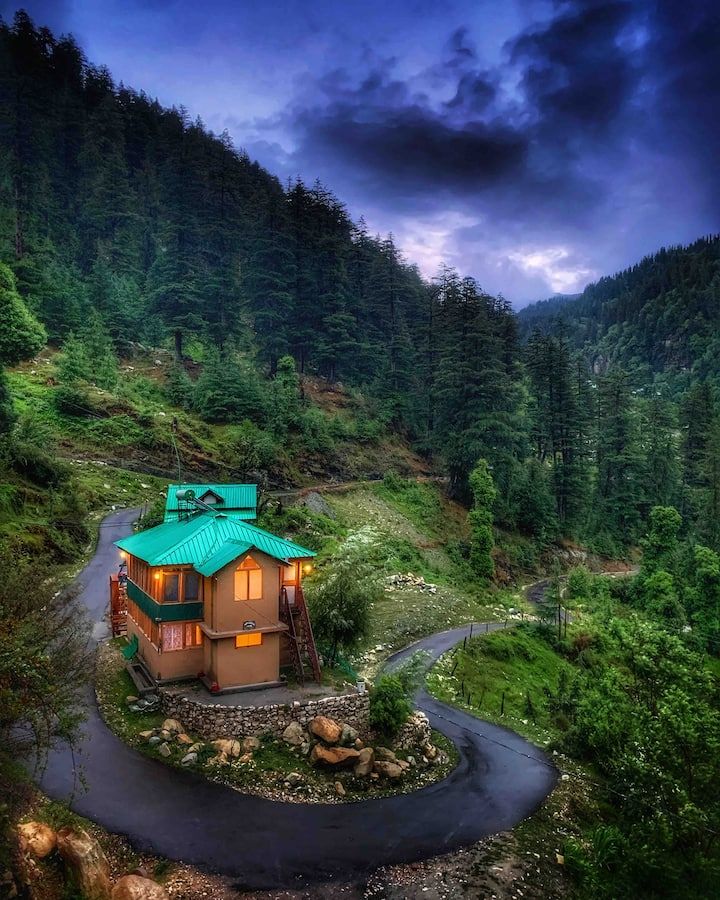
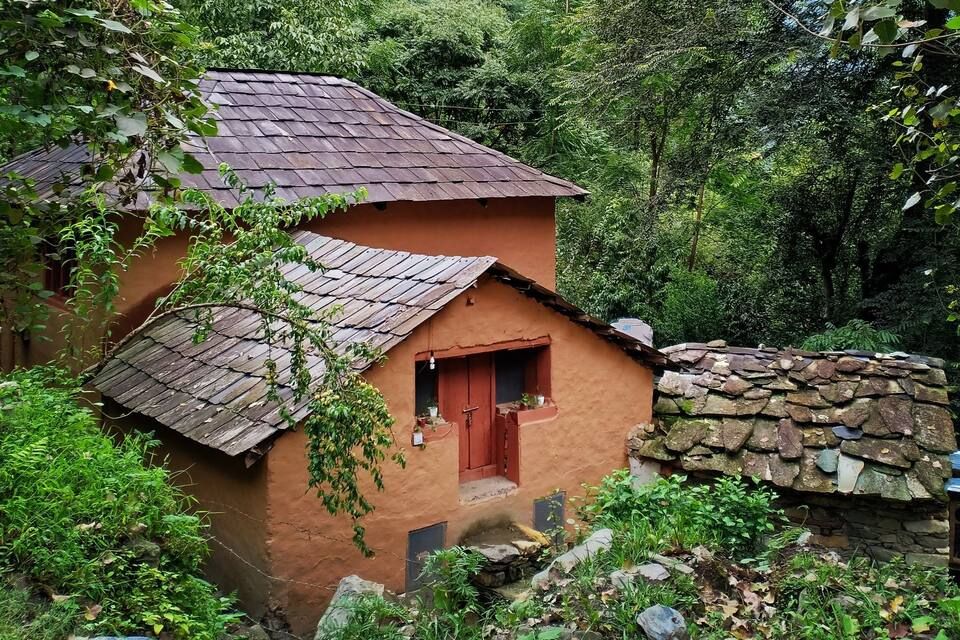
For those looking to immerse themselves in nature, rustic campsites, mountain cottages, and family-run homestays are located in the valleys surrounding the reserve. You can browse and book verified homestays and outdoor camps in this part of Himachal Pradesh on HireACamp to secure a comfortable base for your forest hikes.
Frequently asked questions
Where is Shikari Wildlife Sanctuary located?
Shikari Wildlife Sanctuary is located in the Mandi district of Himachal Pradesh, India, with the small town of Nihri serving as the closest settlement.
Can I visit the Shikari Devi Temple inside the sanctuary?
Yes, the Shikari Devi Temple sits on the crest of the sanctuary ridge and is accessible via forest hiking trails that start from the base road.
What wildlife can be seen at Shikari Wildlife Sanctuary?
The sanctuary is home to animals like the Himalayan black bear, musk deer, barking deer, leopard, and goral, alongside rare birds such as the monal and Western tragopan.
Does it snow at Shikari Wildlife Sanctuary?
Yes, the higher reaches of the sanctuary receive significant snowfall between December and March, which can sometimes make upper trails impassable without winter gear.
Are there places to stay inside the sanctuary?
Commercial stays are not permitted within the sanctuary core, but travelers can find homestays, guesthouses, and scenic camps in nearby villages through HireACamp.
Where you'll be
Shikari Devi, Nihri · 10 stays nearby shown with prices
Stays near Shikari Wildlife Sanctuary
Book a place to stay close by




More places near Shikari Wildlife Sanctuary
Within 20 km


Built from 0 Instagram posts by 0 creators. Every tip links back to the post it came from, and where creators disagree we show both sides.






