
Sittong
Village in West Bengal
1 post
Guide from 1 post by 1 creator
@shahiid.films
Sittong is a tranquil cluster of hill hamlets nestled in the Kurseong subdivision of Darjeeling district in West Bengal. Widely celebrated for its terraced mandarin orange orchards and sweeping views of the Eastern Himalayas, it offers a peaceful rural escape away from conventional tourist circuits. Travellers visit to experience unhurried village life, walk along forested river valleys, and take in panoramic mountain vistas.
Getting there
By train, bus or air
- PC Mittal Bus TerminusNearest bus stand49 min · 28 km
- Bagdogra International AirportNearest airport1 hr 5 min · 38 km
Typical drive times without traffic. Places, distances and typical drive times from OLA Maps; notes from creators' Reels.
Sittong and Darjeeling Hills Itinerary
A practical travel itinerary connecting the quiet hillside valleys of Sittong and Kurseong with the heritage sights, cafes, and viewpoints of Ghum and Darjeeling.
Sittong to Darjeeling Day Highlights
Best for travellers wanting to see key historic landmarks and viewpoints in a single day
Day 1
Sittong Valley and Darjeeling Heritage
early_morning
Sittong homestayAbout 1 hr
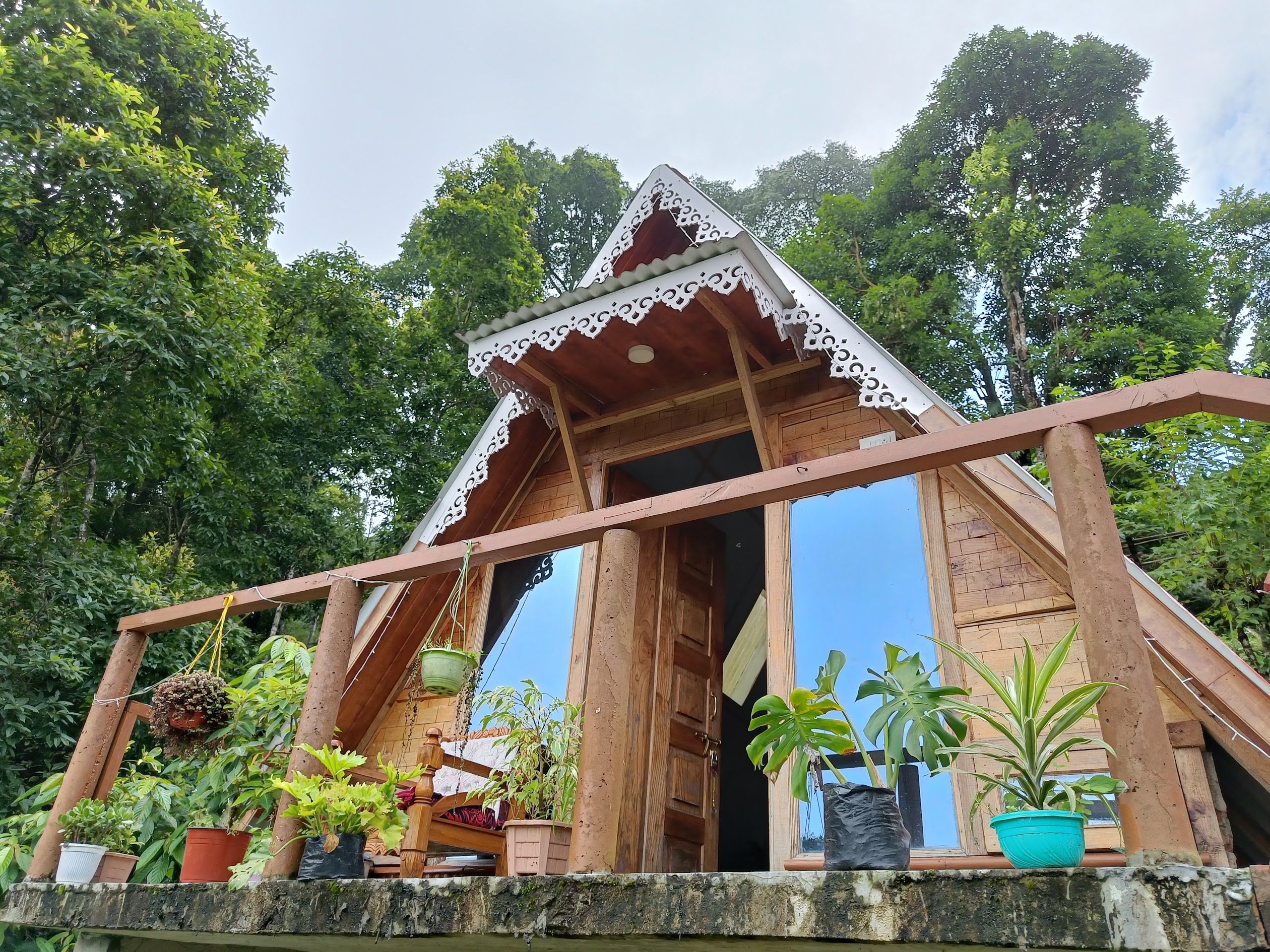
Take in valley views from the hillside glass cottages and balconies in Sittong.
morning
Ghum Railway MuseumAbout 1 hr · 19 km from the last stop
Exhibits original Toy Train steam engines and vintage railway artifacts inside India's highest railway station.
midday
Keventer'sAbout 1 hr · 4 km from the last stop
Located on Nehru Road, serving English breakfast, chocolate milkshakes, and softy ice cream.
afternoon
Habeeb Mullick & Sons Estd 1890About 45 min · 300 m from the last stop
Historic store established around 1890 offering antiques, Tibetan curios, and handcrafted items.
evening
Shrubbery Nightingale ParkAbout 1 hr · 1.2 km from the last stop
Park grounds offering views across to Mount Kanchenjunga.
- Glenary's on Mall Road features festive holiday illuminations and decorations throughout December.
- Ghum Railway Museum is located inside India's highest railway station and displays original Toy Train steam engines.
Visit lengths are suggestions; distances are straight-line between stops.
About Sittong
Written with AI from creators' posts and map data. Check prices and timings locally before you go.
About Sittong and its landscape
Sittong is not a single congested hill town, but rather an expansive cluster of quiet hamlets spread across the verdant slopes of the Kurseong hills in North Bengal. Divided broadly into different village tiers, Sittong sits along the basin carved out by the Riyang River, surrounded by dense alpine woods, cardamom groves, and terraced agricultural plots.
The region has earned renown across Bengal as the orange village. During the late autumn and winter months, the green hillsides transform as thousands of mandarin orange trees bear fruit, dotting every courtyard and terrace with bright splashes of color. Traditional wooden homes with flowering gardens sit along narrow mountain paths, offering a glimpse into the lifestyle of the local Lepcha and Nepali farming communities. On clear days, the upper ridges of Sittong provide striking views of snow-capped peaks, including Mount Kanchenjunga.
Things to do in Sittong
The primary appeal of Sittong lies in outdoor wandering and slow travel. A walk through the village lanes during the harvesting season brings you right beside laden orange orchards, where local families harvest fruit using age-old agricultural methods. Birdwatching is another rewarding pastime here, as the surrounding mixed forests host a rich variety of Himalayan bird species, including flycatchers, thrushes, sunbirds, and occasionally the rare rufous-necked hornbill in the lower forested belts.
A popular walk leads down toward the Riyang River and the scenic Jogighat area. The riverbed is framed by forested slopes and crossed by a pedestrian bridge, making it an ideal place to sit beside flowing mountain waters or enjoy an afternoon picnic. Travellers also frequent the old wooden church located in upper Sittong, a historic structure made primarily of bamboo and wood that sits peacefully overlooking the valley.
Read more
Exploring nearby hill getaways
Sittong serves as a quiet base for exploring several scenic pockets of the Darjeeling hills. A short drive away lies Mungpoo, famous for its sprawling cinchona plantations and historical ties to the poet Rabindranath Tagore, who spent significant time in the quiet hill cottage preserved there. Nature lovers often head to Latpanchar, which marks the highest point of the Mahananda Wildlife Sanctuary tract and offers dense forest tracks prized by wildlife photographers.
Further uphill, travelers can visit Lamahatta, known for its manicured eco-park surrounded by tall prayer flags and towering dhupi and pine forests. For those wanting to experience classic colonial-era sights, iconic hill landmarks such as Tiger Hill, Batasia Loop, and the Darjeeling Himalayan Railway are accessible on day excursions, allowing you to return to the quiet of Sittong by evening.
Best time to visit Sittong
The most popular time to visit Sittong is between late October and February. From November through January, the orange harvest is in full swing, and the hillsides are vibrant with fruit. Winter also brings crisp, clear skies that offer the highest likelihood of unobstructed views of the Kanchenjunga range, though temperatures drop significantly in the mornings and evenings.
Spring, lasting from March to May, is another pleasant window. During this season, the valley turns lush and green, wildflowers bloom along the trails, and the weather remains mild and comfortable for outdoor walking. The monsoon months from June to September bring heavy downpours to the North Bengal hills, turning the vegetation vibrant but also creating muddy terrain and a risk of seasonal landslides on winding mountain roads.
How to reach Sittong
Sittong is located in the northern hill district of West Bengal and is reached by road from the plains of Siliguri. The nearest major railhead is New Jalpaiguri, and the closest domestic airport is Bagdogra. Both transit hubs have regular connections to major Indian cities.
From New Jalpaiguri or Bagdogra, travelers hire local taxis or private vehicles to climb into the hills. The drive typically heads either via the Sevoke and Kalijhora route along the Teesta River before winding up into the Riyang basin, or through Kurseong and Dilaram via hill roads. Because these are winding mountain roads with varying surfaces, it is best to travel during daylight hours and check current hill road conditions before starting.
Where to stay in Sittong
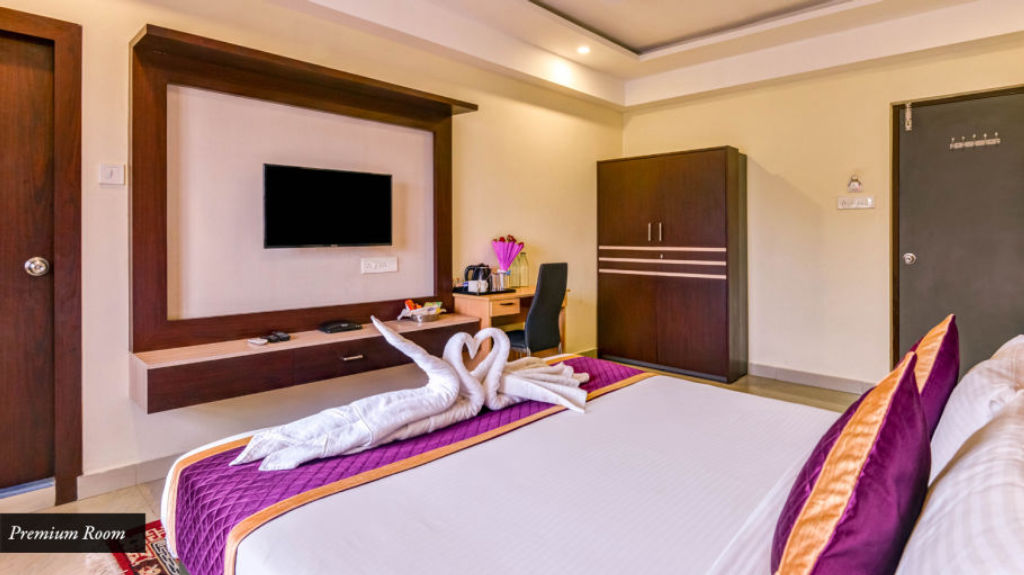
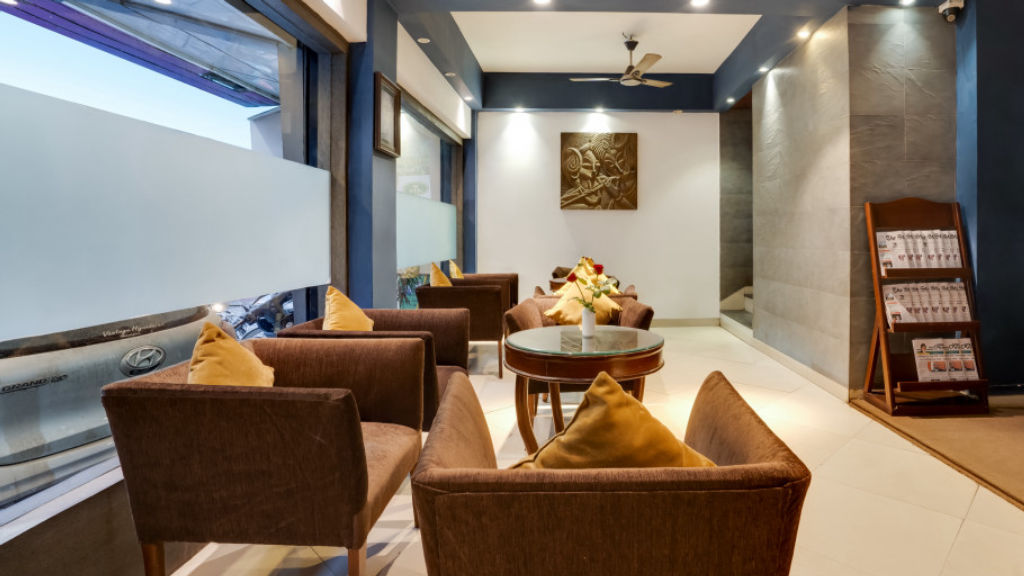
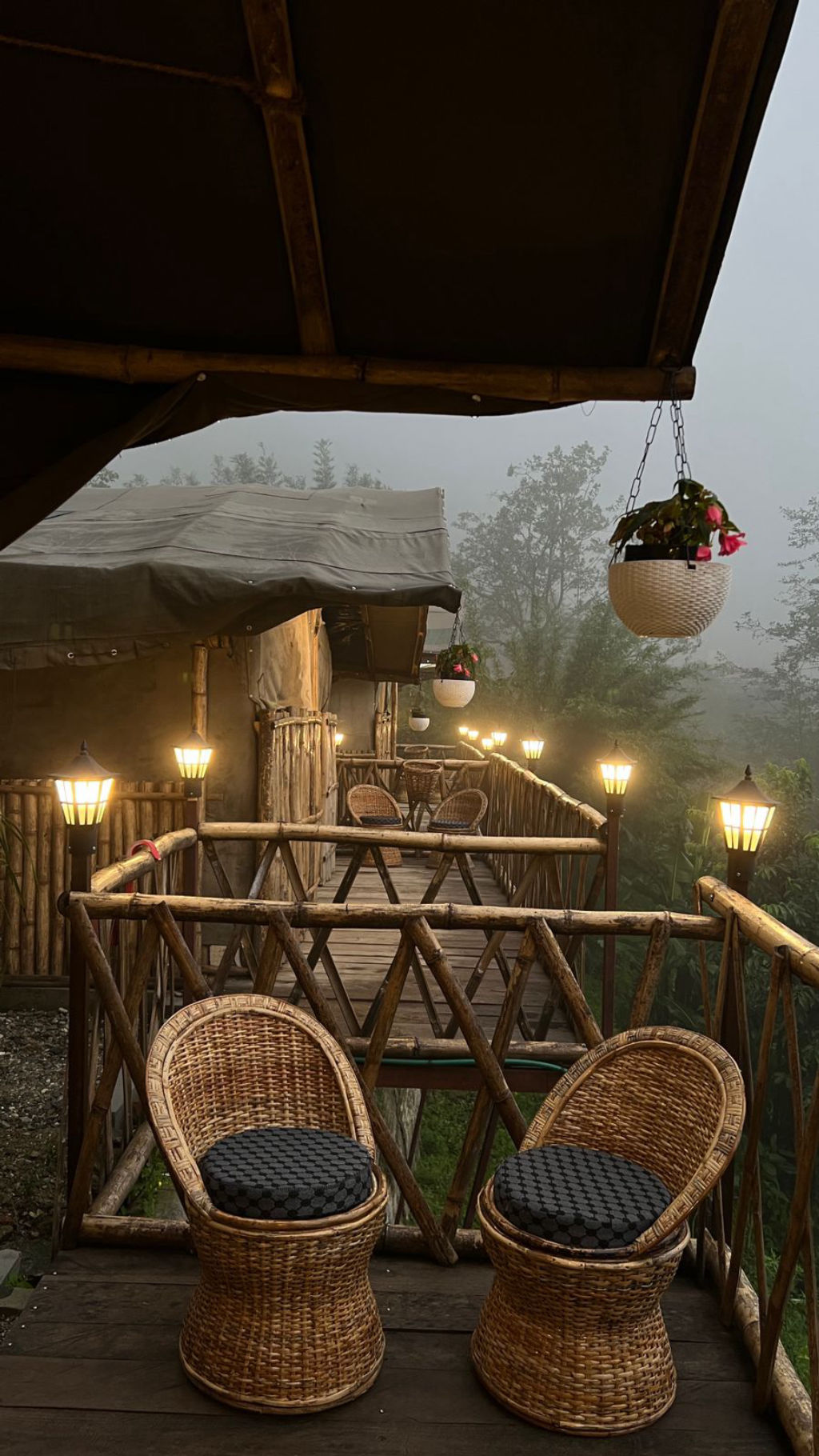
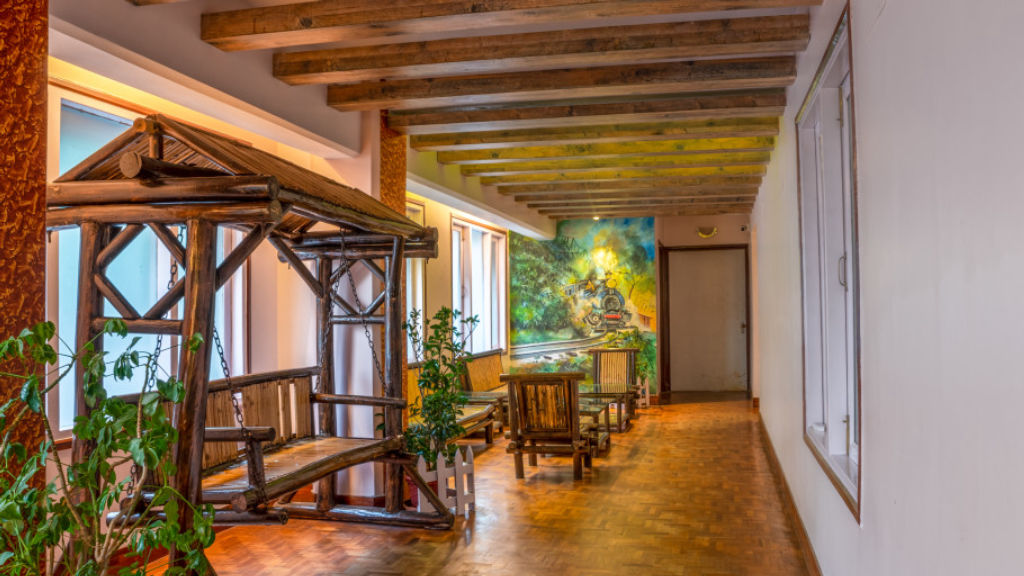
Accommodation in Sittong is predominantly community-centered, focusing on homestays and rustic village stays rather than large commercial hotels. Staying with a local host offers authentic home-cooked meals prepared with organic vegetables grown in nearby terraced gardens, along with regional tea and warmth.
Camps, farm stays, and homestays throughout Sittong and nearby hill ridges can be discovered and reserved on HireACamp. Booking in advance is recommended during the winter peak when orange season brings increased interest to the valley.
Tips for your visit
Sittong remains an authentic agricultural village, so amenities are simpler than those found in commercial hill stations. Carry sufficient cash for local transport, purchases, and personal expenses, as ATMs are scarce in the hamlets and digital payment networks can be intermittent due to variable mobile coverage.
Pack sturdy footwear suitable for walking on unpaved village trails and inclines. If visiting in the winter, warm woolen clothing, thermal layers, and windproof jackets are essential, as rustic homes do not feature central heating. Always respect village privacy and avoid plucking fruit in orchards without the landowner's permission.
Frequently asked questions
Why is Sittong known as the orange village?
Sittong earned this name because of its widespread mandarin orange orchards. In late autumn and winter, almost every village home and terraced farm is filled with ripe orange trees.
Can you see Mount Kanchenjunga from Sittong?
Yes, on clear days, especially during the autumn and winter months, several higher hamlets and ridge viewpoints in Sittong offer clear views of Mount Kanchenjunga.
What is the nearest railway station and airport to Sittong?
The nearest railway junction is New Jalpaiguri (NJP), and the nearest commercial airport is Bagdogra Airport. Both are located in the plains near Siliguri, from where you can take a taxi up into the hills.
When does the orange season take place in Sittong?
The orange season typically runs from late October through January, with peak harvesting activity and the brightest colors visible in December and January.
Is Sittong suitable for birdwatching?
Yes, Sittong and the neighboring forests of Latpanchar and the Mahananda tract are well-regarded among birdwatchers for their rich variety of Himalayan birds.
Where you'll be
7 stays nearby shown with prices
As seen on Instagram
The posts this guide is built from
Stays near Sittong
Book a place to stay close by


Things to do in Sittong
40 places creators recommend within 30 km


Often visited together
Creators who went here also showed these
Lists for this area
Ranked by how many creators recommend each place


Built from 1 Instagram post by 1 creator. Every tip links back to the post it came from, and where creators disagree we show both sides.






