
Sivananda Ashram
Heritage & Culture near Jonk, Uttarakhand
2.6 km from Jonk
The nearest town, for stays, food and fuel.
Sivananda Ashram, also known as the Divine Life Society, is a revered spiritual sanctuary situated along the banks of the Ganga in Rishikesh, Uttarakhand. Established by Swami Sivananda in 1936, the ashram draws travellers, yoga practitioners, and spiritual seekers seeking quiet contemplation, study, and traditional yogic practices. Located along Badrinath Marg near the historic Ram Jhula, it stands as an enduring pillar of the region's cultural and philosophical heritage.
Getting there
By road
- From JonkNearest town4 min · 3.2 km
- From Dehradun1 hr 10 min · 43 km
- From New Delhi4 hr 25 min · 255 km
- From Chandigarh4 hr 50 min · 214 km
Typical drive times without traffic. Stations and airports from OLA Maps; distances and typical drive times from OpenStreetMap (© OpenStreetMap contributors); notes from creators' Reels.
About Sivananda Ashram
Written with AI from map data and general knowledge. Check prices and timings locally before you go.
About Sivananda Ashram and Its Heritage
Sivananda Ashram is the headquarters of the Divine Life Society, an institution founded in 1936 by Swami Sivananda Saraswati. Born in Tamil Nadu and having served as a physician in Malaya, Swami Sivananda renounced his medical career to pursue asceticism, eventually arriving on the banks of the Ganga in Rishikesh. He began teaching a synthesis of yoga known as the Yoga of Synthesis, which harmonises action, devotion, meditation, and knowledge into a practical way of living.
Over the decades, the ashram grew from a humble collection of stone huts on the forested hillsides into an expansive monastic complex. Despite its growth, it has retained an atmosphere of austerity and disciplined quiet. The complex houses meditation halls, shrines, an ayurvedic pharmacy, publication divisions, and modest living quarters for resident monks and visiting spiritual seekers. For decades, it has served as an intellectual and philosophical anchor in the Garhwal Himalayas, welcoming people regardless of background to study ancient scriptures, practice selfless service, and meditate along the sacred river.
The Ashram Atmosphere and Activities
The daily rhythm at Sivananda Ashram is anchored in disciplined routine, beginning before dawn with morning meditation and prayers. Throughout the day, the ashram grounds maintain a calm, contemplative environment that contrasts distinctly with the busy tourist thoroughfares of Rishikesh. Visitors often spend time sitting quietly near the sacred samadhi shrine of Swami Sivananda, which remains a focal point for silent reflection and contemplation.
Beyond quiet prayer, the ashram is known for traditional hatha yoga sessions, scriptural lectures, and evening prayers. The sound of Sanskrit chanting and bell chimes carries across the riverbank during prayer gatherings. The premises also contain a well-stocked bookstore and library offering hundreds of philosophical texts and commentaries written by Swami Sivananda and subsequent monastic leaders. Whether you arrive for an hour of quiet reflection or are observing the proceedings from the river steps, the focus throughout the ashram remains on simplicity, inner work, and mental stillness.
Read more
Best Time to Visit Sivananda Ashram
Rishikesh experiences distinct seasons, and planning your visit according to weather patterns can make your time at Sivananda Ashram far more comfortable. The cooler months between October and March are widely considered the ideal period to visit. Daytime temperatures during late autumn and early spring are mild and comfortable for walking, while winter mornings and evenings can become distinctly brisk, requiring light woollens and warm shawls.
Summer in Rishikesh spans from April to June, bringing hot and dry conditions where midday temperatures can rise significantly. If visiting during this time, scheduling your walks to the ashram for the cooler early morning or dusk hours is recommended. The monsoon season from July to September brings heavy rains across the Himalayan foothills, causing the Ganga to swell and roads in the higher hills to experience occasional landslides. However, the surrounding mountains turn lush green during the rains, and the ashram environment becomes exceptionally peaceful with fewer passing visitors.
How to Reach Sivananda Ashram
Sivananda Ashram is located on Badrinath Marg in the Muni Ki Reti area of Rishikesh, directly adjacent to the iconic pedestrian suspension bridge, Ram Jhula. Rishikesh is well connected by road, rail, and air to the rest of India. The nearest airport is Jolly Grant Airport in Dehradun, which sits roughly thirty-five kilometres away and has regular domestic connections from major Indian hubs.
Rishikesh also has its own railway station, with additional high-frequency train links passing through the major junction at Haridwar, located around twenty-five kilometres to the south. From the rail stations or airport, local taxis and auto-rickshaws run routinely toward Muni Ki Reti. Since motor vehicular access can be restricted on narrow access lanes near the river, visitors often disembark near the main road or parking grounds near Ram Jhula and complete the last short leg of the journey on foot.
Visiting Etiquette and Tips
Because Sivananda Ashram is an active monastic institution rather than a commercial tourist attraction, visitors are asked to observe traditional decorum. Modest attire covering shoulders and knees is appropriate for both men and women. Loose, comfortable cotton clothing works best for sitting on mats or stone floors inside prayer halls. Footwear must be removed before entering temples, shrines, and indoor meditation halls; shoe racks are provided near entrances.
Silence should be observed in and around the meditation halls, the samadhi shrine, and residential quarters. If you wish to take photographs of the architecture or river views, do so discreetly, and always refrain from photographing monks, resident disciples, or people engaged in meditation and prayer. If you intend to attend a specific lecture, yoga class, or ashram meal, it is best to check directly at the administrative office upon arrival, as non-resident guest arrangements and daily schedules follow strict internal protocols.
Places to Visit Near Sivananda Ashram
The area surrounding Sivananda Ashram on both banks of the Ganga is rich in cultural landmarks and scenic spots. Crossing the footbridge of Ram Jhula brings you to Swargashram and Parmarth Niketan Ashram, located just about one kilometre away, which is celebrated for its grand daily evening Ganga aarti ceremony. Wandering north along the river path leads into Tapovan, a lively neighbourhood known for its yoga schools, casual open-air spots, and sweeping mountain panoramas.
A short distance downstream, roughly three kilometres away, lies Triveni Ghat, the primary sacred bathing ghat in central Rishikesh where pilgrims gather for ritual ablutions and evening prayers. If you are keen on day outings across the wider Dehradun valley, natural sights such as the sulphur springs of Sahastradhara, the scenic limestone gorge of Gucchupani Robbers' Cave, and the sprawling heritage grounds of the Forest Research Institute in Dehradun are accessible by road.
Where to Stay near Sivananda Ashram
Finding accommodation near Sivananda Ashram allows you to experience the peaceful morning atmosphere of Rishikesh before the day's activity picks up. While long-term accommodation inside the ashram itself is subject to formal application, approval, and adherence to monastic rules, the surrounding neighbourhoods of Muni Ki Reti, Tapovan, and Swargashram offer diverse lodging options.
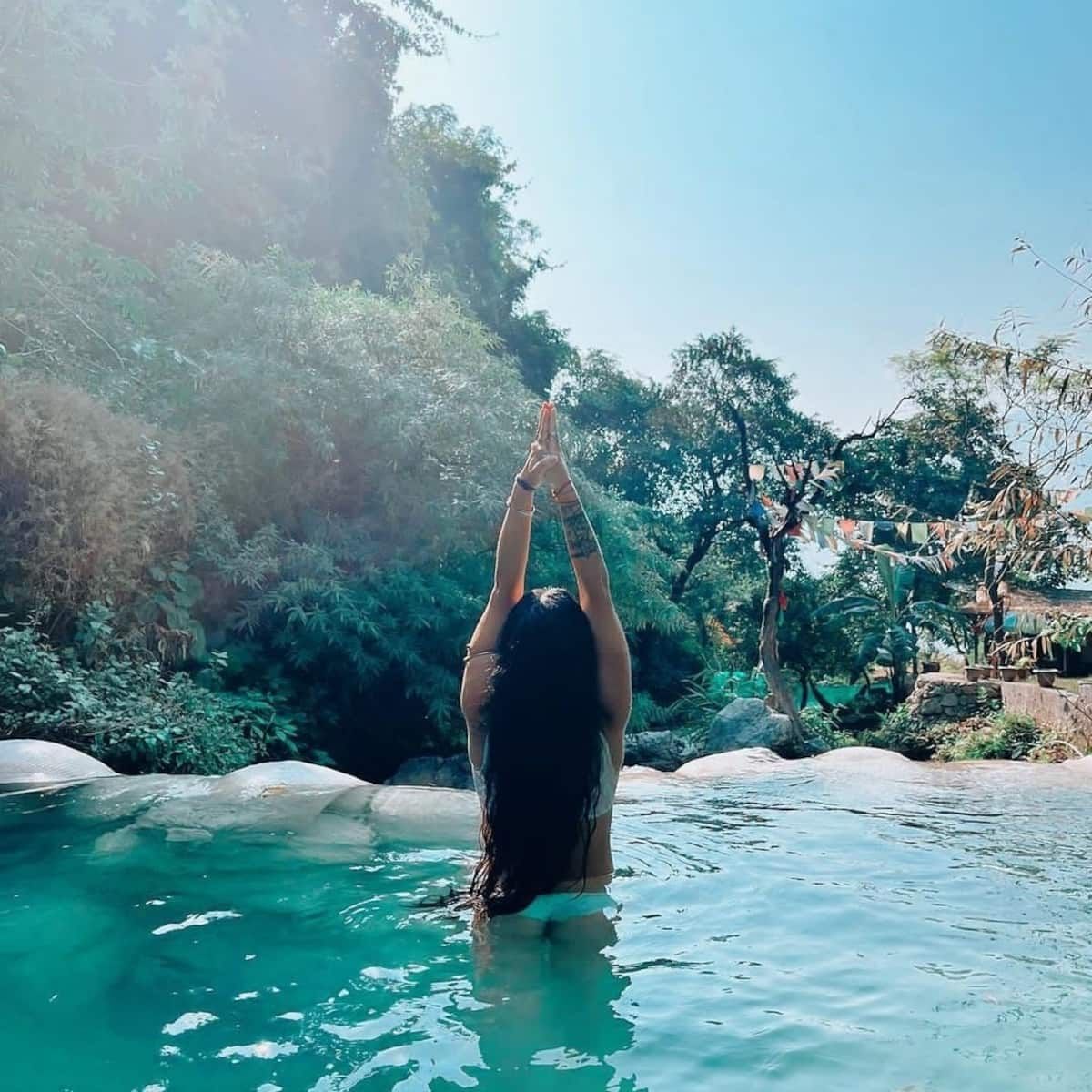
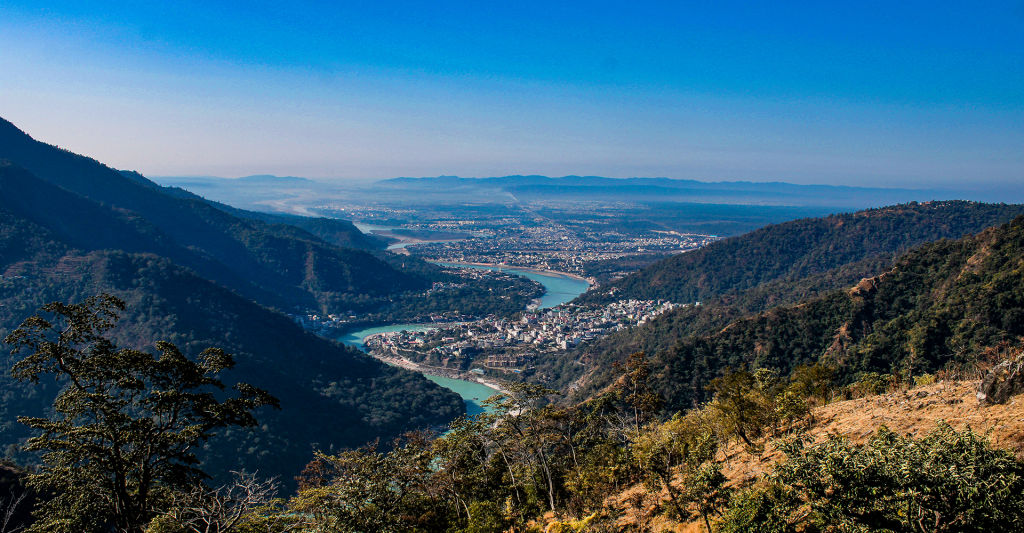
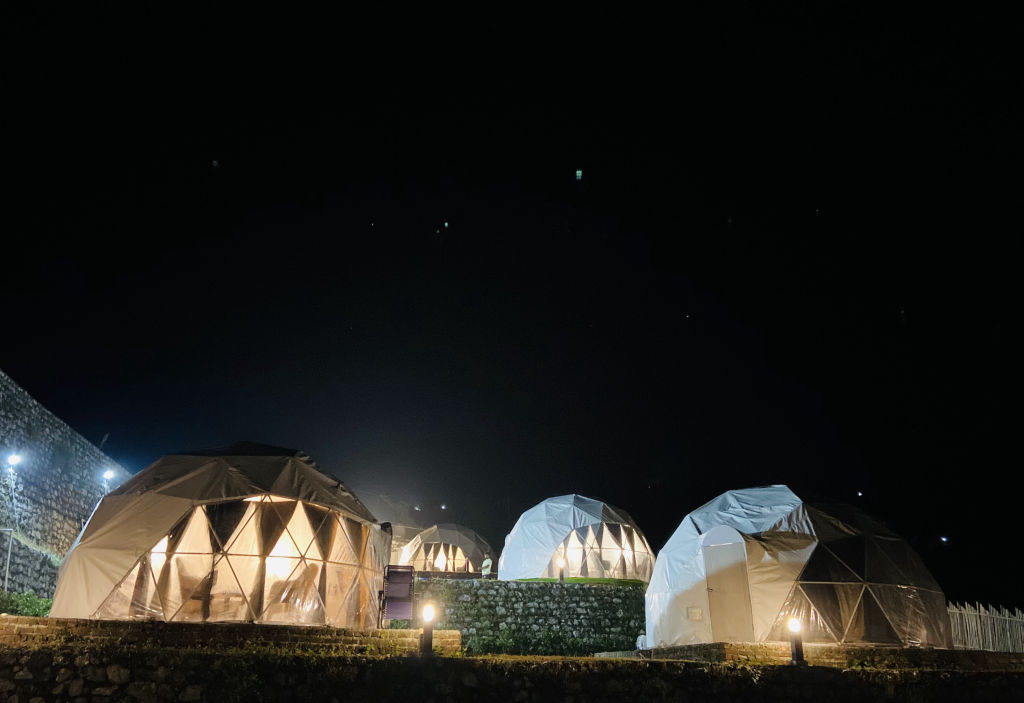
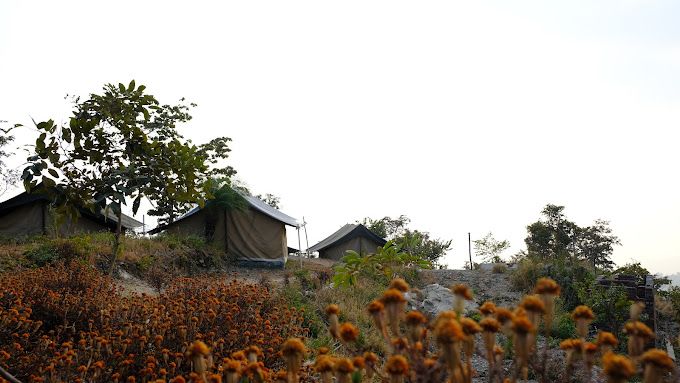
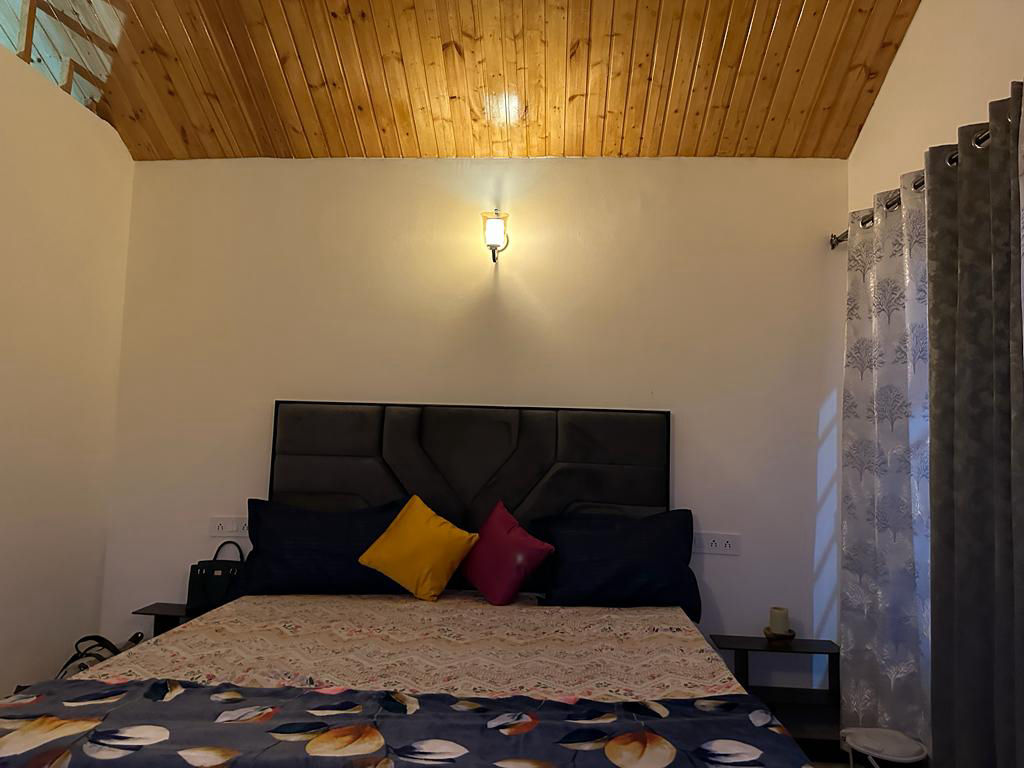
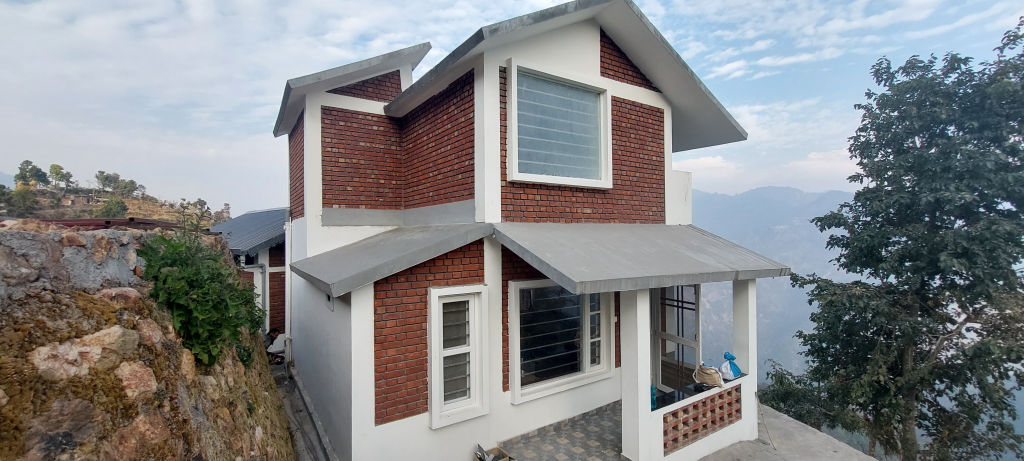
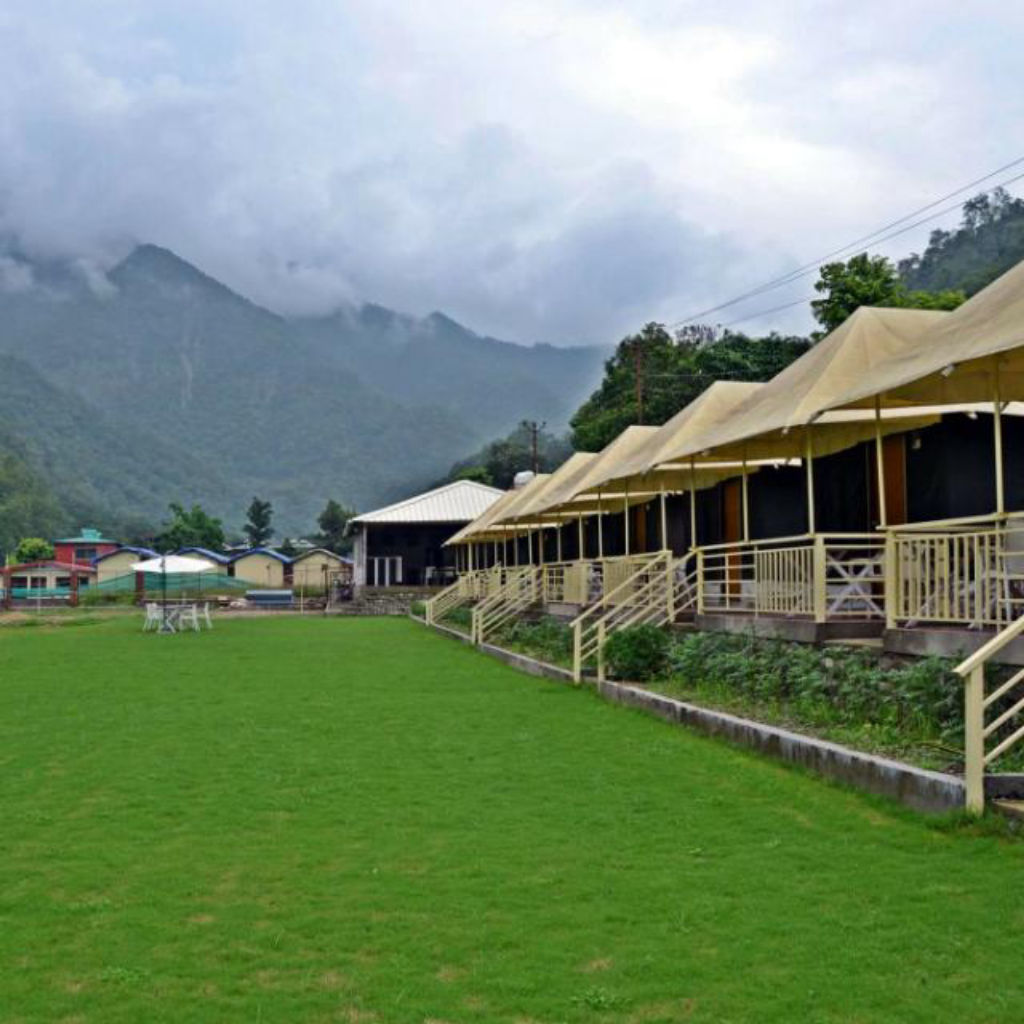
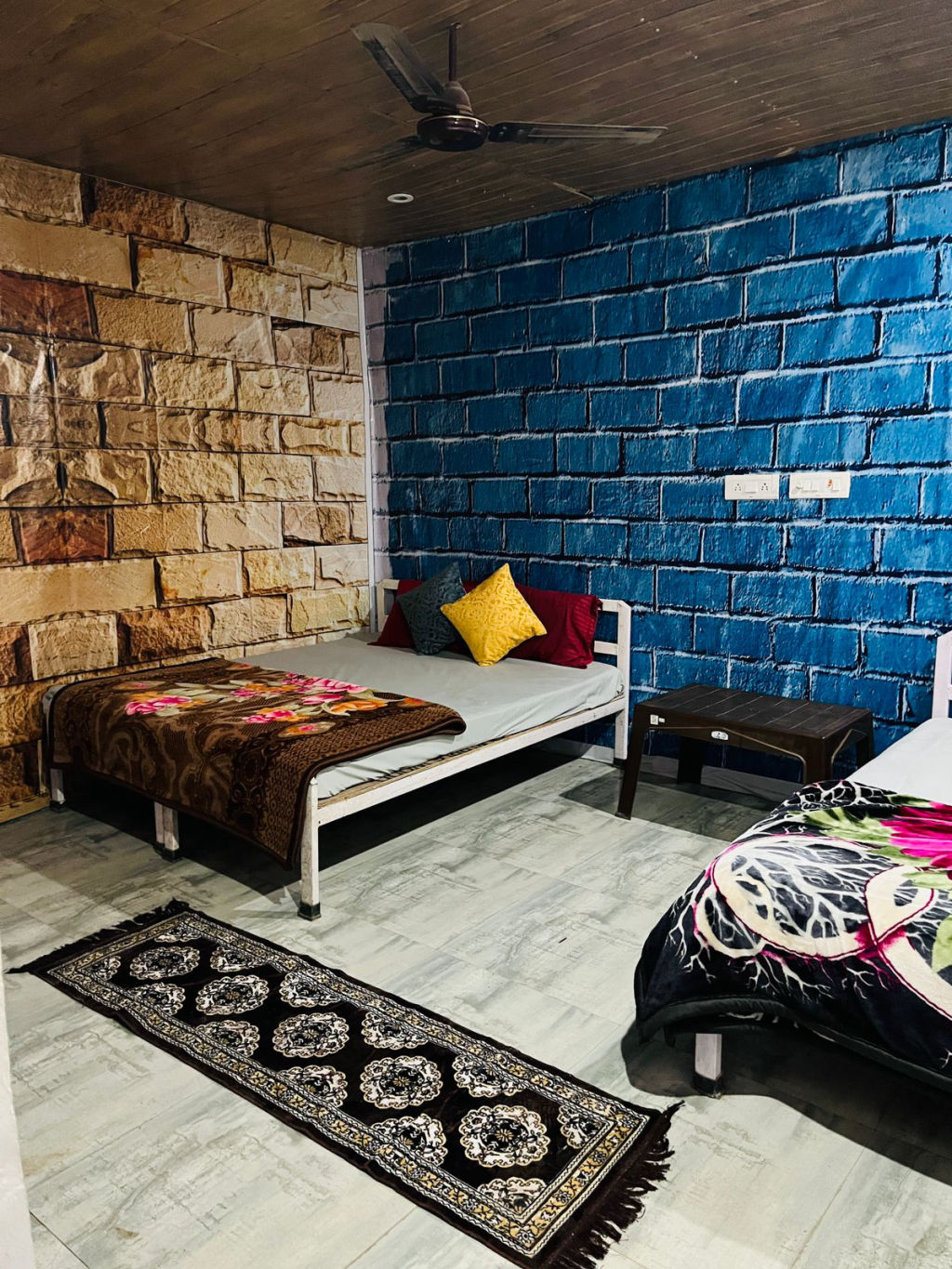
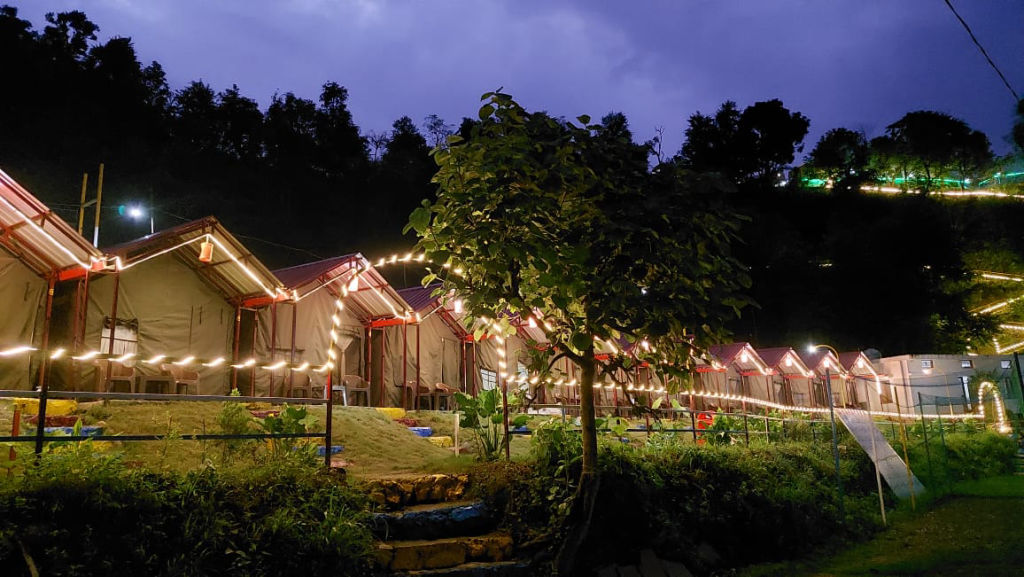
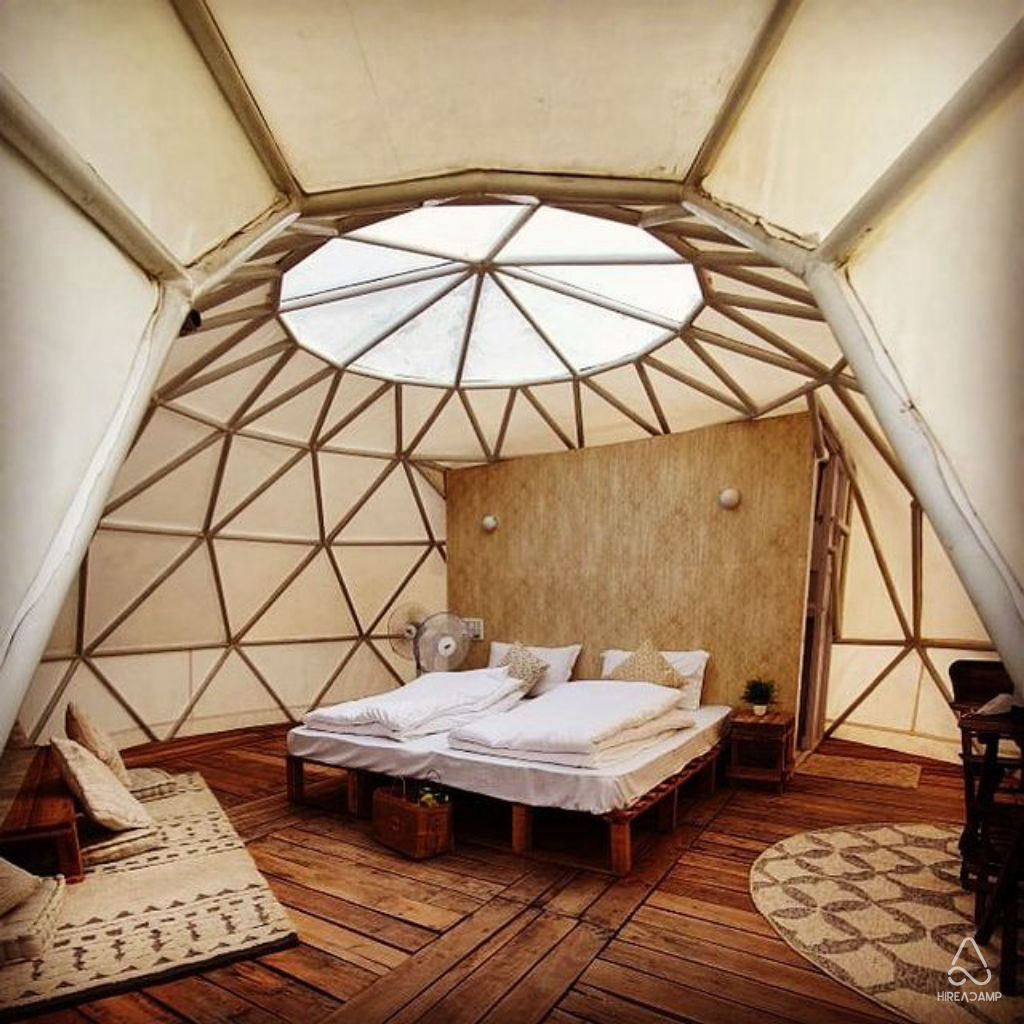
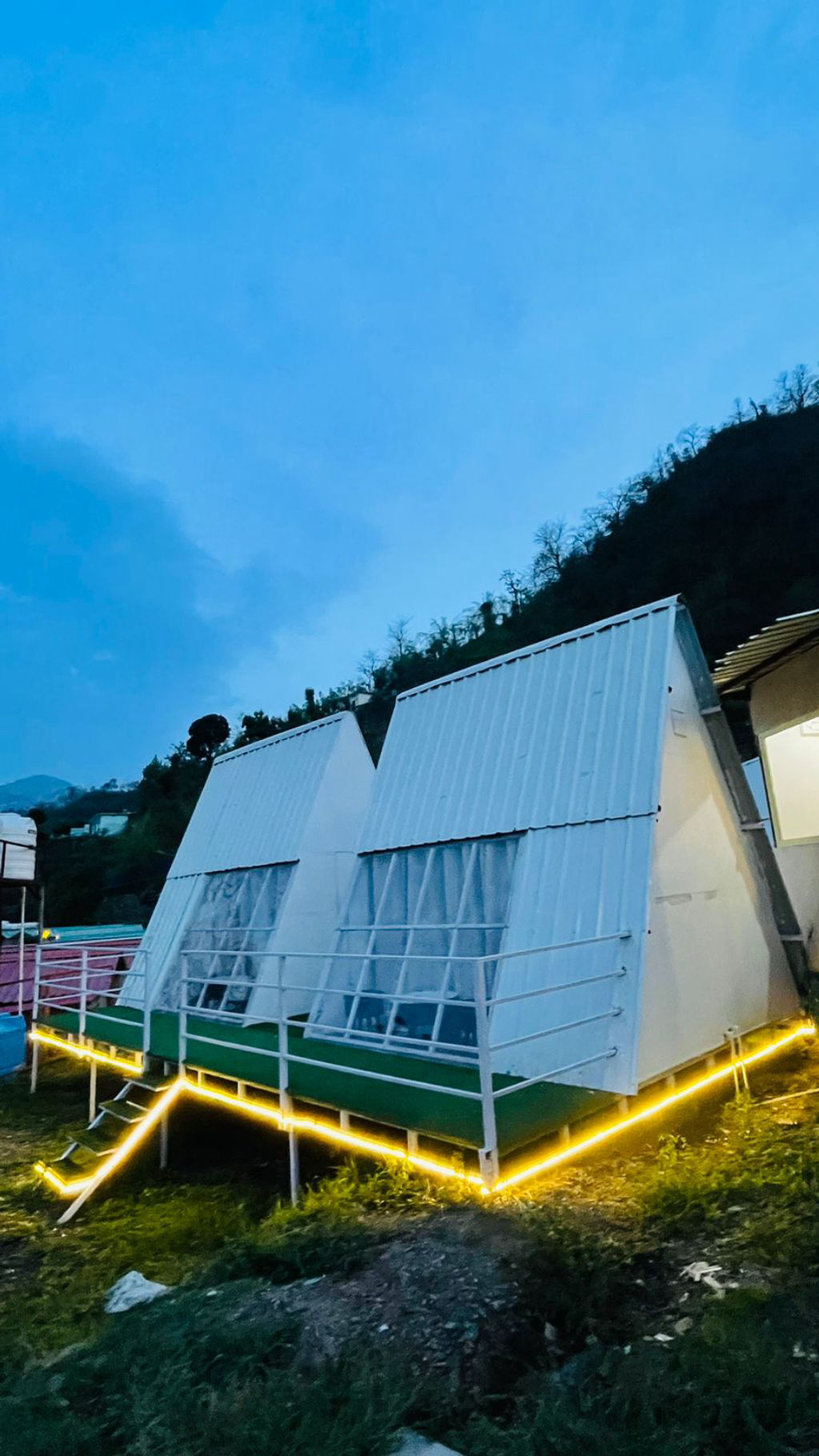
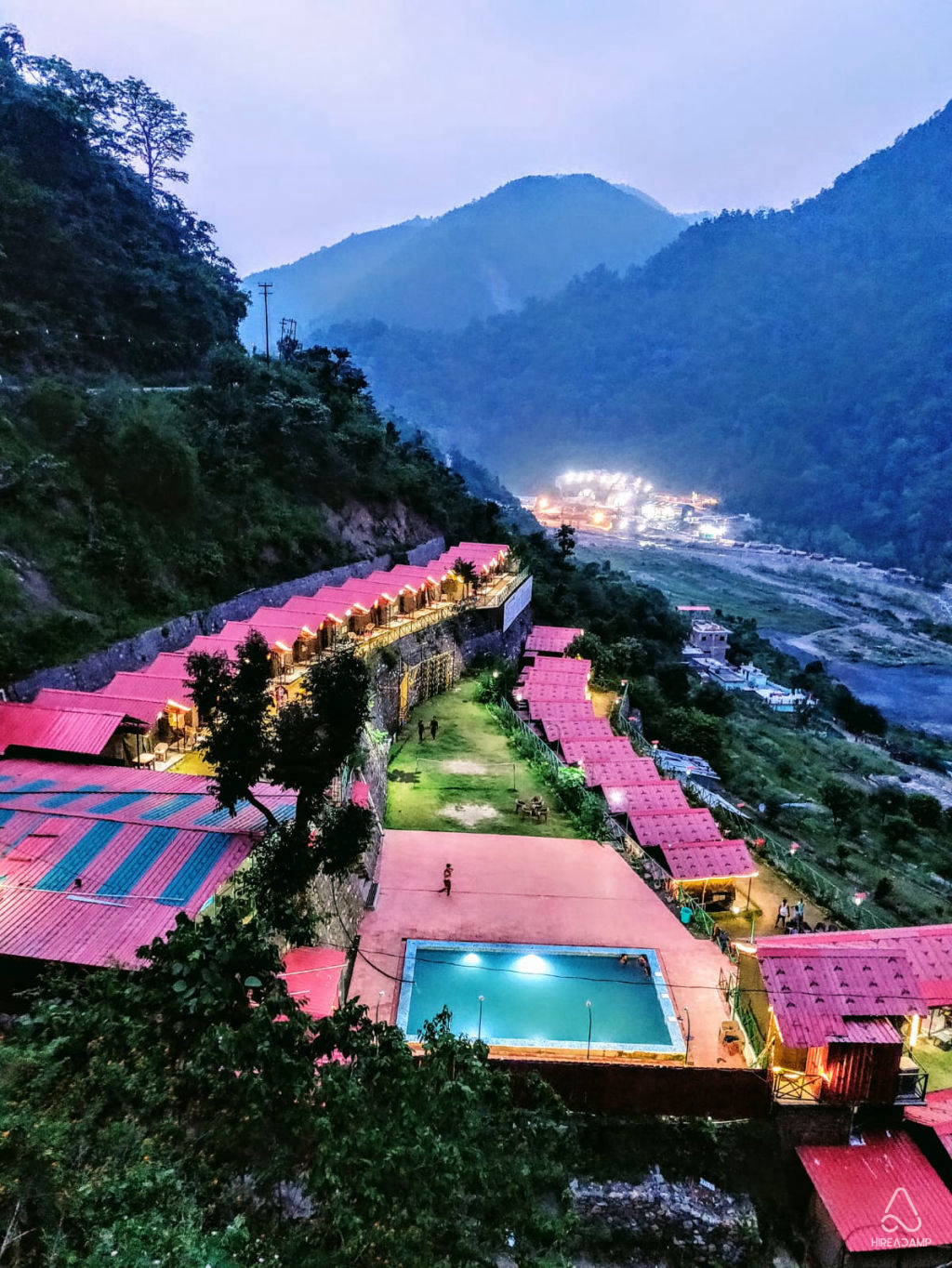
Travellers can explore homestays, riverside cottages, boutique guesthouses, and scenic hillside camps through HireACamp. Staying in the nearby hills or close to the river allows you to combine early visits to ashram meditation halls with outdoor walks along the foothills of Uttarakhand.
Frequently asked questions
Where is Sivananda Ashram located?
Sivananda Ashram is situated along Badrinath Marg in the Muni Ki Reti area of Rishikesh, Uttarakhand, near the Ram Jhula suspension bridge on the banks of the Ganga.
Can casual tourists visit Sivananda Ashram?
Yes, visitors are permitted to enter the grounds, visit the samadhi shrine, browse the publication bookstore, and sit quietly, provided they dress modestly and respect the silence of the monastic setting.
Are there fixed timings to attend classes or prayers at the ashram?
The ashram operates on a strict monastic schedule for daily prayers, meditation, and lectures; visitors should inquire directly at the ashram reception desk upon arrival to confirm current public schedules.
What is the dress code for visiting Sivananda Ashram?
Visitors should dress conservatively in modest clothing that covers the shoulders and legs. Revealing or tight-fitting garments are discouraged within the ashram premises.
What other landmarks are located close to Sivananda Ashram?
Ram Jhula, Parmarth Niketan Ashram, the neighbourhood of Tapovan, and Triveni Ghat are all located within a short walking or driving distance of the ashram.
Where you'll be
Badrinath Marg, near Ram Jhula, Rishikesh · 12 stays nearby shown with prices
Stays near Sivananda Ashram
Book a place to stay close by
More places near Sivananda Ashram
Within 20 km


Lists for this area
Ranked by how many creators recommend each place


Built from 0 Instagram posts by 0 creators. Every tip links back to the post it came from, and where creators disagree we show both sides.






