
Tarn Taran
Destination in Punjab
Tarn Taran is a historic town in the Majha heartland of Punjab, renowned primarily for its centuries-old Sikh heritage. Established by the fifth Sikh Guru, Guru Arjan Dev, it is situated roughly twenty kilometres south of Amritsar and draws pilgrims from across the world to its monumental gurdwara. Beyond its sacred water tank and religious architecture, the town offers visitors a quiet, authentic glimpse into the agrarian rhythm and culture of rural Punjab.
Getting there
By road
- From Amritsar43 min · 22 km
- From Ludhiana3 hr 10 min · 132 km
- From Chandigarh5 hr · 219 km
- From New Delhi8 hr · 483 km
Typical drive times without traffic. Stations and airports from OLA Maps; distances and typical drive times from OpenStreetMap (© OpenStreetMap contributors); notes from creators' Reels.
About Tarn Taran
Written with AI from map data and general knowledge. Check prices and timings locally before you go.
The Heritage of Tarn Taran
Tarn Taran occupies a venerable position in the social and spiritual history of Punjab. Founded in 1590 by the fifth Sikh Guru, Guru Arjan Dev, the town was laid out around an expansive water tank designed to offer solace, cleansing, and healing to travellers and pilgrims. In historical records, the settlement was also notable for establishing a dedicated home and sanctuary for lepers, reflecting a deep tradition of community service, medical aid, and compassion that continues to define its cultural ethos today.
During the eighteenth and nineteenth centuries, Tarn Taran remained a vital cultural centre of the Majha belt, closely intertwined with the rise of the Sikh confederacies and the Sikh Empire under Maharaja Ranjit Singh. The architectural footprint of that era remains visible in the town's prominent religious structures, where classic Sikh design elements such as fluted domes, intricate gold leaf ornamentation, and vast marble walkways stand against the low-rise backdrop of the surrounding countryside.
Things to Do in Tarn Taran
The spiritual core of any visit to Tarn Taran is Gurdwara Sri Tarn Taran Sahib. Visitors come to pay respects at the inner sanctum and walk the quiet parikrama surrounding the sarovar, which is widely recognized as one of the largest water reservoirs associated with any gurdwara in India. Participating in the daily routine of the gurdwara, from dawn prayers to devotional music, provides a contemplative window into traditional Sikh worship. Joining the langar, the communal free kitchen that serves freshly prepared meals to thousands of visitors every day without distinction of caste or creed, is a foundational local experience.
Outside the gurdwara complex, travellers can take relaxed walks through the older quarters and bustling central markets. The surrounding lanes host small family-run shops selling traditional Punjabi crafts, phulkari embroidery, brass utensils, ceremonial items, and agricultural produce. A short drive away from the town centre leads to smaller historic shrines and quiet village hamlets where visitors can observe the daily rhythm of farming communities that define the surrounding plains.
Read more
Excursions and Getaways Nearby
Tarn Taran's location makes it an ideal base or side excursion when exploring the wider Majha region. Just about twenty kilometres to the north lies Amritsar, home to world-renowned heritage sites. Travellers can easily plan a day trip to visit Sri Harmandir Sahib, walk through the historic grounds of Jallianwala Bagh, explore the exhibits at the Partition Museum, or tour the restored ramparts of Gobindgarh Fort. The urban energy and bustling heritage streets of Amritsar provide a striking contrast to the quieter atmosphere of Tarn Taran.
Roughly thirty-eight kilometres to the northwest sits the Attari-Wagah border, where travellers can witness the daily flag-lowering ceremony conducted jointly by the border security forces of India and Pakistan. For nature enthusiasts, heading south towards the confluence of the Beas and Sutlej rivers brings you to the Harike Wetland, a vital Ramsar site that attracts thousands of migratory waterfowl each winter. These short travel distances allow visitors to combine deep spiritual heritage, modern historical exploration, and outdoor wildlife watching in a single itinerary.
Rural Life and Food Traditions
Life in Tarn Taran is deeply rooted in the agricultural calendar of Punjab. The landscape surrounding the town is dominated by wide stretches of wheat fields in the winter and emerald green paddy fields during the monsoon months. Walking or cycling along canal banks and rural roads offers an unhurried perspective on farming traditions that have sustained the region for generations.
The culinary traditions here mirror the abundance of the land. Food is unpretentious, hearty, and cooked with generous amounts of clarified butter and dairy produced on local family farms. Depending on the season, visitors can enjoy slow-cooked winter staples like spiced mustard greens paired with unleavened cornmeal flatbreads, or refreshing churned buttermilk served cold during warmer afternoons. Stalls around the town centre serve crisp, spiced savouries and warm milk preparations late into the evening, providing a true taste of everyday Punjabi hospitality.
Best Time to Visit Tarn Taran
The optimal window to visit Tarn Taran is during the cool and dry winter months, spanning from October to late March. During this period, daytime temperatures are mild and sunny, making outdoor exploration, walking through the markets, and visiting historical sites comfortable. Nights can become quite cold, especially in December and January, so carrying warm woollens and layers is essential for morning visits to open-air shrines.
The summer months between April and June bring intense dry heat, with temperatures routinely exceeding forty degrees Celsius, which can make daytime travel tiring. The monsoon follows from July to September, bringing heavy spells of rain and high humidity that transform the rural countryside into a vivid green landscape. Travellers arriving during the winter months also have the added advantage of catching regional harvest festivities such as Lohri in January or witnessing the arrival of migratory birds in the nearby river systems.
How to Reach Tarn Taran
Tarn Taran is well connected by road and rail to major hubs in Punjab and neighbouring states. The town has its own railway station, Tarn Taran Junction, which connects to Amritsar and other regional junctions through regular passenger trains. Most long-distance train travellers arrive at Amritsar Junction, which is roughly twenty kilometres away and handles extensive express rail connections from across India.
By road, the town is accessible via state highways and national road networks linking it directly to Amritsar, Jalandhar, and Firozpur. Regular public buses, private taxis, and shared cabs ply between Amritsar and Tarn Taran throughout the day, with driving times typically taking around forty to fifty minutes depending on local traffic. For those travelling by air, the nearest facility is Sri Guru Ram Dass Jee International Airport in Amritsar, which operates direct domestic flights to major Indian cities as well as select international routes.
Where to Stay in and Around Tarn Taran
Accommodation in Tarn Taran itself primarily caters to visiting pilgrims, with modest community rest houses and small town lodgings situated close to the central gurdwara. For travellers seeking broader accommodation styles or rural retreats, the surrounding district offers charming options nestled amid farmland and countryside orchards.
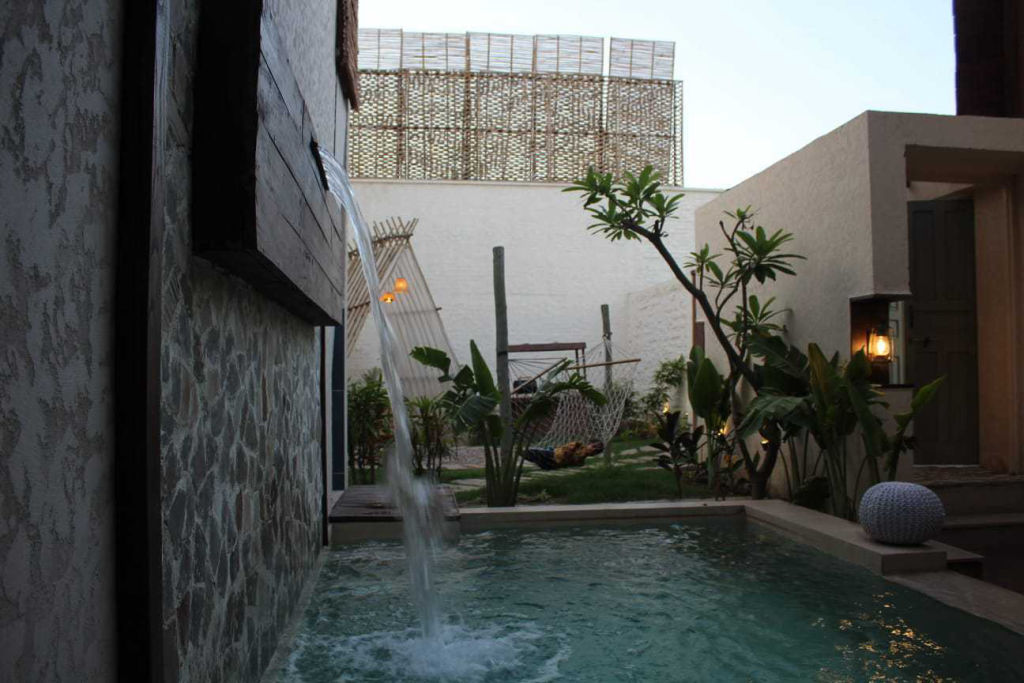
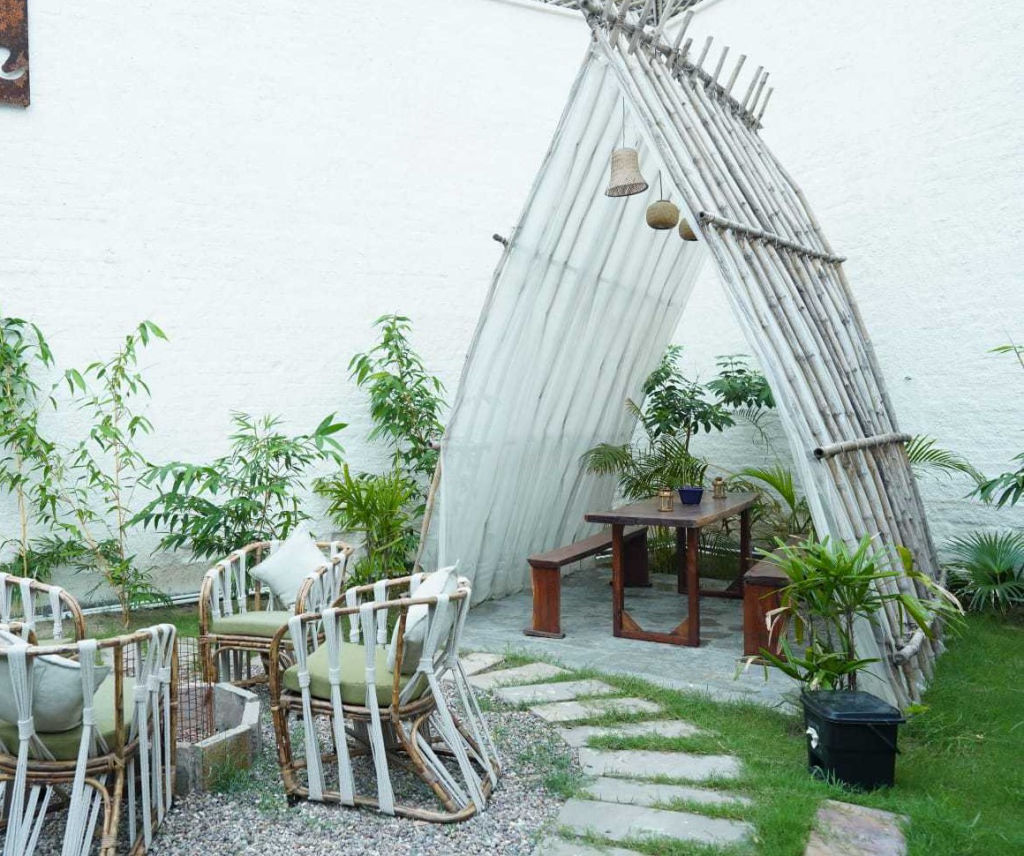
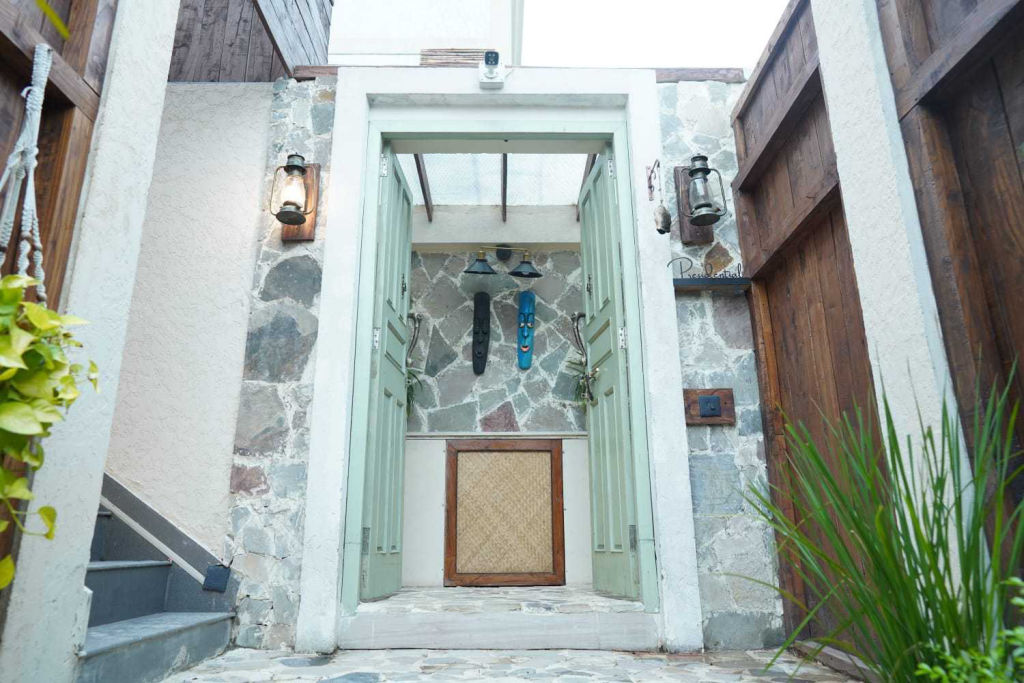
Staying on a peaceful farm or choosing a welcoming homestay in the nearby rural belts allows guests to experience authentic Punjabi family hospitality, freshly sourced home-cooked meals, and quiet evenings away from highway noise. Travellers looking for outdoor getaways, homestays, and tranquil stays near Tarn Taran and Amritsar can explore curated listings on HireACamp to find accommodations that match their travel preferences.
Frequently asked questions
What is Tarn Taran famous for?
Tarn Taran is famous for Gurdwara Sri Tarn Taran Sahib, founded in the late sixteenth century by Guru Arjan Dev Ji. The gurdwara is renowned for having one of the largest sacred sarovars in India and holds immense historical and spiritual significance in Sikhism.
How far is Tarn Taran from Amritsar?
Tarn Taran is located approximately twenty kilometres south of Amritsar. The journey by road typically takes around forty to fifty minutes under normal traffic conditions.
What are the best places to visit near Tarn Taran?
Nearby highlights include the historic attractions of Amritsar such as Sri Harmandir Sahib, Jallianwala Bagh, and the Partition Museum, as well as the Attari-Wagah border ceremony and the Harike Wetland bird sanctuary.
When is the best time to visit Tarn Taran?
The best time to visit is from October to March, when the weather is cool, dry, and comfortable for sightseeing, walking around historical shrines, and exploring the surrounding rural landscapes.
Does Tarn Taran have a railway station?
Yes, Tarn Taran has a local railway station with regular connections to Amritsar. Amritsar Junction, located about twenty kilometres away, serves as the main broad-gauge terminal for long-distance express trains across India.
Where you'll be
4 stays nearby shown with prices
Stays near Tarn Taran
Book a place to stay close by

Things to do in Tarn Taran
46 places creators recommend within 30 km


Lists for this area
Ranked by how many creators recommend each place


Built from 0 Instagram posts by 0 creators. Every tip links back to the post it came from, and where creators disagree we show both sides.






