
Sultanpur
Destination in Haryana
Sultanpur is a quiet rural locality in Haryana situated on the edge of the sprawling Delhi National Capital Region. Best known for its expansive seasonal wetland habitat and countryside atmosphere, it attracts nature enthusiasts, wildlife photographers, and city residents seeking a quiet day outdoors. The area provides a peaceful natural setting dominated by agricultural fields, freshwater ponds, and open grasslands.
Getting there
By road
- From New Delhi1 hr 10 min · 47 km
- From Dehradun3 hr 40 min · 277 km
- From Jaipur3 hr 55 min · 285 km
- From Chandigarh4 hr 30 min · 286 km
Typical drive times without traffic. Stations and airports from OLA Maps; distances and typical drive times from OpenStreetMap (© OpenStreetMap contributors); notes from creators' Reels.
About Sultanpur
Written with AI from map data and general knowledge. Check prices and timings locally before you go.
What Sultanpur is known for
Sultanpur has earned prominence across north India as a prime natural haven, centered around the famous Sultanpur National Park. While much of the surrounding Gurugram district has rapidly modernized into high-rise commercial corridors, Sultanpur retains an open, pastoral quality characterized by wide mustard and wheat fields, acacia thickets, and low-lying wetland depressions.
The freshwater lake and marsh ecosystem here serve as a critical wintering ground for tens of thousands of migratory waterbirds that travel thousands of kilometers along the Central Asian Flyway. For travellers living in or visiting Delhi, Gurugram, or neighboring regions of Haryana, Sultanpur is a convenient rural sanctuary that allows people to experience genuine wilderness and rural quiet without having to undertake lengthy mountain or desert expeditions.
Things to do in Sultanpur
Birdwatching is naturally the primary activity in Sultanpur. Walking along the designated dirt trails around the central lake allows visitors to observe resident waterfowl and migratory birds in their natural habitat. Specially constructed watchtowers and observation mounds situated around the waterbody offer elevated viewpoints to look out over the marshes with binoculars or telephoto lenses.
Beyond birding, the open spaces of Sultanpur invite slow exploration. Nature walking along rural perimeter paths provides a calming introduction to the indigenous flora of the semi-arid plains, including ber, jamun, banyan, and dhok trees. Leisurely cycling on the quieter village roads is another pleasant way to take in the rustic scenery, traditional farmlands, and village life. Photography enthusiasts frequently visit early in the morning, when low-hanging mist over the water and warm sunrise hues create striking landscape compositions.
Read more
Birdwatching and wildlife highlights
The wetland environment of Sultanpur hosts a remarkably diverse collection of avian species. During the colder months, the waterbodies teem with winter visitors, including northern pintails, common teals, gadwalls, mallards, and Eurasian wigeons. Elegant wading birds such as greater flamingos, sarus cranes, painted storks, black-necked storks, and Eurasian spoonbills are frequently spotted foraging in the shallow marshes.
The surrounding dry woodlands and scrub areas shelter terrestrial birds such as Indian roller, grey francolin, hoopoe, crested lark, and various species of owls, eagles, and harriers. Alongside avian life, terrestrial mammals are also spotted around the fields and reserve boundaries. Blue bulls (nilgai) are very common, grazing openly along grassy clearings, while golden jackals, jungle cats, and striped hyenas move stealthily through the scrubland during quieter hours.
Best time to visit Sultanpur
The ideal period to visit Sultanpur spans from late October to early March. During these winter months, daytime temperatures are mild, ranging from comfortable to crisp, making outdoor walks very pleasant. Most importantly, this is the window when migratory flocks arrive in full strength, transforming the wetlands into a bustling sanctuary of activity.
Spring, covering March and early April, brings pleasant mornings and blooming trees, though many migratory species begin their return journeys north. Summers from May to June are intensely hot and dry, with daytime temperatures often climbing past forty degrees Celsius, making extensive outdoor walks challenging. The monsoon season between July and September brings vital rainfall that replenishes the seasonal lake and rejuvenates the greenery, making it attractive for observing resident breeding birds, though trails can become muddy.
Getaways and attractions nearby
Sultanpur is positioned within easy driving reach of prominent historical and cultural landmarks in South Delhi and Central Delhi. Travellers who enjoy architecture and heritage can easily plan half-day excursions to prominent monuments such as Qutab Minar and the surrounding Mehrauli Archaeological Park, which preserves centuries of medieval sultanate architecture amidst sprawling woodlands.
Further into the capital, heritage gardens like Lodhi Garden and Safdarjung Tomb offer peaceful morning strolls bordered by historic stone tombs. Hauz Khas Fort, set beside its own historic reservoir, combines medieval ruins with pleasant walking grounds. For those who enjoy cultural displays or planned landscapes, The Garden of Five Senses and the bustling walkways of Connaught Place and Central Park offer distinct urban recreational outings within a short road trip from the Sultanpur countryside.
How to reach Sultanpur
Sultanpur is located along the Gurugram-Jhajjar highway in Haryana, making road transit the most convenient travel method. Travellers driving from Gurugram can reach the area via local arterial routes, while those arriving from central or south Delhi can travel outward past the western suburbs before connecting to the rural highway.
For those relying on public transit, the nearest major metro stations lie within the Gurugram network, from where local taxis and auto-rickshaws can be hired for the onward journey. Major railway connections are accessible at Gurugram railway station or the primary terminals across New Delhi. Indira Gandhi International Airport in New Delhi is the nearest air hub, offering straightforward road connectivity to the Sultanpur belt for travellers arriving from across India.
Tips for planning your visit
Arriving early in the morning is highly recommended, as bird activity is at its highest during the first few hours after sunrise, and the soft morning light is best for viewing and photography. Wear comfortable, neutral-colored clothing that blends into the natural surroundings, and choose sturdy walking shoes suitable for gravel tracks and earth trails.
Carrying a good pair of binoculars or a spotting scope will dramatically enhance your experience, as many waterbirds stay towards the interior shallows of the lake. Remember to maintain silence while walking along the waterside tracks to avoid startling resting birds. Because administrative regulations, seasonal opening timings, and camera permits can vary across different times of the year, it is always wise to verify current access details locally before arriving.
Where to stay around Sultanpur
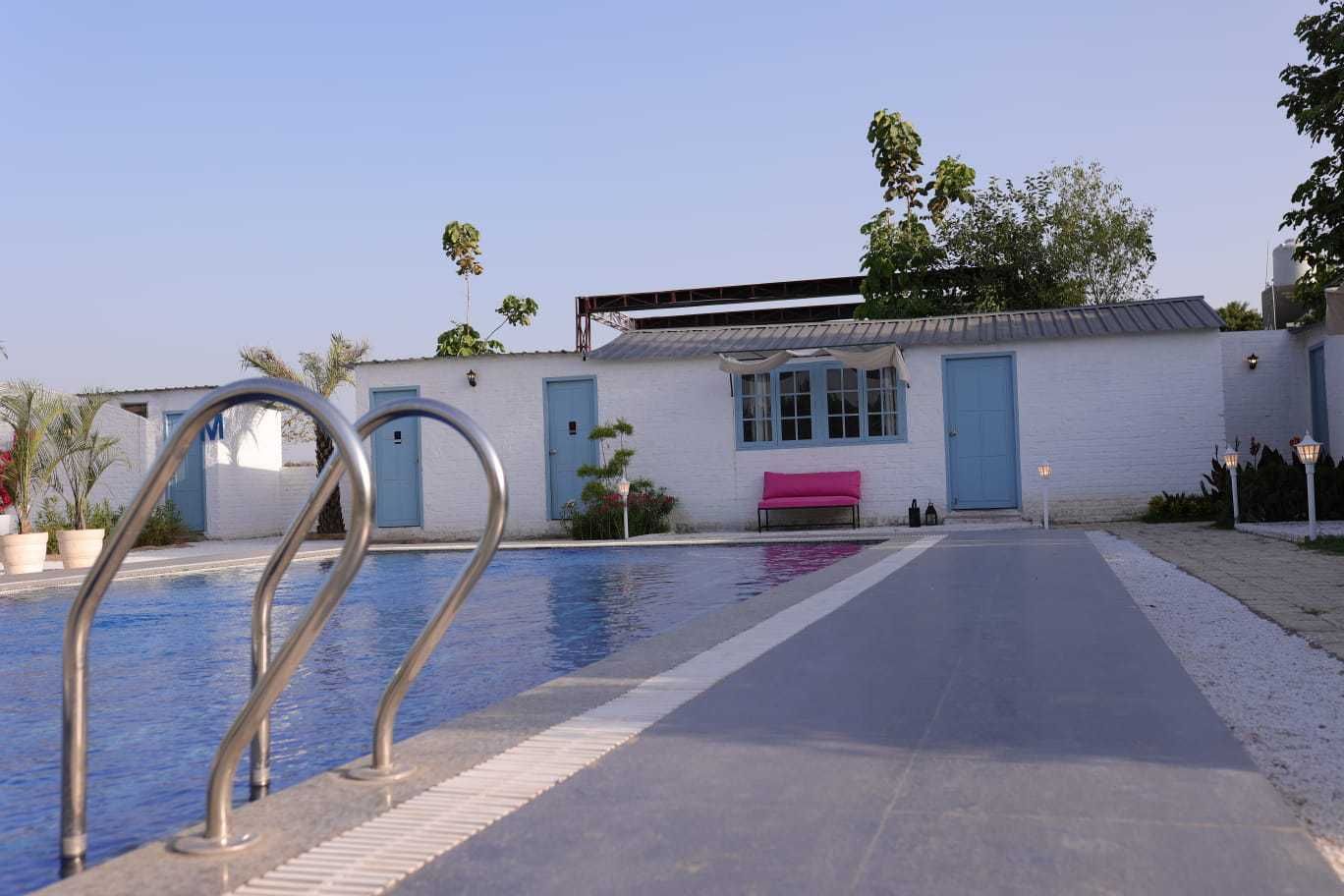
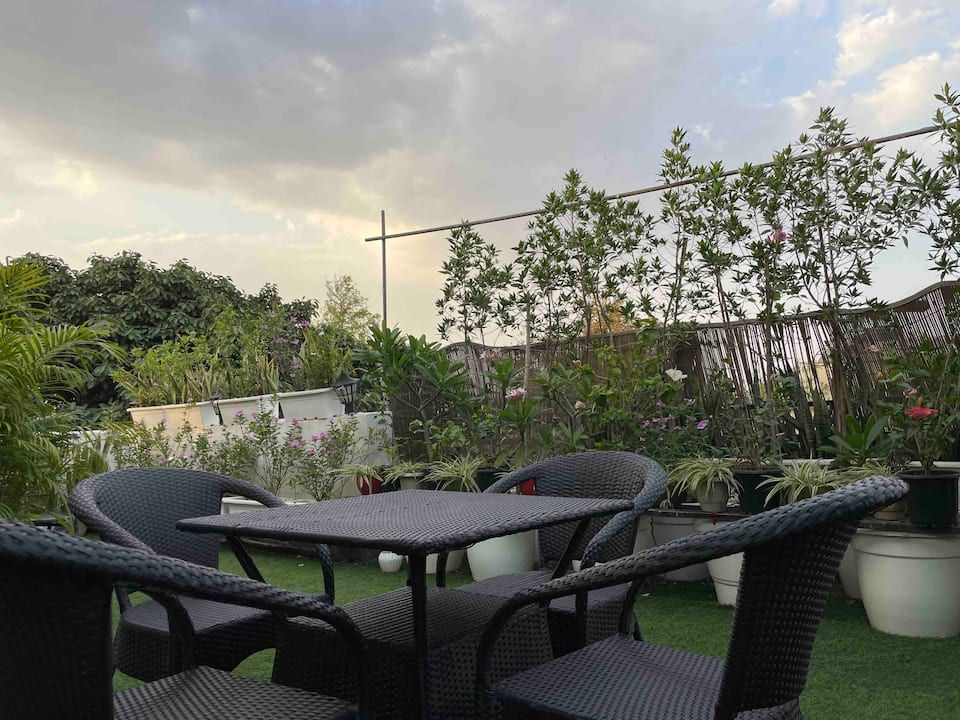
Travellers who prefer an overnight stay near Sultanpur can look beyond standard urban hotels to experience the peaceful countryside. The rural fringe between Gurugram and Jhajjar features farmstays, eco-friendly retreats, and private outdoor properties where you can wake up to morning bird calls and unobstructed country horizons.
Whether you are looking for a rustic cottage set amidst organic farmland, a quiet homestay with home-cooked regional meals, or an outdoor campsite suited for stargazing and relaxed weekends, you can discover and reserve well-located stays near Sultanpur on HireACamp.
Frequently asked questions
Why is Sultanpur famous?
Sultanpur is celebrated primarily for its rich wetland habitat and bird sanctuary, which provides a critical seasonal refuge for migratory waterbirds traveling along the Central Asian Flyway.
Which birds can you see in Sultanpur?
Visitors can see a wide variety of birds, including flamingos, painted storks, sarus cranes, northern pintails, common teals, pelicans, hoopoes, and several birds of prey.
When is the best season to go birdwatching in Sultanpur?
The peak birdwatching window runs from November through February, when thousands of migratory birds settle in the wetlands during the cool winter months.
How far is Sultanpur from Delhi and Gurugram?
Sultanpur is located in Haryana just west of Gurugram city and roughly forty kilometers from central areas of New Delhi, making it an easy day-trip destination by road.
Are there good places to stay near Sultanpur?
Yes, the surrounding rural belt offers peaceful homestays, nature retreats, and farm stays that can be easily browsed and booked through HireACamp.
Where you'll be
2 stays nearby shown with prices
Stays near Sultanpur
Book a place to stay close by
Things to do in Sultanpur
48 places creators recommend within 30 km


Lists for this area
Ranked by how many creators recommend each place


Built from 0 Instagram posts by 0 creators. Every tip links back to the post it came from, and where creators disagree we show both sides.






