
Sultanpur National Park
National park near Sultanpur, Haryana
1.9 km from Sultanpur
The nearest town, for stays, food and fuel.
Sultanpur National Park is a renowned wetland bird sanctuary situated in Farrukhnagar near Garhi Harsaru in Haryana. A declared Ramsar site, the park centers around a shallow freshwater lake that draws hundreds of resident and migratory bird species every year. It serves as an accessible natural retreat for birdwatchers, photographers, and nature enthusiasts traveling from the National Capital Region.
Getting there
By road
- From SultanpurNearest town8 min · 2.1 km
- From New Delhi1 hr 10 min · 46 km
- From Dehradun3 hr 45 min · 279 km
- From Jaipur4 hr · 286 km
Typical drive times without traffic. Stations and airports from OLA Maps; distances and typical drive times from OpenStreetMap (© OpenStreetMap contributors); notes from creators' Reels.
About Sultanpur National Park
Written with AI from map data and general knowledge. Check prices and timings locally before you go.
About Sultanpur National Park
Sultanpur National Park is one of the most prominent wetland reserves in northern India, located on the rural fringes of Gurugram along the road leading toward Farrukhnagar. Surrounded by agricultural fields and semi-arid scrub, the park centers around a natural depression that forms a shallow freshwater lake fed by monsoon runoff. Originally brought to prominence through the efforts of legendary ornithologist Dr. Salim Ali and conservationist Peter Jackson, the area was declared a bird sanctuary in 1972, upgraded to a national park in 1991, and later recognized globally as a Ramsar Wetland of International Importance.
The park protects a vulnerable wetland habitat in a region that has seen rapid urban expansion. Visiting Sultanpur National Park offers an immediate transition from crowded highways to an open, serene landscape where the calls of waterbirds fill the air. It provides an important educational space for naturalists and a peaceful green weekend getaway for travelers across Haryana and Delhi.
Birdwatching and Wildlife
The primary highlight of Sultanpur National Park is its remarkable diversity of birdlife. Throughout the year, resident species inhabit the open water, reed beds, and surrounding acacia woodland. Common resident birds include the painted stork, black-necked stork, white-throated kingfisher, red-wattled lapwing, purple sunbird, and Indian cormorant, many of which nest on the trees and secluded mounds across the lake.
During the winter months, the park becomes a major stopover and wintering ground for migratory waterfowl flying along the Central Asian Flyway. Thousands of birds arrive from Siberia, Central Asia, and northern Europe to feed and roost in the shallow waters. Visitors regularly spot bar-headed geese, greylag geese, northern pintails, northern shovelers, common teals, and gadwalls. Flocks of greater flamingos and elegant sarus cranes are also known to make seasonal appearances.
In addition to birdlife, the park shelters several terrestrial mammal species. Herds of nilgai, also known as blue bulls, roam the grasslands and dry scrub areas. Visitors walking quietly along the trails may also catch glimpses of golden jackals, jungle cats, Indian hares, and monitor lizards basking in the winter sun.
Read more
Exploring the Trails and Watchtowers
Exploring Sultanpur National Park is done entirely on foot along a well-defined loop path that runs around the core wetland. The walking track is shaded by indigenous trees like babool, neem, jamun, and ber, offering a comfortable and quiet walking environment. Information signboards placed at intervals introduce visitors to the different trees and common bird species found along the route.
To facilitate wildlife viewing without disturbing the birds, the park features several multi-level watchtowers and screened bird hides positioned around the lake. These elevated structures give visitors panoramic vantage points across the water, making it easier to scan the reed edges and distant islands with binoculars or spotting scopes. Near the entrance gate, an interpretation center offers displays, maps, and information on the seasonal migration patterns that define the sanctuary.
Best Time to Visit Sultanpur National Park
The best time to visit Sultanpur National Park is between late October and early March, when the sanctuary hosts its highest numbers of migratory birds. December and January represent the peak birdwatching season. During this period, the winter climate in Haryana is pleasant and cool, with bright sunny afternoons that are ideal for walking and photography.
Summers in this region, stretching from April to June, bring intense heat, dry winds, and receding water levels, leading to quiet trails and low bird numbers. The monsoon months from July to September bring life back to the marshland, turning the park lush and green. During the monsoon and breeding season, parts of the park may have restricted access or undergo seasonal maintenance, so travelers should verify current operational schedules locally before planning a trip.
How to Reach Sultanpur National Park
Sultanpur National Park is located along Sultanpur Road near Farrukhnagar, approximately fifteen kilometers from Gurugram and around thirty-five to forty kilometers southwest of central Delhi. Traveling by road is the most convenient option, with private vehicles, taxis, and app-based cabs readily available across the National Capital Region. The park can be accessed via the Gurugram-Jhajjar highway or via the Western Peripheral Expressway, with typical driving times ranging between one and two hours depending on local traffic.
For travelers using railways, the nearest local station is Garhi Harsaru Junction, located just a short drive from the park entrance. Major long-distance train connections are available at Gurgaon railway station and the primary railway terminals of New Delhi. Indira Gandhi International Airport in New Delhi is the nearest airport, situated about thirty-five kilometers away, from where taxis can be hired directly to the sanctuary.
Tips for Your Visit
To make the most of your trip to Sultanpur National Park, carry a good pair of binoculars or a camera fitted with a telephoto zoom lens. Many migratory birds tend to congregate on the central islands and distant mudflats, making magnification essential for close observation. Wear comfortable walking shoes, as the perimeter trail covers several kilometers, and wear muted, nature-toned clothing to avoid startling the wildlife.
Maintain silence along the trails and inside the observation hides. Loud talking, music, and straying off the designated footpaths into the marsh are prohibited and disturb resting birds. Single-use plastics, smoking, and littering are strictly banned within the park boundaries. Carry drinking water and sun protection, and check entry guidelines and photography permit details locally at the ticket counter upon arrival.
Where to Stay near Sultanpur National Park
While most visitors head to Sultanpur National Park on a day excursion from Delhi, Gurugram, or neighboring cities, staying overnight in the countryside near Farrukhnagar provides a relaxed and scenic rural escape. The surrounding belt offers agricultural land, fresh air, and an unhurried atmosphere away from metropolitan noise.
Travelers interested in an outdoor getaway can look for farmstays, nature retreats, and camping options in the region through HireACamp. An overnight stay nearby allows you to reach the park gates early in the morning when the light is best and bird activity is at its highest.
Frequently asked questions
What is Sultanpur National Park famous for?
Sultanpur National Park is famous as a Ramsar-designated wetland sanctuary that provides critical wintering grounds for thousands of migratory waterbirds from Central Asia and Siberia, alongside rich resident birdlife and indigenous mammals.
What is the best time of year to see migratory birds here?
The migratory season lasts from late October through early March, with December and January offering the highest concentration and variety of waterfowl.
Are vehicles allowed inside the park?
No, vehicles are not permitted past the entrance gates. Visitors explore the park entirely on foot along designated perimeter trails and observation watchtowers.
What wildlife can you see besides birds at Sultanpur?
Aside from hundreds of bird species, the park is home to mammals such as nilgai (blue bull), golden jackals, jungle cats, and monitor lizards.
How far is Sultanpur National Park from Gurugram and Delhi?
The park is located approximately 15 kilometers from central Gurugram and roughly 35 to 40 kilometers from central Delhi, typically taking one to two hours by road depending on traffic.
Where you'll be
Sultanpur Road, Farrukh Nagar, HR · 2 stays nearby shown with prices
Stays near Sultanpur National Park
Book a place to stay close by

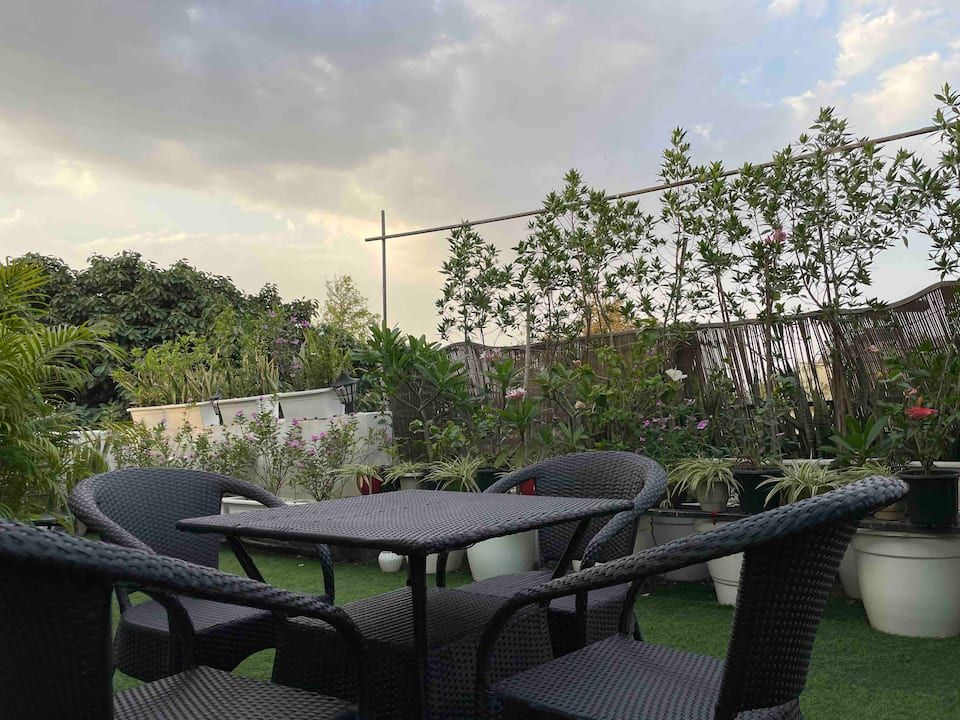
More places near Sultanpur National Park
Within 20 km


Lists for this area
Ranked by how many creators recommend each place


Built from 0 Instagram posts by 0 creators. Every tip links back to the post it came from, and where creators disagree we show both sides.






