
Sultanpur Lake
Lake near Sultanpur, Haryana
2 km from Sultanpur
The nearest town, for stays, food and fuel.
Sultanpur Lake is a tranquil freshwater wetland located near Farrukh Nagar in Haryana, known for its rich avian diversity. The shallow lake and its surrounding greenery serve as an essential feeding and resting ground for thousands of resident and migratory waterbirds. Nature lovers, birdwatchers, and day-trippers frequently visit the lake to escape the concrete expanse of the National Capital Region.
Getting there
By road
- From SultanpurNearest town5 min · 2.3 km
- From New Delhi1 hr 5 min · 45 km
- From Dehradun3 hr 45 min · 279 km
- From Jaipur4 hr · 287 km
Typical drive times without traffic. Stations and airports from OLA Maps; distances and typical drive times from OpenStreetMap (© OpenStreetMap contributors); notes from creators' Reels.
About Sultanpur Lake
Written with AI from map data and general knowledge. Check prices and timings locally before you go.
About Sultanpur Lake
Sultanpur Lake lies in the southern plains of Haryana, surrounded by agricultural fields and typical semi-arid vegetation. The lake is essentially a shallow, seasonal wetland that collects seasonal rainwater and agricultural runoff, creating an ideal marshy haven for aquatic life. The fringes are thick with trees like dhok, babool, and ber, interspersed with reeds and tall grasses that provide vital roosting and nesting spaces for birds.
Over the decades, the wetland has transformed into an ecologically significant habitat, gaining recognition as a prime site for avian conservation in northern India. Unlike fast-moving rivers or deep reservoirs, the calm, shallow waters here allow waterbirds to wade, forage, and nest undisturbed. For visitors travelling from nearby cities like Gurugram and Delhi, the lake offers an abrupt shift from dense urban infrastructure to open skies, quiet trails, and the sounds of wildlife.
Birdwatching and Wildlife at Sultanpur Lake
The primary draw of Sultanpur Lake is its impressive birdlife. The wetland supports an array of indigenous species throughout the year, including spot-billed ducks, painted storks, white ibises, black-headed ibises, and several types of egrets and herons. Around the terrestrial edges and thorny scrubland, one can spot terrestrial birds like peacocks, grey francolins, laughing doves, and various species of babblers.
During the colder months, the water body comes alive with migratory birds that travel thousands of kilometres along the Central Asian Flyway. Flocks of bar-headed geese, greylag geese, northern pintails, common teals, shovellers, and mallards settle across the water. Waders such as ruffs, godwits, and sandpipers pick along the muddy shorelines, while raptors like the marsh harrier and spotted eagle can sometimes be seen circling overhead in search of prey. Mammals such as blue bulls (nilgai), golden jackals, and striped hyenas also inhabit the surrounding scrub, occasionally visible from designated paths.
Read more
Best Time to Visit Sultanpur Lake
The ideal period to visit Sultanpur Lake spans from late October through early March. During these months, the weather in northern India is pleasant, with crisp mornings, moderate afternoon temperatures, and cool evenings. This window coincides with peak bird migration, making it the most rewarding time for bird enthusiasts and photographers.
Visiting during the summer months from April to June is generally not recommended, as the region experiences intense dry heat, with temperatures often climbing past forty degrees Celsius. During peak summer, the lake surface shrinks considerably, and avian activity diminishes to a handful of hardy local residents. The monsoon season from July to September revitalises the basin and turns the surrounding landscape lush, but high humidity and unpredictable rainfall make sustained outdoor walking challenging.
Things to Do Around the Lake
A visit to Sultanpur Lake is largely centred around quiet observation and nature walks. A well-laid walking path typically encircles parts of the wetland, allowing visitors to walk at an unhurried pace under the canopy of native trees. Along the trail, elevated watchtowers and vantage points offer broad perspectives over the water, giving observers a clear view of islands where flocks gather to rest and dry their wings.
Beyond walking, photography is a major activity here. Photographers set up telephoto lenses early in the morning to capture birds against the soft dawn light and rising mist. There is also an interpretation centre on the premises where visitors can learn about migratory routes, local ecosystems, and bird calls through educational displays. It is a peaceful place to spend half a day learning about wetlands without the noise and rush of typical tourist spots.
How to Reach Sultanpur Lake
Sultanpur Lake is easily accessible from Delhi and Gurugram by road. From central Gurugram, the lake is situated approximately twenty kilometres away, along the road leading towards Farrukh Nagar. The drive takes around forty-five minutes to an hour under normal road conditions, making it one of the most accessible natural getaways in the region.
If you are travelling from Delhi, the lake is approximately forty to fifty kilometres away, depending on your starting point in the city. The nearest railway station on the local rail network is Garhi Harsaru, while major express trains stop at Gurugram and New Delhi railway stations. Public buses and auto-rickshaws connect Gurugram to Farrukh Nagar, though hiring a private taxi or driving yourself provides the greatest flexibility, especially if you wish to arrive at sunrise.
Tips for Your Visit
To make the most of your time at Sultanpur Lake, aim to arrive as early in the morning as entry guidelines allow. Wildlife activity is highest during the first couple of hours after sunrise, and the lighting is best for photography before the midday glare sets in. Carry a good pair of binoculars, as many waterfowl tend to remain near the centre of the lake, far from the walking paths.
Dress in muted, earth-toned clothing like greens, browns, and khakis to avoid startling wildlife. Comfortable walking shoes are a must, as you may end up covering several kilometres on foot. Keep your voice down along the trails, avoid using mobile phone speakers, and stay strictly on designated footpaths. Carry your own drinking water in a reusable bottle, as single-use plastics are discouraged to keep the wetland ecosystem clean and safe for birds.
Where to Stay near Sultanpur Lake
While Sultanpur Lake can easily be experienced as a half-day trip from Delhi or Gurugram, spending a night nearby offers a slower and more immersive rural retreat. Staying close to the sanctuary allows you to reach the lake gates right at dawn without having to navigate morning highway traffic.
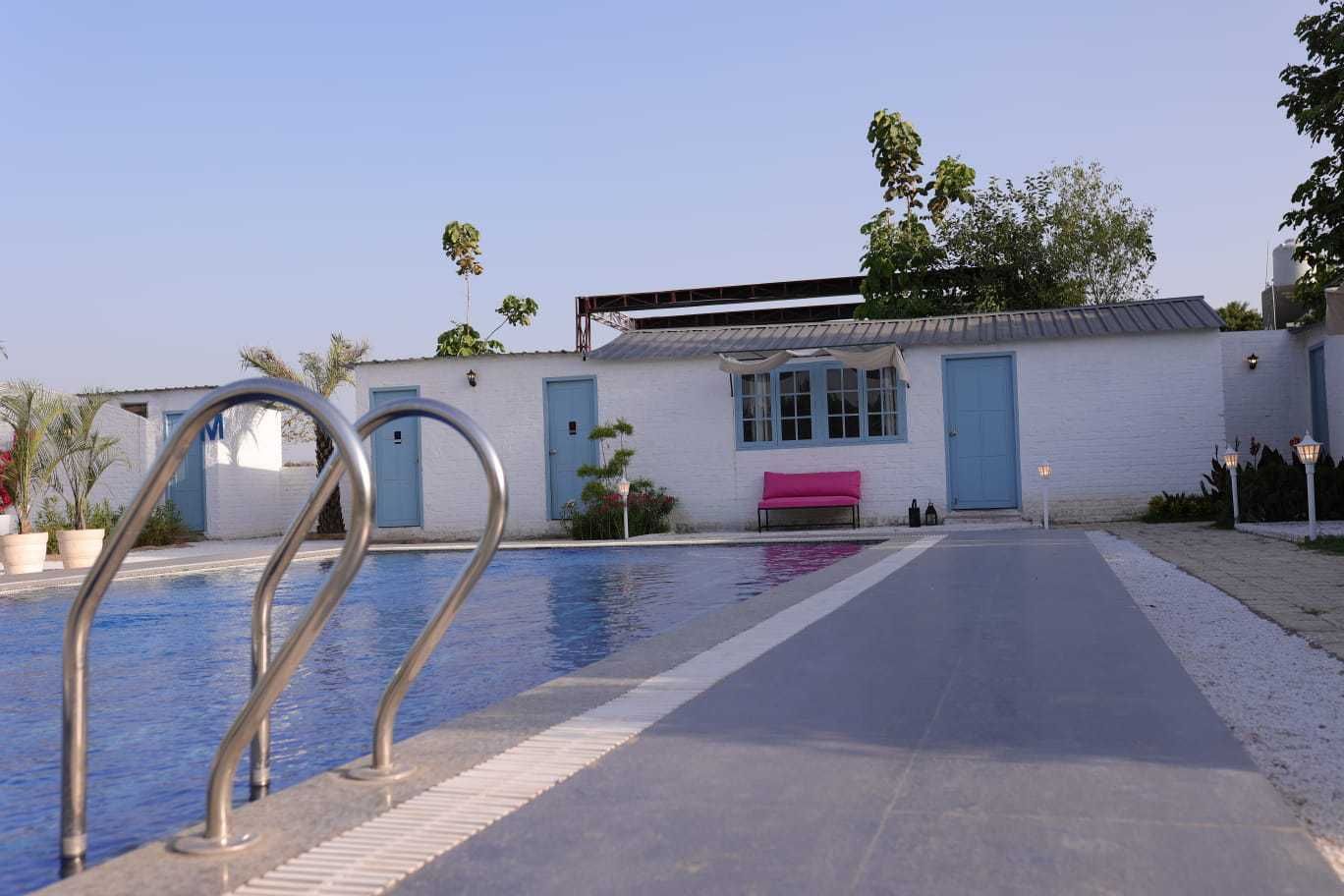
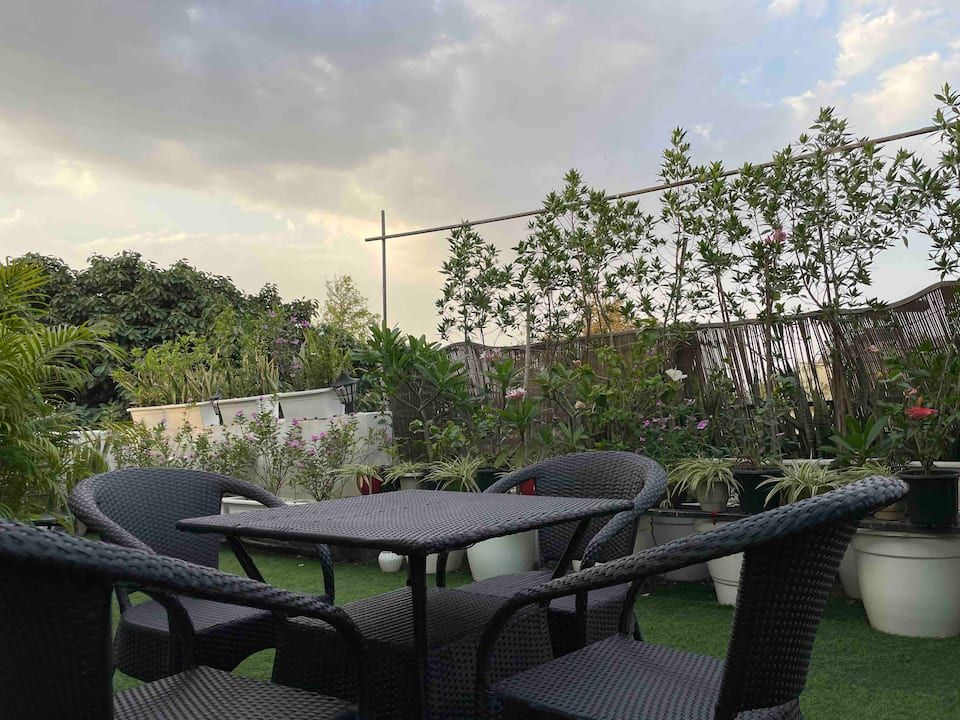
A variety of homestays, farm stays, and nature camps situated in the surrounding green belts of Haryana can be found on HireACamp. These properties often feature expansive open lawns, local North Indian cuisine, and quiet settings, offering a refreshing contrast to the high-rise atmosphere of the neighbouring cities.
Frequently asked questions
Which is the best season for birdwatching at Sultanpur Lake?
The winter season between November and February is the best time for birdwatching, as thousands of migratory birds fly in from Central Asia and northern latitudes to settle on the lake.
Is Sultanpur Lake suitable for family visits and children?
Yes, Sultanpur Lake is a calm, educational destination for families and children, offering wide paved trails, observation towers, and an interpretation centre explaining local wildlife.
How far is Sultanpur Lake from Gurugram and Delhi?
Sultanpur Lake is located about twenty kilometres from central Gurugram and roughly forty to fifty kilometres from central Delhi, depending on your departure point.
What should I pack for a morning at Sultanpur Lake?
Bring a good pair of binoculars, a camera with a zoom lens, drinking water, sun protection, and comfortable walking shoes. Layered, warm clothing is recommended for winter mornings.
Can I visit Sultanpur Lake in the summer?
While the area can be visited in summer, temperatures can get uncomfortably high and bird numbers drop significantly as the water levels recede, making winter a much better choice.
Where you'll be
Farrukh Nagar, HR · 2 stays nearby shown with prices
Stays near Sultanpur Lake
Book a place to stay close by
More places near Sultanpur Lake
Within 20 km


Lists for this area
Ranked by how many creators recommend each place


Built from 0 Instagram posts by 0 creators. Every tip links back to the post it came from, and where creators disagree we show both sides.






