
Sultanpur Bird Sanctuary
Bird sanctuary near Gurugram, Haryana
1 km from Gurugram
The nearest town, for stays, food and fuel.
Sultanpur Bird Sanctuary, located near Gurugram in Haryana, is a vital freshwater wetland and designated national park known for its rich avian life. The sanctuary serves as an essential winter refuge for thousands of migratory waterbirds travelling along the Central Asian Flyway. Nature lovers, wildlife photographers, and city dwellers visit the reserve to observe diverse bird species in a quiet natural habitat just outside the National Capital Region.
Getting there
By road
- From GurugramNearest town5 min · 1.5 km
- From New Delhi45 min · 29 km
- From Jaipur3 hr 55 min · 270 km
- From Dehradun4 hr 15 min · 295 km
Typical drive times without traffic. Stations and airports from OLA Maps; distances and typical drive times from OpenStreetMap (© OpenStreetMap contributors); notes from creators' Reels.
About Sultanpur Bird Sanctuary
Written with AI from map data and general knowledge. Check prices and timings locally before you go.
About Sultanpur Bird Sanctuary
Sultanpur Bird Sanctuary is an ecological haven situated in the southern plains of Haryana, bordered by the bustling urban center of Gurugram. The sanctuary centers around a shallow freshwater lake surrounded by seasonal marshes, acacia scrubland, and open grasslands. Over several decades, this fragile wetland evolved into an officially recognized national park and a wetland of international importance, providing sanctuary to both endemic and nomadic wildlife.
The terrain is typical of the Indo-Gangetic semi-arid landscape. During good monsoon seasons, rainwater inundates the depression, rejuvenating the aquatic vegetation, insects, and fish populations that aquatic birds depend upon. As the waters stabilize, the park becomes a mosaic of open water bodies, reed beds, mudflats, and wooded perches that support an exceptional diversity of ecological niches within a relatively compact footprint.
Birdlife and Wildlife at Sultanpur
The sanctuary is celebrated primarily as a premier birdwatching destination in northern India. Over two hundred species of birds have been documented within its boundaries across different seasons. In the winter months, migratory birds arrive from distant regions such as Central Asia, Siberia, and Eastern Europe. Flocks of bar-headed geese, greylag geese, northern pintails, common teal, and spot-billed ducks gather across the water, while tall sarus cranes and black-necked storks pace through the shallows.
Apart from aquatic species, the surrounding thickets and grasslands are home to various raptors, including western marsh harriers, black-winged kites, and crested serpent eagles. Resident species such as painted storks, Indian rollers, Asian openbills, and little cormorants can be spotted throughout the year. The terrestrial habitat also supports a variety of mammals, most noticeably herds of nilgai roaming the open fields, alongside golden jackals, striped hyenas, and monitor lizards that inhabit the denser vegetation.
Read more
Best Time to Visit Sultanpur Bird Sanctuary
The ideal time to visit Sultanpur Bird Sanctuary is between November and February. During this winter window, temperatures are pleasant and cool, with mild mornings and sunny afternoons that create comfortable conditions for outdoor walking. Most importantly, the seasonal migratory flocks are settled on the lake in peak numbers during these months, offering the most rewarding birdwatching opportunities.
By late March, rising temperatures prompt migratory species to begin their northward journey back to their breeding grounds. Summer in Haryana brings intense heat, with dry winds and receding water levels that make birding strenuous during the middle of the day. The monsoon season between July and September replenishes the wetland basin and turns the sanctuary lush and green, attracting breeding resident birds, though walking paths can be damp and muddy after continuous rains.
Things to Do at Sultanpur Bird Sanctuary
Walking the well-maintained nature trails is the central activity at the sanctuary. The perimeter path encircles the lake, allowing visitors to view the water and fringing marshes from multiple angles. Strategically positioned watchtowers provide elevated vantage points that allow birdwatchers and photographers to scan the expanse of water without disturbing resting flocks.
Photography enthusiasts will find excellent conditions during the early morning hours, when soft natural light illuminates the misty water surface and birds are actively feeding. Inside the reserve, an interpretation center offers basic information on wetland ecology and the flight paths of migratory species, making a stroll through the grounds informative for both beginners and experienced birders.
How to Reach Sultanpur Bird Sanctuary
Sultanpur Bird Sanctuary is situated roughly fifteen kilometers outside central Gurugram and can be easily reached by road. The sanctuary lies along the Gurugram-Jhajjar highway and connects smoothly to major routes within the National Capital Region, including the Western Peripheral Expressway and regional arterial roads.
Travelers driving from New Delhi or central Gurugram can reach the park gates by car or hired taxi in moderate driving conditions. The nearest major airport is Indira Gandhi International Airport in New Delhi, situated a short road journey away. Gurugram railway station serves as the nearest railhead, while Delhi metro stations in Gurugram provide the closest rapid transit links, from where local cabs can be arranged for the onward drive.
Tips for Your Visit
Arriving early in the morning yields the best bird sightings, as birds are most active around dawn and the grounds are quietest before general daytime visitors arrive. A good pair of binoculars or a telephoto lens is essential for observing waterbirds resting in the center of the lake without encroaching on their territory.
Wear sturdy, flat walking shoes suited to dirt paths, as exploring the full circuit requires several kilometers of walking on foot. Choose muted clothing colors such as khaki, olive, or beige to avoid startling the birds. Carry your own drinking water, and take care to carry any personal waste back with you to preserve the sanctuary grounds. Remember that sound travels quickly across open water, so maintaining a low speaking volume ensures a better experience for fellow visitors and protects the natural tranquility of the wildlife.
Places to Visit Nearby
Travelers spending time in the region can combine a morning at Sultanpur Bird Sanctuary with cultural and historic landmarks across southern Delhi and the Haryana borderlands. Historic monuments such as Qutab Minar and the surrounding Mehrauli Archaeological Park lie within easy reach by road, offering extensive walks through centuries of architectural heritage.
Nearby landscaped public greens like Lodhi Garden, Sunder Nursery, and The Garden of Five Senses provide additional open spaces for gentle strolls and tree spotting. The vibrant urban amenities, shopping districts, and dining scenes of Gurugram are also close at hand, allowing visitors to pair peaceful nature outings with modern conveniences.
Where to Stay near Sultanpur Bird Sanctuary
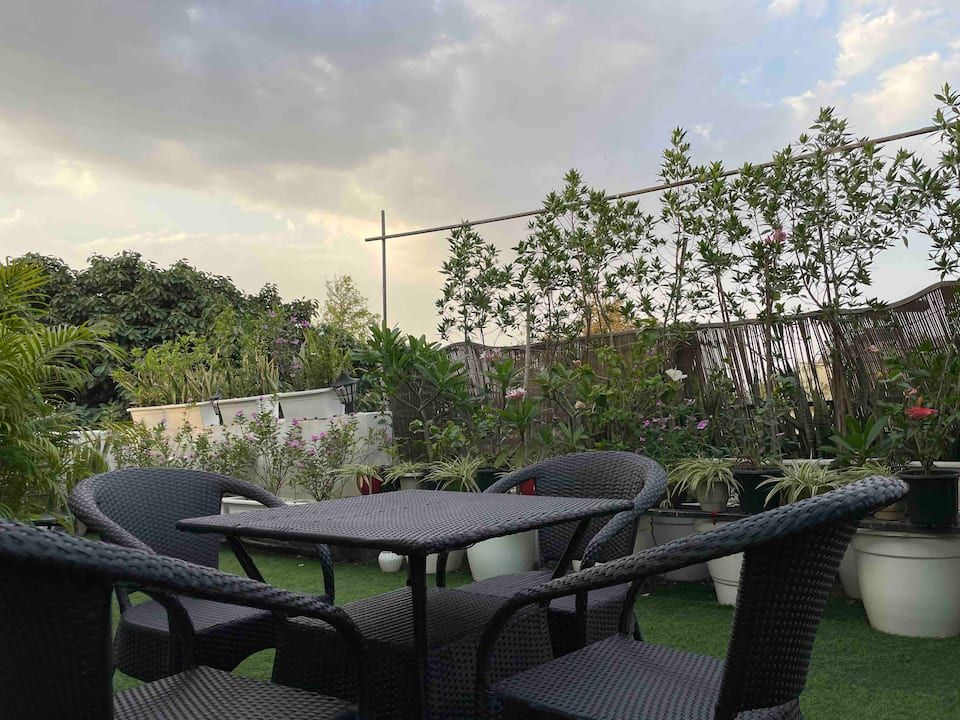
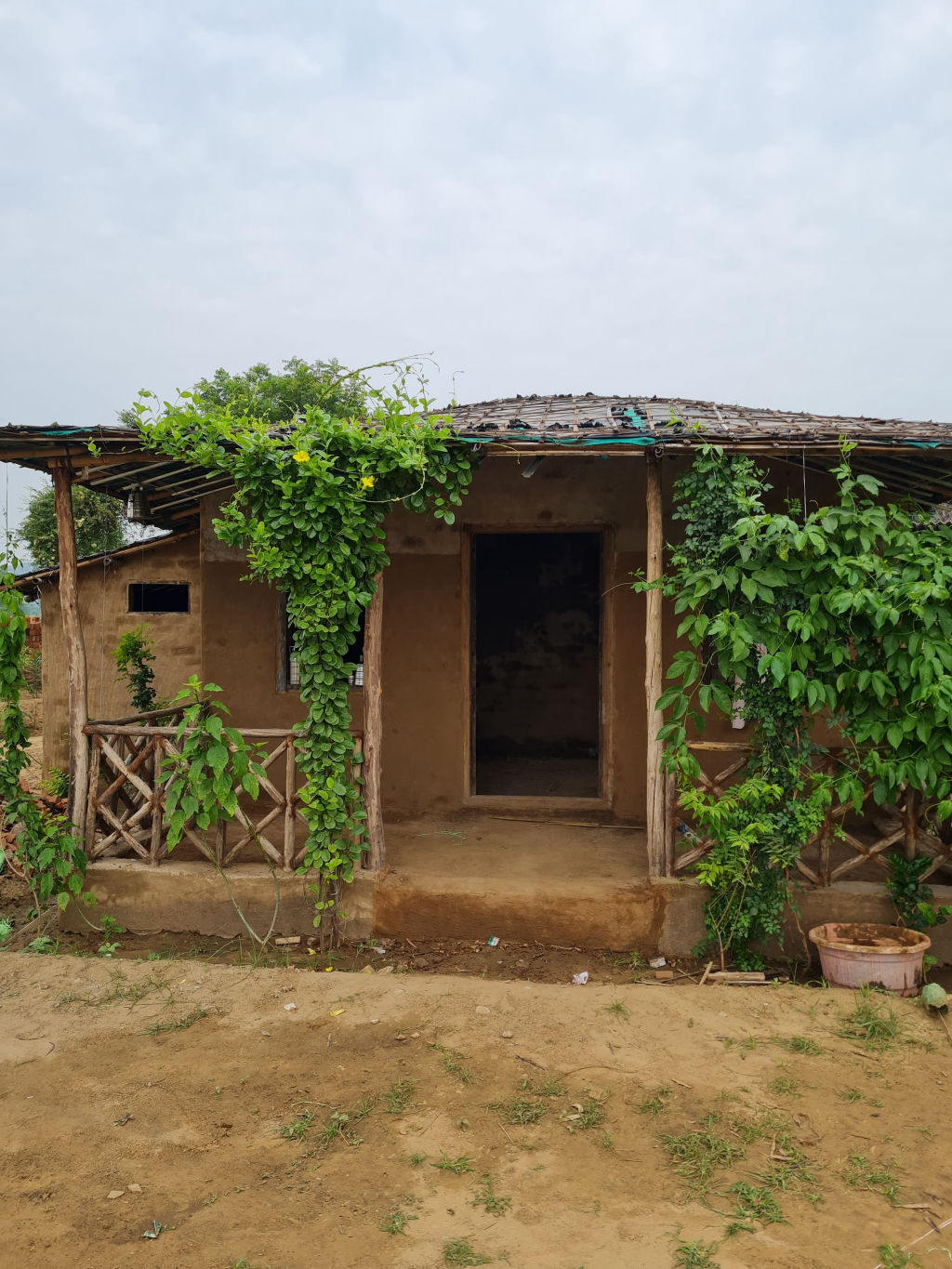
Those wishing to spend a few quiet days away from city crowds can explore experiential stays in the surrounding countryside. Rural farm stays, nature retreats, and eco-camps dotted around the southern outskirts of Gurugram and the Aravalli belt offer a tranquil base within convenient driving distance of the sanctuary.
You can find and book homestays, rural cottages, and outdoor camping experiences close to Sultanpur Bird Sanctuary on HireACamp. Staying in the immediate vicinity allows you to wake up close to the sanctuary gates and reach the trails right at daybreak.
Frequently asked questions
What is the best time of year to see migratory birds at Sultanpur Bird Sanctuary?
The peak season for migratory birds is from late November through February, when wintering flocks arrive from northern latitudes to populate the wetland.
How far is Sultanpur Bird Sanctuary from Gurugram?
The sanctuary is located approximately fifteen kilometers from the center of Gurugram and can be reached by car along the Gurugram-Jhajjar road.
Do I need special equipment to enjoy birdwatching here?
While not mandatory, carrying a pair of binoculars and a bird field guide significantly enhances the experience, as many waterbirds rest in the deeper, central sections of the lake.
Can you walk around the entire lake inside the sanctuary?
Yes, there is a circular walking path that traces the perimeter of the wetland, along with several watchtowers where visitors can pause to look over the water.
Are private vehicles allowed inside the sanctuary grounds?
Private vehicles are restricted to designated parking zones outside the main entrance, and the sanctuary interior must be explored entirely on foot.
Where you'll be
Gurugram, HR · 4 stays nearby shown with prices
Stays near Sultanpur Bird Sanctuary
Book a place to stay close by


More places near Sultanpur Bird Sanctuary
Within 20 km


Lists for this area
Ranked by how many creators recommend each place


Built from 0 Instagram posts by 0 creators. Every tip links back to the post it came from, and where creators disagree we show both sides.






