
Hauz Khas Fort
Fort near Hauz Khas, Delhi
2 posts · 1 sourced tip
Guide from 2 posts by 2 creators
@nomadic.nikk, @vlogsjrahatke
200 m from Hauz Khas
The nearest town, for stays, food and fuel.
Loved by 2 creators
2 posts on Instagram.
Visiting Hauz Khas Fort During Monsoon
Observations regarding seasonal greenery at Hauz Khas Fort and the adjoining lake park.
Good to know
Tips from creators' posts. Each one links to its source.
Seasonal Conditions
The Hauz Khas fort complex and the adjacent lake park become lush green during the monsoon season.
Reported by @nomadic.nikkSource
Getting there
By road
- From Hauz KhasNearest town1 min · 100 m
- From New Delhi23 min · 9.1 km
- From New Delhi23 min · 9.1 km
- From Dehradun3 hr 45 min · 233 km
By train, bus or air
- New DelhiNearest railway station36 min · 13 km
- KaushambiNearest bus stand42 min · 23 km
- Indira Gandhi International AirportNearest airport34 min · 16 km
The last stretch
- The fort and adjoining lake park turn lush green during the monsoon rains.
Typical drive times without traffic. Stations and airports from OLA Maps; distances and typical drive times from OLA Maps and OpenStreetMap (© OpenStreetMap contributors); notes from creators' Reels.
About Hauz Khas Fort
Written with AI from creators' posts and map data. Check prices and timings locally before you go.
History of Hauz Khas Fort
Hauz Khas Fort stands as a remarkable relic of the Delhi Sultanate, tracing its origins to the reign of Sultan Alauddin Khilji in the late thirteenth century. Khilji originally excavated a massive water reservoir known as Hauz-i-Alai to supply water to the nearby garrison city of Siri. Decades later, during the mid-fourteenth century, Sultan Firoz Shah Tughlaq restored and cleared the silted reservoir, renaming it Hauz Khas, which translates to the royal tank. Firoz Shah expanded the site considerably by constructing an extensive Islamic seminary or madrasa, along with multiple domed pavilions, assembly halls, and his own tomb overlooking the water.
The complex functioned as one of the leading educational and religious institutions of medieval India, attracting scholars and students from across the Islamic world. Today, the surviving stone corridors, multi-tiered colonnades, and arched openings offer a tangible window into Delhi's medieval urban planning and royal patronage. Wandering through the remains reveals layers of building phases that reflect how past rulers balanced civic infrastructure, scholarly pursuits, and ceremonial architecture within a single tranquil enclosure.
Architecture and Landscape of the Complex
The architectural layout of Hauz Khas Fort is distinctly shaped by its elevated position along the southeastern banks of the lake. Built predominantly using Delhi quartzite rubble stone and dressed grey stone, the complex features a combination of Tughlaq-era structural engineering, marked by sloping walls, stone brackets, and deep-set lintels. An L-shaped two-storey madrasa stretches along the edge of the reservoir, containing a series of interconnected study cells, classrooms, and pillared halls that opened directly to cool breezes blowing over the water.
At the intersection of the two wings stands the tomb of Firoz Shah Tughlaq, a square, domed structure adorned with carved plaster details, squinches, and decorative stone lattices. Surrounding the main buildings are scattered pavilions, known as chattris, set amidst manicured lawns and gentle slopes. Adjacent to the fort lies the extensive green expanse of the Deer Park, creating a seamless natural buffer of wooded pathways, water bodies, and bird habitats that make the heritage site feel insulated from modern city traffic.
Read more
Hauz Khas Fort in the Monsoon
While the ruins hold architectural intrigue throughout the year, the monsoon brings a dramatic aesthetic shift to the entire enclave. During the rainy season, the Hauz Khas fort complex and the adjacent lake park become remarkably lush and green. The stone walls, often weathered and parched during the dry summer, are framed by fresh vegetation, wild moss, and renewed tree canopies that spread across the embankments.
The lake itself fills with rainwater, reflecting the overcast skies and the medieval arches perched above the waterline. The surrounding park pathways become fragrant with damp earth, offering visitors a tranquil environment to walk under light showers or mist. For photographers and leisurely walkers, the monsoon months offer vibrant, contrasting scenery where ancient grey masonry meets deep green foliage, bringing out details in the stonework that are easily overlooked during harsher, drier weather.
Best Time to Visit Hauz Khas Fort
Delhi experiences distinct seasonal variations, making timing an essential consideration when planning your trip. The winter months, spanning from October through March, are generally considered the most comfortable period for exploring open-air heritage monuments. During this time, daytime temperatures are mild and sunny, allowing travellers to leisurely inspect the ruins, walk around the lake, and relax on the lawns without discomfort.
The monsoon period, between July and September, is another excellent time to visit for those who enjoy dramatic cloudy skies and verdant scenery, as the foliage is at its freshest. In contrast, the peak summer months between April and June bring intense heat and dry conditions during the middle of the day. If visiting in the summer, plan your outing for the early morning hours or late afternoon to avoid peak temperatures and direct sunlight on the unshaded stone terraces.
How to Reach Hauz Khas Fort
Located in the southern quadrant of Delhi, Hauz Khas Fort is well connected by road to different parts of the National Capital Region and neighbouring states. From Central New Delhi, the driving distance is around 9 km, taking approximately 23 minutes under smooth, traffic-free conditions. Road connectivity across the city is robust, making city taxis, auto-rickshaws, and public transport such as the metro convenient options for reaching the complex.
Travellers arriving from other major North Indian cities can reach the site via well-maintained national highways. The drive from Chandigarh covers around 268 km and typically takes about 5 hours in clear conditions. From Dehradun, the road journey is approximately 233 km and takes around 3 hours and 40 minutes. For those driving from Jaipur, the distance is roughly 303 km, requiring approximately 4 hours and 40 minutes of driving time. Actual travel times will vary based on city congestion and peak-hour traffic, so leaving early in the morning is recommended.
Places to Visit Around Hauz Khas Fort
The surrounding South Delhi region is densely packed with celebrated historical sites and cultural landmarks. Just 3 km to the south stands the monumental Qutab Minar complex, famed for its towering minaret and early Sultanate stone carvings. A short distance further lies the Mehrauli Archaeological Park, around 4 km away, featuring centuries of monuments, stepwells, and ancient ruins tucked inside a wooded landscape.
Nature and garden enthusiasts will appreciate Lodhi Garden, situated roughly 5 km north, where fifteenth-century tombs of the Sayyid and Lodi dynasties sit inside manicured flowerbeds and walking tracks. For more heritage wonders, Humayun’s Tomb is located around 7 km away, showcasing the pinnacle of early Mughal garden tomb architecture. Other major sites within easy driving reach include the Bahá’í Lotus Temple, about 6 km away, and the historic civic heart of Connaught Place and Central Park, approximately 9 km to the north, offering ample cultural and urban exploration opportunities.
Tips for Visiting Hauz Khas Fort
Because the fort contains split-level courtyards, uneven stone steps, and expansive outdoor grounds, wearing comfortable walking shoes is strongly recommended. The paths around the reservoir and adjoining deer park cover a significant distance, making it rewarding for visitors who enjoy long walks. Bring a water bottle to stay hydrated, along with sun protection such as a cap or umbrella during sunny days.
Those interested in heritage photography will find early morning and late afternoon light ideal for capturing the lake and stone arches. As rules regarding opening hours, ticketing, and permitted equipment can change periodically, travellers should verify current access conditions locally before arriving.
Where to Stay near Hauz Khas Fort
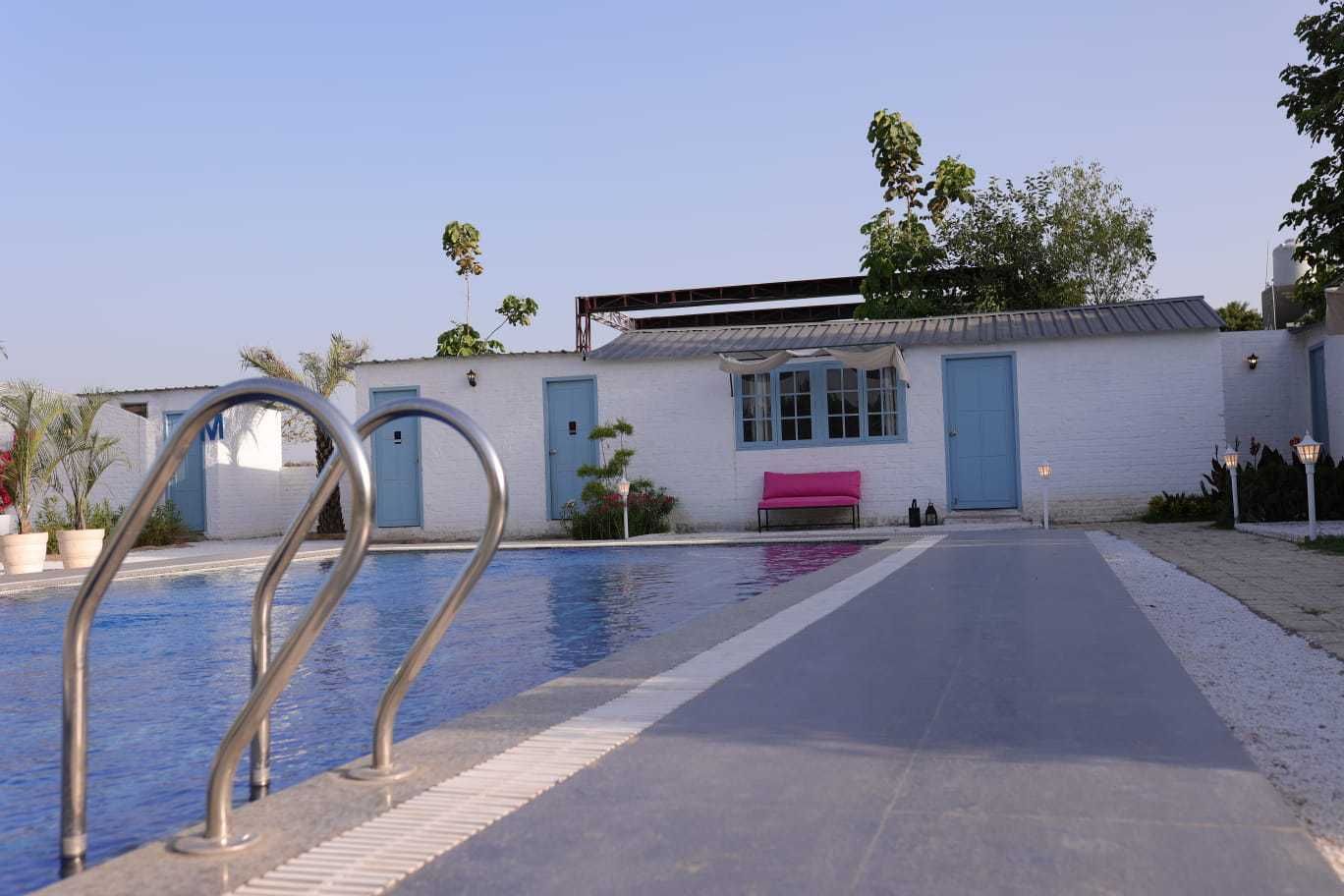
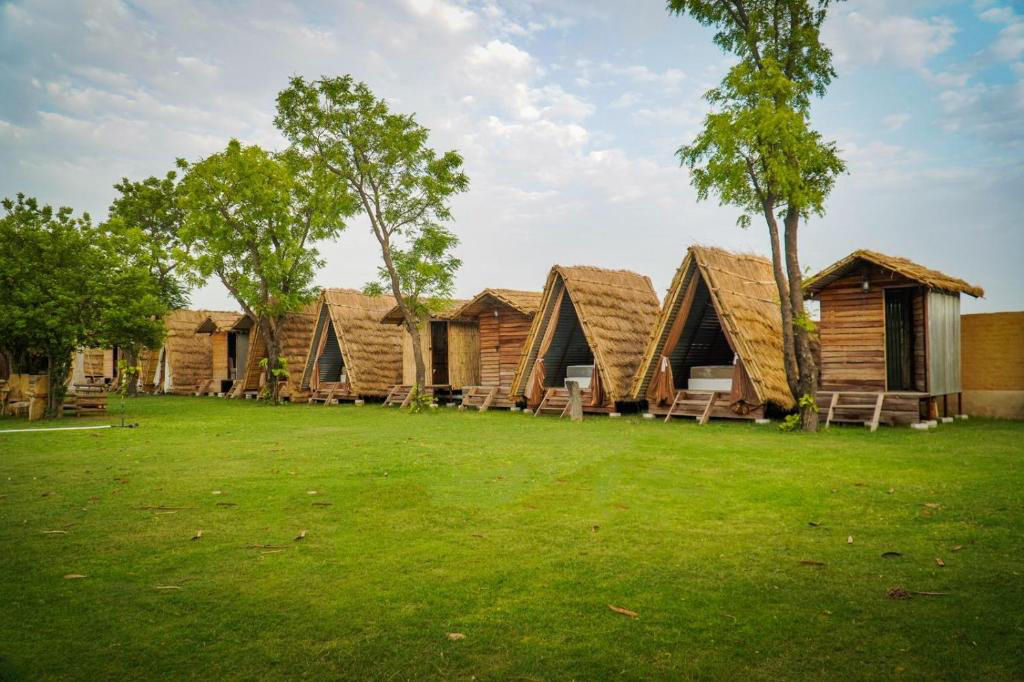
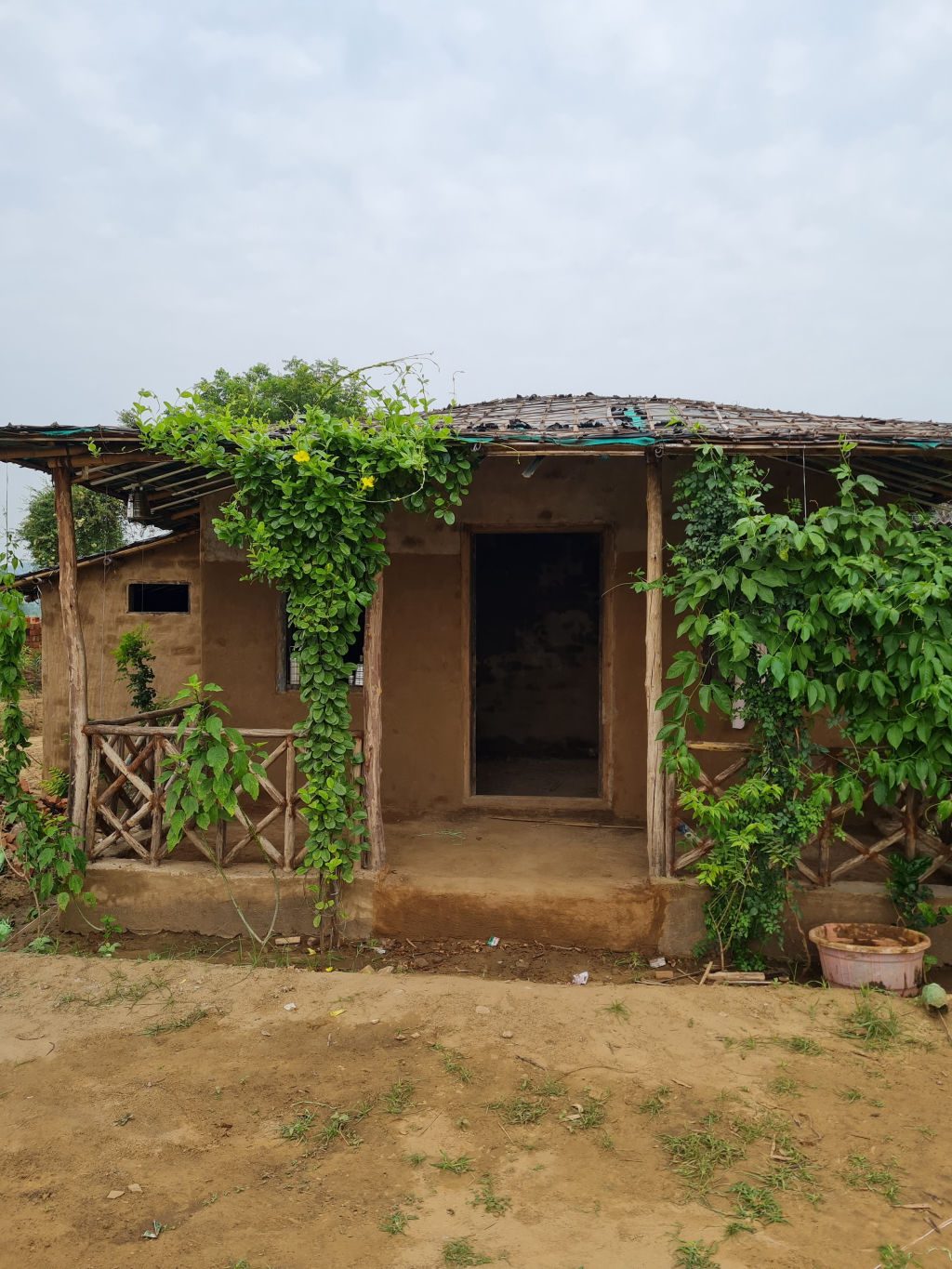
Finding a well-located base allows you to explore South Delhi's historic monuments, green spaces, and cultural quarters at a relaxed pace. Whether you are looking for peaceful homestays tucked into quiet residential neighbourhoods or nature-friendly getaways on the edge of the capital, a variety of accommodation options can be discovered on HireACamp. Booking your stay nearby ensures you can make the most of early mornings and sunset walks around Hauz Khas without enduring long city commutes.
Frequently asked questions
When was Hauz Khas Fort built?
The original water reservoir was excavated under Sultan Alauddin Khilji in the late thirteenth century, while the madrasa, pavilions, and royal tomb were constructed by Sultan Firoz Shah Tughlaq in the mid-fourteenth century.
What makes Hauz Khas Fort special during the monsoon?
During the monsoon season, the Hauz Khas fort complex and the adjoining lake park become lush green, bringing fresh colour to the ancient stone structures and lake embankments.
How far is Hauz Khas Fort from Central New Delhi?
The fort is located about 9 km from Central New Delhi, taking roughly 23 minutes by road in typical, traffic-free conditions.
Are there other historic monuments near Hauz Khas Fort?
Yes, nearby historical attractions include the Qutab Minar complex about 3 km away, Mehrauli Archaeological Park at 4 km, Lodhi Garden at 5 km, and Humayun's Tomb at 7 km.
Where can travellers find stays near Hauz Khas Fort?
Travellers can find homestays, nature retreats, and other accommodations in and around the region on HireACamp.
Where you'll be
H53V+7C6, Hauz Khas Fort Rd, Hauz Khas Village, Deer Park, Hauz Khas, New Delhi, Delhi 110016 · 4 stays nearby shown with prices
As seen on Instagram
The posts this guide is built from
Stays near Hauz Khas Fort
Book a place to stay close by

Often visited together
Creators who went here also showed these


More places near Hauz Khas Fort
Within 20 km


Lists for this area
Ranked by how many creators recommend each place


Built from 2 Instagram posts by 2 creators. Every tip links back to the post it came from, and where creators disagree we show both sides. Guide updated 22 Oct 2026.


