
Taljai Hills
Nature near Pune, Maharashtra
5.8 km from Pune
The nearest town, for stays, food and fuel.
Taljai Hills is a sprawling, verdant hill reserve situated in the southern part of Pune, Maharashtra. Renowned for its rich tree cover, resident peacocks, and peaceful walking pathways, it serves as an essential green lung for the city. Travellers and locals visit the hill to unwind in nature, walk through quiet woodland trails, and enjoy panoramic views of Pune from above.
Getting there
By road
- From PuneNearest town23 min · 8.5 km
- From Mumbai 2 hr 50 min · 154 km
- From Nashik4 hr 55 min · 221 km
- From Surat8 hr 45 min · 426 km
Typical drive times without traffic. Stations and airports from OLA Maps; distances and typical drive times from OpenStreetMap (© OpenStreetMap contributors); notes from creators' Reels.
About Taljai Hills
Written with AI from map data and general knowledge. Check prices and timings locally before you go.
About Taljai Hills
Taljai Hills rises gently above the bustling neighbourhoods of southern Pune, forming an extensive green retreat that contrasts with the surrounding urban landscape. Named after the revered Taljai Mata temple located on the hilltop, this protected forest area spans acres of semi-evergreen and scrub woodland. For generations, the hill has served as a sanctuary for outdoor recreation and environmental conservation within the city limits. Unlike commercial city parks, Taljai maintains a distinctly natural atmosphere, with unpaved walking tracks winding beneath tall canopies and across open scrub clearings. The area is safeguarded from vehicular thoroughfare on its upper plateau, ensuring that quietness prevails throughout the day. Visitors come here to escape noise, breathe fresh air, photograph nature, and appreciate wide vistas of Pune stretching towards the surrounding Western Ghats.
Wildlife and biodiversity
The dense vegetation and protected status of Taljai Hills make it a thriving ecosystem for varied flora and fauna right in the heart of urban Maharashtra. The hill is most famous for its vibrant population of Indian peafowl. It is very common to hear the resonant calls of peacocks echoing through the trees at dawn and dusk, or to see them foraging along the edges of the forest clearings. In addition to peacocks, birdwatchers can spot a wide variety of resident and migratory bird species, including sunbirds, flycatchers, parakeets, drongos, and babblers. The vegetation features a mix of native scrub, bamboo clusters, neem, and banyan trees alongside various wild shrubs and grasses that burst into deep green tones after the monsoon. The quiet undergrowth is also home to butterflies, monitor lizards, chameleons, and an assortment of woodland insects that keep the local food chain healthy.
Read more
Walking trails and views
The plateau at Taljai Hills is crisscrossed with well-defined earthen walking trails and paved perimeter paths that cater to morning walkers, runners, and casual hikers. Entering the reserve reveals a landscape that feels far removed from the city streets just a short distance below. The main trails loop around the forested plateau, passing quiet groves, natural rainwater ponds, and open clearings. Several vantage points along the western and northern edges offer sweeping views of the city skyline, distant hills, and landmarks across the Deccan plateau. The paths are mostly level and easy to navigate, making them accessible to travellers of varying fitness levels without demanding strenuous climbing. While walking, visitors often stop to visit the modest temple complex of Taljai Mata, which sits shaded by mature trees and adds a traditional cultural presence to the woodland grounds.
Best time to visit Taljai Hills
The appeal of Taljai Hills changes significantly across the seasons, each bringing its own atmosphere to the landscape. The months from July to February are widely regarded as the most pleasant time to visit. The monsoon season, stretching from late June through September, transforms the dry deciduous woodland into a vibrant green expanse, with fresh grass, active birdlife, and misty mornings. The post-monsoon and winter period from October through February brings cool, crisp mornings, mild daytime temperatures, and excellent visibility from the hilltop viewpoints. Visiting during summer, from March through May, is best limited to the early morning hours just after sunrise, as midday temperatures in Pune rise considerably and dry out the foliage. Evenings during summer can also be comfortable once the sun dips below the horizon and a gentle breeze sets in across the elevated plateau.
How to reach Taljai Hills
Taljai Hills is located in Pune and is easily accessible from any part of the city. Travellers arriving by train at Pune Junction railway station can hire an auto-rickshaw or book a city taxi directly to the base of the hill in Sahakar Nagar. The hill lies roughly seven to eight kilometres south of central Pune landmarks like Shaniwar Wada and Mahatma Jyotiba Phule Mandai. For those arriving by air at Pune International Airport, the drive towards the hill generally takes around forty-five minutes to an hour, depending heavily on city traffic conditions. Pune's extensive municipal bus network also operates frequent services to the foothills and nearby residential localities. Once you reach the foothill road, you can walk or drive up to the designated parking area near the entrance gate, beyond which vehicular movement is restricted to preserve the natural peace of the reserve.
Places to visit around Taljai Hills
Due to its central position in Pune, a trip to Taljai Hills can effortlessly be combined with other heritage and scenic destinations nearby. Only four kilometres away lies the BAPS Shri Swaminarayan Temple, celebrated for its intricate stone carvings and manicured grounds. Historic Pune landmarks such as Shaniwar Wada, the seat of the Peshwas, and the revered Shrimant Dagdusheth Halwai Ganpati Mandir sit just five to six kilometres to the north. Those who enjoy academic heritage and vibrant local food streets can explore Ferguson College Road, situated five kilometres away. For outdoor enthusiasts seeking more extensive hiking and mountain views, the historic hill fortress of Sinhagad Fort is situated approximately fourteen kilometres south, offering an ideal day excursion. Slightly further afield, nature travellers can make trips to the scenic waters of Mulshi Lake or the planned hill settlement of Lavasa in the Western Ghats.
Tips for visiting Taljai Hills
To make the most of your excursion to Taljai Hills, planning for an early morning or late afternoon visit is strongly recommended. These hours offer cooler ambient temperatures and provide the highest chance of spotting peacocks and other active birds. Wear comfortable walking shoes with decent grip, as many of the forest trails are dirt tracks with loose gravel. Carrying your own drinking water in a reusable bottle is advisable, as commercial stalls are limited on the upper plateau to maintain environmental standards. Visitors must observe strict eco-friendly behaviour by carrying all personal waste back with them, keeping noise to an absolute minimum, and avoiding any disruption to the resident birds and wildlife. While access to the hill paths is generally open daily, local timings can vary, so it is wise to confirm visiting windows locally before setting out.
Where to stay near Taljai Hills
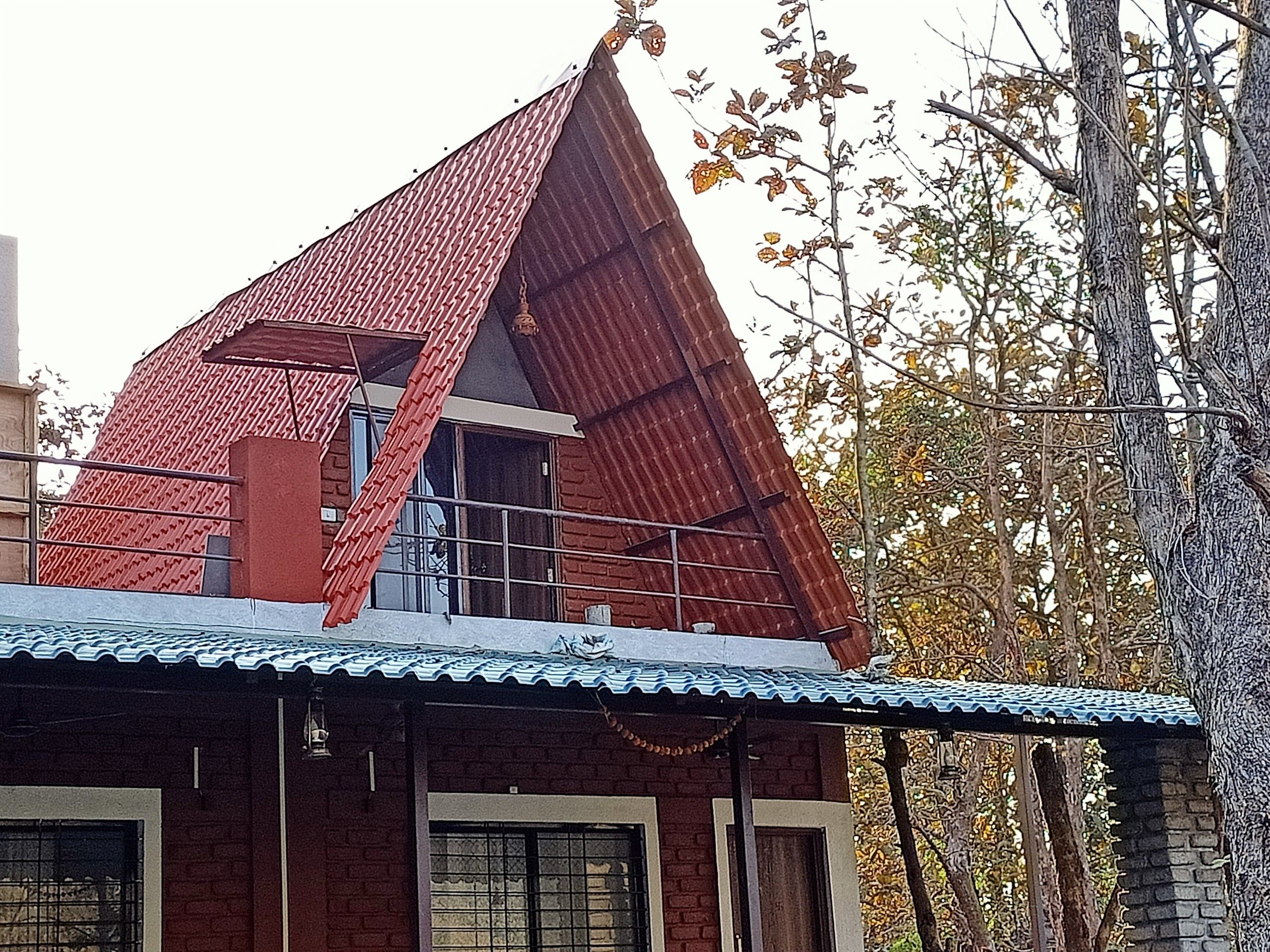
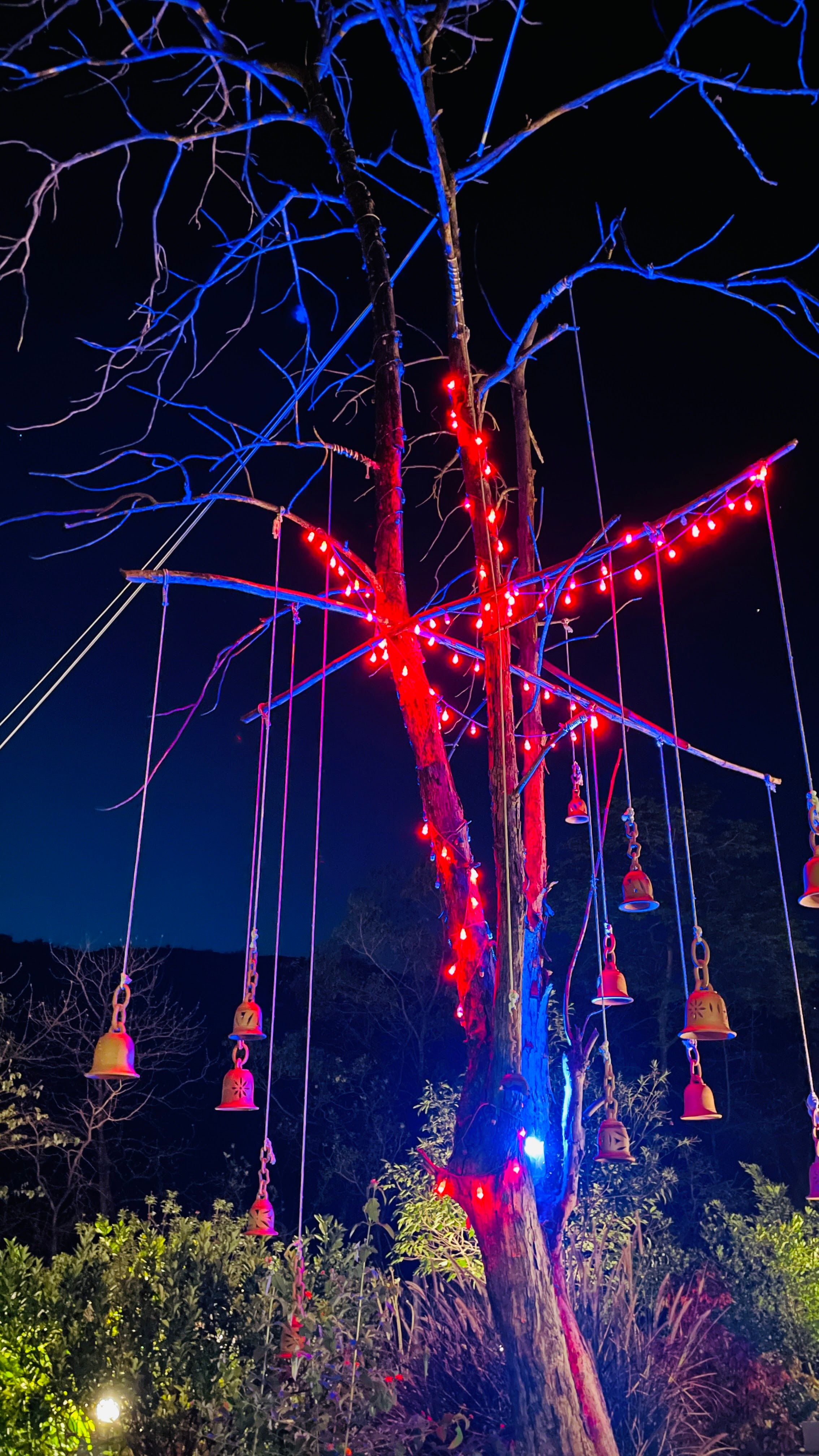
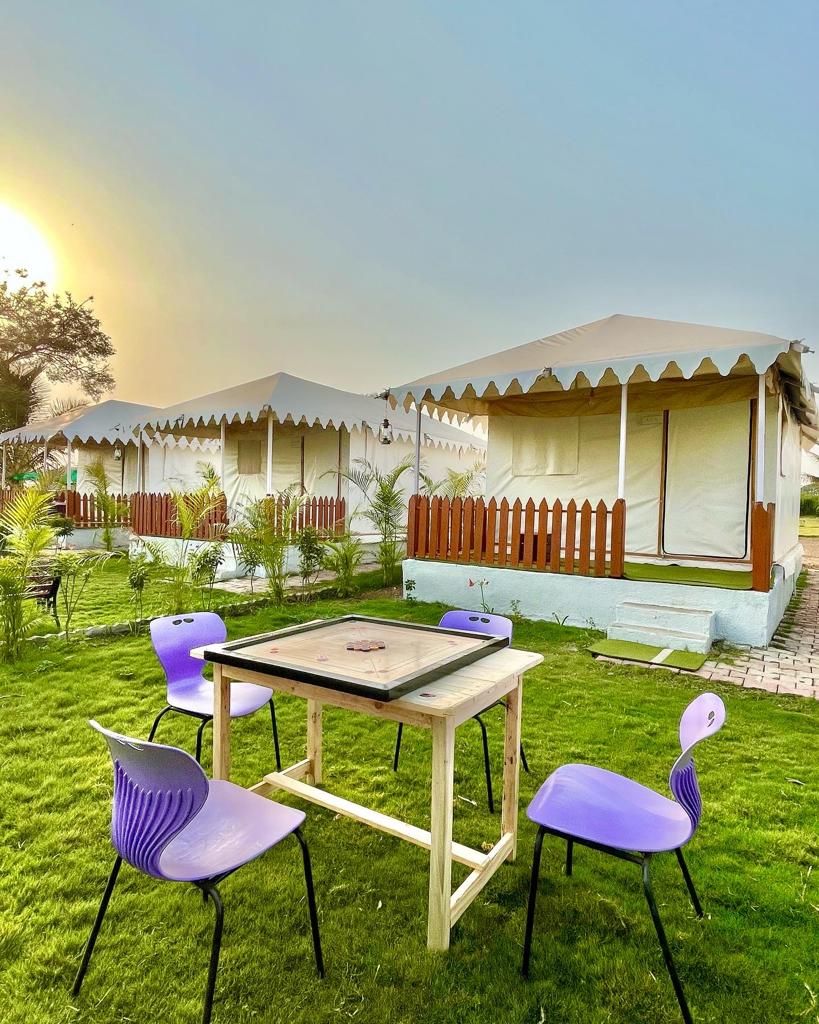
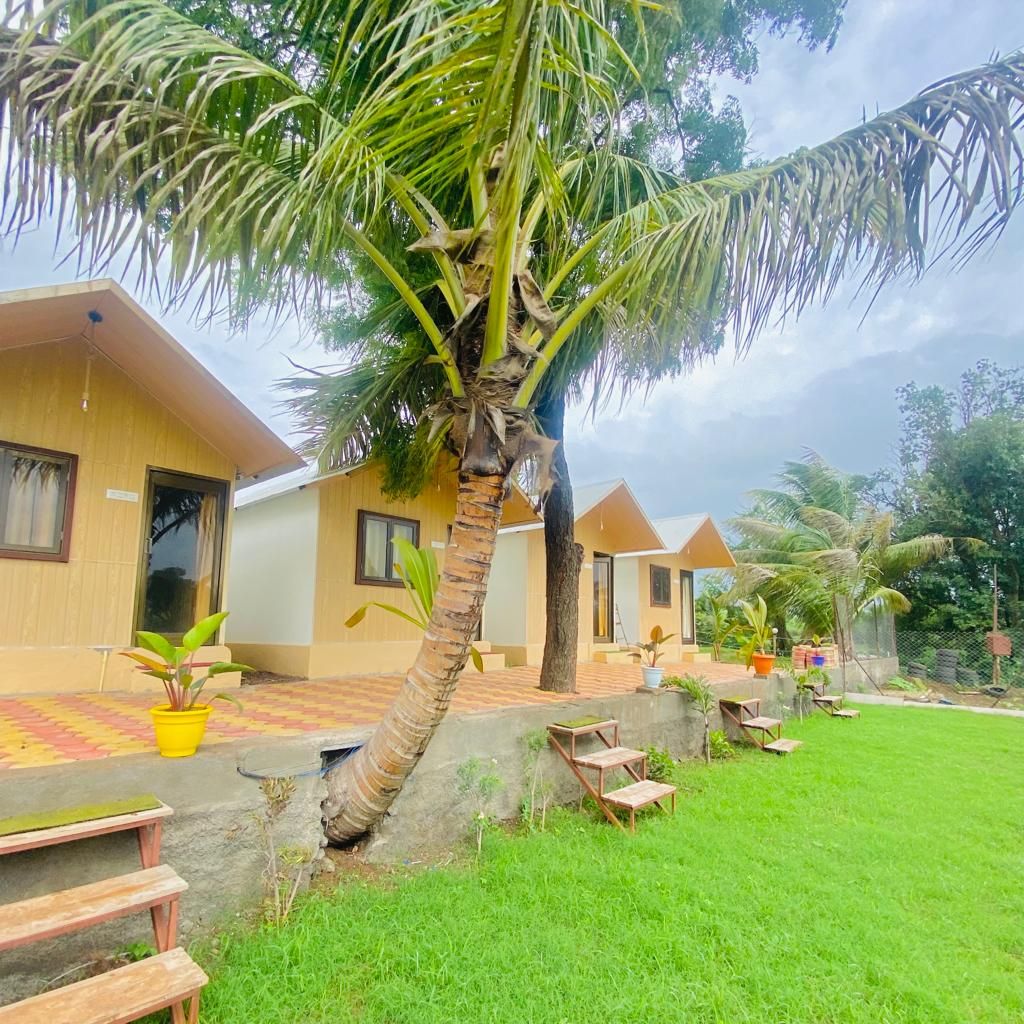
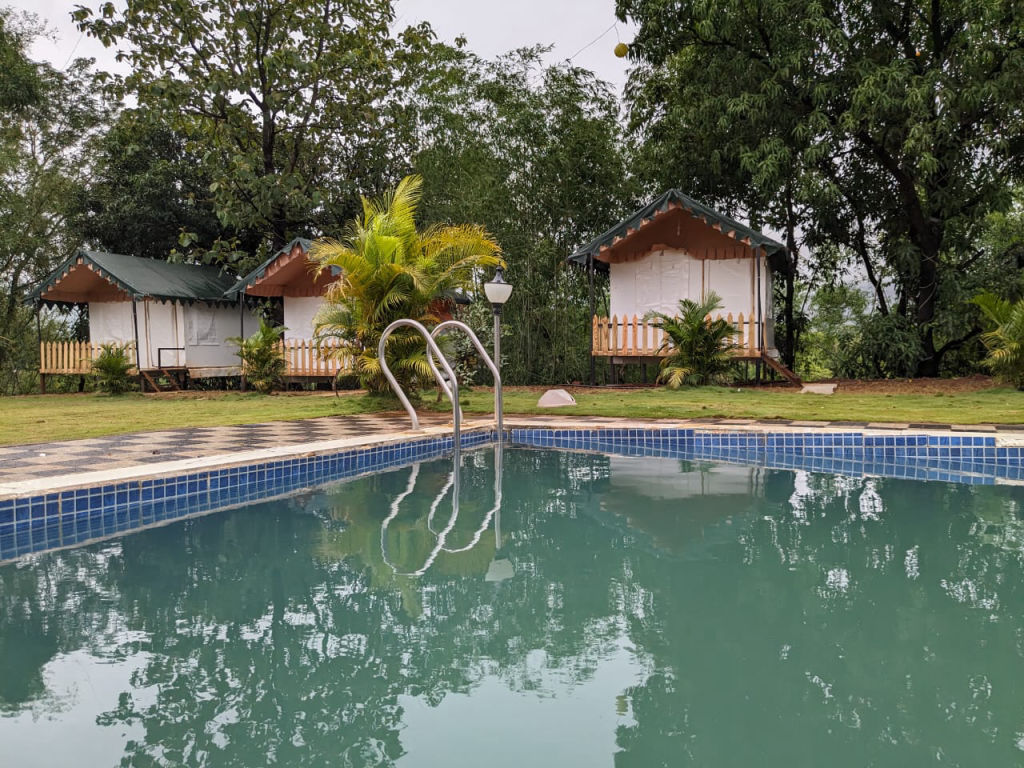
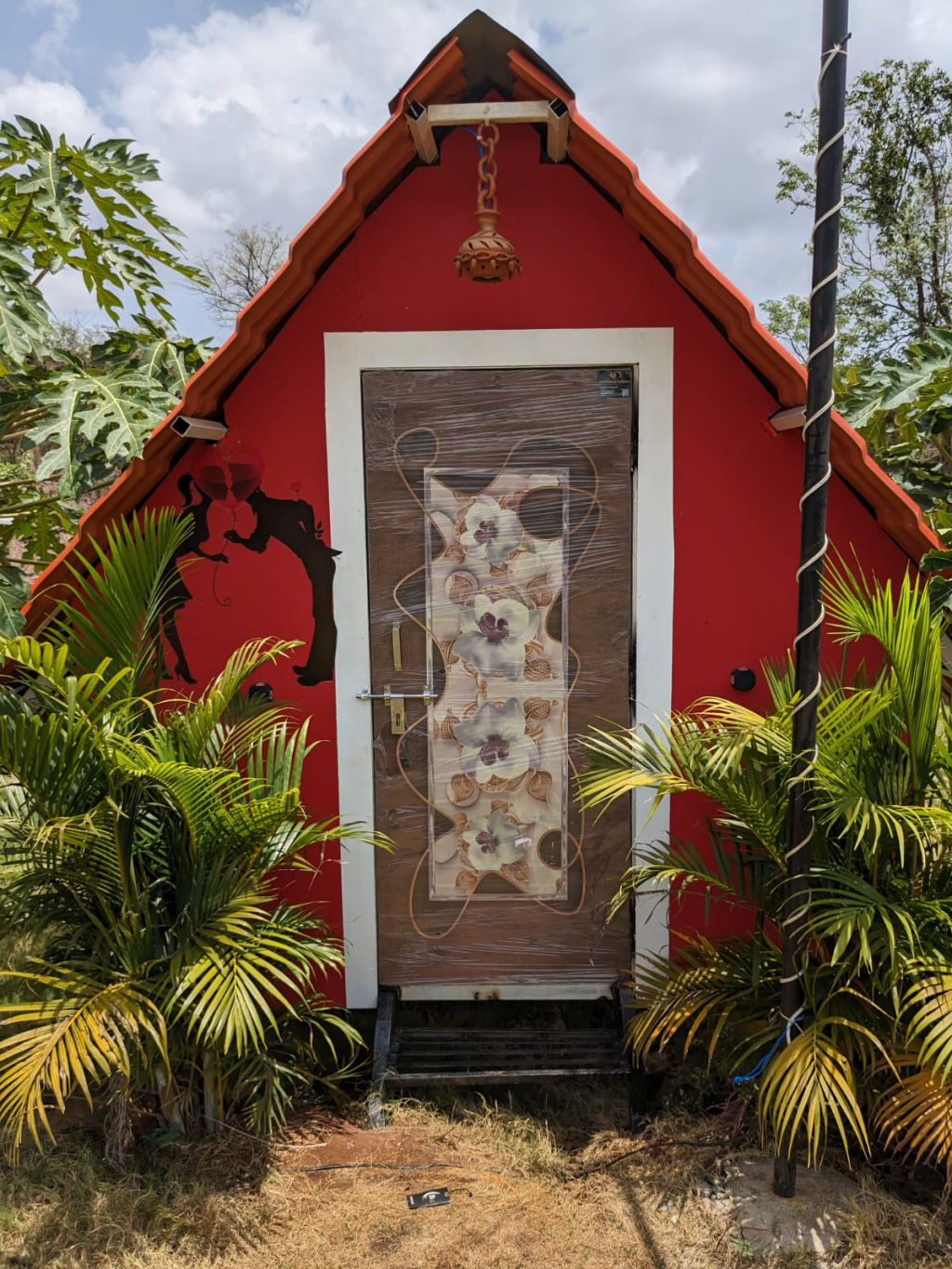
Because Taljai Hills is situated within the municipal fabric of Pune, travellers have abundant accommodation options across the surrounding urban areas and outward into the scenic countryside. Whether you prefer a quiet residential homestay close to the hills, a comfortable city-centre stay with easy transit links, or rustic nature camps situated on the fringes of the Western Ghats, suitable lodging can be found on HireACamp. Staying near the southern fringes of the city provides convenient access to Taljai Hills as well as an easy launchpad for day trips toward Sinhagad Fort, Panshet, and other regional outdoor highlights.
Frequently asked questions
Where is Taljai Hills located?
Taljai Hills is located in the southern part of Pune, Maharashtra, near the Sahakar Nagar and Dhankawadi neighbourhoods, easily reached from central Pune by road.
Can you spot peacocks at Taljai Hills?
Yes, Taljai Hills is known for its resident peafowl population, which can frequently be seen and heard foraging in the wooded clearings during early mornings and late afternoons.
Are vehicles allowed inside Taljai Hills?
Vehicles are generally permitted only up to the designated parking areas near the entrance. The upper forest trails and walking plateau are reserved for pedestrians to protect local wildlife and nature.
What is the best time of day to visit Taljai Hills?
Early morning and late afternoon are the best times to visit, providing pleasant weather, softer light for photography, and the highest likelihood of seeing birds and active wildlife.
Is Taljai Hills suitable for children and seniors?
Yes, the walking paths on the plateau are mostly wide and gently graded, making it a comfortable destination for casual nature walks across different age groups.
Where you'll be
Pune, MH · 12 stays nearby shown with prices
Stays near Taljai Hills
Book a place to stay close by
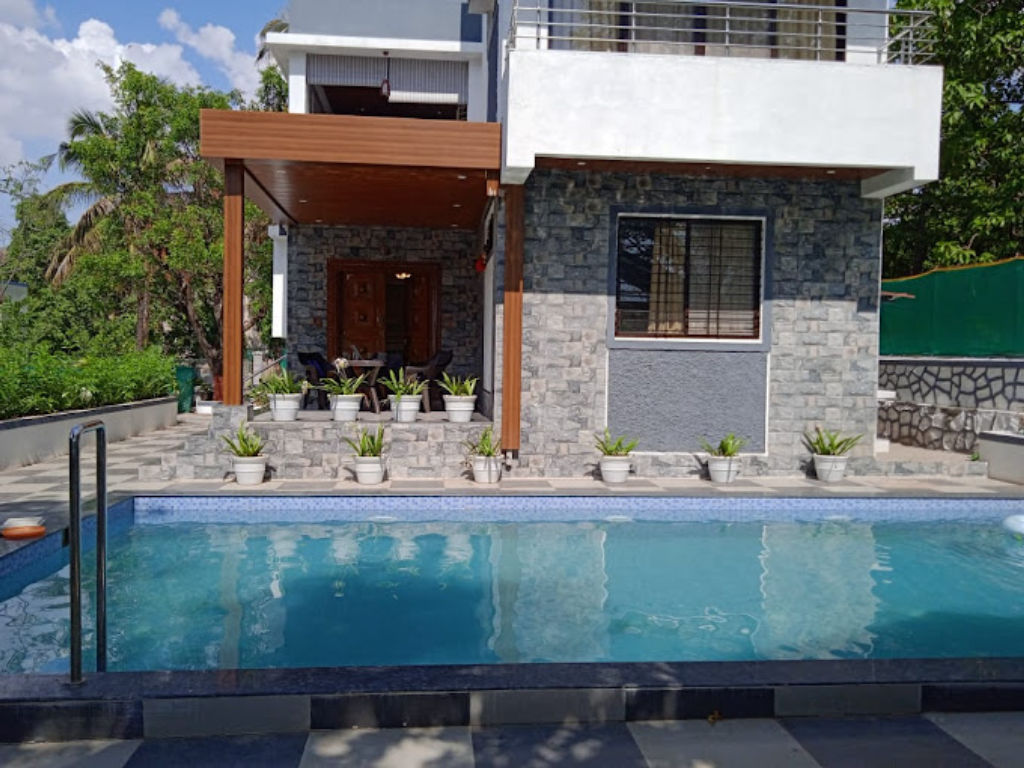
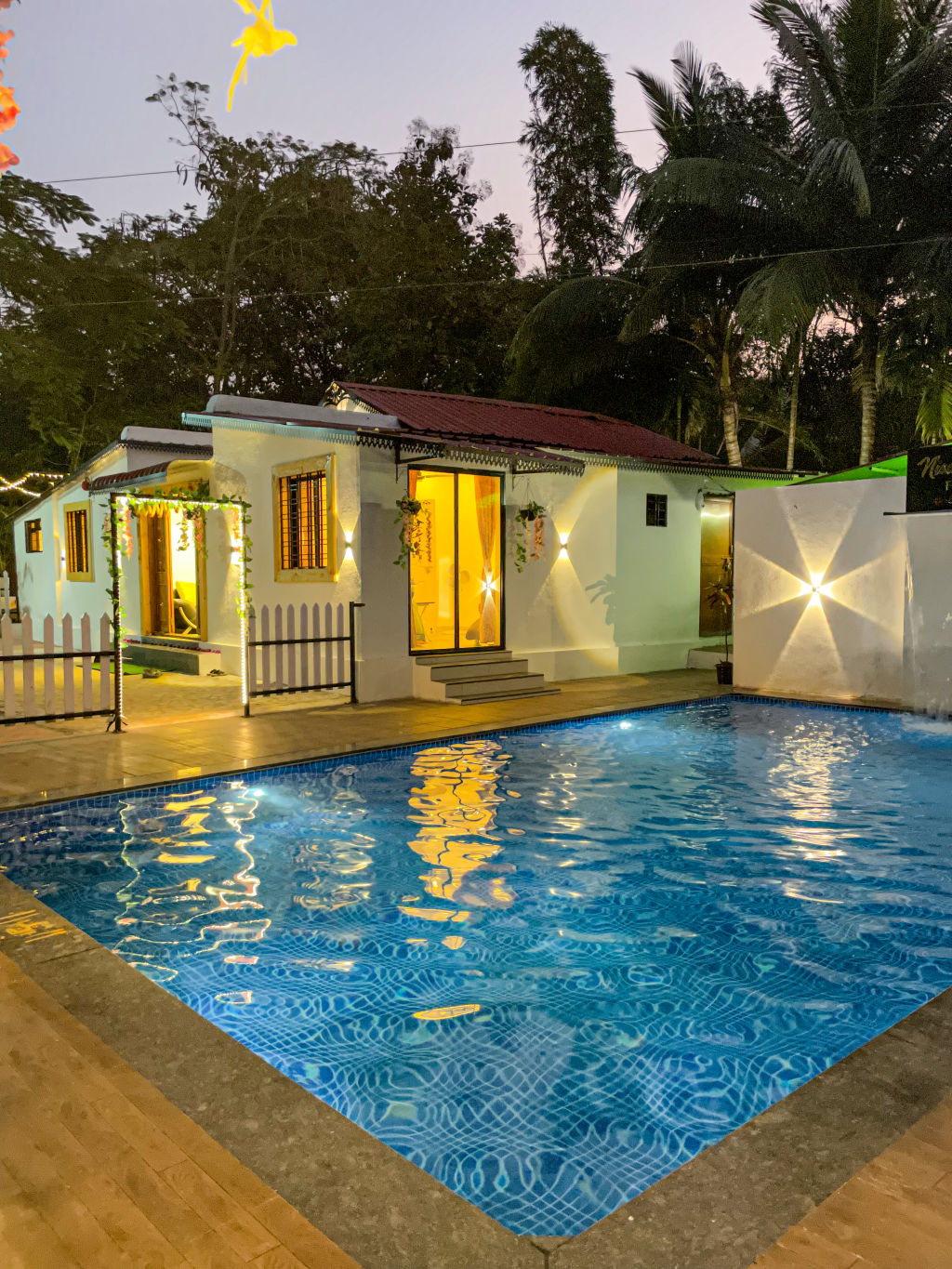
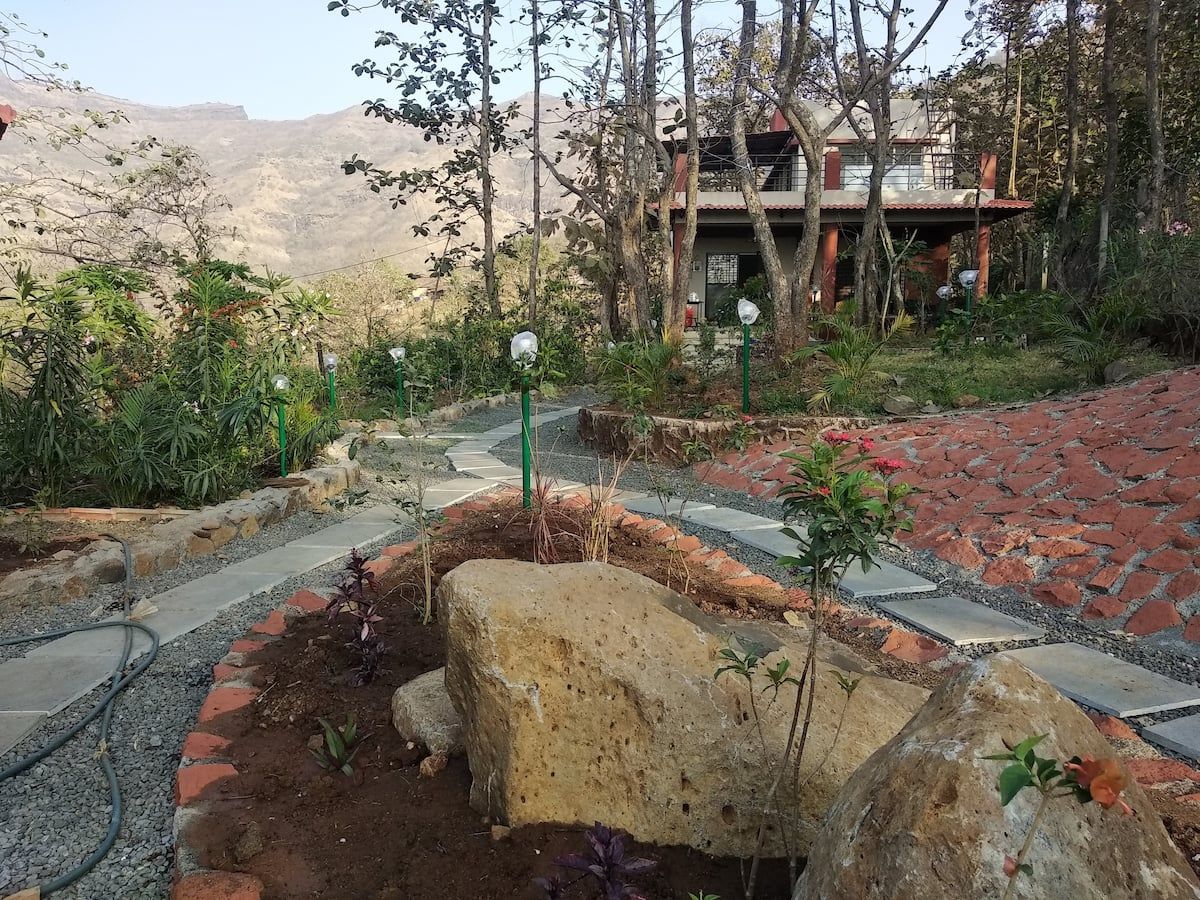
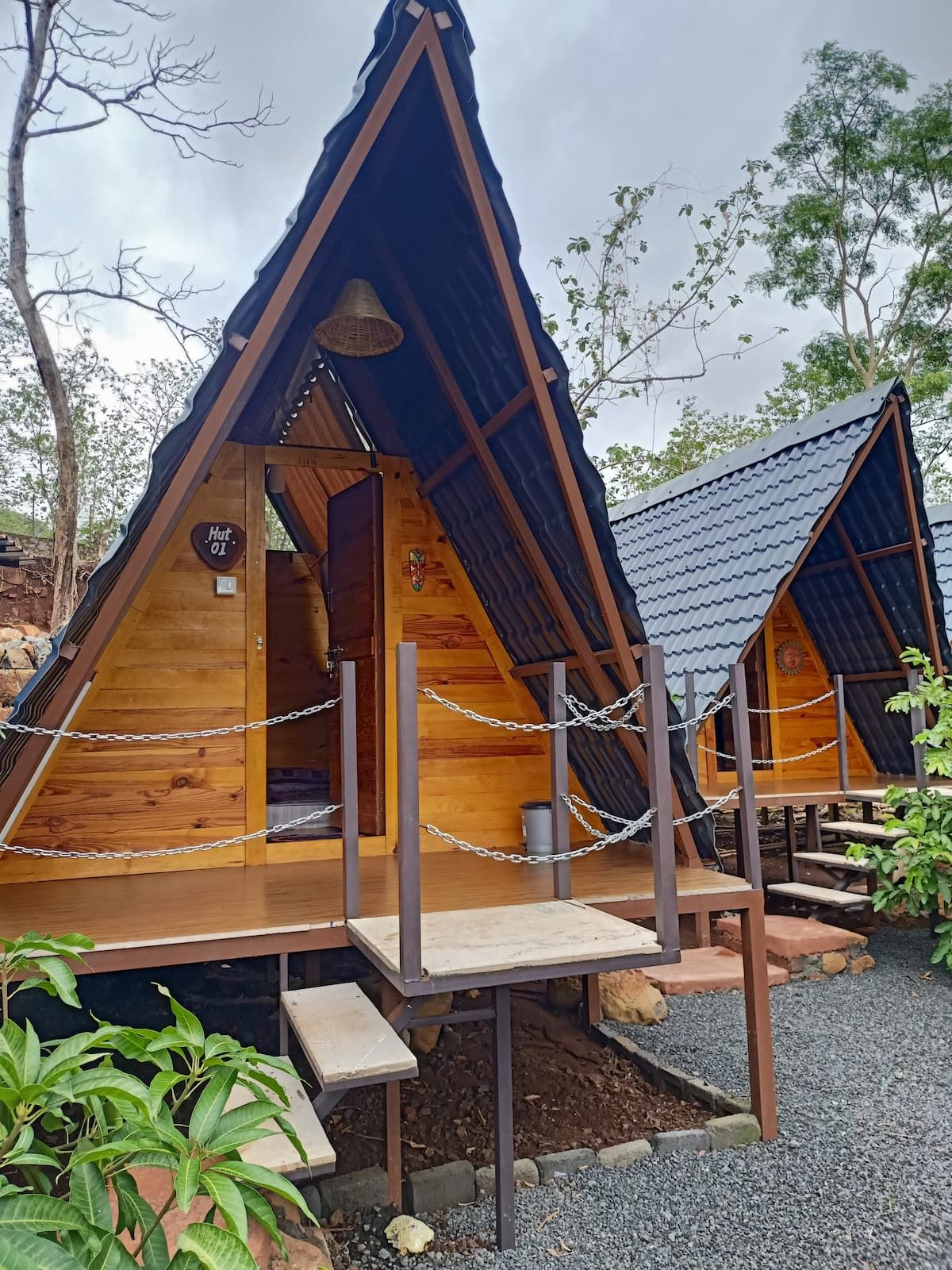
More places near Taljai Hills
Within 20 km


Lists for this area
Ranked by how many creators recommend each place


Built from 0 Instagram posts by 0 creators. Every tip links back to the post it came from, and where creators disagree we show both sides.






