
Tanglu
Trek near Palmajhua, West Bengal
4.4 km from Palmajhua
The nearest town, for stays, food and fuel.
Tanglu, also known as Tonglu, is a prominent mountain ridge settlement in the Darjeeling district of West Bengal, situated along the Singalila range on the border between India and Nepal. It serves as a classic halt on the popular trekking trail leading towards Sandakphu. Travellers and hikers visit Tanglu to witness grand views of the Kanchenjunga range, wander through rhododendron forests, and experience the quiet rhythm of high-altitude Himalayan trails.
Getting there
By road
- From PalmajhuaNearest town1 hr 40 min · 41 km
- From Bijanbari1 hr 55 min · 39 km
Typical drive times without traffic. Stations and airports from OLA Maps; distances and typical drive times from OpenStreetMap (© OpenStreetMap contributors); notes from creators' Reels.
About Tanglu
Written with AI from map data and general knowledge. Check prices and timings locally before you go.
Understanding Tanglu and its Landscape
Tanglu is one of the higher vantage points along the Singalila Ridge, resting at an altitude of approximately three thousand metres above sea level. The ridge forms a natural boundary between West Bengal in India and eastern Nepal. Over the decades, it has evolved from a quiet yak grazing pasture into an important staging point for hikers journeying across the Eastern Himalayas.
The landscape here is shaped by rolling alpine meadows, thick bamboo undergrowth, and dense forests of oak, pine, and rhododendron. Because of its open crest position, Tanglu looks out across vast valleys on both sides. On days when the weather stays clear, the northern horizon reveals the soaring white peaks of the Kanchenjunga massif, often referred to locally as the Sleeping Buddha due to the silhouette of the ridge.
The Trekking Trail to Tanglu
The standard route to Tanglu begins at Manebhanjan, a border town nestled in the foothills of the Darjeeling hills. From Manebhanjan, the trail starts with a sustained climb through a combination of winding gravel tracks, stone pathways, and dirt trails. Walkers make their way past small settlements like Chitre and Meghma, where Buddhist prayer flags, chortens, and roadside tea stops provide welcoming breaks during the ascent.
An alternative route starts from the quiet village of Dhotrey. This approach leads through dense stands of pine and rhododendron before joining the main ridge path close to Tanglu. The trek demands a moderate level of stamina, as the elevation gain from the base towns can be taxing on unconditioned legs. Sturdy hiking shoes with solid ankle support and trekking poles help ease the strain on the steeper stone-paved segments.
Read more
Best Time to Visit Tanglu
The trekking calendar for Tanglu divides into two prime windows: spring and autumn. Spring, which runs from late March through May, is the time of blossoms. The slopes along the Singalila Ridge burst into vibrant shades of crimson, pink, and white as rhododendrons and magnolias come into bloom. Day temperatures remain comfortable for walking, though light mountain mist frequently rolls across the hills in the late afternoons.
Autumn, extending from October to late November, is favoured for mountain vistas. In the wake of the monsoon, the atmosphere clears dramatically, yielding crisp, unobstructed views of the high snow peaks. Early mornings and evenings during autumn become noticeably cold, but daytime conditions are dry and pleasant under deep blue skies.
Winter arrives in December and lasts through February, bringing biting sub-zero temperatures and occasional bouts of snow. It suits experienced winter hikers who carry cold-weather gear. The monsoon months between June and September see heavy rains, dense fogs, and slippery trails, and the national park region is often closed to visitors during the height of the wet season.
What to See and Experience at Tanglu
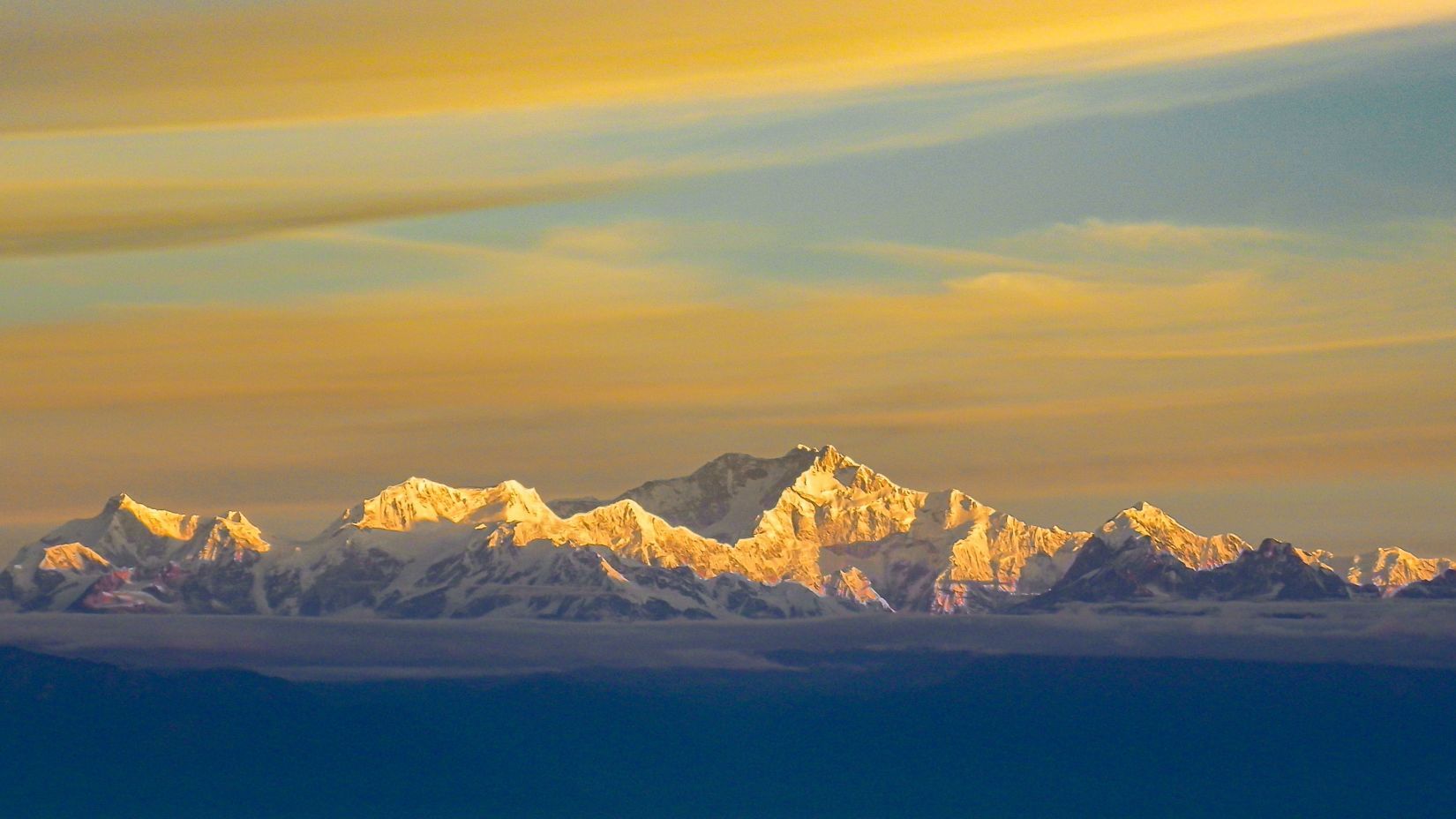
The dawn display from Tanglu is the main reason travellers make the climb. As first light touches the horizon, the Kangchenjunga range turns from cool grey to shades of gold, amber, and deep pink. Looking down into the valleys, early risers are often treated to rolling carpets of low-lying cloud, giving the summit the atmosphere of an isolated island above an ocean of mist.
Beyond the mountain vistas, Tanglu is a rewarding spot for birdwatchers and nature photographers. The Singalila forest belt is home to high-altitude birds such as laughingthrushes, blood pheasants, sunbirds, and various Himalayan raptors. Walking the boundary trail also offers the rare sensation of traversing an open frontier, where path markers indicate your steps between India and Nepal without physical barriers.
Practical Tips for Your Journey
Proper packing makes a significant difference when trekking to Tanglu. Mountain weather is notoriously changeable, and temperatures plummet rapidly once the sun sets. Hikers should dress in multiple layers, including a thermal base layer, a mid-weight fleece, a down jacket, and a reliable windproof and waterproof outer layer. Sturdy gloves, a warm hat, and sunglasses for intense high-altitude sunlight are equally necessary.
Altitude acclimatisation should be taken seriously even on moderate walks. While serious altitude sickness is rare at three thousand metres, visitors coming directly from the plains may experience shortness of breath or minor headaches. Drink plenty of water throughout the ascent and maintain a steady, unhurried pace. Because the trail passes through the Singalila National Park boundary, hikers must register and arrange required entry permits at the forest department office in Manebhanjan before setting off.
Places to Explore Nearby
A short walk further north along the ridge path leads to Tumling, a neighbouring settlement that also sits astride the border and provides sweeping views across the Nepal valley. From Tumling, the trail continues deeper along the ridge through Jaubhari and Kalipokhri, eventually terminating at Sandakphu, the highest elevation point in West Bengal.
Travellers ending their trek can explore the wider Darjeeling region, which sits roughly twenty kilometres to the east. Darjeeling is known for iconic landmarks such as the Batasia Loop, the historic Darjeeling Himalayan Railway, the Peace Pagoda, and the Ghum Railway Museum. Nearby nature spots like the rock garden, the zoo, and the terraced pine forests of Lamahatta provide relaxing excursions after completing the trail.
Where to Stay in Tanglu
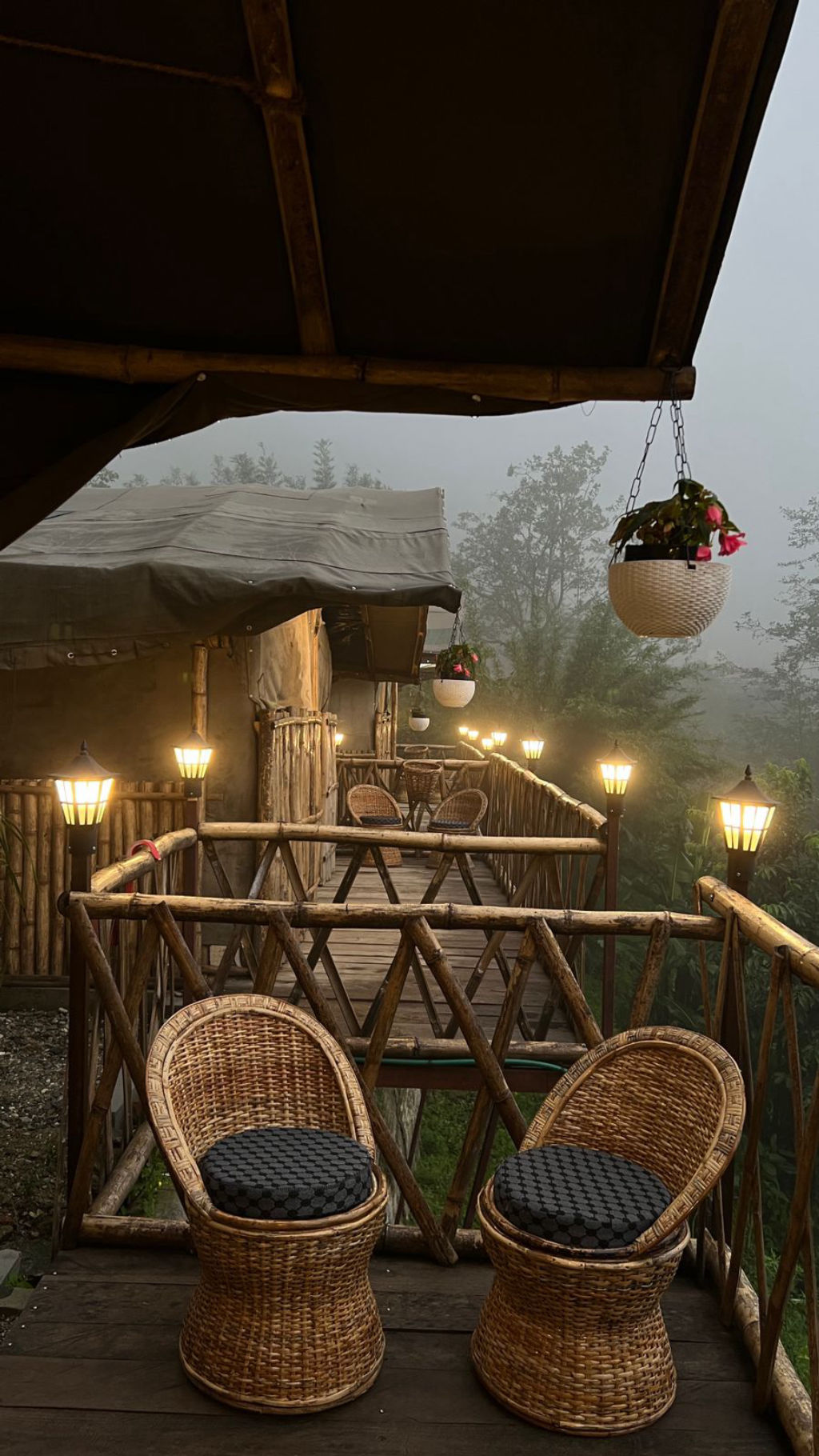
Accommodation options atop Tanglu are unpretentious and oriented toward trekking practicality. Most hikers stay in simple mountain lodges or trekker huts equipped with wooden bunk beds, heavy quilts, and basic shared amenities. Food is usually hearty and home-cooked, featuring hot lentil soups, rice, momos, and endless cups of steaming ginger tea served around small iron stoves.
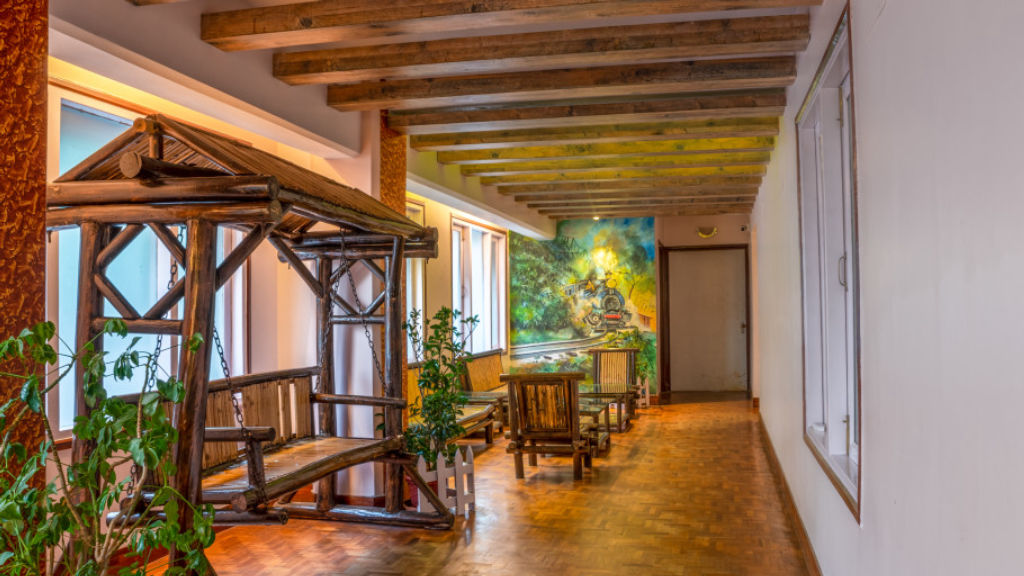
If you prefer to arrange your overnight stays in advance, HireACamp provides listings for homestays, rural camps, and eco-lodges situated in the surrounding Darjeeling hills and gateway villages. Booking ahead is advisable during peak spring and autumn trekking windows when trailside beds fill up quickly.
Frequently asked questions
How do you reach Tanglu?
Tanglu is reached primarily on foot from the base town of Manebhanjan or the village of Dhotrey in the Darjeeling district. Rugged four-wheel-drive vehicles can also navigate parts of the gravel ridge road, though walking remains the traditional and most popular way to reach the summit.
Do I need a permit to visit Tanglu?
Yes, permits are required to enter the Singalila National Park corridor that encompasses Tanglu. Travellers must register their details and secure the necessary entry permits at the forest check-post in Manebhanjan before beginning the hike.
Is the trek to Tanglu suitable for beginners?
The trek to Tanglu is rated moderately easy to moderate, making it accessible to beginners with a reasonable level of fitness. The climb from Manebhanjan is steep in places, so taking an unhurried pace and carrying trekking poles is recommended.
Which mountains can be seen from Tanglu?
On clear mornings, Tanglu offers panoramic views of the Kanchenjunga range, famously recognized in the shape of the Sleeping Buddha. Distant high peaks across Nepal and Sikkim can also be spotted when atmospheric conditions are clear.
Does it snow at Tanglu?
Yes, Tanglu can receive snowfall during the winter months, especially between late December and February. During this time, night temperatures routinely drop below freezing, requiring warm thermal gear and winter-ready footwear.
Where you'll be
3 stays nearby shown with prices
Stays near Tanglu
Book a place to stay close by
More places near Tanglu
Within 20 km


Lists for this area
Ranked by how many creators recommend each place


Built from 0 Instagram posts by 0 creators. Every tip links back to the post it came from, and where creators disagree we show both sides.






