
Qutab Minar
Monument near Mehrauli, Delhi
2 posts
Guide from 2 posts by 2 creators
@vlogsjrahatke, @dynamicdelhi
700 m from Mehrauli
The nearest town, for stays, food and fuel.
Loved by 2 creators
2 posts on Instagram.
Qutab Minar is a towering twelfth-century red sandstone minaret located in the historic Mehrauli area of South Delhi. It is the centrepiece of a UNESCO World Heritage complex that showcases some of India's earliest surviving examples of Indo-Islamic architecture. Travellers visit to study its intricate calligraphic carvings, explore ancient mosque ruins, and see the famous rust-resistant Iron Pillar.
Getting there
By road
- From MehrauliNearest town3 min · 800 m
- From New Delhi29 min · 12 km
- From New Delhi29 min · 12 km
- From Dehradun3 hr 50 min · 236 km
By train, bus or air
- New DelhiNearest railway station42 min · 15 km
- KaushambiNearest bus stand48 min · 25 km
- Indira Gandhi International AirportNearest airport34 min · 15 km
Typical drive times without traffic. Stations and airports from OLA Maps; distances and typical drive times from OLA Maps and OpenStreetMap (© OpenStreetMap contributors); notes from creators' Reels.
About Qutab Minar
Written with AI from creators' posts and map data. Check prices and timings locally before you go.
About Qutab Minar and its history
Rising over seventy-two metres above southwest Delhi, Qutab Minar is one of the most recognisable historic landmarks in India. Construction of the tower was initiated in the late twelfth century by Qutb-ud-din Aibak, the founder of the Delhi Sultanate, following the establishment of Muslim rule in the region. His successor, Shams-ud-din Iltutmish, added three more storeys to the structure in the early thirteenth century, expanding its scale and architectural presence.
The tower served both as a monument of victory and as a functional minaret from which the muezzin could call the faithful to prayer at the adjoining Quwwat-ul-Islam Mosque. Over the centuries, lightning strikes and seismic tremors caused damage to the upper storeys, prompting significant restoration work. In the fourteenth century, Sultan Firoz Shah Tughlaq rebuilt the top section, replacing it with two distinct storeys faced with white marble and red sandstone. Later repairs were also carried out under the rule of Sikandar Lodi, making the minaret a record of medieval Delhi's political transitions and architectural evolution.
Architecture of the Qutab complex
Qutab Minar is celebrated for its distinctive fluted design and subtle taper, narrowing from a base of roughly fourteen metres in diameter to less than three metres at the crown. Built from finely dressed red and buff sandstone with marble accents near the top, the tower features five distinct storeys, each separated by a projecting balcony. These balconies rest on intricately carved clusters of stalactite-like brackets that demonstrate an early fusion of local Indian stonemasonry with Islamic decorative traditions. Bands of Arabic inscriptions and geometric floral bands wrap around the tower's fluted sections.
The broader complex contains several other structures of profound historical significance. Immediately adjacent to the minaret stands the Quwwat-ul-Islam Mosque, constructed using pillars and stone components reused from earlier temples. In the mosque courtyard stands the celebrated fourth-century Iron Pillar of Chandragupta II, renowned worldwide by metallurgists for its remarkable resistance to rusting despite being exposed to the elements for over a millennium. Visitors can also explore the ornate Alai Darwaza gateway, the unfinished stump of the Alai Minar, and the domed Tomb of Iltutmish.
Read more
Best time to visit Qutab Minar
Delhi has a subtropical climate characterized by extreme seasonal shifts. The most comfortable time to visit Qutab Minar is during the cooler months from October to March. Daytime temperatures in this window are generally pleasant, making it easy to stroll across the open stone courtyards and landscaped gardens that surround the ruins without excessive heat.
Summer in Delhi lasts from April through June, bringing intense heat and dry winds, with midday temperatures frequently climbing above forty degrees Celsius. If travelling during these months, it is best to visit during early morning or late afternoon to avoid the most punishing sun. The monsoon season runs from July to September, bringing humid conditions and occasional heavy rainfall that enlivens the lawns around the monuments.
How to reach Qutab Minar
Qutab Minar is situated along the Mehrauli corridor in South Delhi, making it convenient to reach from anywhere within the National Capital Region. From central New Delhi, the distance is approximately 11 kilometres, which typically takes around half an hour by road under clear traffic conditions. The site is directly connected to the Delhi Metro network, and travellers can disembark at the designated metro station nearby before completing the short remainder of the journey by auto-rickshaw or taxi.
Travellers arriving by road from surrounding states will find convenient highway connections into the capital. Dehradun is roughly 236 kilometres away to the north, typically taking around three hours and fifty minutes of driving. Jaipur lies approximately 290 kilometres to the southwest, a journey of around four hours and forty minutes. From Chandigarh, the drive is about 270 kilometres and takes approximately five hours under typical highway conditions. When planning journeys across Delhi, it is prudent to allow extra travel time to account for peak-hour road congestion.
Tips for your visit
The archaeological complex covers a substantial area of stone pathways, uneven steps, and lawn trails, so comfortable walking shoes are essential. Because shade is limited across the open courtyard, visitors should carry a hat, sunglasses, and adequate drinking water, particularly when visiting between spring and autumn.
Photography is widely enjoyed on the grounds, but authorities generally restrict large tripod setups and commercial filming equipment without prior clearance. It is advisable to check locally for the latest ticketing regulations, entry procedures, and evening lighting schedules, as entrance arrangements and automated booking processes are updated from time to time.
Places to visit near Qutab Minar
Mehrauli is one of the oldest inhabited corners of Delhi, and the area surrounding Qutab Minar is packed with heritage sites. Just one kilometre away is the Mehrauli Archaeological Park, an expansive wooded heritage reserve containing over a hundred medieval structures, including the stepwell of Rajon ki Baoli and the tomb of Jamali Kamali.
Roughly three kilometres to the north lies Hauz Khas Fort, where fourteenth-century Sultanate madrasa ruins overlook a historic water reservoir. Travellers who enjoy formal Islamic architecture can venture ten kilometres northeast to Humayun's Tomb, the monumental Mughal garden tomb that served as a prototype for the Taj Mahal. Other notable attractions within an eight- to twelve-kilometre drive include the peaceful grounds of Lodhi Garden, the Bahá’í Lotus Temple, and the astronomical structures at Jantar Mantar.
Where to stay
Delhi offers a broad selection of places to stay, from residential homestays in South Delhi to scenic properties situated on the rural outskirts and foothills near Haryana and Rajasthan. Basing yourself in or near South Delhi allows quick transit access to the major historical landmarks of Mehrauli and central Delhi.
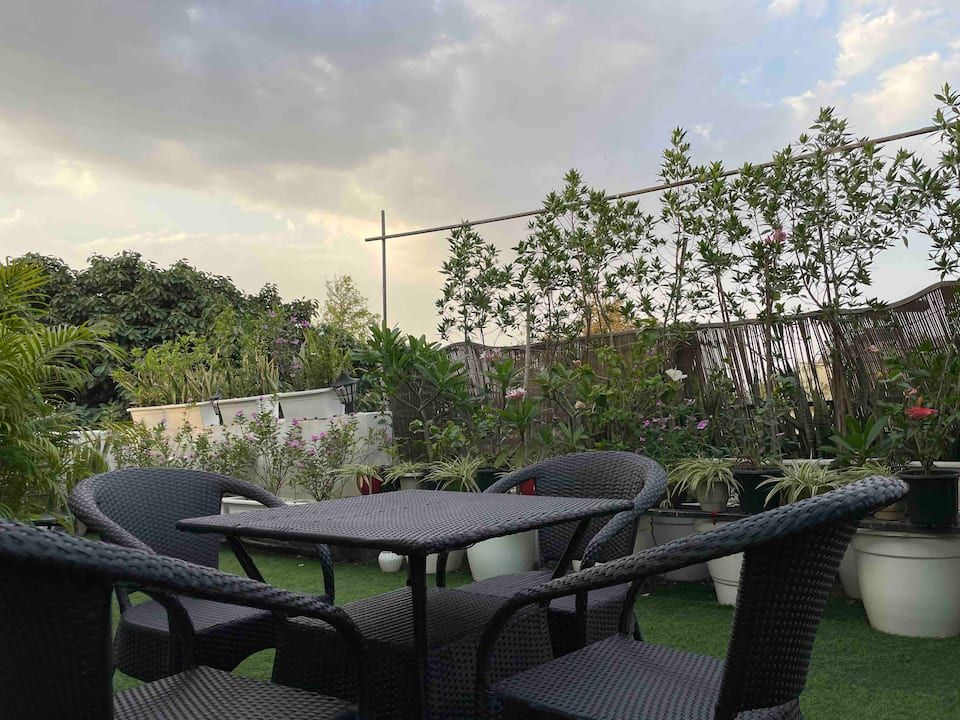
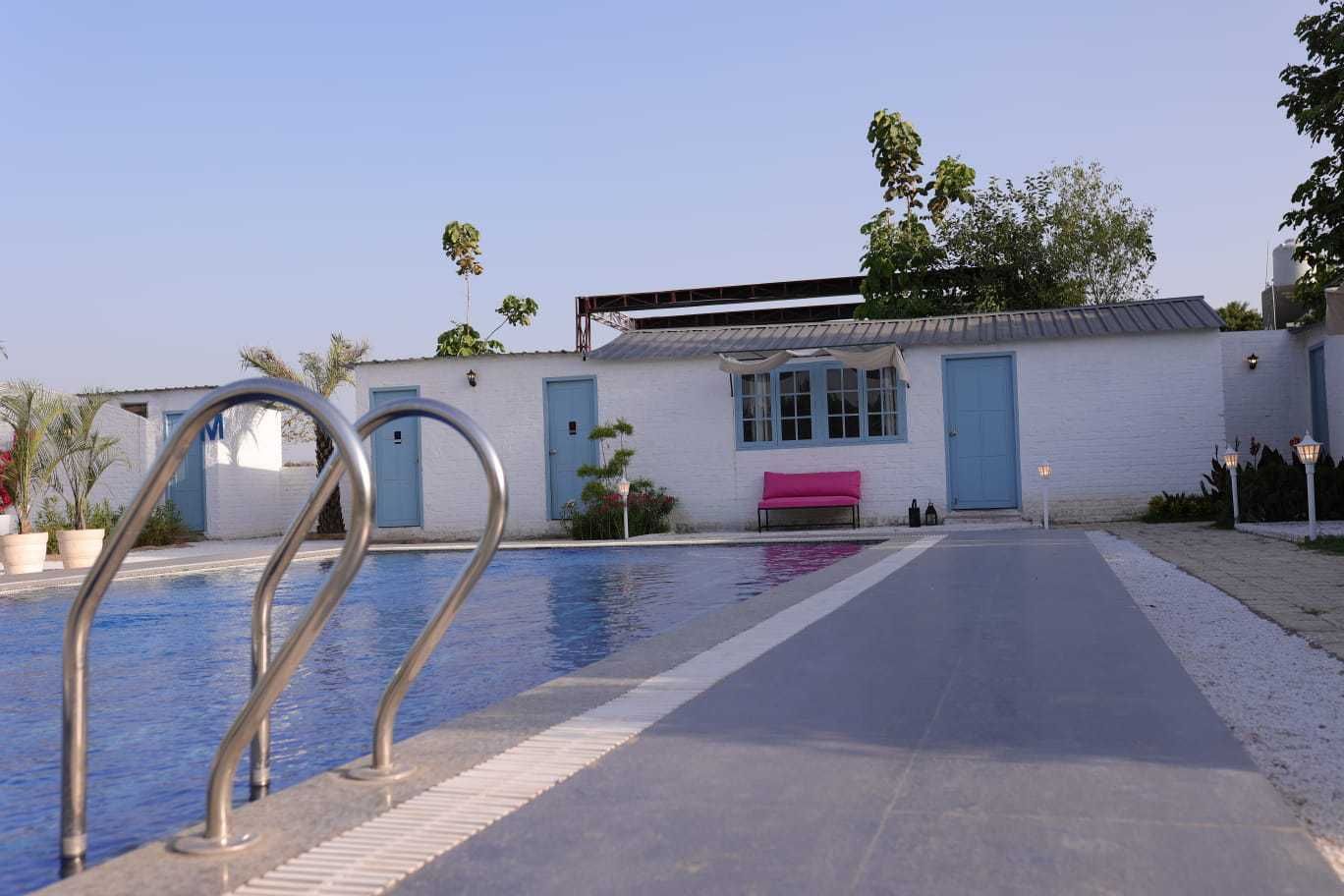
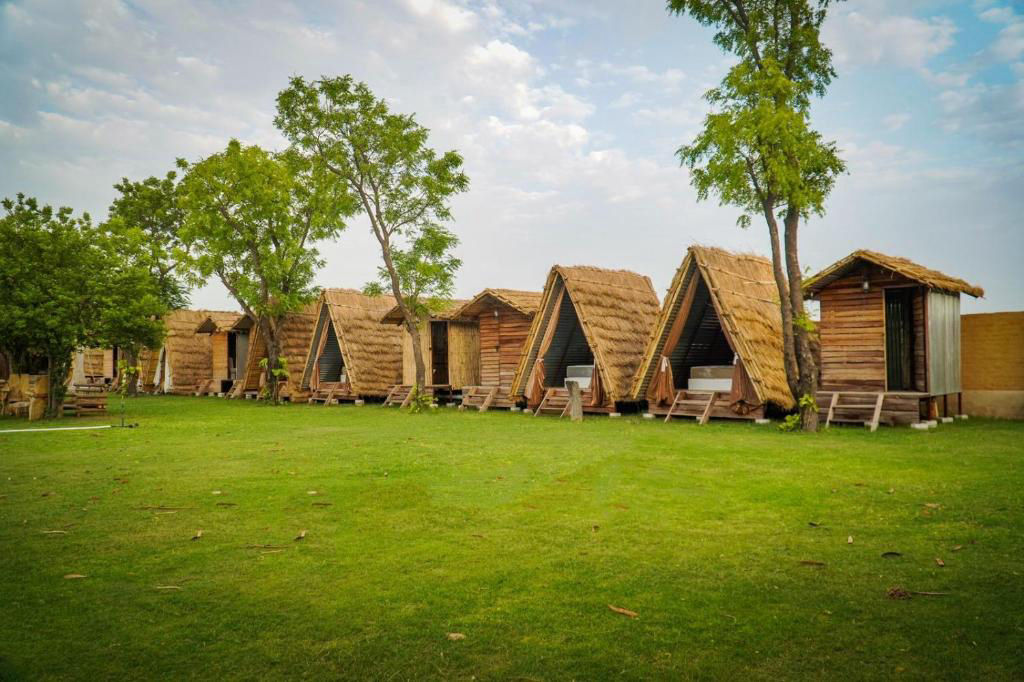
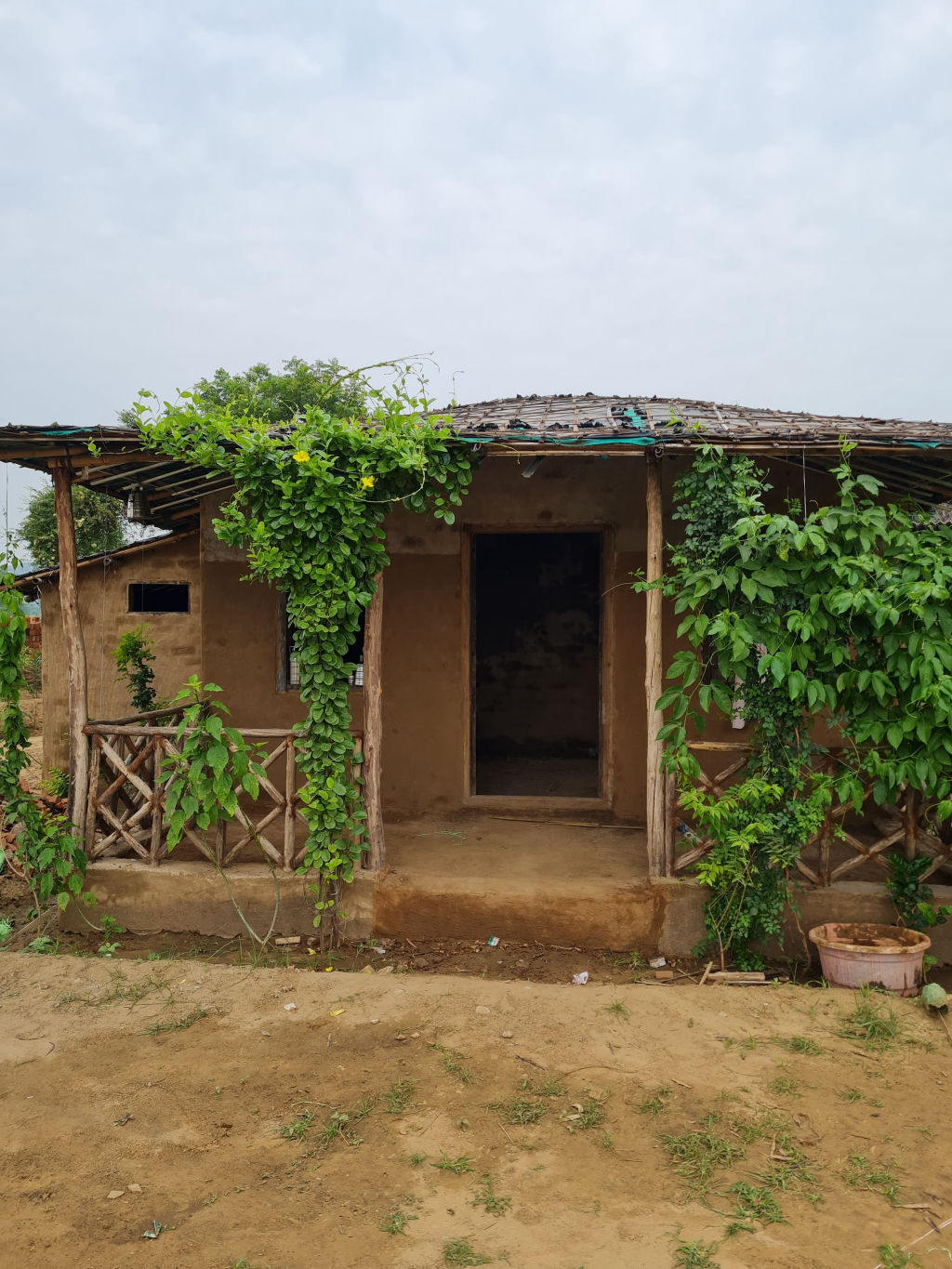
A variety of homestays, nature retreats, and outdoor camps near the capital can be discovered and reserved through HireACamp. Booking your stay well in advance is recommended if you are planning to travel during the busy winter season between November and February.
Frequently asked questions
Why is Qutab Minar famous?
Qutab Minar is famous as one of the tallest stone minarets in the world, standing over seventy-two metres high. It is a UNESCO World Heritage Site recognized for its early Indo-Islamic architecture, intricate sandstone carvings, and its historic surroundings.
Who built Qutab Minar?
Construction was started in the late twelfth century by Qutb-ud-din Aibak, the founder of the Delhi Sultanate. It was significantly expanded by his successor Shams-ud-din Iltutmish and later repaired and modified by Firoz Shah Tughlaq.
Can you climb inside Qutab Minar?
Entry inside the tower itself is closed to the public for safety and conservation reasons. Visitors can explore the base of the minaret and walk freely throughout the rest of the surrounding monument complex.
What is the Iron Pillar at Qutab Minar?
The Iron Pillar is a fourth-century metal column dedicated to Lord Vishnu during the Gupta Empire. It is famous worldwide because its high-purity iron composition has resisted rust and corrosion despite standing exposed to rain and sun for over sixteen hundred years.
How much time is needed to visit Qutab Minar?
Most visitors spend between one and two hours exploring Qutab Minar, the Quwwat-ul-Islam Mosque, the Iron Pillar, and the neighbouring ruins within the manicured complex.
Where you'll be
Qutab Minar, Seth Sarai, Mehrauli, New Delhi, Delhi 110030 · 4 stays nearby shown with prices
As seen on Instagram
The posts this guide is built from
Stays near Qutab Minar
Book a place to stay close by
Often visited together
Creators who went here also showed these


More places near Qutab Minar
Within 20 km


Lists for this area
Ranked by how many creators recommend each place


Built from 2 Instagram posts by 2 creators. Every tip links back to the post it came from, and where creators disagree we show both sides.






