
Triloknath
Destination in Himachal Pradesh
Triloknath is a serene settlement nestled in the Kangra foothills of Himachal Pradesh, renowned for its ancient cave shrines and spiritual heritage. Surrounded by terraced fields, pine groves, and quiet rural lanes, it attracts travellers seeking peaceful temple visits away from crowded tourist circuits. Its strategic location between Pathankot and the upper Kangra Valley makes it an accessible base for exploring historic forts, sacred waters, and mountain trails.
Getting there
By road
- From Amritsar4 hr · 193 km
- From Ludhiana4 hr 50 min · 220 km
- From Chandigarh5 hr 45 min · 268 km
Typical drive times without traffic. Stations and airports from OLA Maps; distances and typical drive times from OpenStreetMap (© OpenStreetMap contributors); notes from creators' Reels.
About Triloknath
Written with AI from map data and general knowledge. Check prices and timings locally before you go.
Understanding Triloknath and its landscape
Triloknath lies in the lower Shivalik and Dhauladhar foothills of Kangra district in Himachal Pradesh. Unlike the high-altitude towns of the upper Himalayas, this region features undulating hills, lush subtropical vegetation, terraced farms, and gentle streams winding through limestone valleys. The village has long held spiritual significance for pilgrims visiting its ancient rock-cut cave shrines dedicated to Lord Shiva, where natural stalactite formations have been revered for centuries.
The town maintains an unhurried, authentic Himachali rhythm. Life here revolves around agriculture, local fairs, and morning prayers echoing from village shrines. The air carries the fresh scent of pine and moist earth, offering a grounded and quiet retreat. Travellers coming here experience the unpretentious warmth of village hospitality, scenic country roads lined with blooming wild shrubs, and panoramic views of distant snow-streaked ridges on clear winter mornings.
Things to do in and around Triloknath
A visit to Triloknath centres on discovering its sacred cave shrines and walking along tranquil rural tracks. The natural limestone cave shrines in the area are a marvel of natural geology and enduring faith. Walking down the stone steps into the cool, sheltered recesses of the caves reveals dripping water droplets that naturally bathe sacred lingams. Taking time to sit quietly inside the cavern offers a soothing, meditative break from the heat and bustle of daily life.
Beyond temple rituals, walking through the countryside around Triloknath is deeply rewarding. Narrow trails lead through pine forests, mango orchards, and terraced grain fields down toward seasonal streams. Birdwatchers can spot Himalayan bulbuls, parakeets, kingfishers, and raptors soaring across the valley. An afternoon spent sitting beside one of the village water channels, watching farmers tend to their crops and cattle graze on the slopes, gives travellers a genuine appreciation for the timeless lifestyle of lower Himachal.
Read more
Historical and cultural getaways nearby
Triloknath serves as a convenient launchpad for exploring the dramatic history and architecture of the Kangra belt. A short drive away stands Kangra Fort, one of the oldest and largest forts in the Himalayas, perched majestically above the confluence of the Banganga and Majhi rivers. Walking through its massive carved ramparts and ruined courtyards offers a glimpse into centuries of royal battles, siege warfare, and patronage under the Katoch dynasty.
Toward the west lies Nurpur Fort and the revered Shri Brij Raj Swami Mandir, famous for being among the few temples where an idol of Lord Krishna is worshipped alongside Meera Bai. For travellers interested in rare historical remnants, Bathu Ki Ladi presents a remarkable cluster of ancient stone temples submerged for parts of the year by the waters of the Maharana Pratap Sagar reservoir, re-emerging during dry months. You can also head north toward McLeod Ganj to experience Tibetan monasteries, highland cedar forests, and vibrant mountain cafes.
Best time to visit Triloknath
Triloknath can be visited throughout the year, but the post-monsoon and winter months from October to March offer the most comfortable climate. During autumn, the sky clears completely after the rains, revealing deep blue horizons and crisp, clean mountain air. Winter days are pleasantly sunny, with temperatures dropping substantially after sunset, making warm woollens essential for late evenings and early mornings.
Spring, running from late February to April, brings blossoming wild trees and colourful mustard fields across the valleys, accompanied by mild, inviting weather. Summer months from May to June bring warm afternoons, though mornings and evenings remain cooler than the north Indian plains. The monsoon period from July through September brings heavy rainfall to the Kangra foothills, transforming the landscape into a vivid green expanse with swelling streams, though travellers must exercise caution on hill roads during wet weather.
How to reach Triloknath
Triloknath is well-connected to major transit hubs in Punjab and Himachal Pradesh by a network of state and national highways. The nearest broad-gauge railway junction is at Pathankot, which handles trains arriving from Delhi, Jammu, and across India. From Pathankot, one can hire a taxi or board state transport buses travelling toward Kangra, Dharamshala, or Mandi along the national highway network.
For air travellers, Kangra Airport at Gaggal is the nearest operational airport, receiving regular domestic flights from major cities like Delhi. Taxis and local buses are readily available outside the airport terminal to ferry visitors directly to Triloknath and surrounding towns. Those driving from nearby cities can enjoy scenic highway stretches transitioning from the Punjab plains into the winding hill roads of lower Himachal.
Where to stay near Triloknath
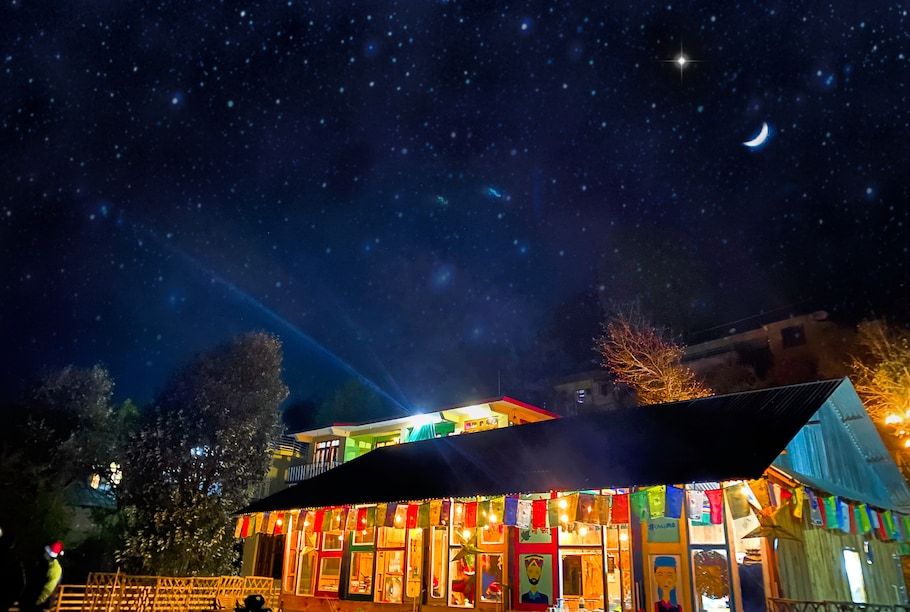
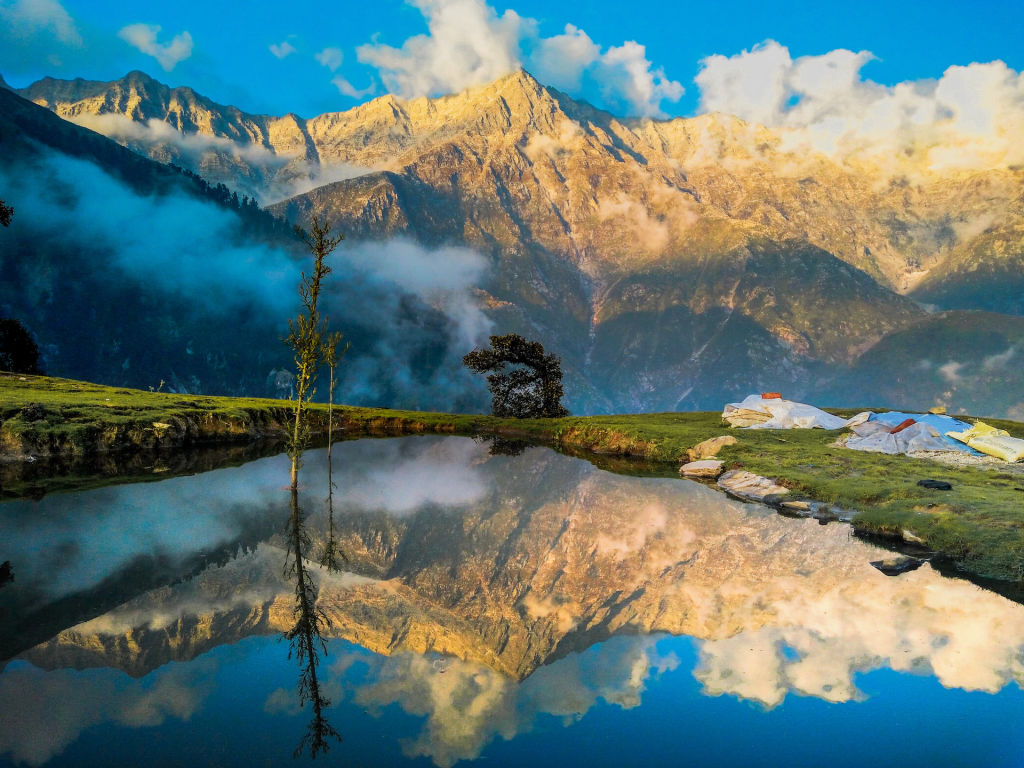
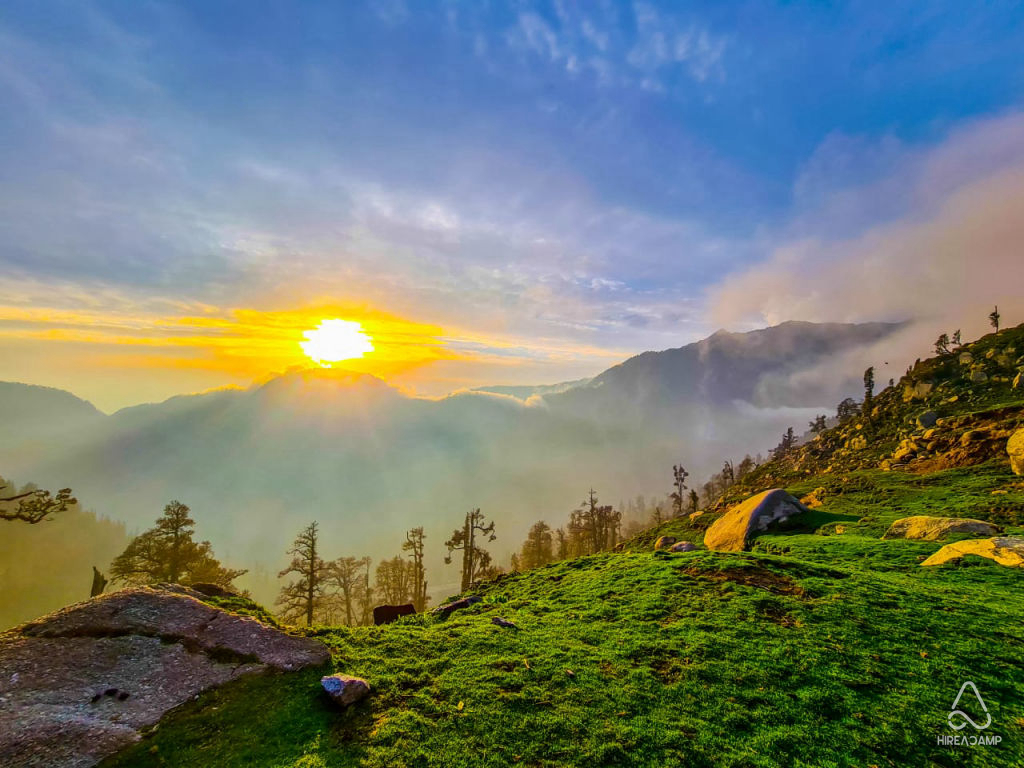
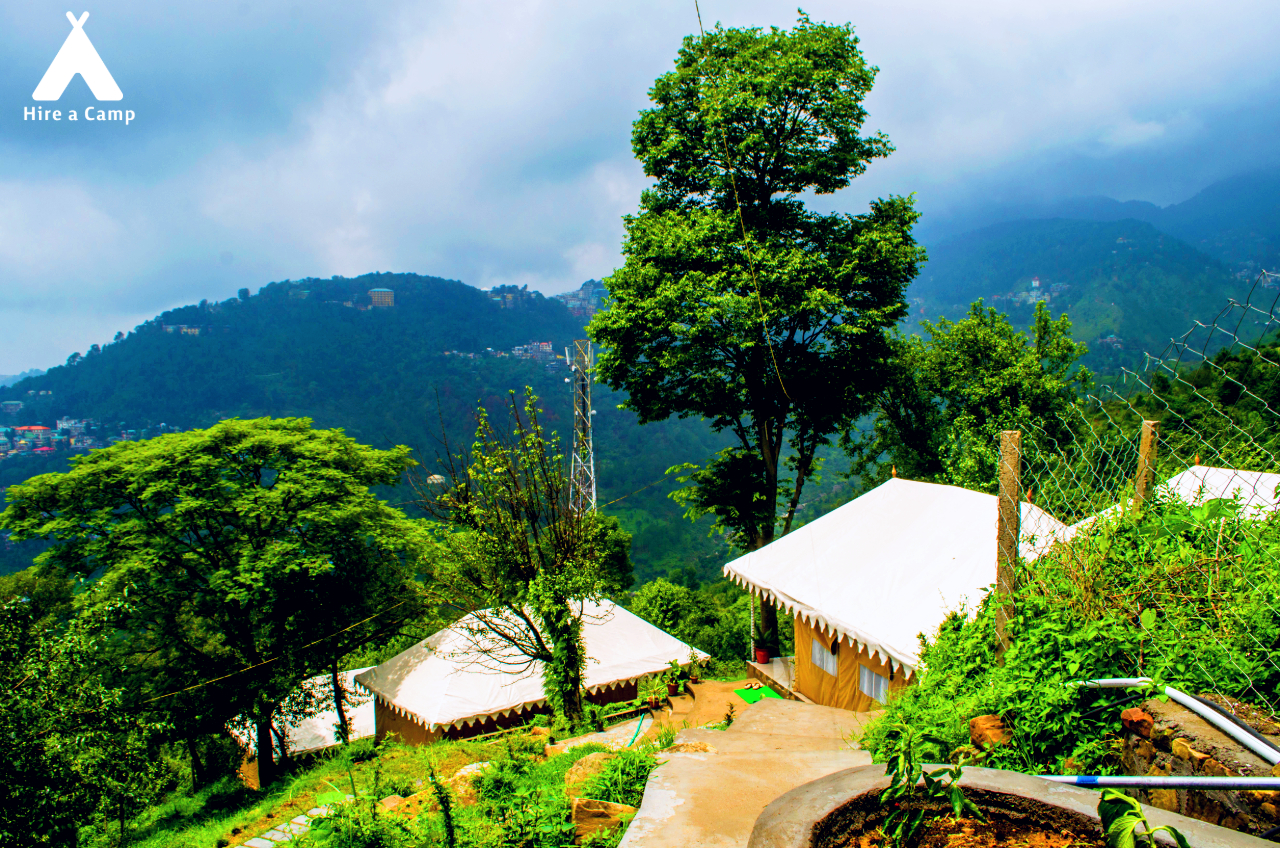
Accommodation options around Triloknath range from peaceful village homestays to nature retreats and riverside campsites tucked away in nearby valleys. Staying in a family-run homestay provides a wonderful opportunity to taste home-cooked Himachali meals prepared with locally harvested grains, lentils, and wild greens, while learning about regional customs directly from residents.
Travellers who prefer open spaces, starlit night skies, and pine-scented orchards can look for campsites and farm stays located in the surrounding Kangra countryside. You can browse and book verified homestays, cottages, and outdoor campsites near Triloknath on HireACamp to match your travel style and preferences.
Frequently asked questions
What is Triloknath in Kangra known for?
Triloknath is famous for its ancient cave shrines dedicated to Lord Shiva, featuring natural stalactite formations and a serene spiritual environment amidst the Shivalik foothills.
Which is the nearest railway station to Triloknath?
Pathankot Railway Station is the nearest major railhead, well connected by broad-gauge express trains to major cities across northern India.
Can Triloknath be visited as a day trip from Dharamshala or McLeod Ganj?
Yes, Triloknath is located around 25 to 40 kilometres from Dharamshala and McLeod Ganj, making it an easy and rewarding day excursion by car or taxi.
What should I pack for a trip to Triloknath?
Pack light cotton clothing for summer afternoons, sturdy walking shoes for cave visits and village trails, and adequate woollens or jackets if you are visiting between November and February.
What attractions can I combine with a visit to Triloknath?
You can easily combine your visit with historic landmarks like Kangra Fort, Nurpur Fort, the submerged temples of Bathu Ki Ladi, and the cultural sites of McLeod Ganj.
Where you'll be
4 stays nearby shown with prices
Stays near Triloknath
Book a place to stay close by
Things to do in Triloknath
48 places creators recommend within 30 km


Built from 0 Instagram posts by 0 creators. Every tip links back to the post it came from, and where creators disagree we show both sides.






