
Triveni Mahadev Temple
Temple near Kamlagarh, Himachal Pradesh
9.1 km from Kamlagarh
The nearest town, for stays, food and fuel.
Triveni Mahadev Temple is a sacred Hindu shrine dedicated to Lord Shiva, located in the scenic Mandi district of Himachal Pradesh. Situated at the natural confluence of three streams, the temple draws pilgrims and travellers seeking spiritual solace away from crowded tourist circuits. Visitors come to admire the peaceful river landscape, participate in quiet worship, and experience the cultural heritage of the Beas river basin.
Getting there
By road
- From KamlagarhNearest town1 hr 10 min · 32 km
- From Chandigarh5 hr 20 min · 225 km
- From Ludhiana5 hr 20 min · 222 km
- From Amritsar5 hr 40 min · 251 km
Typical drive times without traffic. Stations and airports from OLA Maps; distances and typical drive times from OpenStreetMap (© OpenStreetMap contributors); notes from creators' Reels.
About Triveni Mahadev Temple
Written with AI from map data and general knowledge. Check prices and timings locally before you go.
About Triveni Mahadev Temple
Triveni Mahadev Temple is an ancient place of worship nestled in the lower Himalayan hills of Mandi district. The temple is dedicated to Lord Shiva and derives its name from 'Triveni', which denotes the confluence of three water streams. In Hindu tradition, confluences are considered inherently sacred, providing a natural setting for ritual purification, prayer, and deep meditation.
The shrine is set against a backdrop of terraced hillsides, pine belts, and flowing river water. Mandi district has long been celebrated as a regional centre of Shaivism, often referred to in folk tradition as a valley of temples. Triveni Mahadev shares in this rich religious tapestry, serving both as an everyday place of devotion for surrounding village communities and as a tranquil stopping point for travellers exploring the rural heart of Himachal Pradesh.
The natural setting and temple grounds
The setting of Triveni Mahadev Temple is defined by the soothing sounds of moving water and the gentle slopes of the Dhauladhar foothills. The temple complex is built close to the riverbed, where rocky outcrops meet the convergence of hill streams. The water remains cool throughout the year, fed by Himalayan catchments higher up the valley.
The temple structure reflects traditional regional craftsmanship, built to withstand the elements while providing sheltered areas for gathering and worship. Stone steps, open courtyards, and small shrines dedicated to associated deities frame the sanctum sanctorum. The atmosphere around the complex is remarkably calm, allowing visitors to sit along the riverbanks, listen to the rush of the water, and observe the daily pujas conducted by local priests.
Read more
Best time to visit
The ideal time to visit Triveni Mahadev Temple is between October and April, when the weather in Mandi district is dry, cool, and pleasant. Autumn brings clear skies and comfortable afternoon temperatures, making it easy to combine temple visits with riverside walks and regional road trips. Winter is chilly, particularly in the early mornings and evenings, but the daytime sun is bright and crisp.
Springtime from March to May brings pleasant warmth and blooming hillsides. The monsoon season, stretching from July through September, brings intense rainfall across the region. During these months, river currents swell rapidly and water levels rise, which can make approaches to the riverbank hazardous. Landslides are also common along mountain roads during heavy downpours, so travellers should check local weather updates before making plans during the rainy season.
How to reach Triveni Mahadev Temple
Triveni Mahadev Temple is accessible by road from the town of Mandi and neighbouring settlements in the Mandi and Kangra districts. Mandi is well connected to major transit hubs including Chandigarh, Delhi, and Shimla via national highways. Travellers arriving by public transport can board regular intercity buses to Mandi, and from there take local feeder buses or private taxis toward the temple area.
For those travelling by air, the closest operational airports are Kangra Airport at Gaggal and Kullu-Manali Airport at Bhuntar. Both airports provide road access to the Mandi region via scenic mountain routes. Broad-gauge rail heads at Pathankot and Chandigarh serve as primary train connection points, while the narrow-gauge heritage line connects Pathankot to nearby stations in the Kangra valley. A private car or rented two-wheeler provides the most flexibility for exploring the winding rural routes that lead to the temple.
Places to visit nearby
The region around Triveni Mahadev Temple contains several sacred sites, natural lakes, and scenic spots worth visiting. Hurang Narayan Temple and Shri Machhindra Nath Temple are important cultural landmarks in the surrounding hills, reflecting deep-rooted folk traditions and classical woodwork. Nearby Macchial Lake is renowned for its sacred mahseer fish, which are fed by devotees who come to pay respects at the adjacent shrines.
Further along the hill circuits lie Baba Balakrupi Mandir, Mata Banderi Temple, and Simsa Mata Temple, each known for distinctive local lore and regional festivals. Nature enthusiasts can arrange day trips toward Lapas Waterfalls or travel south toward Rewalsar Lake, a revered high-altitude water body shared by Hindu, Buddhist, and Sikh pilgrims. The surrounding valley also features a handful of roadside cafes where travellers can pause for hot chai and regional snacks.
Tips for your visit
Because Triveni Mahadev Temple is an active place of daily worship, visitors should dress modestly, covering their shoulders and knees. Footwear must be removed before entering the inner sanctum and designated temple courtyards. Always ask for permission before taking photographs of the resident priests, worshippers, or sanctum deities.
Take extra care when walking along the riverbed and slippery stone paths, especially during or immediately after rain. Currents in mountain streams can be stronger and deeper than they appear from the surface, so swimming is generally discouraged. Carry cash for small offerings and purchases, as network connectivity can be intermittent in rural valley pockets.
Where to stay
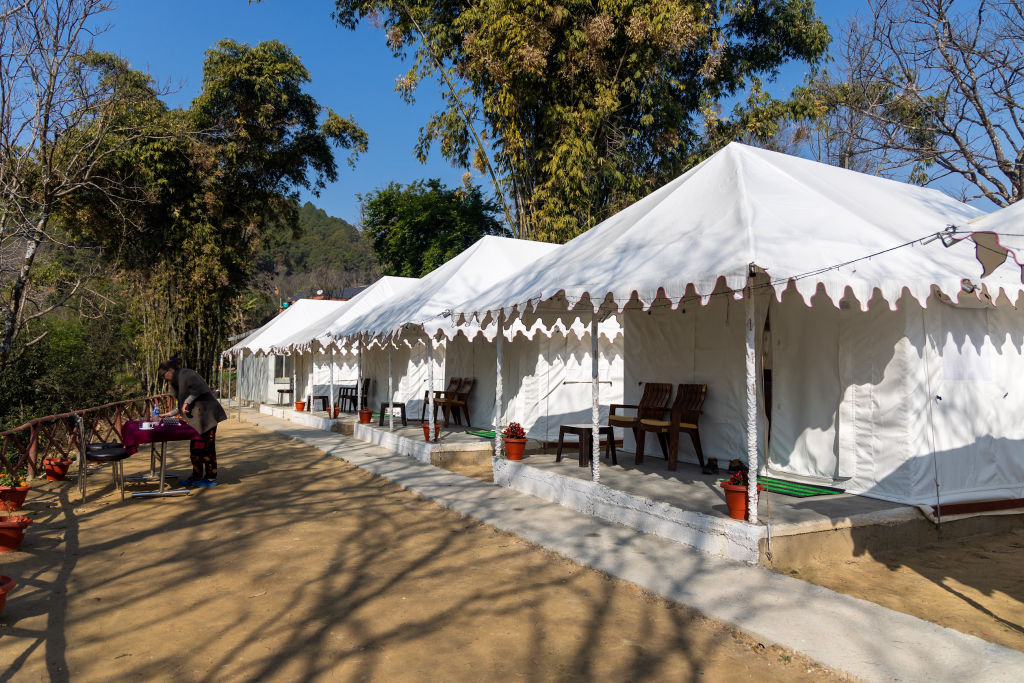
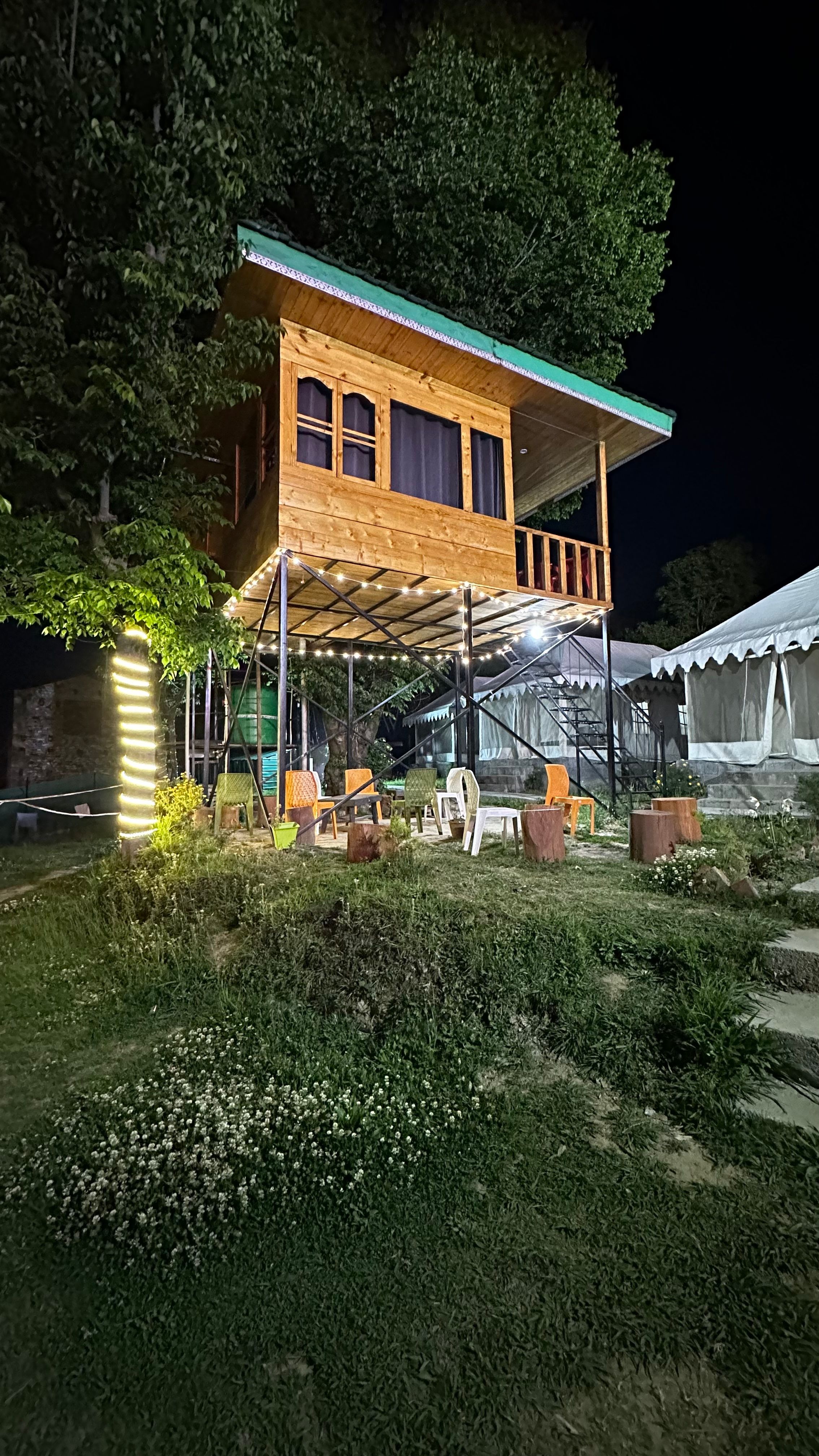
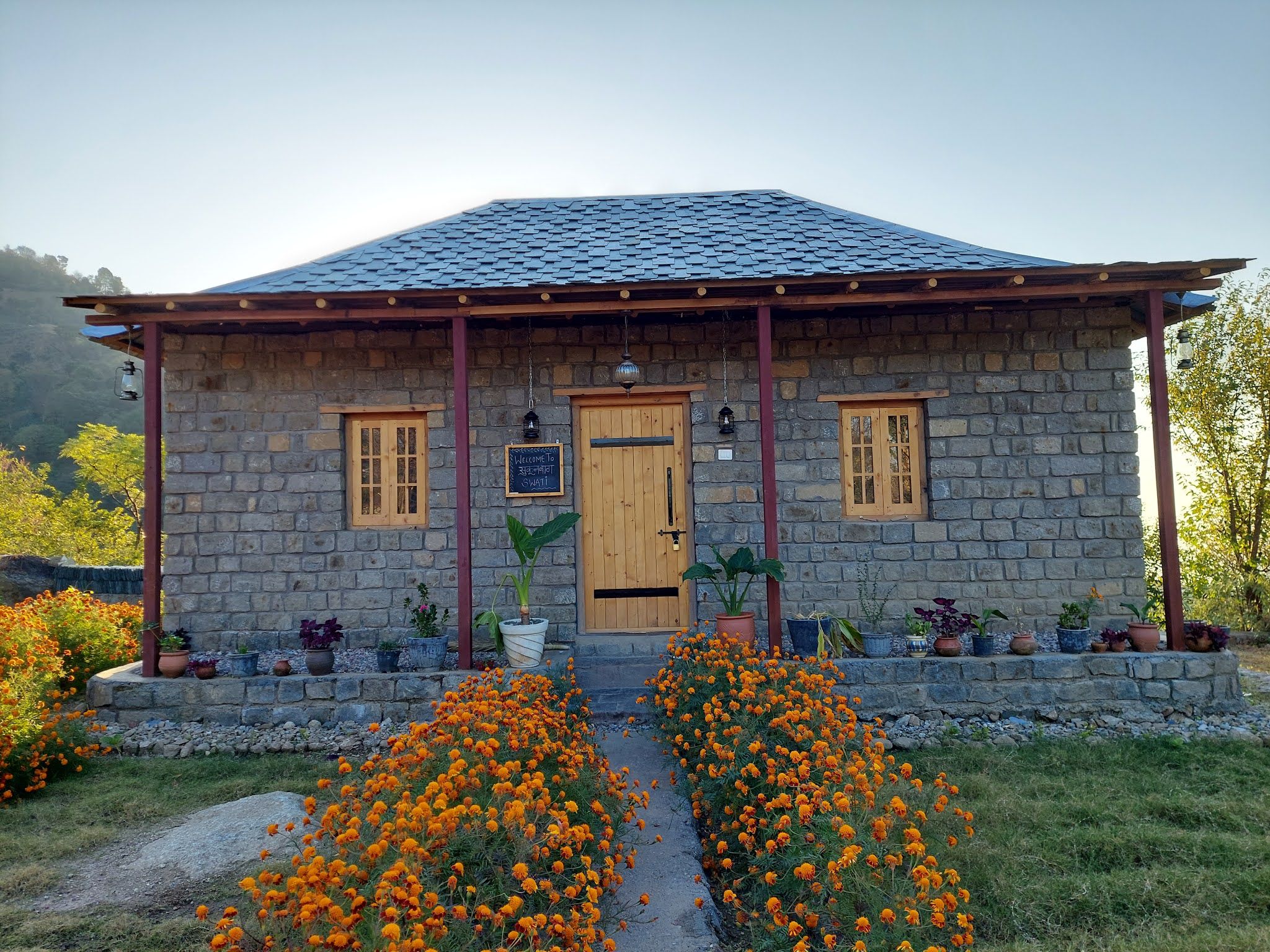
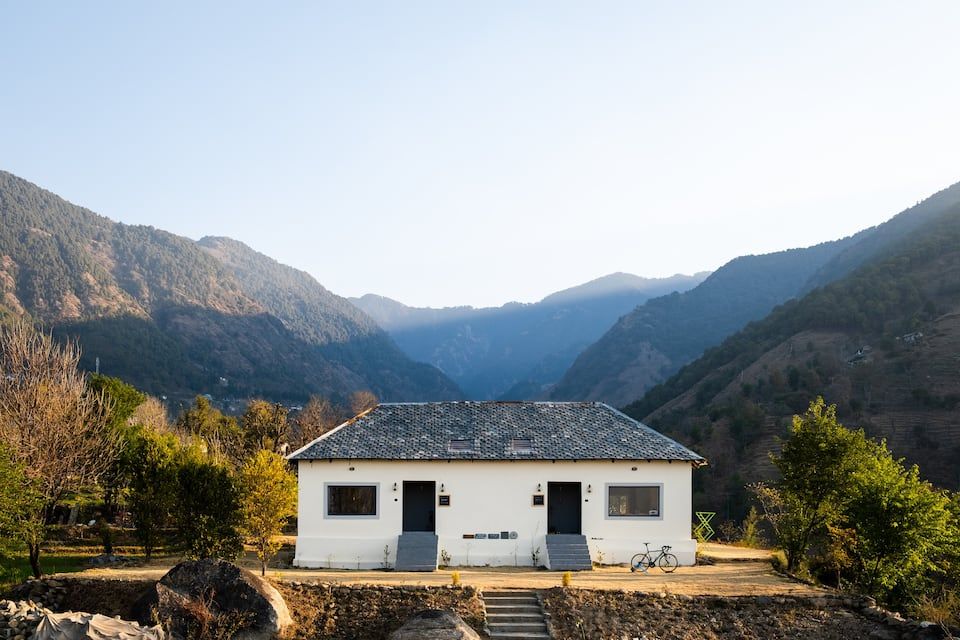
Travellers seeking accommodation close to Triveni Mahadev Temple have a variety of atmospheric options across Mandi district and the nearby Kangra border. Staying in a rural village homestay allows you to experience traditional Himachali hospitality, home-cooked regional meals, and insight into local farming practices.
For those who prefer spending more time outdoors, camping along forested ridges or river terraces nearby is an excellent alternative. You can discover and book verified homestays, nature camps, and rustic cottages throughout the area directly on HireACamp.
Frequently asked questions
Where is Triveni Mahadev Temple located?
Triveni Mahadev Temple is situated in Mandi district, Himachal Pradesh, near the natural convergence of three hill streams.
Which deity is worshipped at Triveni Mahadev Temple?
The temple is dedicated to Lord Shiva, revered here as Mahadev at the holy confluence of waters.
Can I visit Triveni Mahadev Temple during the monsoon?
While the temple can be visited during the monsoon, caution is advised because local streams swell rapidly and mountain roads in the area are prone to landslides.
What other attractions can I visit nearby?
Nearby attractions include Macchial Lake, Shri Machhindra Nath Temple, Hurang Narayan Temple, Simsa Mata Temple, Lapas Waterfalls, and the sacred Rewalsar Lake.
Where can I book stays near Triveni Mahadev Temple?
You can find and book riverside camps, rustic cottages, and traditional village homestays in the area on HireACamp.
Where you'll be
Mandi · 4 stays nearby shown with prices
Stays near Triveni Mahadev Temple
Book a place to stay close by
More places near Triveni Mahadev Temple
Within 20 km
Built from 0 Instagram posts by 0 creators. Every tip links back to the post it came from, and where creators disagree we show both sides.






