
Hurang Narayan Temple
Temple near Balakrupi, Himachal Pradesh
11 km from Balakrupi
The nearest town, for stays, food and fuel.
Hurang Narayan Temple is an ancient wooden shrine dedicated to the regional deity Hurang Narayan, situated in the hills of Mandi district in Himachal Pradesh. The temple is celebrated for its traditional Pahari craftsmanship, scenic village setting, and deep-rooted community traditions. Travellers visit to experience authentic Himachali village life, admire historical woodwork, and discover the distinctive devta culture of the Western Himalayas.
Getting there
By road
- From BalakrupiNearest town24 min · 16 km
- From Chandigarh4 hr 40 min · 203 km
- From Ludhiana5 hr 5 min · 234 km
- From Amritsar5 hr 50 min · 277 km
Typical drive times without traffic. Stations and airports from OLA Maps; distances and typical drive times from OpenStreetMap (© OpenStreetMap contributors); notes from creators' Reels.
About Hurang Narayan Temple
Written with AI from map data and general knowledge. Check prices and timings locally before you go.
About Hurang Narayan Temple
Hurang Narayan Temple stands in the quiet mountain settlement of Hurang in the Mandi district of Himachal Pradesh. In this corner of the Western Himalayas, villages function under an enduring devta tradition where deities are not merely ceremonial icons, but active guardians of the social, moral, and cultural life of the community. Hurang Narayan is one of the most venerated village deities in the region, looked to by local families for protection, resolution of community disputes, and seasonal prosperity.
Visiting the temple compound provides an authentic view into the unhurried life of rural Himachal. Unlike crowded pilgrimage destinations, Hurang Narayan Temple retains a tranquil, village-centred atmosphere. The temple premises are framed by traditional stone-and-timber residences, terraced farming plots, and hillside forests, making any trip here as much an exploration of indigenous mountain living as an encounter with sacred heritage.
Architectural heritage and traditions
The temple structure exemplifies the vernacular architectural heritage of Himachal Pradesh, utilizing cedar timber, locally sourced stone, and hand-cut slate tiles. Intricately carved wooden panels, pillars, and brackets showcase motifs influenced by regional folk art and nature. The sloping multi-tiered roof protects the structure against heavy summer rainfall and winter frost, reflecting construction techniques refined over generations to endure the Himalayan climate.
Rituals at Hurang Narayan Temple adhere to customary community practices handed down through family lineages. The deity's sacred palanquin, adorned with ceremonial silver faces and colourful textiles, is carried on the shoulders of nominated village attendants during religious occasions. Hurang Narayan participates in prominent local gatherings as well as the historic Mandi Shivratri fair, where deities from across the district assemble. During village fairs, the courtyard resonates with the deep sounds of the karnal trumpet and the rhythmic beats of traditional Pahari drums.
Read more
Best time to visit Hurang Narayan Temple
The climate in the Mandi hills varies significantly across the year, making seasonal timing important when planning a visit. The spring and summer months from March to June offer the most comfortable conditions, with warm days, crisp mornings, and blooming orchards. It is a pleasant window for outdoor walks, admiring temple woodwork, and exploring the surrounding countryside without having to navigate winter cold or summer storms.
The monsoon period between July and late August covers the valley in lush green foliage, but rain in the mountains can lead to slick roads and unexpected landslips. Travellers planning a trip during these months should verify local road accessibility before heading out. Autumn, from September through November, brings clear blue skies, crisp air, and comfortable daytime temperatures, making it another favoured season. Winter spans December through February, bringing cold nights and chilly days that suit travellers who enjoy crisp mountain weather.
How to reach Hurang Narayan Temple
Hurang Narayan Temple is reached by road from the town of Mandi, the primary administrative and commercial centre of the district. Mandi is well connected to major cities across northern India via national highways. Regular buses operated by state transport undertakings and private lines connect Mandi with Chandigarh, Delhi, and Shimla. From Mandi, rural branch roads wind through pine-clad hillsides and small hamlets toward the village of Hurang.
For those travelling long distances by air, the closest regional airfields are Bhuntar in Kullu district and Gaggal near Kangra, both situated a few hours away by road. The major international airport with extensive domestic flight links is located in Chandigarh. Travellers arriving by train generally alight at Chandigarh or Kiratpur Sahib before continuing upward by taxi or bus. Having a private or hired vehicle provides the flexibility required to explore the narrower village roads leading to the temple.
Places to explore nearby
A visit to Hurang Narayan Temple can easily be paired with other scenic and historical attractions spread across Mandi district. Nature enthusiasts can visit Lapas Waterfalls, an appealing cascade tucked into the surrounding hills that flows vigorously after the seasonal rains and provides a tranquil spot for an afternoon rest.
Another significant destination in the district is Rewalsar Lake, a tranquil body of water held sacred by Hindu, Buddhist, and Sikh traditions alike. The lake is ringed by Buddhist monasteries, ancient shrines, and a gurdwara. Higher up along the mountain ridges lies Parashar Lake, known for its floating circular island and an impressive multi-tiered temple dedicated to the sage Parashar. Travellers interested in regional sacred architecture can also pay a visit to Awah Devi Temple, the Baglamukhi Temple, or the ancient stone-carved Ekadash Rudra Temple along the banks of the Beas River.
Tips for your visit
Visitors to Hurang Narayan Temple are expected to honour the customs and sanctity of the rural sanctuary. Proper decorum includes removing footwear before stepping onto the temple platform and dressing modestly. In many traditional temples across Himachal Pradesh, leather articles such as belts, bags, or shoes are restricted within the inner sanctum, so it is best to leave these behind or verify guidelines with the resident priest or village elders.
Always ask for permission before taking photographs or recording video inside the temple or during religious gatherings. Because Hurang sits away from major commercial centres, basic amenities such as cash dispensers and pharmacies are sparse; carry adequate cash and essential medicines from Mandi. Sturdy walking shoes are recommended, as the paths and courtyard floors are made of uneven natural stone.
Where to stay near Hurang Narayan Temple
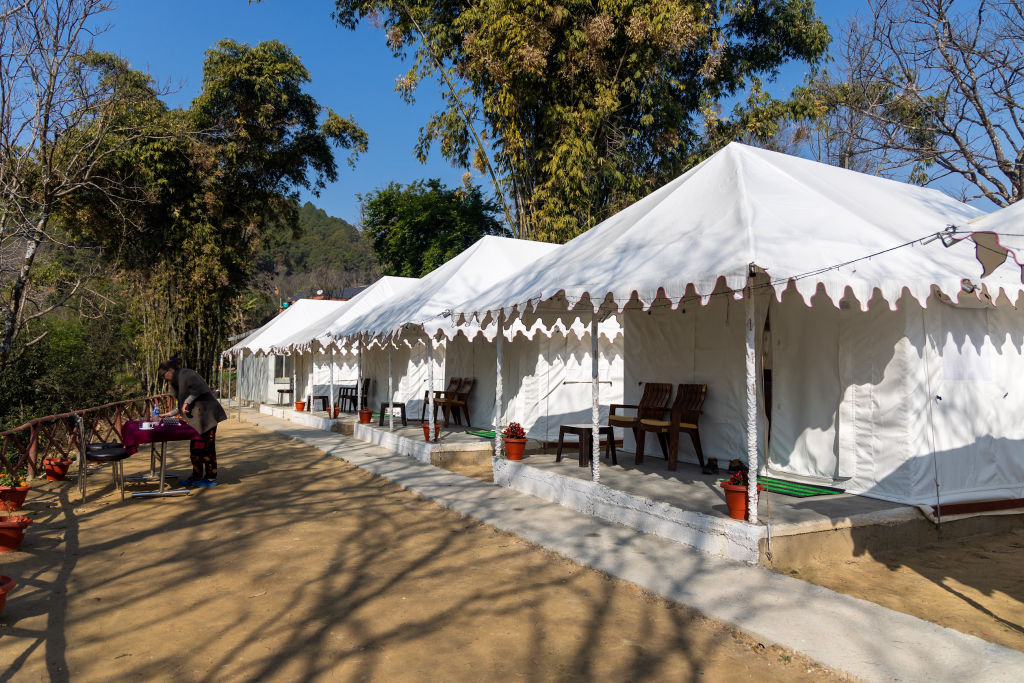
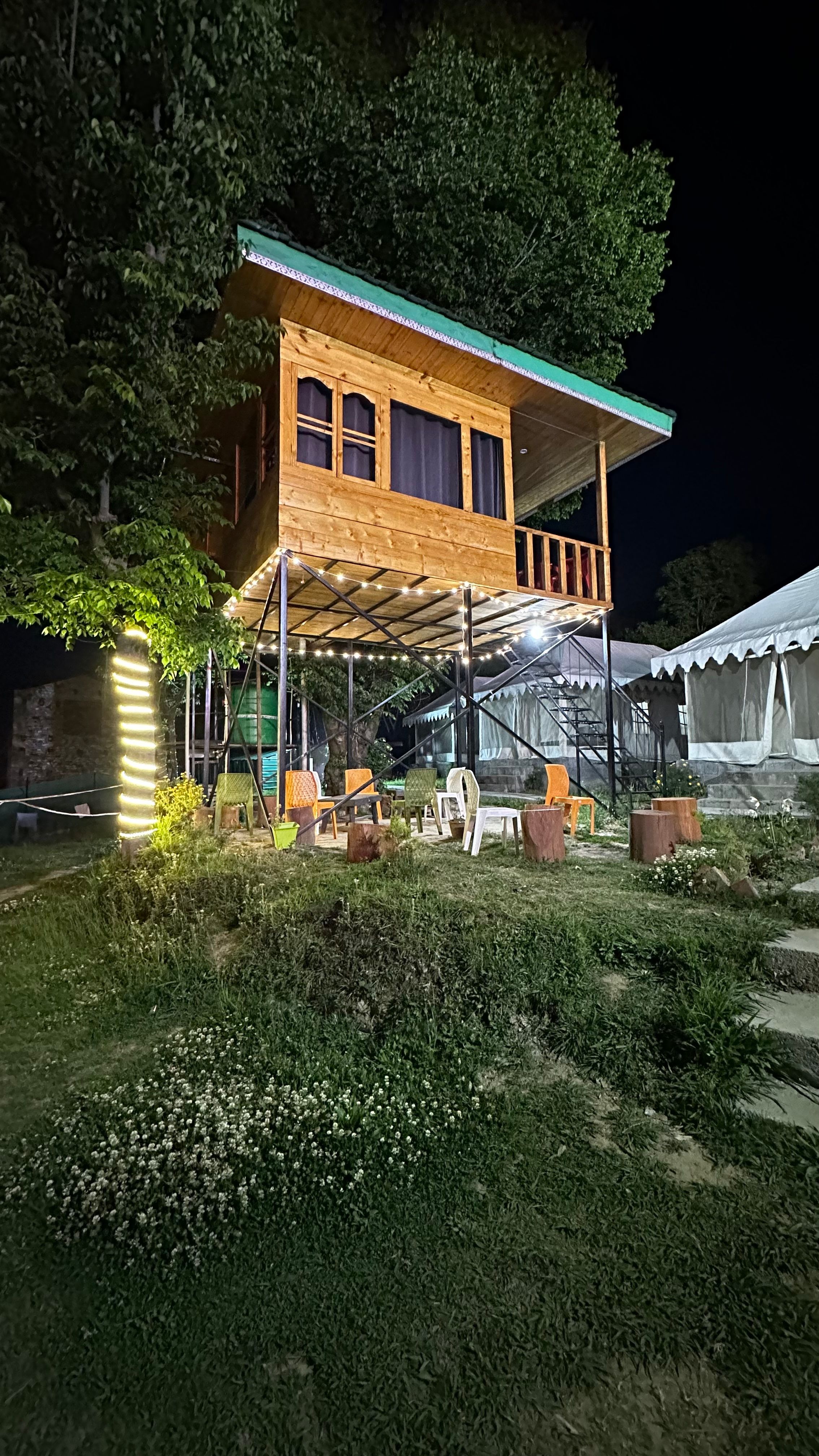
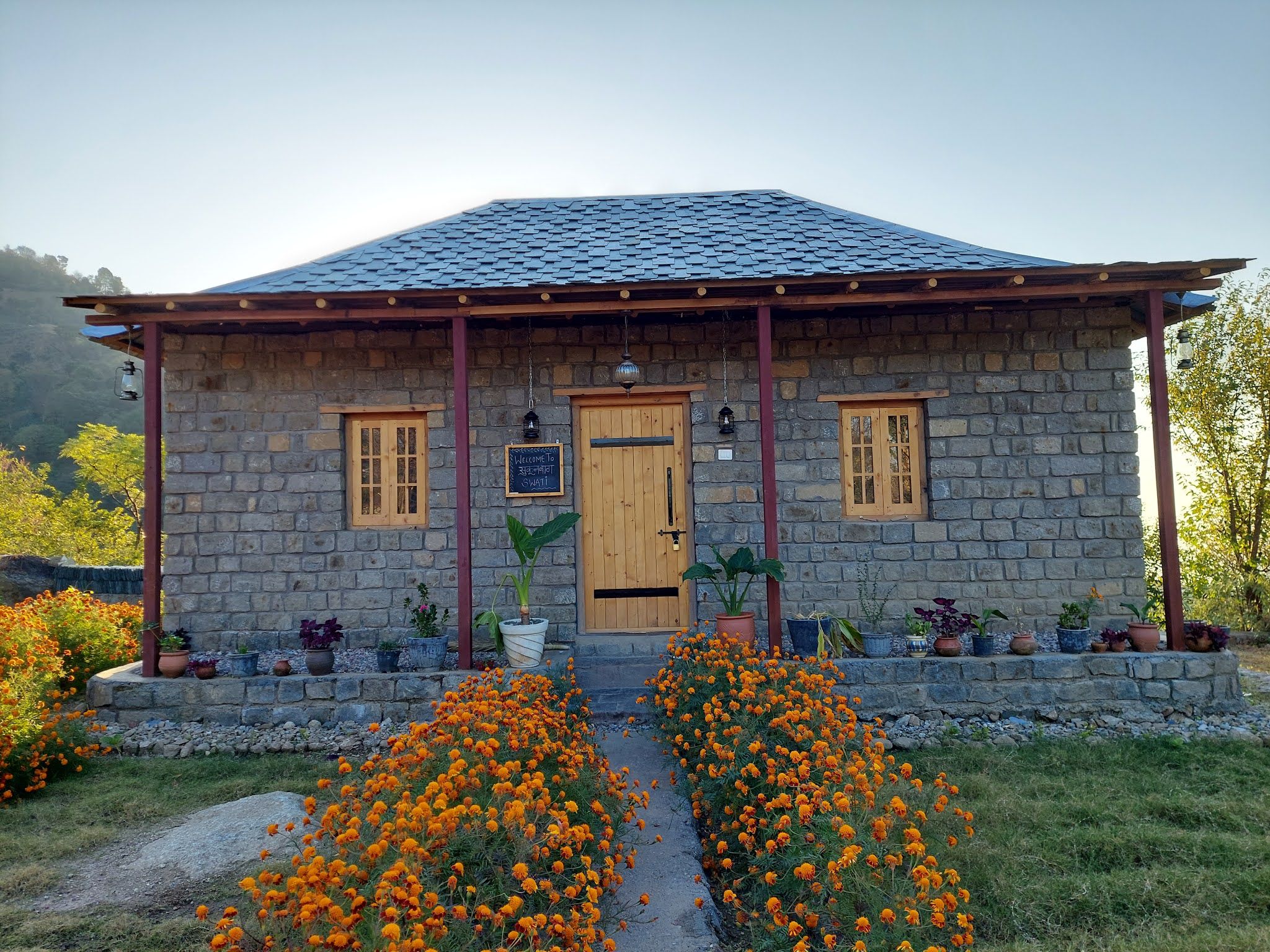
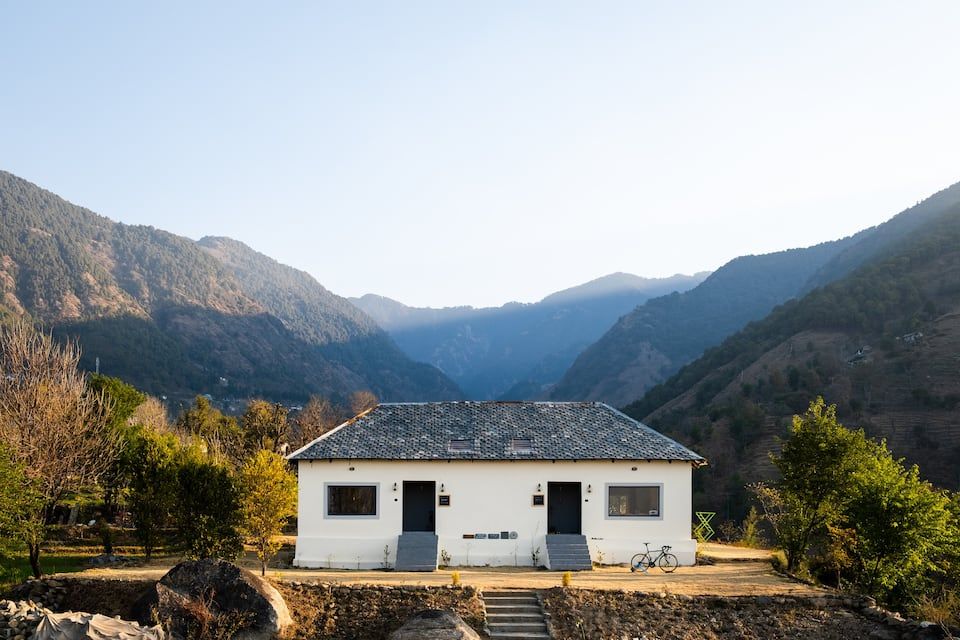
Accommodation options in the immediate vicinity of the temple consist largely of modest village homestays run by local families. Staying in a village homestay gives travellers a chance to taste traditional Pahari meals, converse with residents, and experience genuine rural hospitality in a calm mountain setting.
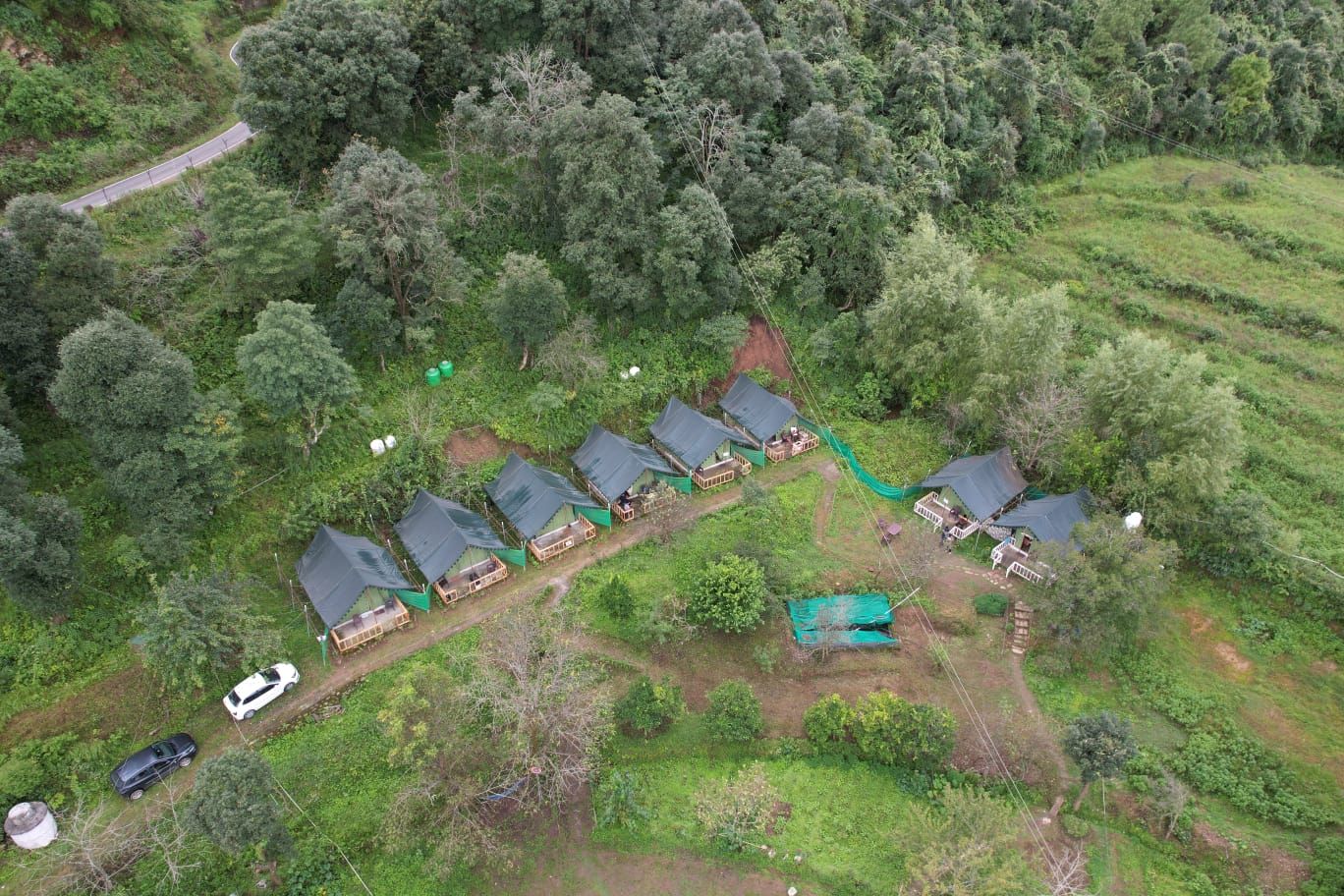
If you prefer outdoor getaways, scenic cottages, or established riverside camps tucked into the wider valleys of Mandi, you can browse and book verified stays on HireACamp. Finding a base in the surrounding area allows you to combine your cultural excursion to Hurang Narayan Temple with relaxed evenings surrounded by nature.
Frequently asked questions
Where is Hurang Narayan Temple located?
Hurang Narayan Temple is located in Hurang village, situated within the hilly terrain of Mandi district in Himachal Pradesh, India.
Who is the presiding deity of Hurang Narayan Temple?
The temple is dedicated to Hurang Narayan, a revered village deity who plays a central role in the spiritual traditions, local administration, and festive life of the surrounding valley.
When is the best time to visit Hurang Narayan Temple?
The best months to visit are from March to June for pleasant weather, and from September to November for clear skies and crisp autumn conditions.
What etiquette should travellers follow at the temple?
Travellers should dress modestly, remove footwear before entering the temple courtyard, refrain from bringing leather items into the inner shrine, and seek permission before taking photographs.
Where can visitors stay when visiting Hurang Narayan Temple?
Travellers can find family-run village homestays in the nearby mountain hamlets or discover scenic campsites and cottages in the Mandi region on HireACamp.
Where you'll be
Mandi, HP · 5 stays nearby shown with prices
Stays near Hurang Narayan Temple
Book a place to stay close by
More places near Hurang Narayan Temple
Within 20 km

Built from 0 Instagram posts by 0 creators. Every tip links back to the post it came from, and where creators disagree we show both sides.






