
Tsemo Maitreya Temple
Temple near Leh, Ladakh
2 km from Leh
The nearest town, for stays, food and fuel.
Tsemo Maitreya Temple is a historic fifteenth-century Buddhist shrine perched high on the barren granite ridge above the town of Leh in Ladakh. Known for its commanding hilltop setting and a colossal three-storey statue of the Future Buddha, the temple forms one of the most prominent landmarks in the upper Indus valley. Travellers and pilgrims make the climb to explore its ancient murals, view its sacred relics, and take in panoramic vistas of the surrounding Himalayan peaks.
Getting there
By road
- From LehNearest town9 min · 5.3 km
- From Leh Ladakh9 min · 5.3 km
Typical drive times without traffic. Stations and airports from OLA Maps; distances and typical drive times from OpenStreetMap (© OpenStreetMap contributors); notes from creators' Reels.
About Tsemo Maitreya Temple
Written with AI from map data and general knowledge. Check prices and timings locally before you go.
About Tsemo Maitreya Temple
Tsemo Maitreya Temple stands atop the Namgyal Tsemo hill, rising steeply behind the historic Leh Palace. Established around 1430 under the reign of King Tashi Namgyal of the Namgyal dynasty, the shrine was constructed to safeguard the royal kingdom and bring spiritual protection to the town below. The complex comprises the main Maitreya sanctuary, dedicated to the Future Buddha, alongside the adjoining ruins of a defensive mud-and-stone royal fortress.
The hilltop is easily identifiable from almost anywhere across Leh by its red-walled shrine and the colourful strings of prayer flags that stretch across the open ridgeline. Despite centuries of exposure to high-altitude winds and severe desert winters, the temple remains an active place of worship cared for by resident monks. It retains a distinct atmosphere of solemn antiquity that contrasts with the bustling market streets below.
The Sacred Shrine and Architecture
The focal point of the temple is its impressive three-storey statue of Maitreya Buddha, locally known as Chamba. This striking effigy is gilded in gold and adorned with classical Ladakhi iconography, filling the vertical space of the sanctuary from floor to ceiling. The idol's calm countenance gazes outward through the upper windows, designed so natural mountain light illuminates the face during daylight hours.
Surrounding the central sanctum are walls covered in time-worn frescoes depicting various deities, lineage masters, and protective guardians of Tibetan Buddhism. Next to the main temple sits the Gonkhang, a protective chapel devoted to fierce guardian deities. This chamber is traditionally draped in dark textiles, holding antique weapons, ancient masks, and ritual effigies intended to avert misfortune and spiritual harm.
Read more
Panoramic Views Over the Leh Valley
Beyond its spiritual importance, Tsemo Maitreya Temple is celebrated for offering one of the finest vantage points in all of Ladakh. From the open terraces and parapets of the fort complex, visitors look down directly onto the tiered roofs of Leh Palace and the labyrinthine lanes of Leh's historic old town.
Looking further south, the view opens across the fertile green oasis of the Leh basin to the meandering silver ribbon of the Indus River. In the background rises the rugged Zanskar mountain range, crowned by the sharp snowy pyramid of Stok Kangri. Turning north, the barren crags rise toward the Khardung La ridge. The broad perspective provides an exceptional understanding of the high-desert geography that shaped human settlement in this Himalayan desert.
Best Time to Visit
The optimal period to visit Tsemo Maitreya Temple is during the summer and early autumn months, from late May through September. During this window, road passes leading into Ladakh are open, daily temperatures in Leh are generally mild, and skies remain clear. Morning visits provide soft light illuminating the Indus valley, while late afternoon allows visitors to watch the sunset paint the surrounding granite ridges in amber and violet.
Winter brings sub-zero temperatures and biting winds along the exposed Tsemo ridge. While the temple remains standing throughout the cold season and can be visited if pathways are cleared of snow, accessibility may be reduced and indoor temperatures within the unheated stone sanctuary are freezing. Those visiting between October and April must prepare for heavy frost, cold winds, and shorter daylight hours.
How to Reach Tsemo Maitreya Temple
Tsemo Maitreya Temple is located just above Leh town and can be approached either on foot or by vehicle. For those acclimatised to the altitude, a steep walking trail ascends directly from the base of Leh Palace. The footpath climbs through loose gravel, switchbacks, and stone stairways, typically taking between thirty to forty-five minutes depending on your pace and stamina.
Alternatively, a narrow motorable road winds around the backside of the mountain ridge from the Chubi and Sankar neighbourhoods. Local taxis can drive visitors right to the foot of the final staircase below the temple entrance, leaving only a short climb to the main door. Travellers arriving in Leh from lower elevations should always dedicate their first two full days to passive rest before attempting the climb up Tsemo hill.
Tips for Your Visit
Because Leh sits at an elevation of approximately 3,500 metres above sea level and the Tsemo ridge rises even higher, exertion can quickly lead to shortness of breath. Walk slowly, drink plenty of water, and carry sun protection including sunglasses, a wide-brimmed hat, and sunscreen, as ultraviolet radiation is intense at this altitude.
As with all Buddhist shrines in Ladakh, visitors are expected to dress modestly and remove footwear before stepping inside the prayer halls. Circumambulate the shrines and chortens in a clockwise direction. Photography regulations vary within the inner sanctum, so always seek permission before photographing sacred statues, wall paintings, or monks engaged in prayer. Carry a small torch or keep your phone charged, as interior lighting inside the historic chambers is often dim.
Places to Explore Nearby
A trip to Tsemo Maitreya Temple naturally links with other significant sites across the Leh area. Directly below the hill stands the Leh Palace, a nine-storey royal residence built in the seventeenth century that houses an exhibition gallery and open view terraces. Wandering down from the palace leads directly into the historic Leh Old Town, characterised by traditional mud-brick houses, carved timber balconies, and winding alleys.
Across the valley floor, the white-domed Shanti Stupa in Changspa offers an opposing view of the town and Tsemo ridge. A short drive away, the tranquil banks of Sindhu Ghat along the Indus River provide a peaceful place to walk, while nearby monastery complexes like Spituk and Sankar showcase everyday monastic rituals and Tibetan art.
Where to Stay
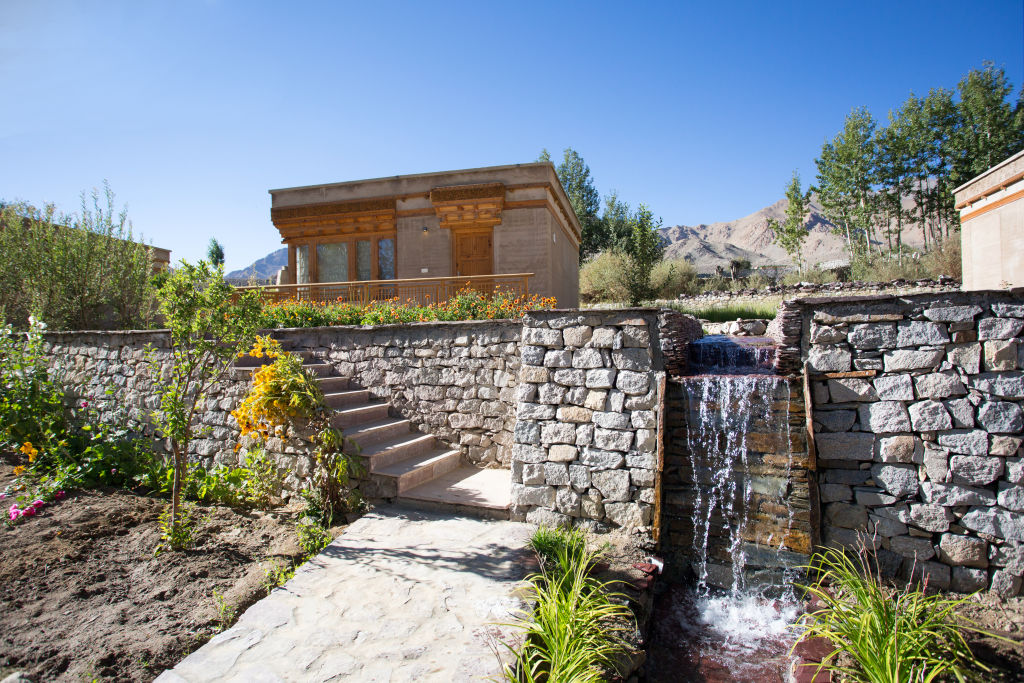
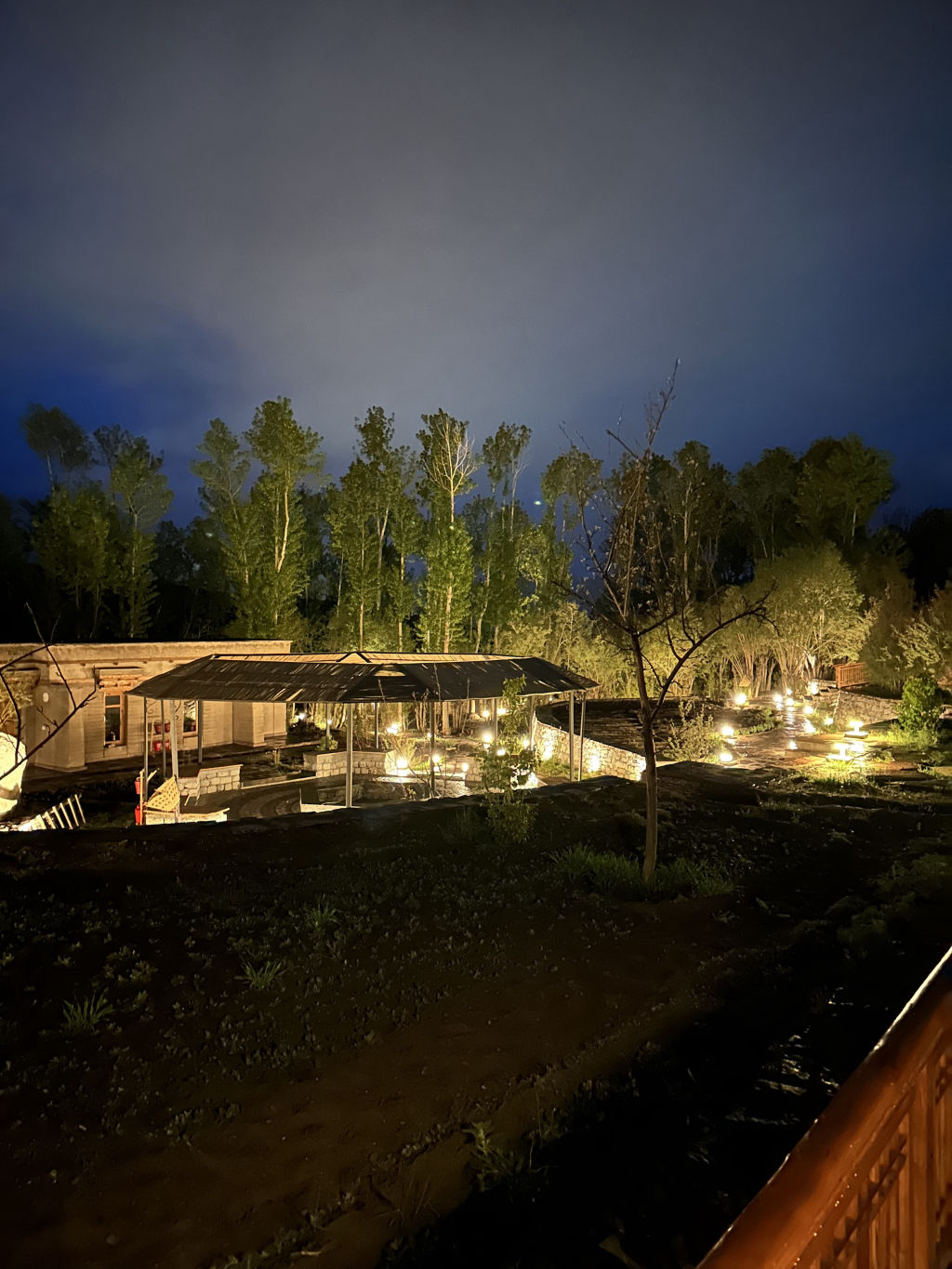
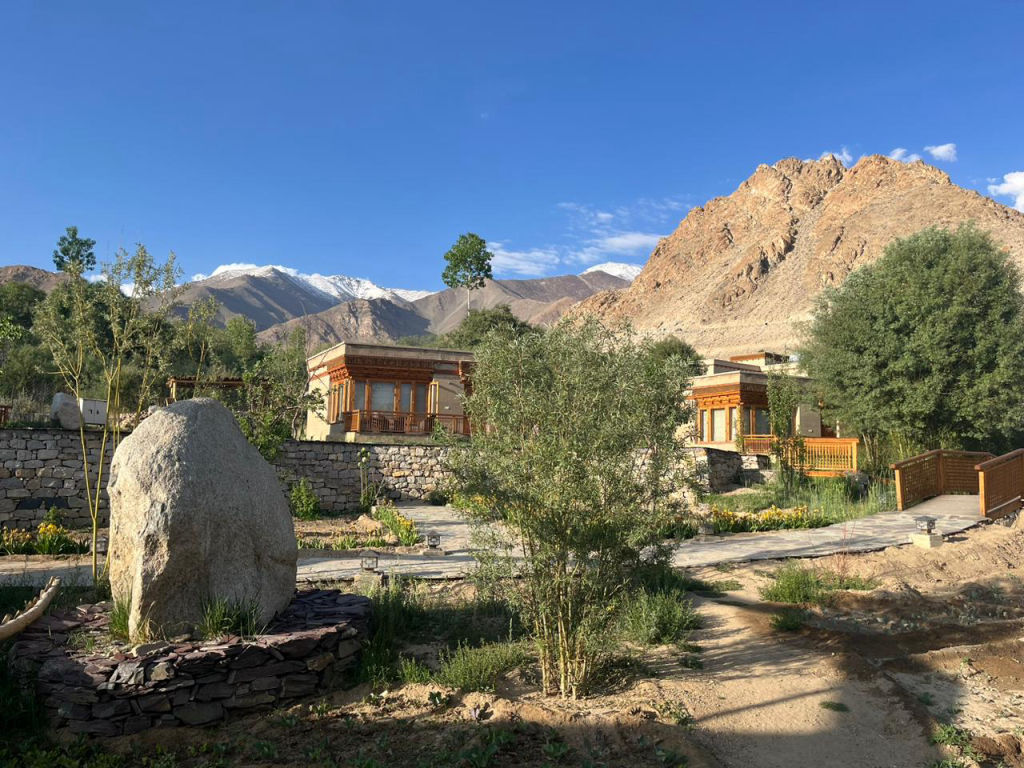
Leh offers an extensive range of accommodations suited to every travel style, serving as the central base for exploring the wider Ladakh region. Visitors can choose between riverside camps, traditional mud-brick Ladakhi homestays nestled in quiet apricot orchards, and comfortable family-run guesthouses located within walking distance of the central bazaar.
Staying in residential areas such as Sankar, Upper Tukcha, or Chubi offers peaceful surroundings with easy walking access to the trails heading up toward Tsemo hill. You can find well-curated homestays, eco-friendly stays, and scenic campsites around Leh on HireACamp.
Frequently asked questions
Can I reach Tsemo Maitreya Temple by car?
Yes, a motorable road loops behind the ridge to a parking area near the top. From there, you only need to climb a short flight of steps to enter the temple complex.
How long is the hike from Leh town to the temple?
The walk from the base of Leh Palace to the temple takes roughly thirty to forty-five minutes. Because the path is steep and the air is thin, it is best attempted only after you are well acclimatised.
What is the primary deity inside the temple?
The temple is dedicated to Maitreya Buddha, known as the Future Buddha, represented by an ancient two-to-three-storey gilded statue located inside the main sanctum.
Is Tsemo Maitreya Temple open year-round?
The temple is accessible for most of the year, although severe winter weather and snow can make the road or walking paths slippery. It is best to check locally with town residents regarding daily access.
Where you'll be
Leh · 3 stays nearby shown with prices
Stays near Tsemo Maitreya Temple
Book a place to stay close by
More places near Tsemo Maitreya Temple
Within 20 km
Built from 0 Instagram posts by 0 creators. Every tip links back to the post it came from, and where creators disagree we show both sides.






