
Fontainhas
Heritage & Culture near Panjim, Goa
500 m from Panjim
The nearest town, for stays, food and fuel.
Fontainhas is the historic Latin Quarter of Goa, located in the Tiswadi taluka near the capital city of Panaji. Founded in the late eighteenth century, it is renowned for its well-preserved Portuguese colonial architecture, narrow winding streets, and brightly painted heritage homes. Travellers visit Fontainhas to experience Goa's rich cultural past on foot, taking in its distinct Mediterranean charm, vibrant facades, and relaxed street life.
Getting there
By road
- From PanjimNearest town3 min · 1 km
- From Pune8 hr 55 min · 433 km
Typical drive times without traffic. Stations and airports from OLA Maps; distances and typical drive times from OpenStreetMap (© OpenStreetMap contributors); notes from creators' Reels.
About Fontainhas
Written with AI from map data and general knowledge. Check prices and timings locally before you go.
Heritage and history of Fontainhas
Fontainhas was established in the late eighteenth century when the Portuguese administration shifted its seat of government from Old Goa to Panaji following devastating epidemics. The quarter sits at the foot of Altinho hill and takes its name from the Fonte Phoenix, a natural spring that once provided fresh water to the residents. Over the decades, administrative officers, intellectuals, and affluent Goan families built their homes here, creating a distinct architectural enclave that has survived largely intact into modern times.
The urban layout retains a classic Mediterranean grid of narrow lanes, blind alleys, and compact courtyards. In the late twentieth century, the quarter was designated a heritage zone, ensuring that the distinctive character of the settlement was protected from rapid modernization. Today, walking through Fontainhas offers a direct window into Goa's colonial history, reflecting an era where local Konkani traditions intertwined with Southern European building styles, customs, and domestic aesthetics.
Architecture and streetscapes
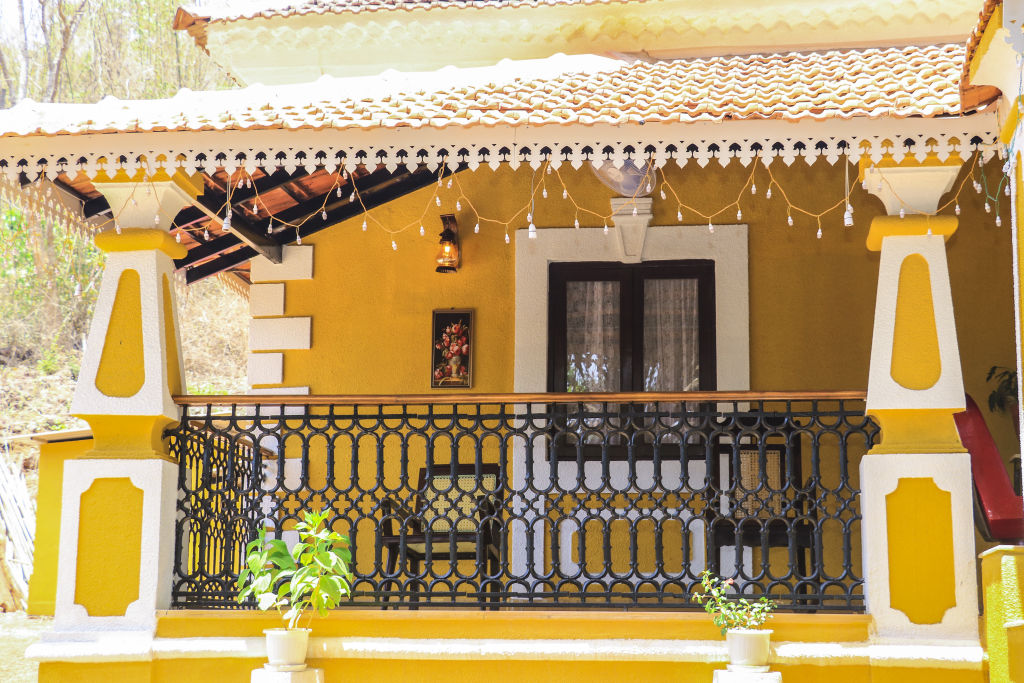
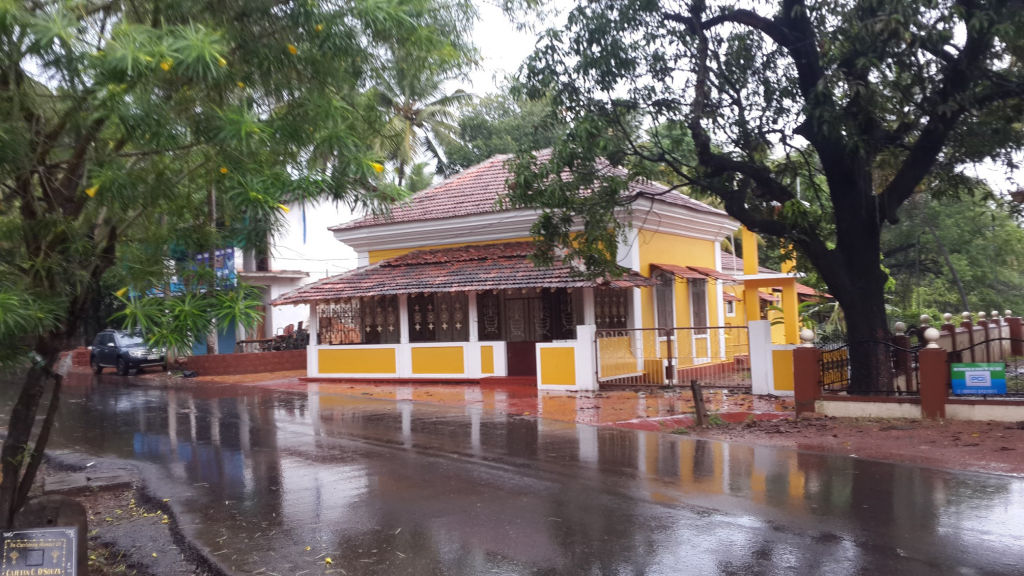
The architecture of Fontainhas is among the most distinctive in South Asia. Houses are built with thick laterite stone walls plastered with lime and covered in vivid shades of ochre yellow, deep indigo, terracotta red, and pastel green. Under traditional municipal regulations dating back to the colonial era, homeowners were required to repaint their facades every year after the monsoon rains, a tradition that many families continue to this day to keep the streets bright and weather-resistant.
As you walk along the cobbled and asphalt lanes, look closely at the architectural details. Many houses feature projecting wooden balconies with ornate railings, terracotta-tiled pitched roofs, and window panes crafted from polished oyster shells known locally as carepas, which diffuse harsh tropical sunlight into a soft interior glow. Hand-painted ceramic azulejo tiles bearing house names and street markers decorate the doorways, alongside heavy carved wooden doors, wrought-iron grills, and quiet inner verandas that open out onto the bustling lanes.
Read more
Things to do in Fontainhas
The best way to explore Fontainhas is on foot with an open itinerary. Wander through the quiet backstreets early in the day when the residential quarter is just waking up, and take time to admire the Chapel of Saint Sebastian, built in the late nineteenth century. The chapel features a striking white facade and houses a rare crucifix where Christ is depicted with open eyes, unlike the conventional closed-eyed representation.
Beyond street photography and admiring the facades, you can explore small heritage art spaces and traditional workshops scattered through the alleys. Visiting during different times of the day offers contrasting perspectives; morning light illuminates the vivid colors of the facades, while late afternoons bring a gentle breeze from the Mandovi River, prompting locals to sit outside on their balcões to converse with neighbours. Take time to observe the daily rhythms of the community, where Portuguese greetings can still occasionally be heard.
Best time to visit Fontainhas
The winter months from November to February offer the most pleasant weather for walking around Fontainhas. During this season, temperatures are moderate, humidity is lower, and the sky remains clear, making it comfortable to spend hours exploring the open-air streets on foot. The soft winter light is particularly flattering for photography during early mornings and late afternoons.
The monsoon season from June to September brings heavy tropical downpours that transform the quarter. The red roof tiles and lush potted plants gleam against the rain-washed walls, lending the lanes a moody, nostalgic atmosphere. While walking outdoors requires an umbrella and careful stepping on wet stones, the monsoon offers a quieter, less crowded experience. The summer months from March to May can be hot and humid, so visitors during this period are advised to plan their walks in the early morning or after sunset.
How to reach Fontainhas
Fontainhas is situated in the Tiswadi area of North Goa, directly adjacent to central Panaji and along the banks of the Ourem Creek. Because of its central location, it is easily reachable from across the state. Travelers arriving at major regional transit points such as airport terminals, long-distance railway stations, or interstate bus terminals can hire local taxis, autorickshaws, or take municipal buses to reach Panaji.
Once you arrive at the edge of the Latin Quarter, the best way to navigate is entirely on foot. The narrow lanes and sharp turns are poorly suited for four-wheelers, and vehicle access is restricted on several interior streets to preserve the historic infrastructure. Scooter rentals are popular in Goa, but parking near the quarter can be limited, so parking slightly outside the main alleys and walking in is the most convenient approach.
Tips for your visit
Fontainhas is an active residential neighborhood, not an open-air museum. Visitors should be mindful of local residents' privacy. Avoid leaning into open windows, peeking into private courtyards, or sitting on private staircases and verandas without permission. Keep noise levels low, especially during the early afternoon siesta hours when many locals rest.
Wear comfortable flat walking shoes, as the paved lanes can be uneven in places. Carry a refillable water bottle and sun protection during the warmer parts of the day. If you wish to photograph individuals or the doorways of family homes, it is courteous to ask for consent first. Respecting the local community ensures that this living heritage quarter remains welcoming to travelers for generations to come.
Where to stay near Fontainhas
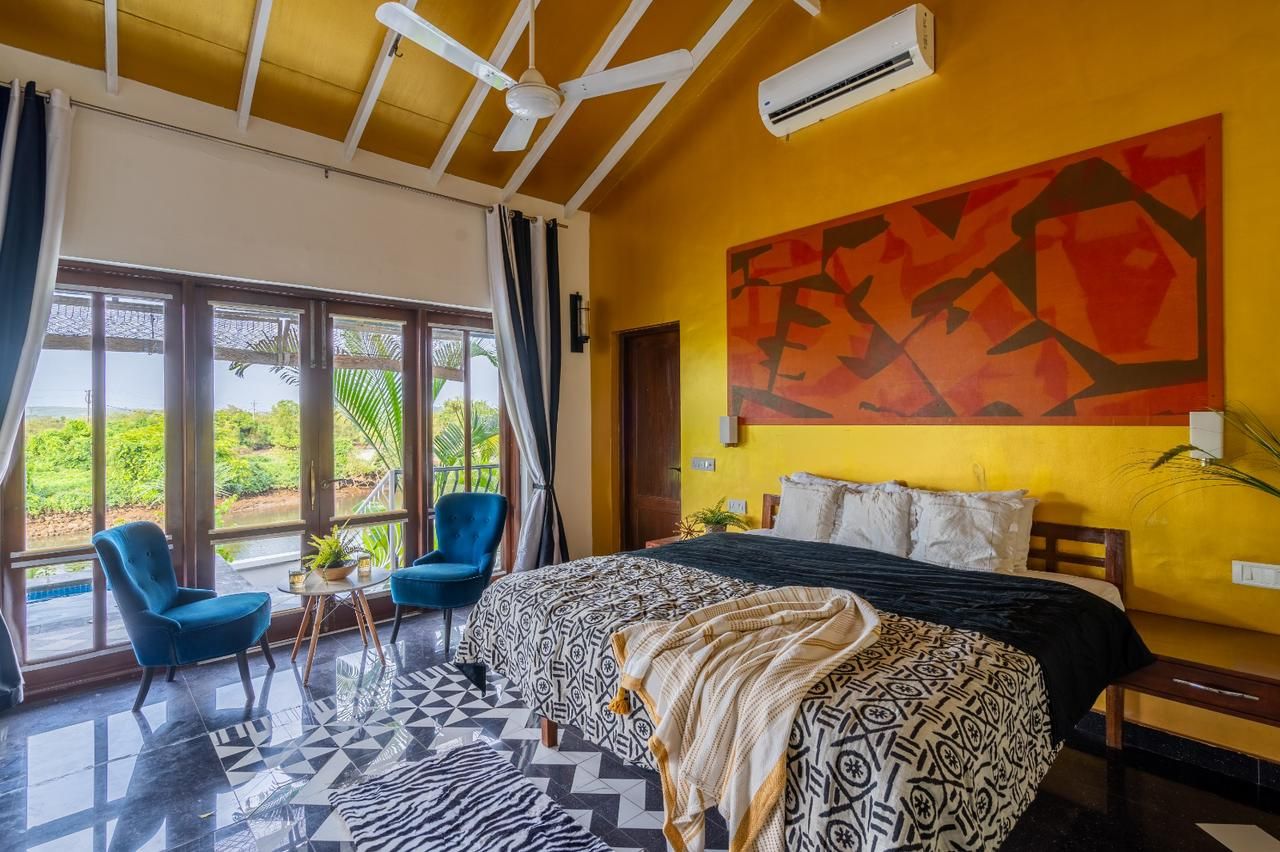
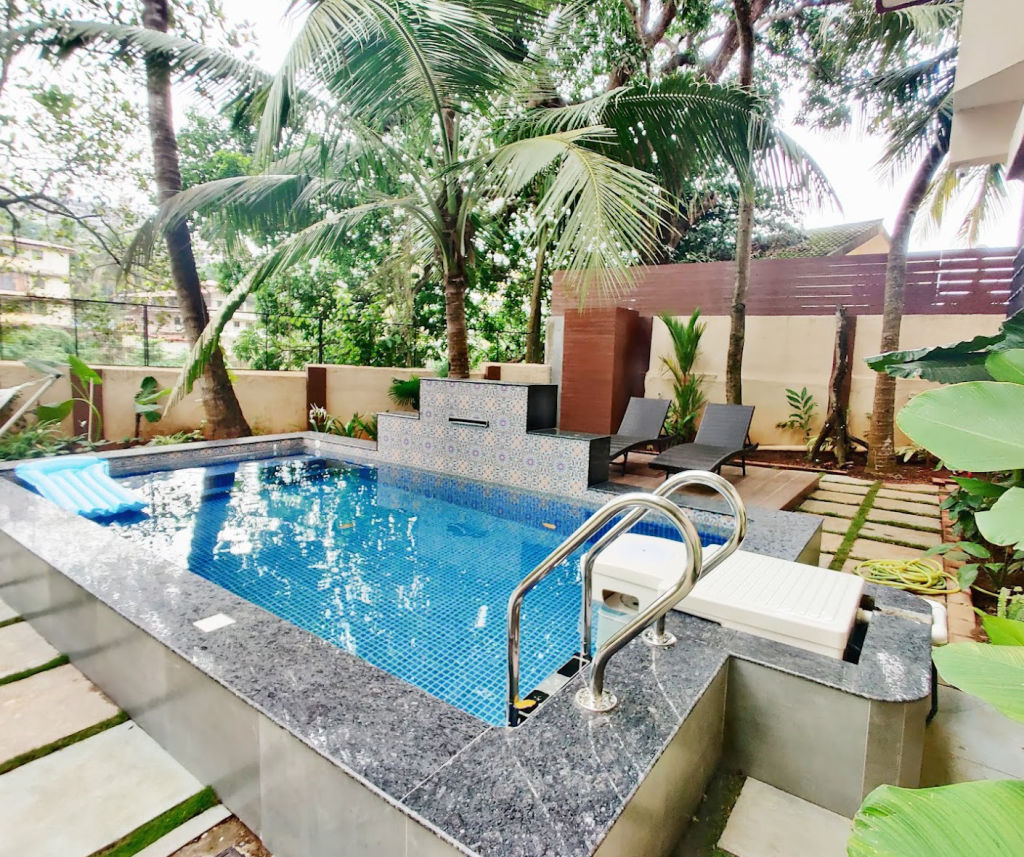
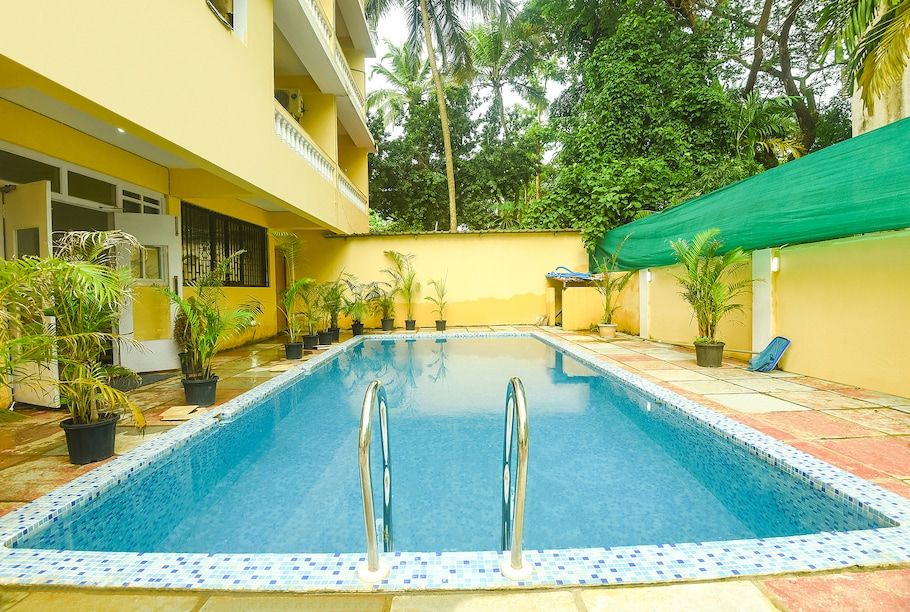
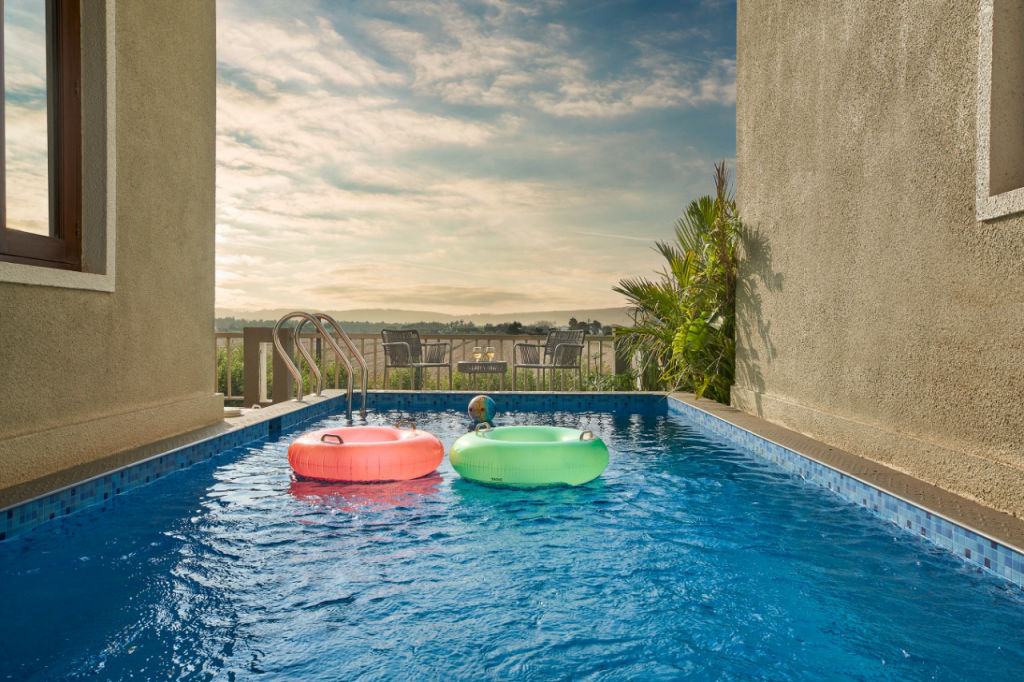
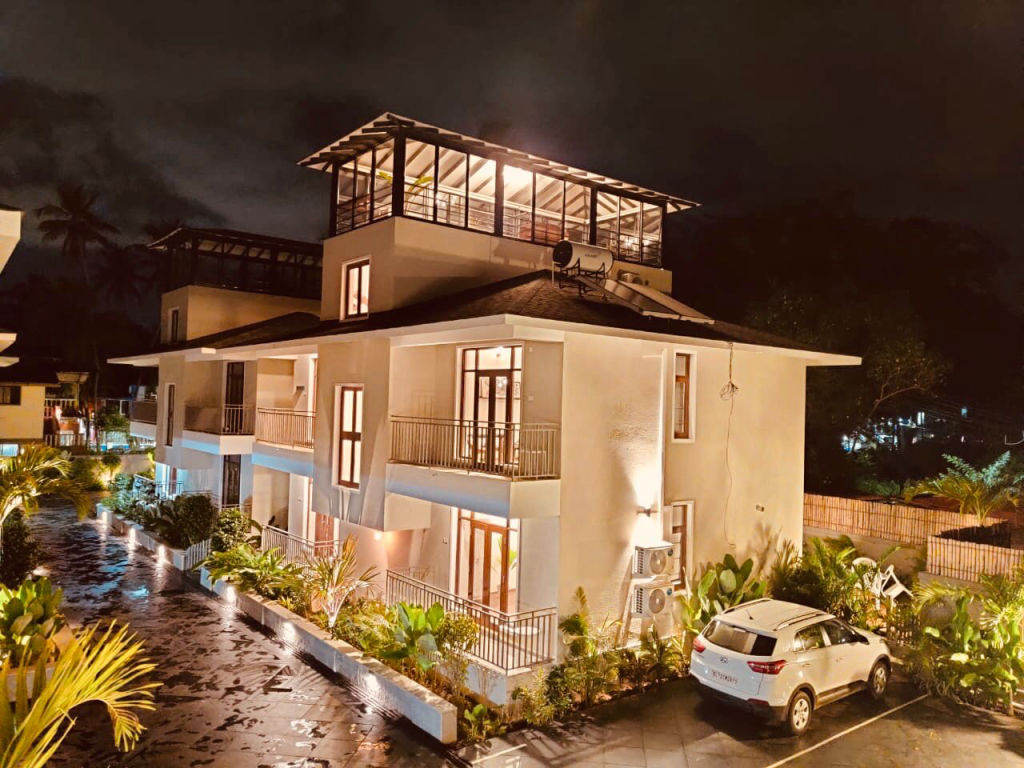
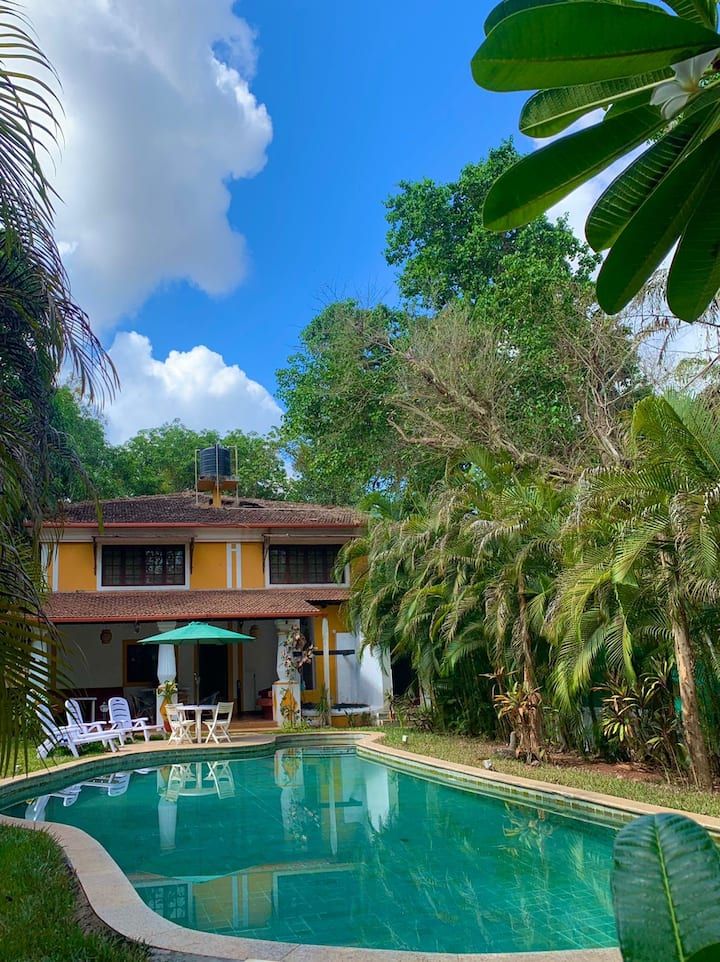
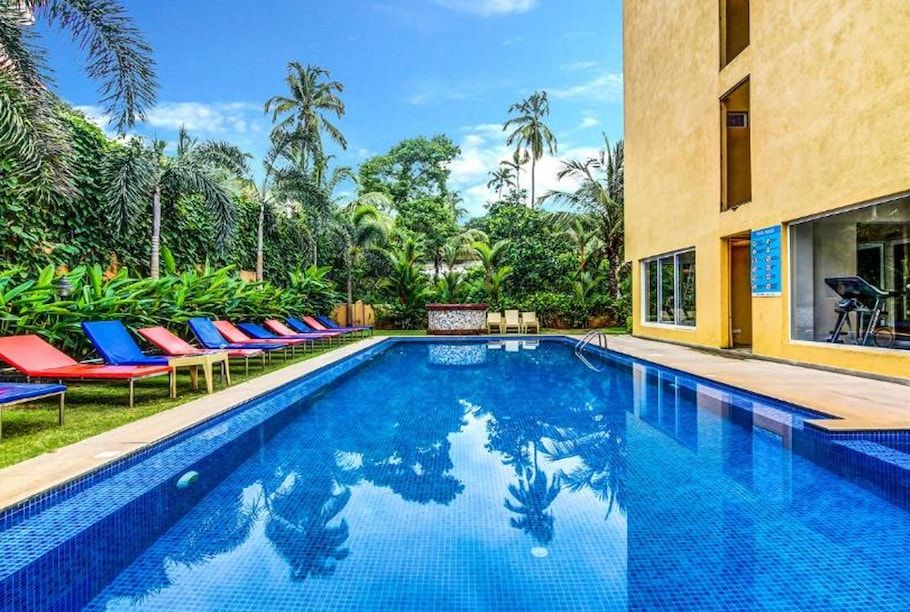
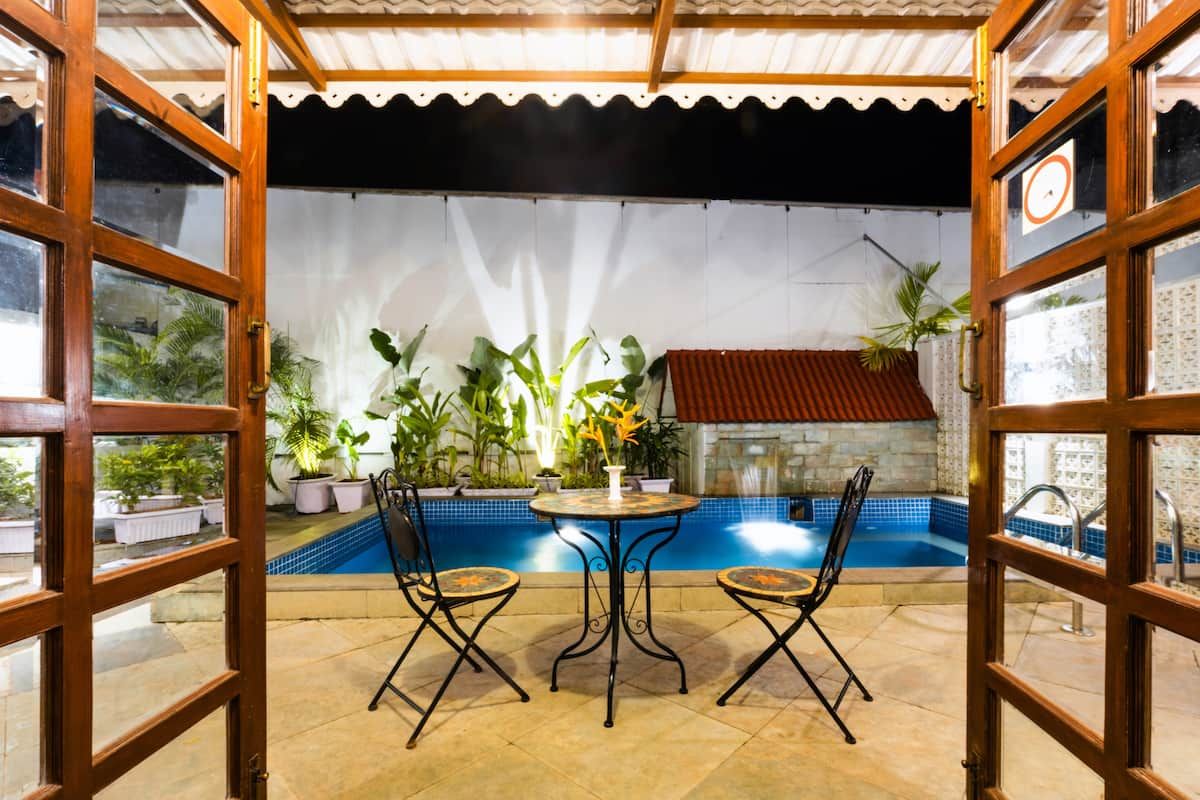
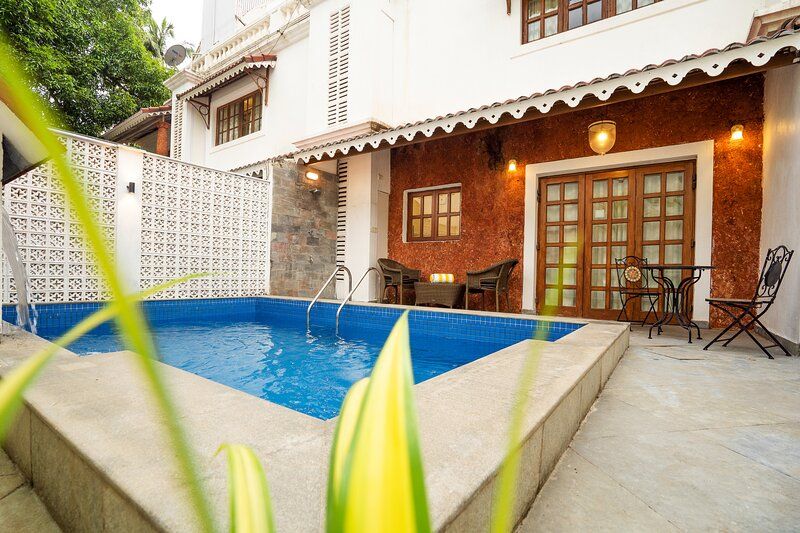
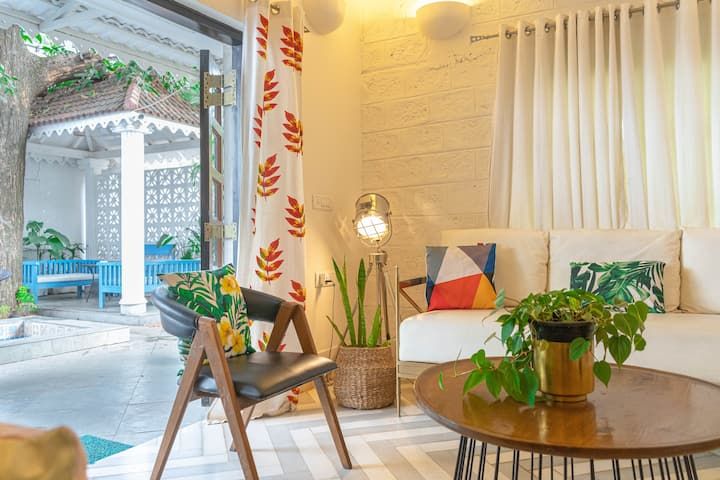
Staying near Fontainhas allows you to experience the historic quarter in its quietest moments, before day visitors arrive and after the evening crowds disperse. The surrounding Tiswadi region offers a diverse selection of stays, from boutique heritage homes tucked inside traditional quarters to relaxed rural retreats and riverside properties slightly further inland.
Whether you are looking for an authentic Goan homestay, a quiet nature retreat, or comfortable camping experiences within easy driving distance of the central sights, you can find a variety of vetted accommodations listed on HireACamp to suit your travel style.
Frequently asked questions
Is Fontainhas a residential neighborhood or a tourist monument?
Fontainhas is a living, working residential quarter where families have lived for generations. While its lanes and architecture attract many visitors, it remains an active community with private homes and quiet streets.
How much time is needed to explore Fontainhas?
Most visitors spend between two and three hours strolling through the lanes, viewing the architecture, and photographing the colorful facades. You can easily spend longer if you visit local art galleries or stop to sketch and take in the neighborhood's rhythm.
Can you drive a car inside Fontainhas?
Navigating a car through Fontainhas is difficult due to very narrow streets, blind turns, and limited parking. It is strongly recommended to park your vehicle on the wider periphery roads and explore the quarter entirely on foot.
Are there entry fees to visit Fontainhas?
There is no entry fee to walk through the streets of Fontainhas as it is an open public neighborhood. However, specific private galleries or heritage buildings in the area may have their own admission policies.
Why are the houses in Fontainhas painted in bright colors?
During the Portuguese colonial era, municipal regulations mandated that residents repaint their houses every year following the monsoon season. Homeowners used vibrant mineral and natural pigments such as indigo, ochre, and terracotta, creating the quarter's signature colorful aesthetic.
Where you'll be
Nanu Tarkar Pednekar Rd, Tiswadi · 12 stays nearby shown with prices
Stays near Fontainhas
Book a place to stay close by
More places near Fontainhas
Within 20 km
Built from 0 Instagram posts by 0 creators. Every tip links back to the post it came from, and where creators disagree we show both sides.






