
Vridh Jageshwar
Temple near Mirtola, Uttarakhand
2.7 km from Mirtola
The nearest town, for stays, food and fuel.
Vridh Jageshwar is an ancient temple complex dedicated to Lord Shiva, situated on a high mountain ridge near Bhanoli in the Kumaon region of Uttarakhand. Located a few kilometres uphill from the famous Jageshwar Dham, it attracts devotees, trekkers, and travellers looking for spiritual quiet and expansive views of the Greater Himalayas. People visit to pay homage at what tradition regards as the original site of Shiva worship in the valley and to experience the quiet beauty of dense pine and oak forests.
Getting there
By road
- From MirtolaNearest town16 min · 6.3 km
- From Dehradun8 hr 25 min · 415 km
- From New Delhi8 hr 40 min · 389 km
- From Chandigarh12 hr 5 min · 584 km
Typical drive times without traffic. Stations and airports from OLA Maps; distances and typical drive times from OpenStreetMap (© OpenStreetMap contributors); notes from creators' Reels.
About Vridh Jageshwar
Written with AI from map data and general knowledge. Check prices and timings locally before you go.
Understanding Vridh Jageshwar
Vridh Jageshwar, translating locally to Old Jageshwar, holds deep religious significance in the folklore of the Kumaon hills. According to regional tradition, this high ridge is where Lord Shiva originally engaged in penance before descending to the valley floor where the primary Jageshwar Dham complex now stands. Because of this connection, many pilgrims consider a visit to the lower temples incomplete without first paying homage at the elder shrine perched high above.
The temple itself is a modest, weather-worn stone structure constructed in the classic regional hill architecture. Built from locally sourced grey stone, the shrine features traditional carvings and an inner sanctum housing a sacred Shiva lingam. Unlike the large cluster of shrines in the valley below, Vridh Jageshwar has a solitary, contemplative presence. Its location atop an exposed ridge gives it an aura of quiet reverence, surrounded only by the rustle of wind through high-altitude trees and the distant chime of temple bells.
The Landscape and Himalayan Views
Perched at a substantially higher elevation than the valley shrines below, Vridh Jageshwar serves as one of the finest vantage points in this part of Almora district. The approach winds through dense woodlands dominated by Himalayan cedar, banj oak, and chir pine. As you climb closer to the temple ridge, the tree canopy opens up to reveal vast, uninterrupted horizons.
On clear mornings, the shrine offers an expansive panorama of the snow-clad summits of Trishul, Nanda Devi, Nanda Kot, and the Panchachuli peaks stretching across the northern skyline. In the early morning hours, the rising sun tints these glaciated peaks in shades of amber and gold before lighting up the terraced fields and rolling valleys below. Even when high clouds roll across the ridges, the shifting mist moving through the cedar groves creates an ethereal atmosphere that appeals to nature lovers and landscape photographers alike.
Read more
Best time to visit Vridh Jageshwar
The climate at Vridh Jageshwar varies significantly through the year, making each season unique for visitors. The months from October to November provide the most reliable conditions for clear skies and crisp Himalayan panoramas. During autumn, the monsoon rains have cleared away dust and haze, leaving the atmosphere sharp and transparent, while daytime temperatures remain comfortably cool.
Spring, from March through April, brings a mild climate and a burst of colour to the hillsides as wild rhododendrons and mountain wildflowers blossom in the surrounding woods. Summer from May to June offers a pleasant escape from the heat of the northern plains, with daytime temperatures remaining moderate, though distant peaks may sometimes be veiled in summer haze.
Winter, running from December through February, is ideal for travellers who appreciate crisp mountain chills. Temperatures drop considerably, especially after sunset, and frost blankets the grassy knolls in the mornings. Occasional snowfall transforms the temple and surrounding deodars into a white landscape. Monsoons between July and September bring heavy downpours that nourish the lush greenery, but visitors should remain mindful of wet hill roads and check weather advisories during this period.
How to reach Vridh Jageshwar
Vridh Jageshwar is situated near the small settlement of Bhanoli in the Kumaon region of Uttarakhand. The nearest major hub is Almora, which is well-connected by road to surrounding hill towns and the plains. From Almora, travellers can drive via Artola and Bhanoli along narrow, winding mountain roads that offer glimpses of terraced farming hamlets and pine-covered slopes.
For travellers arriving by rail, the nearest major railhead is Kathgodam, located at the foothills of Kumaon. From Kathgodam, taxis and shared vehicles operate regular journeys up the mountains toward Almora and Bhanoli. The drive ascends through changing forest zones, passing through scenic hill routes.
If travelling by air, the closest airport with commercial domestic connections is Pantnagar, located further down in the plains. From the airport, road transport is required to reach the hills. Because local public transit directly up to the ridge is infrequent, most visitors prefer hiring a local taxi or driving a private vehicle for the final stretch from Bhanoli or Jageshwar. Check local road conditions before departure, especially during the peak monsoon season.
Tips for your visit to Vridh Jageshwar
Because Vridh Jageshwar is an active place of worship, visitors are expected to maintain the sanctity of the temple grounds. Dress modestly and remove footwear before entering the temple courtyard and inner sanctum. Photography may be restricted in certain parts of the inner shrine, so it is customary to seek guidance from the local priest before taking photographs inside.
Given its high elevation, the ridge tends to be much breezier and colder than the valley floor below. Even during the warmer summer months, keeping a light jacket or woollen shawl handy is advisable. In winter, heavy woollens, thermal wear, and sturdy walking shoes are essential.
Commercial facilities atop the ridge are very minimal, limited to a couple of tiny local tea stalls offering hot tea, bottled water, and basic snacks. If you plan to spend several hours soaking in the views, carry sufficient drinking water and any personal essentials. There are no fuel stations or automated teller machines directly on the ridge, so ensure your vehicle is fuelled and cash is withdrawn in Almora or nearby service towns.
Places to visit nearby
A trip to Vridh Jageshwar can easily be combined with exploring the rich cultural and natural heritage of the surrounding valleys. Just down the winding hill road lies the Jageshwar Dham complex, an ancient congregation of over a hundred stone temples dating back centuries, tucked inside a grove of towering deodar trees along the Jata Ganga stream.
A short journey across the ridges leads toward the Binsar Wildlife Sanctuary, renowned for its dense oak forests, rich birdlife, and high-altitude hiking paths. Travellers interested in regional spirituality can also visit the historic Veeneshwar Temple, dedicated to Shiva, and the famous Chitai Golu Devta Temple near Almora, known for thousands of brass bells hung by devotees seeking justice and blessings. Other nearby shrines include Gairar Golu Temple and Garnaath Temple, both deeply woven into the local folklore of Kumaon.
Where to stay
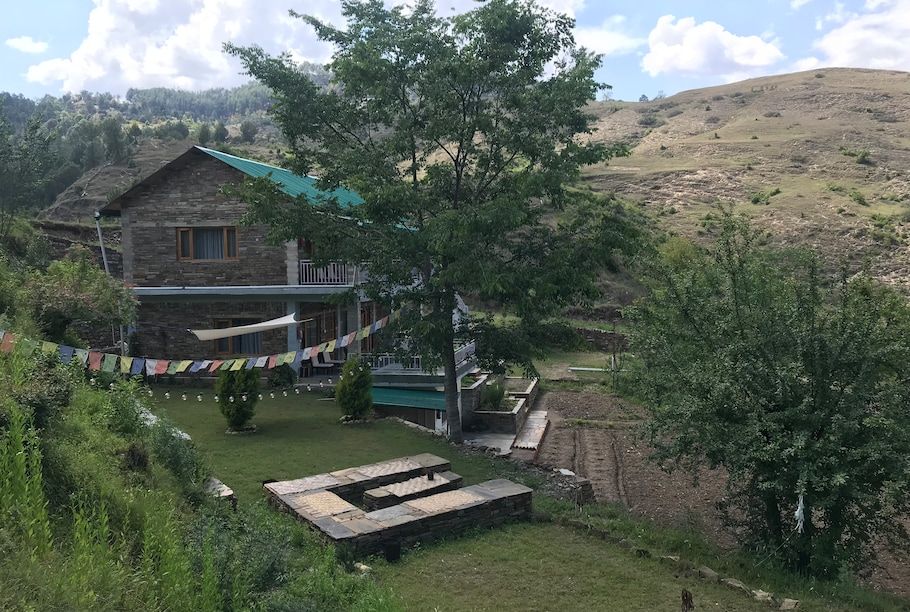
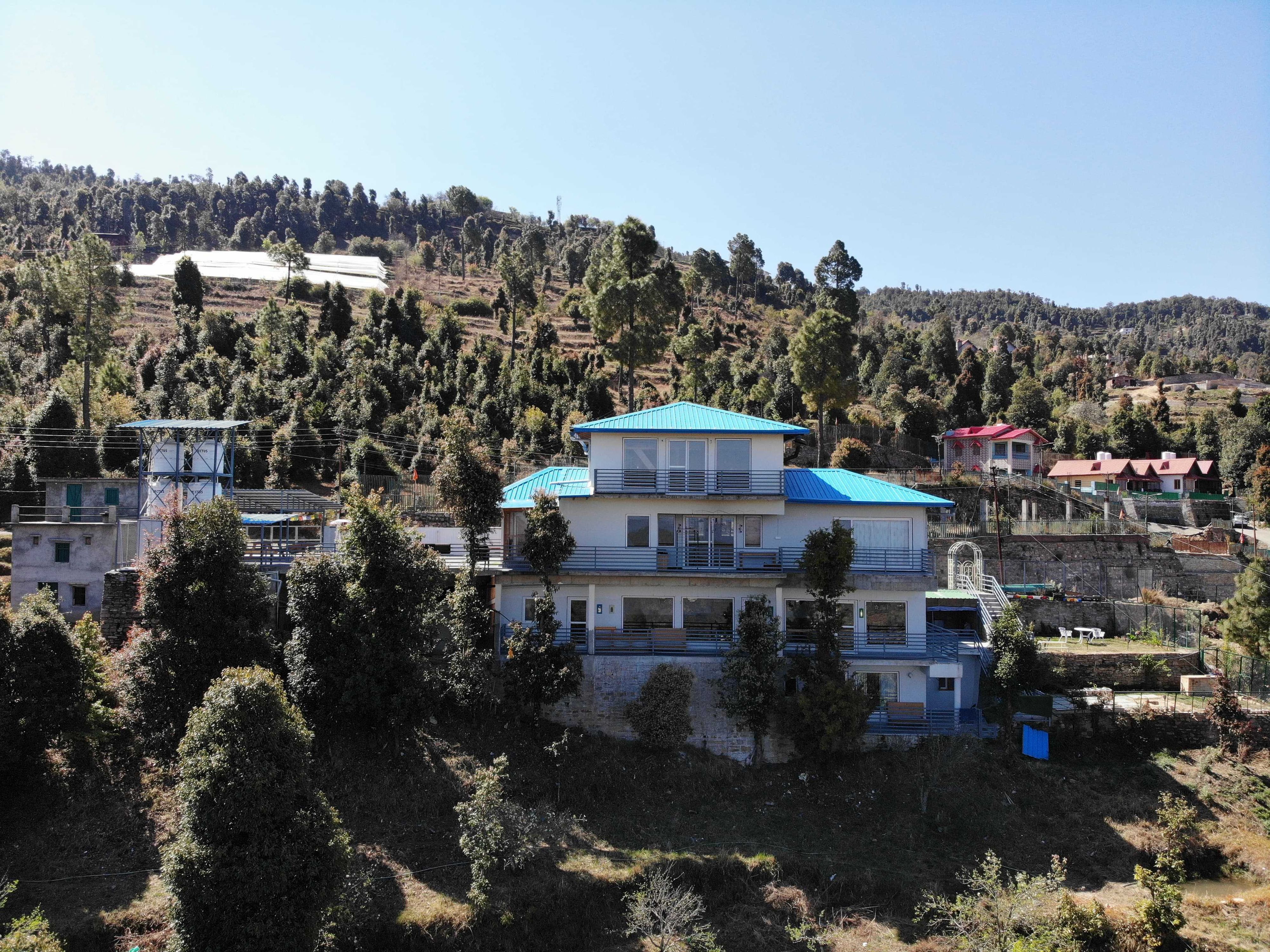
Accommodations directly adjacent to the Vridh Jageshwar temple are limited, preserving the quiet and unhurried character of the ridge. Travellers looking to stay in the immediate vicinity often choose rustic village homestays or community-run lodges in Bhanoli and nearby villages, where they can experience authentic Kumaoni hospitality and home-cooked meals.
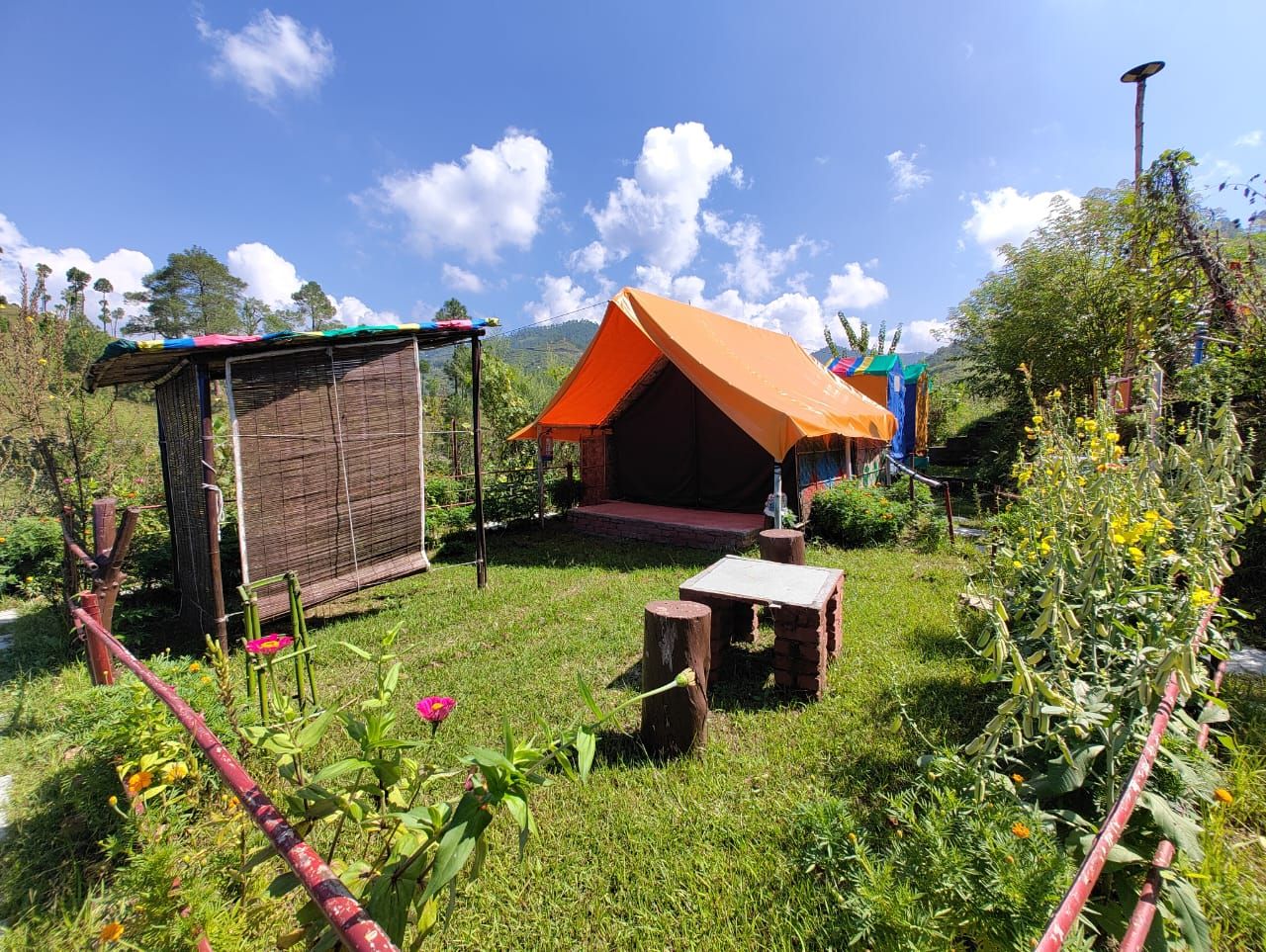
For those seeking open skies and closer contact with nature, camping in designated eco-camps along the surrounding ridges offers an unforgettable way to watch the sunrise over the snow peaks. Stays ranging from tranquil campsites to cosy heritage homestays across the Jageshwar and Almora belt can be explored and booked through HireACamp.
Frequently asked questions
Why is Vridh Jageshwar called Old Jageshwar?
Local folklore holds that Lord Shiva meditated at this high-altitude ridge before descending to the valley of Jageshwar Dham, making this site traditionally revered as the older seat of worship.
Can you see Himalayan peaks from Vridh Jageshwar?
Yes, on clear days, particularly during autumn and winter mornings, Vridh Jageshwar provides uninterrupted panoramic views of peaks such as Trishul, Nanda Devi, and Panchachuli.
How far is Vridh Jageshwar from Jageshwar Dham?
Vridh Jageshwar is situated uphill on a nearby ridge, approximately a short uphill drive or an uphill walking trail away from the lower temple complex of Jageshwar Dham.
What should travellers carry when visiting Vridh Jageshwar?
It is wise to carry warm layers or a windbreaker, comfortable walking shoes, cash for small local purchases, and drinking water, as facilities on the ridge are minimal.
Is Vridh Jageshwar accessible throughout the year?
The temple is generally accessible year-round, though heavy snowfall in mid-winter or monsoon-induced landslips can occasionally affect road travel, so checking local weather updates is recommended.
Where you'll be
Bhanoli · 3 stays nearby shown with prices
Stays near Vridh Jageshwar
Book a place to stay close by
More places near Vridh Jageshwar
Within 20 km
Built from 0 Instagram posts by 0 creators. Every tip links back to the post it came from, and where creators disagree we show both sides.






