
Archaeological Museum Jageshwar
Museum near Jageshwar Dham, Uttarakhand
200 m from Jageshwar Dham
The nearest town, for stays, food and fuel.
Archaeological Museum Jageshwar is located in the sacred temple valley of Jageshwar near Bhanoli in the Almora district of Uttarakhand. Established by the Archaeological Survey of India, it houses an extraordinary collection of ancient stone sculptures, bronze figures, and architectural relics dating from the Katyuri and Chand dynastic eras. Travellers and heritage enthusiasts visit to admire masterfully carved temple art and gain deeper insight into the medieval religious history of the Kumaon Himalayas.
Getting there
By road
- From Jageshwar DhamNearest town1 min · 300 m
- From Dehradun8 hr 15 min · 413 km
- From New Delhi8 hr 30 min · 388 km
- From Lucknow9 hr 35 min · 527 km
Typical drive times without traffic. Stations and airports from OLA Maps; distances and typical drive times from OpenStreetMap (© OpenStreetMap contributors); notes from creators' Reels.
About Archaeological Museum Jageshwar
Written with AI from map data and general knowledge. Check prices and timings locally before you go.
The Heritage of Archaeological Museum Jageshwar
Set amidst towering deodar groves in the Kumaon Himalayas, Archaeological Museum Jageshwar serves as the guardian of the region's rich sculptural and architectural legacy. Jageshwar is renowned for its vast cluster of stone temples dedicated to Lord Shiva, constructed between the seventh and fourteenth centuries. Over centuries of shifting dynastic patronage, environmental weathering, and structural renovations, numerous priceless idols and temple carvings became detached from their original sanctums.
To protect these historic treasures from exposure, theft, and deterioration, the Archaeological Survey of India established this dedicated museum near the main temple cluster. Stepping into the museum offers visitors a curated journey through the artistic heights achieved by master craftsmen under the Katyuri and Chand rulers. It serves as a quiet, contemplative space that complements the living spiritual traditions found in the surrounding temple courtyards.
Key Exhibits and Masterpieces
The museum displays hundreds of stone sculptures, architectural elements, and metallic icons recovered from the Jageshwar valley and adjoining complexes such as Dandeshwar and Kuber. The art on display exhibits a fascinating blend of classical post-Gupta sculptural traditions with distinct regional Himalayan sensibilities. Intricate stone friezes depicting divine assemblies, celestial musicians, and mythological narratives reveal the extraordinary skill of medieval stonemasons who shaped tough mountain rock with remarkable fluidity.
Among the most celebrated pieces in the collection is the iconic statue of Paun Raja, a local ruler or royal devotee captured in perpetual standing devotion, celebrated for its unique secular and religious significance. Other prominent highlights include exquisite depictions of Uma-Maheshwar, dancing Ganesha, Surya the sun god, and various forms of Shiva and the Mother Goddess. Detailed information plaques explain the iconography and estimated historical periods, allowing travellers to appreciate the stylistic evolution of Himalayan temple art over several centuries.
Read more
Best Time to Visit Jageshwar
The valley surrounding Bhanoli and Jageshwar experiences a temperate mountain climate, making it accessible throughout most of the year. Spring and summer, stretching from March to June, bring mild days, clear blue skies, and blooming mountain flora. This is the most popular time for travellers seeking respite from the plains, as daytime temperatures are ideal for strolling between the museum and the adjacent forested temple grounds.
Autumn, spanning from September to November, brings crisp air, golden sunlight, and remarkably sharp mountain vistas after the monsoon rains recede. Winter arrives in December and lasts through February, bringing a distinct chill, frosty mornings, and occasional snowfall on higher surrounding ridges. While cold, visiting the museum and temple valley in winter offers a serene, uncrowded experience wrapped in alpine stillness. The monsoon months of July and August cloak the deodar forests in vibrant green and drifting mist, though travellers should remain mindful of mountain road conditions during heavy rainfall.
How to Reach Archaeological Museum Jageshwar
Reaching Archaeological Museum Jageshwar involves a scenic journey through the heart of the Kumaon hills. The nearest railhead is at Kathgodam, which connects to major North Indian cities. From Kathgodam, shared and private taxis make their way up through winding mountain highways, passing through Bhimtal, Bhowali, and the historic town of Almora before reaching the Jageshwar valley.
Travellers arriving by air typically land at Pantnagar Airport, from where road transport is available toward Almora and Bhanoli. The drive from Almora to Jageshwar winds through pine slopes that gradually give way to dense deodar canopies along the Jataganga river. State transport buses and shared vehicles connect Bhanoli and Jageshwar with Almora on a regular basis, while driving your own vehicle offers the flexibility to stop and absorb the forested scenery along the way.
Tips for Exploring the Museum and Valley
A visit to the Archaeological Museum Jageshwar is best combined with a slow, contemplative walk through the surrounding heritage precinct. Because the museum is situated within a sacred valley, visitors are expected to dress modestly and observe quiet decorum throughout the premises. Photography rules inside the galleries can be strict, so it is always wise to consult the museum caretakers at the reception desk before taking photos.
Plan to spend at least an hour inside the galleries to properly read the interpretive signage and examine the intricate relief work on the carvings. Comfortable walking shoes are recommended, as you will likely want to explore the cobbled walkways of the nearby temple complex and the shady trails winding under the deodar trees. Carrying a light layer of warm clothing is advisable even during summer afternoons, as the dense forest cover and mountain breezes often bring sudden drops in temperature.
Places to Visit Near Jageshwar
The surrounding landscape of Almora district offers rich possibilities for cultural exploration and nature walks. Directly adjacent to the museum is the grand Jageshwar Dham temple cluster, where centuries-old stone spires rise majestically beside the gurgling mountain stream. A short distance away along the valley road lies the imposing Dandeshwar Temple, celebrated for its towering stone shikhara and peaceful, secluded ambience.
Nature lovers can venture toward Binsar Wildlife Sanctuary, known for its dense oak and rhododendron forests, abundant birdlife, and sweeping views of the high Himalayan peaks. Cultural journeys can continue toward Chitai Golu Devta Temple near Almora, famous for its thousands of hanging brass bells presented by devotees. Further along the ridge, Kasar Devi provides sweeping valley views, meditative surroundings, and walking trails that have drawn writers, artists, and seekers for generations.
Where to Stay around Jageshwar
Travellers looking to spend a few quiet days soaking in the spiritual and natural calm of the valley will find appealing accommodation options scattered across the surrounding hills. Staying close to Jageshwar allows you to experience early morning temple bells echoing through the forest and quiet evenings free from the bustle of large towns.
On HireACamp, you can explore and book scenic campsites, rustic cottages, and warm local homestays in and around Jageshwar, Bhanoli, and the wider Almora hills. Opting for a homestay gives travellers the opportunity to enjoy authentic Kumaoni meals cooked with seasonal local produce, learn about traditional mountain life, and unwind amidst pristine Himalayan views.
Frequently asked questions
Where is Archaeological Museum Jageshwar located?
The museum is situated in the sacred Jageshwar temple valley near the town of Bhanoli in the Almora district of Uttarakhand, India.
What kind of artifacts are on display in the museum?
It houses ancient stone sculptures, architectural elements, and metallic icons dating from the Katyuri and Chand dynasties, including the famous statue of Paun Raja and various depictions of Shiva, Uma-Maheshwar, and Ganesha.
Is photography permitted inside Archaeological Museum Jageshwar?
Photography policies can vary inside ASI-maintained galleries, so visitors should check with the caretakers at the entrance desk before taking photographs.
How much time should I spend at the museum?
Most visitors spend between forty-five minutes to an hour exploring the galleries and reading the informative descriptions before heading into the adjoining temple complex.
What is the best time of year to visit Jageshwar?
The best months to visit are from March to June for pleasant weather and from September to November for clear skies and crisp mountain air.
Where you'll be
Bhanoli · 4 stays nearby shown with prices
Stays near Archaeological Museum Jageshwar
Book a place to stay close by
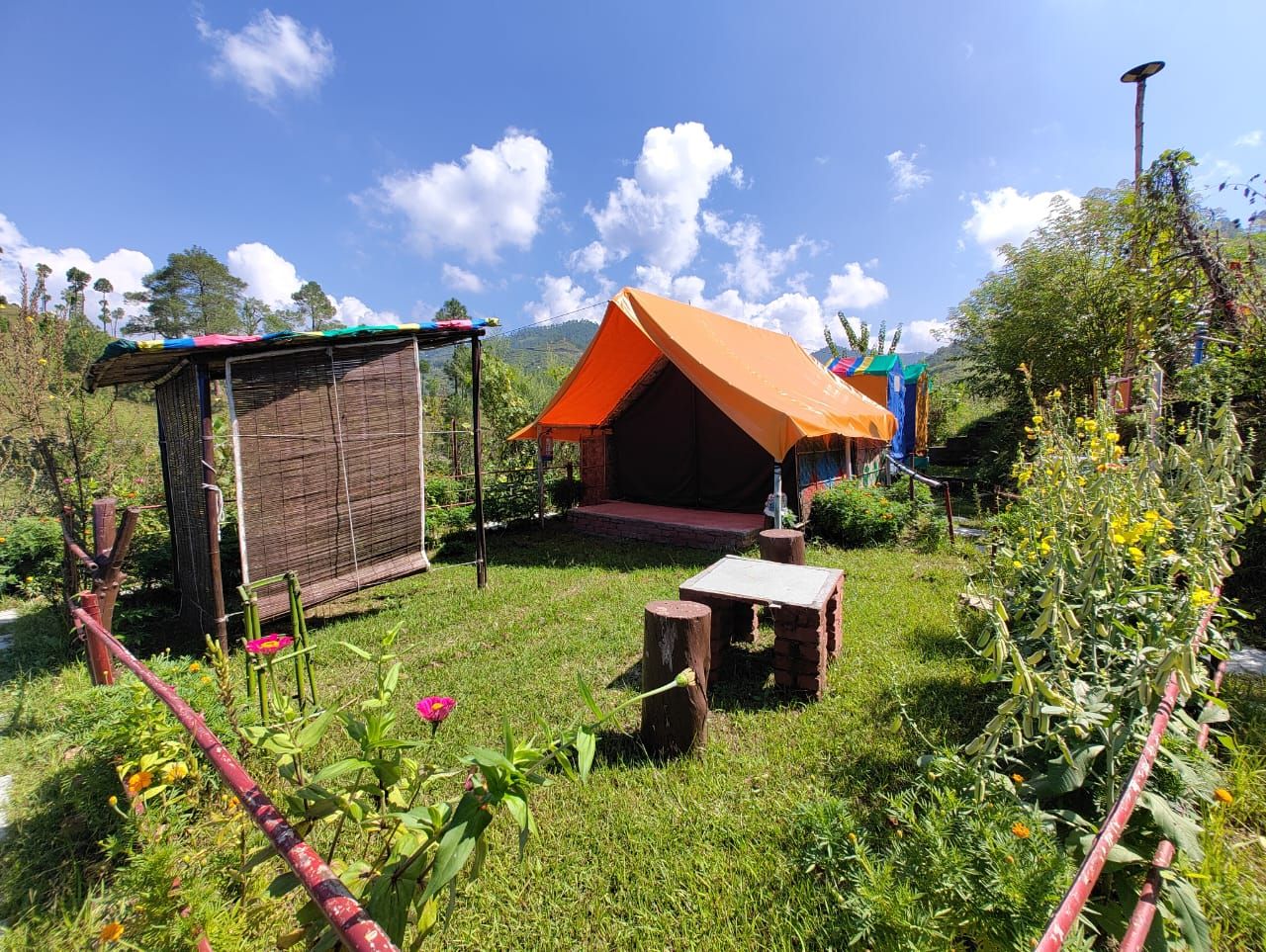
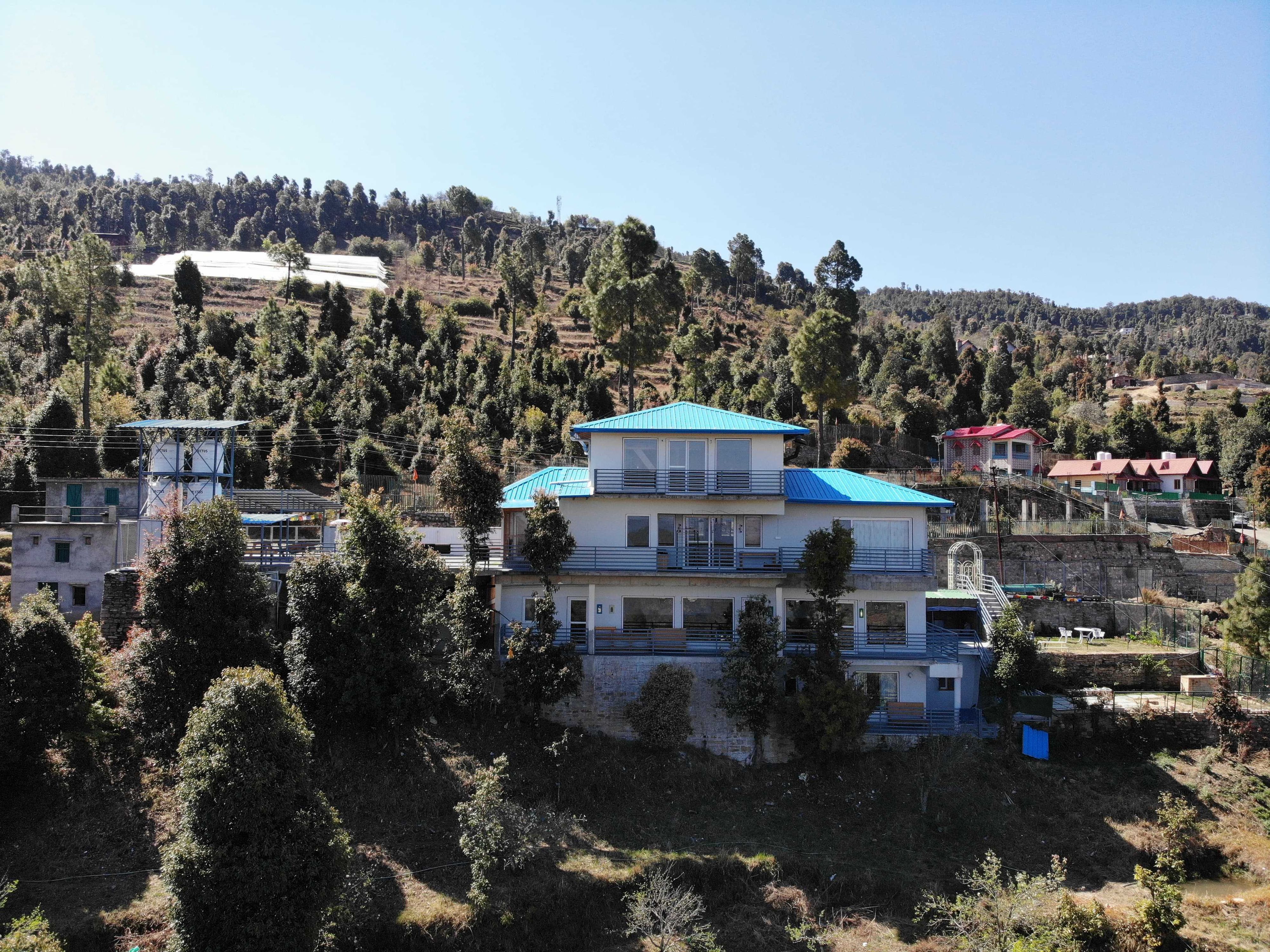
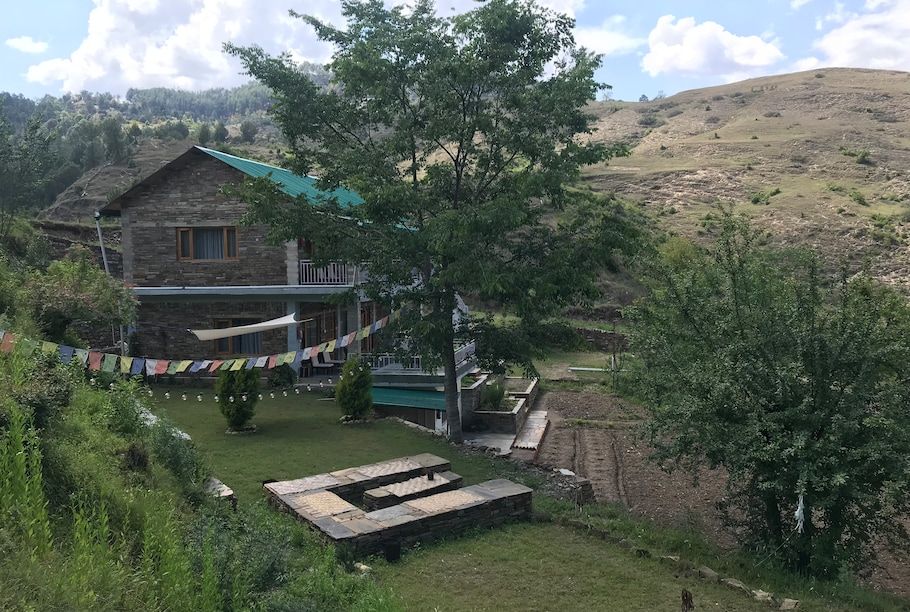
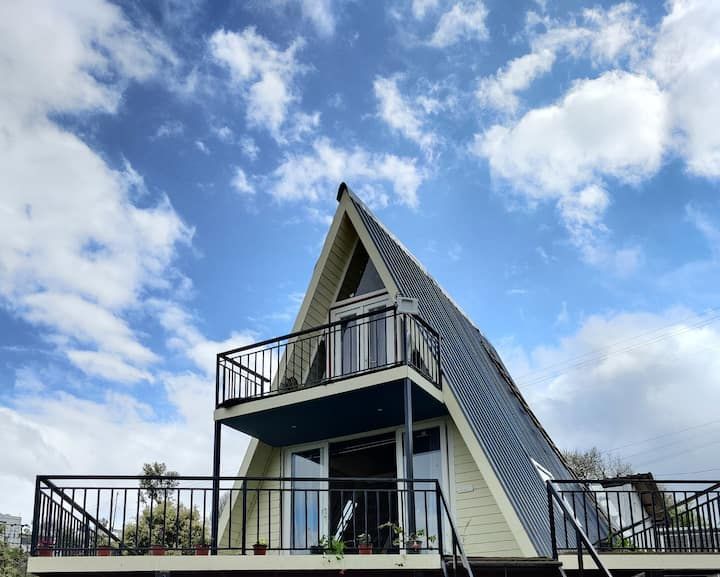
More places near Archaeological Museum Jageshwar
Within 20 km
Built from 0 Instagram posts by 0 creators. Every tip links back to the post it came from, and where creators disagree we show both sides.






