
Wayanad
Destination in Keralam
Wayanad is an expanse of green highland ridges, dense forests, and spice estates perched in the Western Ghats of northern Kerala. Known for its cool climate, rich biodiversity, and sweeping vistas, it attracts outdoor enthusiasts, road trippers, and families year-round. Travellers come here to walk amid cardamom and tea hills, explore ancient rock-art shelters, and encounter native wildlife in protected sanctuaries.
Getting there
By road
- From Mysuru3 hr 5 min · 140 km
- From Coimbatore5 hr · 218 km
- From Bengaluru5 hr 10 min · 284 km
- From Mangaluru5 hr 45 min · 260 km
Typical drive times without traffic. Stations and airports from OLA Maps; distances and typical drive times from OpenStreetMap (© OpenStreetMap contributors); notes from creators' Reels.
About Wayanad
Written with AI from map data and general knowledge. Check prices and timings locally before you go.
What makes Wayanad special
Set at an elevation ranging from 700 to over 2,000 metres above sea level, Wayanad occupies an ecologically vibrant corner of Kerala where the borders of Karnataka and Tamil Nadu meet. Unlike coastal Kerala, the landscape here is defined by rolling plateau valleys, rocky peaks, and evergreen forests. The region is nourished by the Kabini River system and is home to extensive plantations producing robusta coffee, black pepper, cardamom, and tea.
Beyond its natural contours, Wayanad holds deep historical and indigenous significance. For centuries, diverse indigenous communities have stewarded its dense groves, preserving unique cultural traditions and agrarian practices. Ancient burial vaults, stone edicts, and folklore linked to legendary regional rulers weave through the hills, lending the area a timeless character that sets it apart from typical hill stations.
Things to do in Wayanad
Hiking and trekking are central to exploring the highlands. Trails like Chembra Peak wind through grasslands and past a heart-shaped mountain lake, rewarding hikers with broad views over the surrounding plateau. For those interested in archaeology and antiquity, the hike up to Edakkal Caves reveals Neolithic petroglyphs carved into massive split-rock fissures.
Water bodies and cascades are scattered across the region. Meenmutty and Soochipara falls tumble down rugged rock faces into jungle pools, best enjoyed in the cooler hours of the day. The earthen Banasura Sagar Dam, set against the backdrop of the Banasura hills, provides scenic walking areas and boating over its expansive reservoir studded with small islands.
Wildlife safaris in the Wayanad Wildlife Sanctuary, divided into sectors such as Muthanga and Tholpetty, offer quiet drives through moist deciduous and bamboo forests. These forests are part of the larger Nilgiri Biosphere Reserve, where herds of Asian elephants, spotted deer, wild boars, gaur, and rare bird species frequently cross the forest tracks.
Read more
Day trips and getaways near Wayanad
Wayanad acts as an accessible springboard for exploring neighbouring sanctuaries and cultural landmarks. North toward the Karnataka border, Kuruva Island sits within a delta formed by tributaries of the Kabini River. This protected cluster of low-lying river islands features dense canopy walks, bamboo bridges, and clear forest streams.
Further north lies Thirunelli Temple, an ancient stone shrine surrounded by the Brahmagiri hills, accompanied by the sacred mountain stream Papanasini. For travellers who enjoy extended drives, the connecting wildlife corridors lead smoothly into Karnataka's Bandipur National Park and Nagarhole Tiger Reserve, or Tamil Nadu's Mudumalai sanctuary, allowing you to combine highland hills with broader safari circuits.
Best time to visit Wayanad
The post-monsoon and winter months from October to February are generally considered the most pleasant time to visit. Temperatures remain crisp and comfortable, mornings often bring dramatic layers of mist over the tea valleys, and hiking trails are clear and open for outdoor expeditions.
The monsoon period between June and September transforms Wayanad into an intensely green landscape with roaring waterfalls and swelling mountain streams. While road travel requires careful driving and some forest trails close during heavy rain, monsoon travellers appreciate the tranquil atmosphere and rejuvenating rainfall.
Summers from March to May bring warmer afternoons with daytime temperatures climbing into the lower thirties, yet evenings typically remain mild. It is an ideal window for wildlife spotting near forest waterholes before the onset of the monsoon rains.
How to reach Wayanad
Wayanad does not have its own commercial airport or railway station, meaning the final leg of every trip is taken by road. The nearest major airport and mainline railway junction is at Kozhikode, situated roughly 85 to 100 kilometres away depending on which part of Wayanad you are heading to. Taxis and regular Kerala State RTC buses operate frequently between Kozhikode and town centres like Kalpetta, Sultan Bathery, and Mananthavady.
The drive up from Kozhikode ascends via the Thamarassery Churam, a scenic mountain pass with nine hairpin bends that offers broad views across the plains below. For travellers coming from Bengaluru or Mysuru, smooth highways pass through Gundlupet and cross into Wayanad via Sultan Bathery or Mananthavady. Driving from Bengaluru typically takes around six to seven hours in normal traffic.
Tips for your visit
If you are driving from Karnataka through Bandipur or Nagarhole, note that nighttime traffic restrictions are strictly enforced across forest checkpoints to protect wildlife, so plan your transit hours well in advance. Drivers navigating the ghat passes should maintain steady speeds, yield to climbing vehicles, and stay prepared for occasional fog.
When trekking during or immediately after the rainy season, forest leeches are common along grass and leaf litter; wearing full-length trekking trousers, high socks, and applying salt or insect repellent is advisable. Carry reusable water bottles and avoid disposing of plastic packaging in nature, as forest departments in the region actively enforce anti-littering rules across all viewpoints and reserve boundaries.
Where to stay in Wayanad
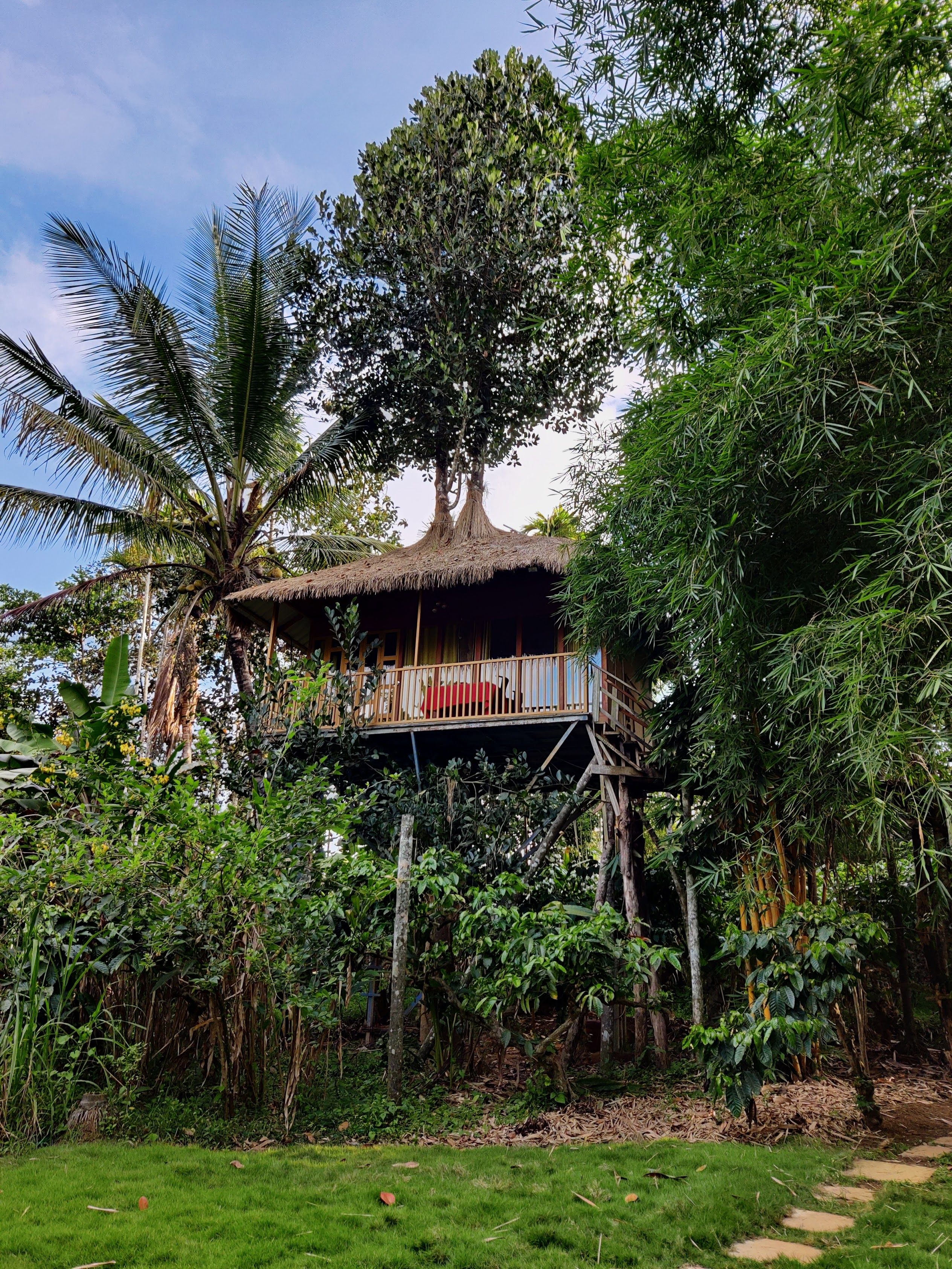
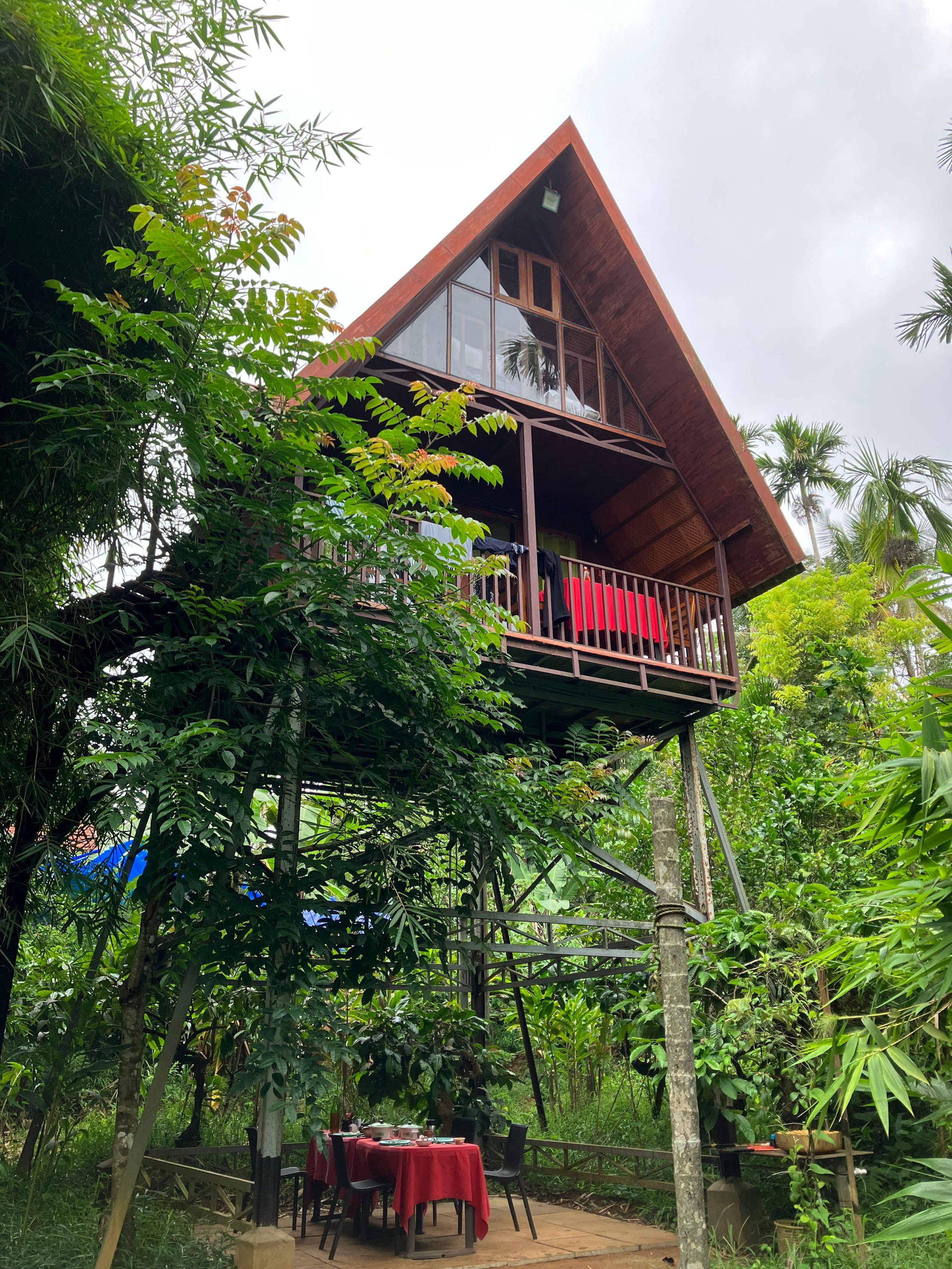
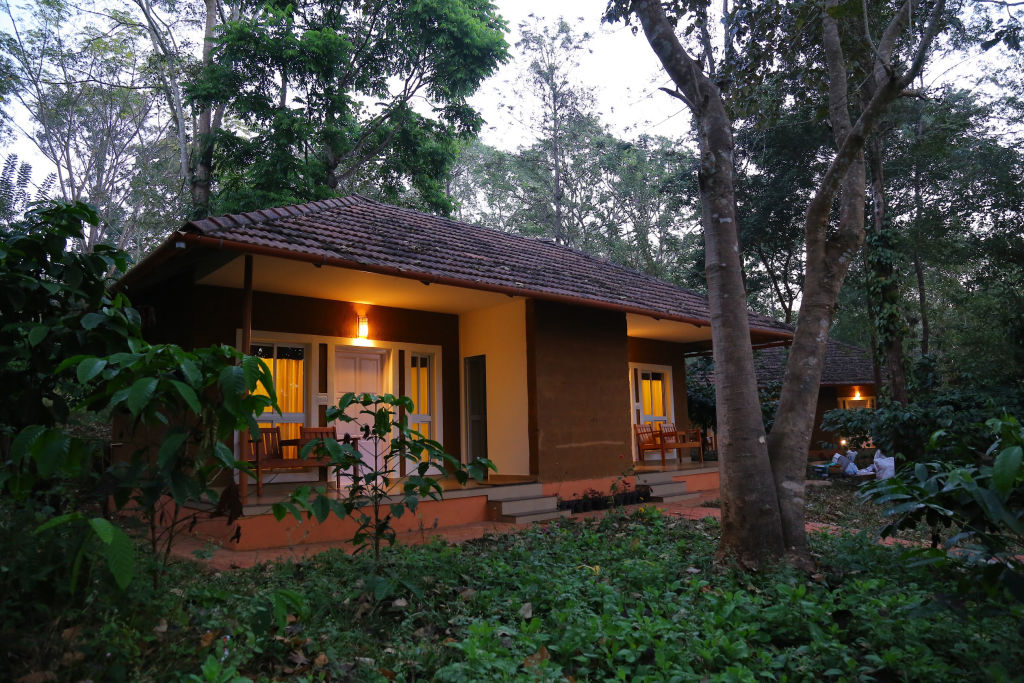
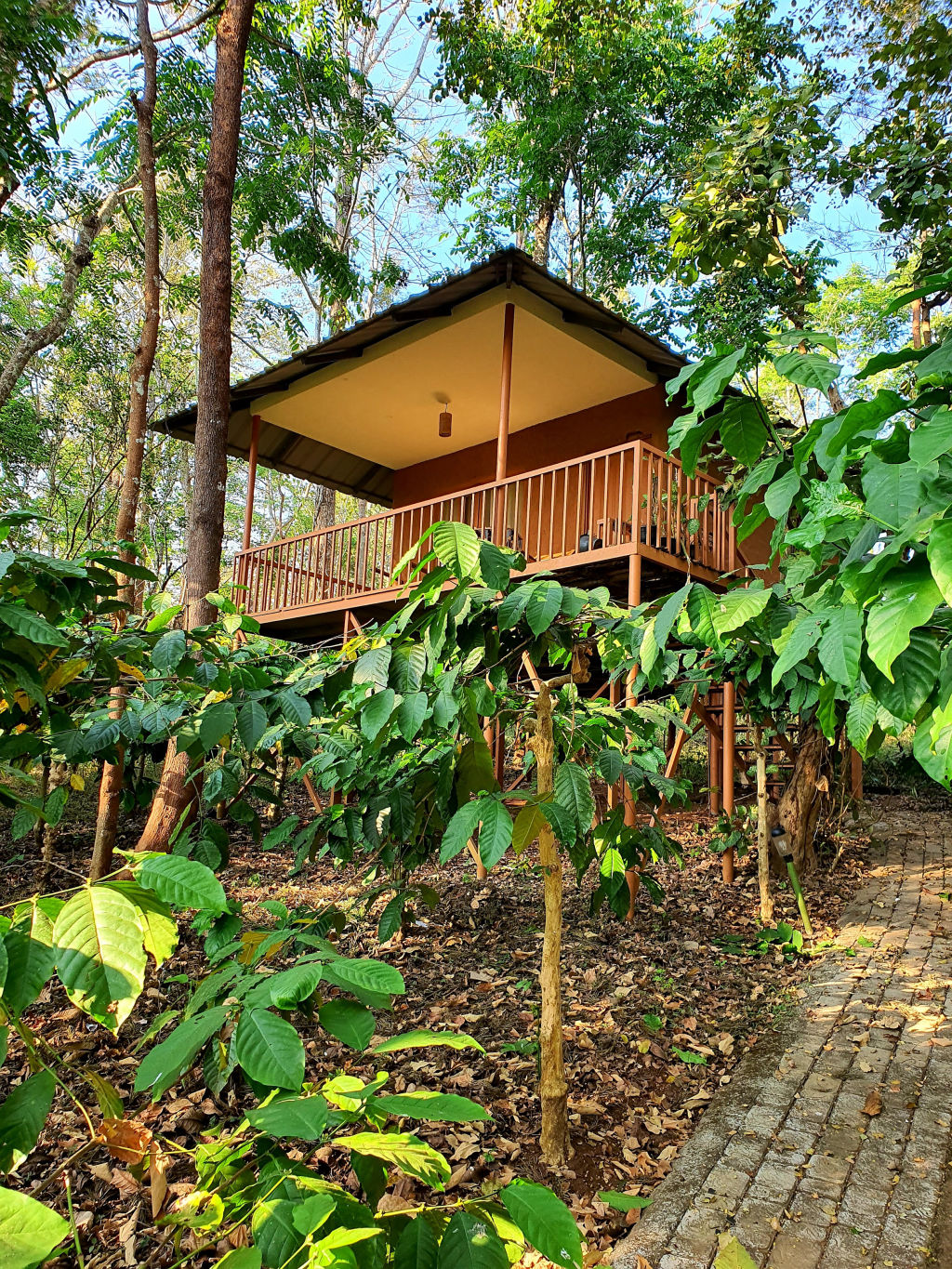
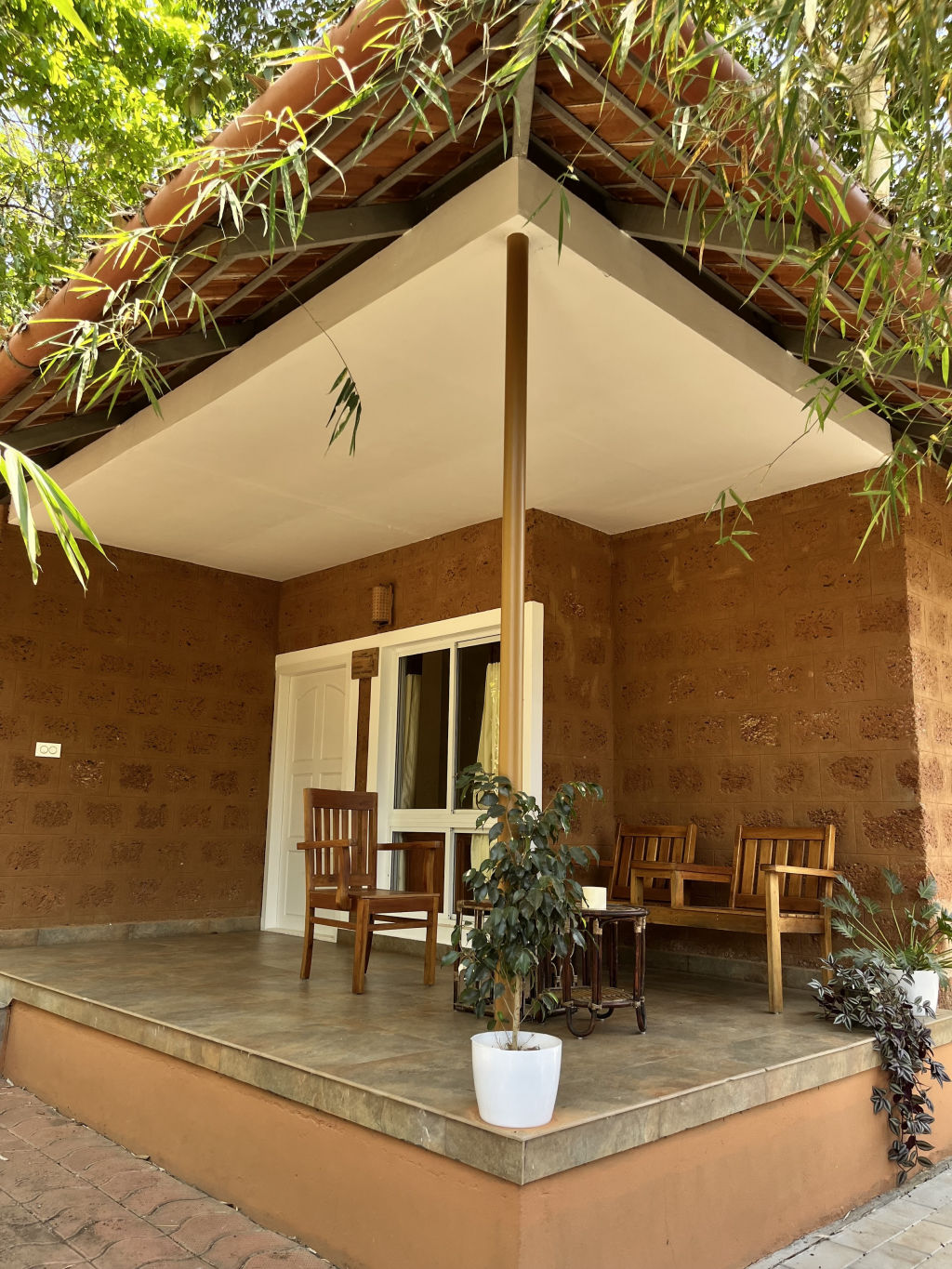
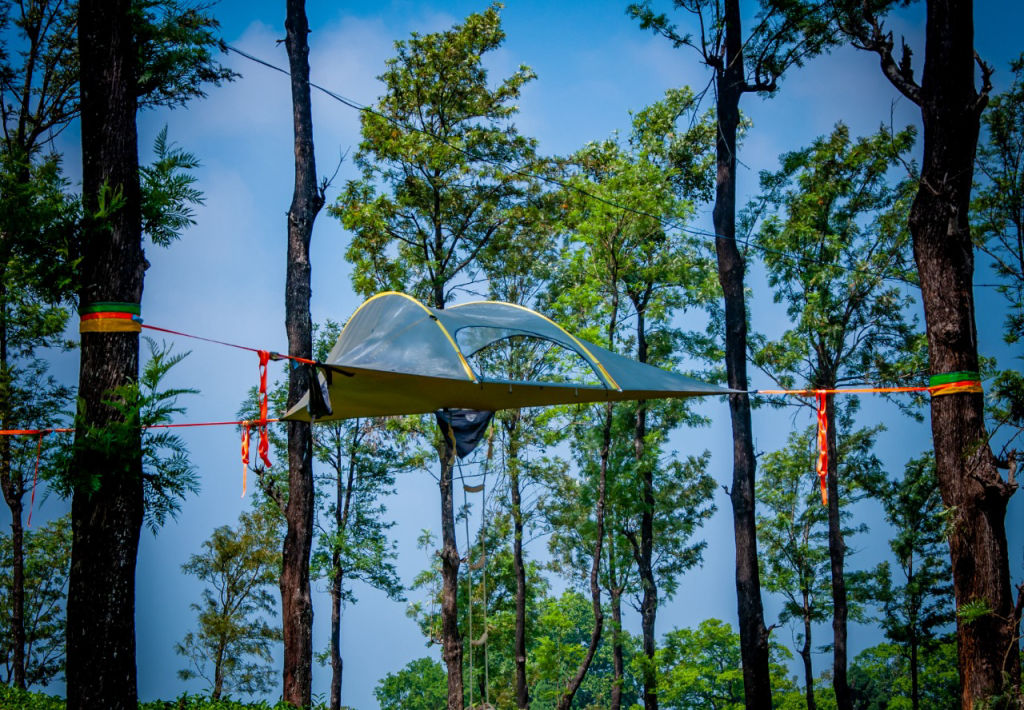
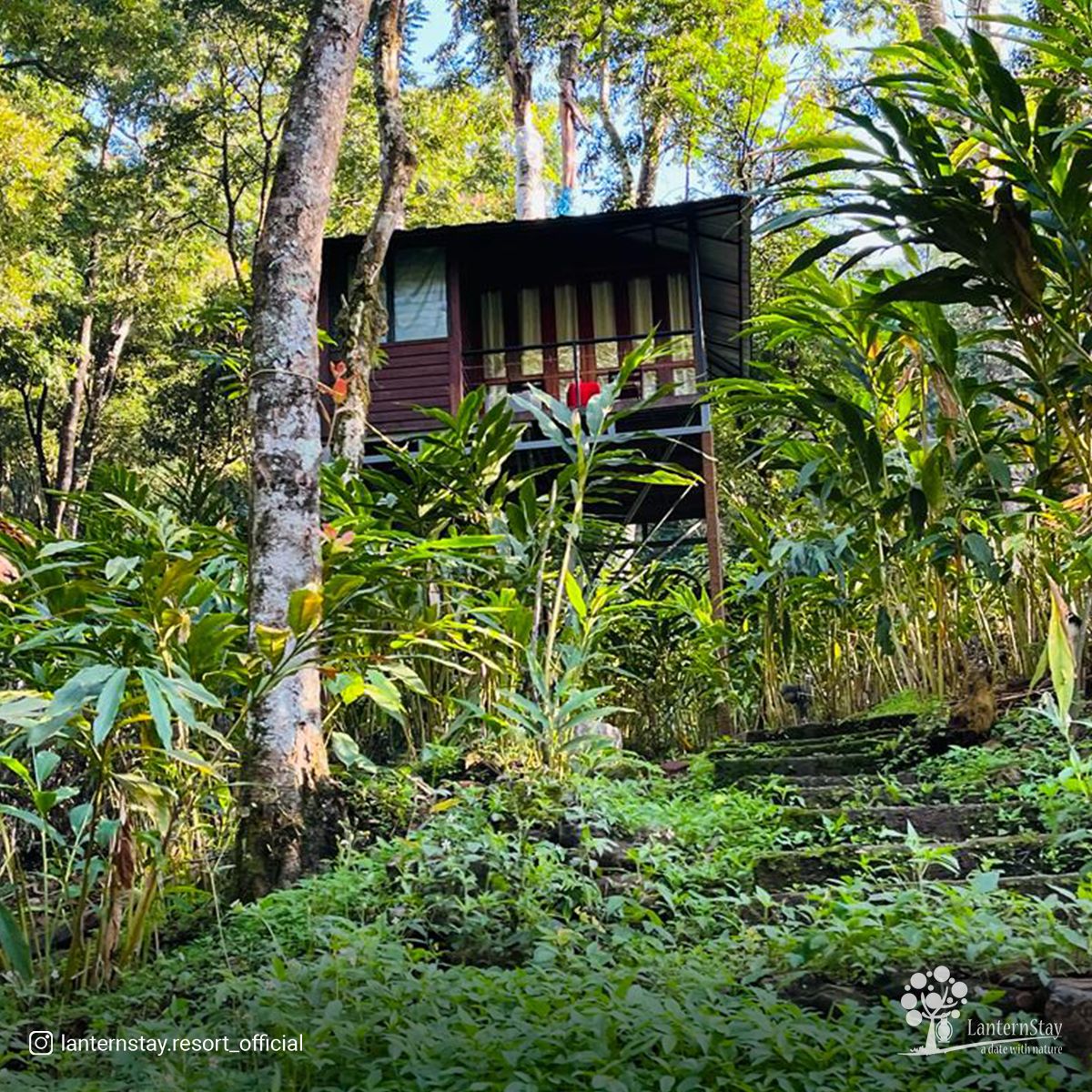
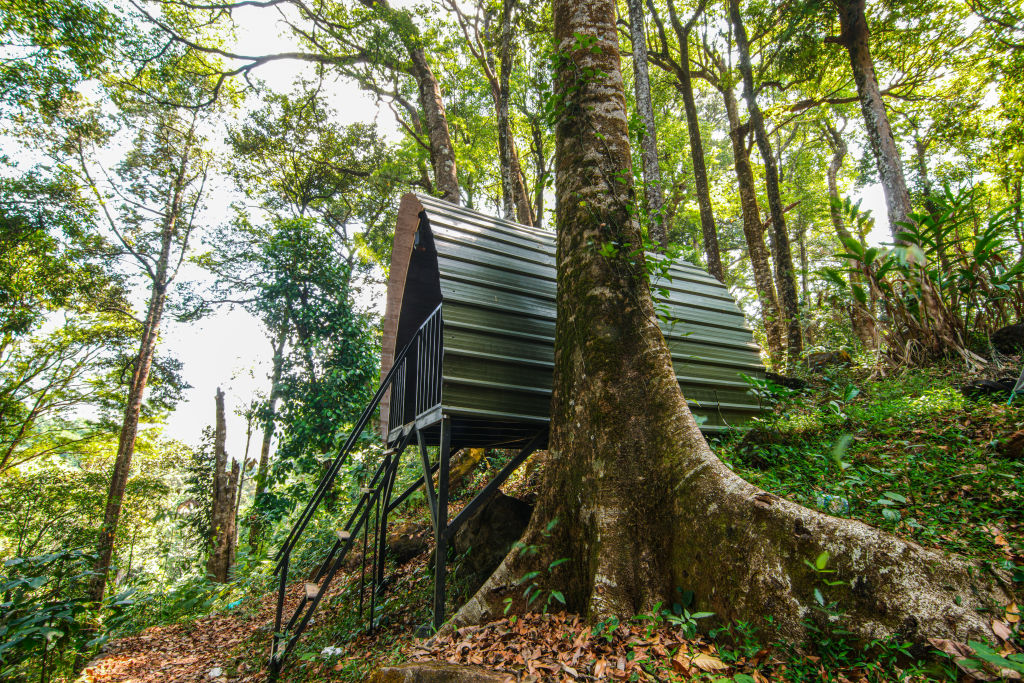
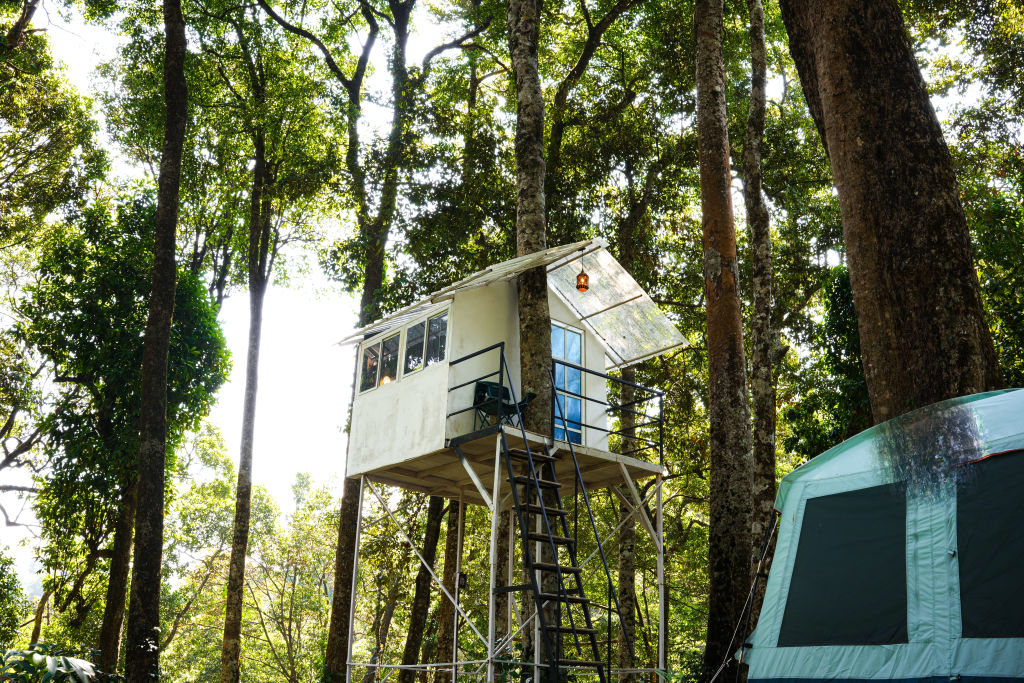
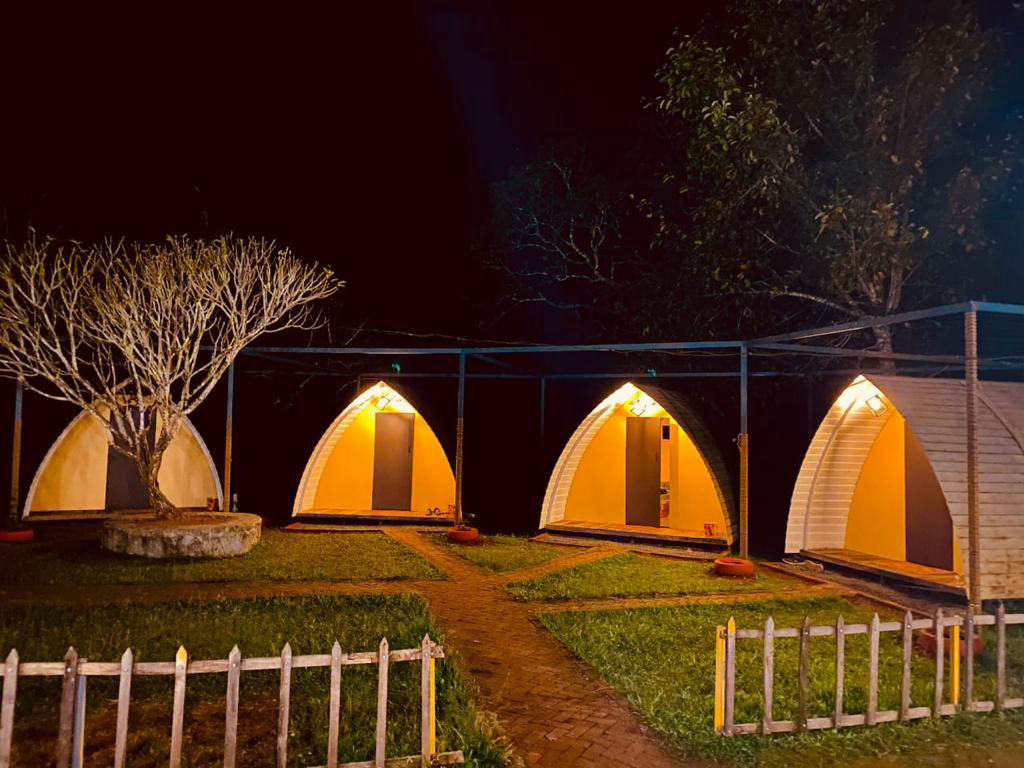
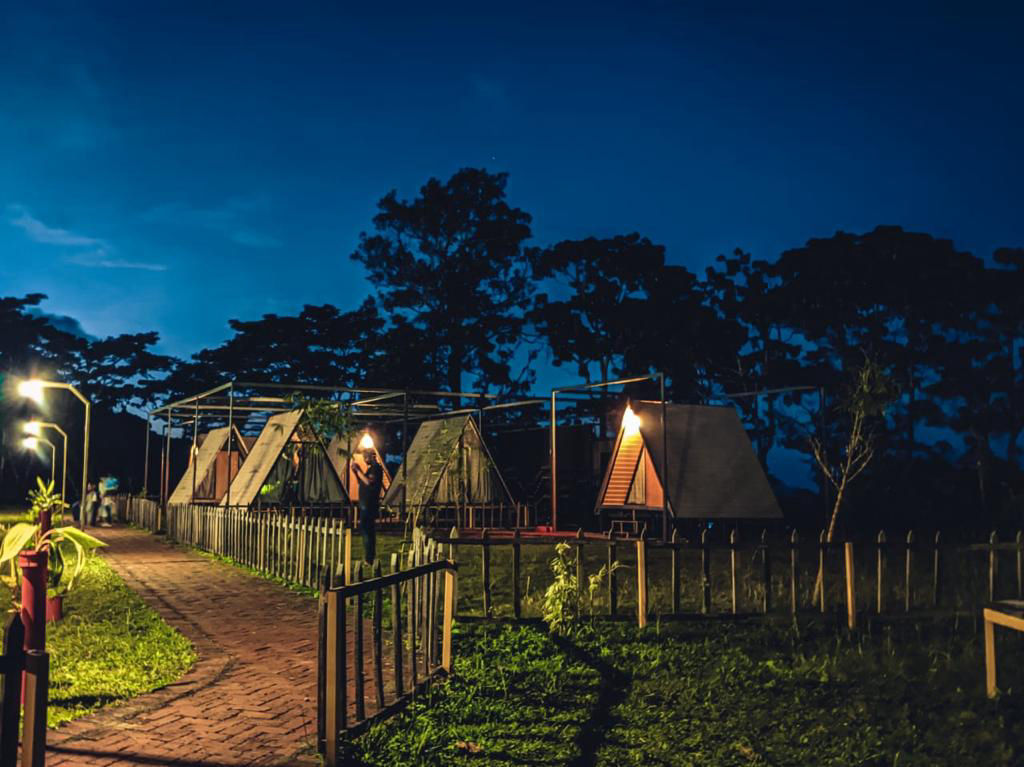
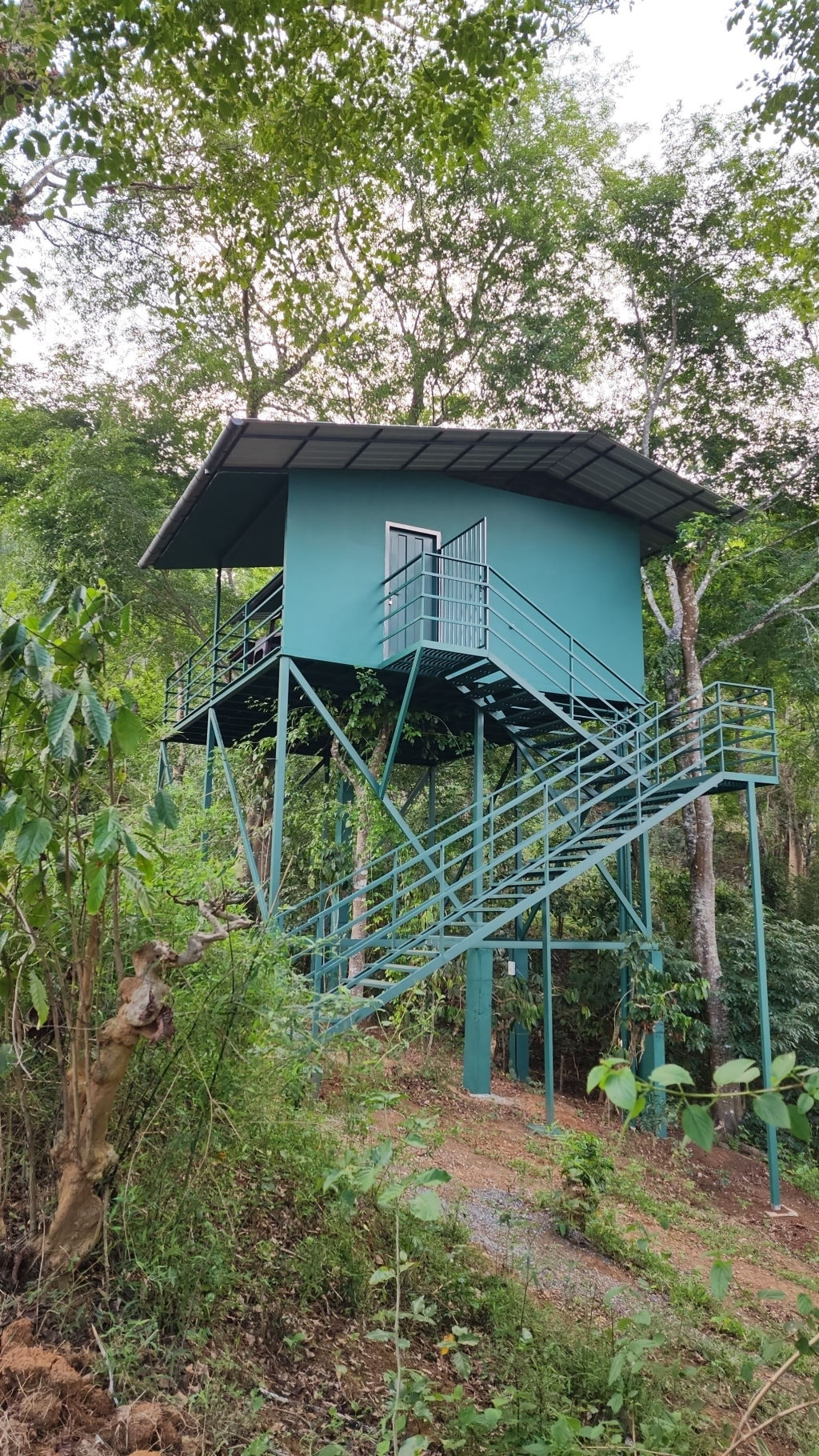
Wayanad offers a wide variety of accommodation suited to outdoor and nature-focused travellers. You can find rustic tent sites in the foothills, comfortable cottages tucked deep inside working coffee and pepper plantations, and heritage homestays hosted by local families.
Choosing a stay slightly away from main transit towns like Kalpetta or Sultan Bathery allows you to wake up to birdsong and forest air. You can explore curated campsites, riverside stays, and authentic homestays across Wayanad on HireACamp.
Frequently asked questions
How many days are needed to explore Wayanad?
A stay of three to four days is ideal to comfortably experience the main trekking trails, visit spice estates, explore caves, and take a wildlife safari without rushing.
What is the nearest railway station to Wayanad?
Kozhikode Railway Station is the most convenient railhead, located approximately 85 to 100 kilometres away, with regular buses and cabs connecting into the hills.
Is night driving allowed on the roads leading to Wayanad?
National highways passing through the surrounding Bandipur and Wayanad forest reserves are closed to vehicular movement during the night to protect wildlife, so schedule your trip to clear border gates before sunset.
What should I pack for a trip to Wayanad?
Pack sturdy walking shoes, light woollens or a fleece for cool evenings, rainwear or an umbrella if travelling between June and October, and insect protection for outdoor trails.
Where you'll be
12 stays nearby shown with prices
Stays near Wayanad
Book a place to stay close by
Things to do in Wayanad
48 places creators recommend within 30 km


Built from 0 Instagram posts by 0 creators. Every tip links back to the post it came from, and where creators disagree we show both sides.






