Hidden places near Trimbak
This guide highlights scenic hill trails, sacred caves, historic forts, and cultural landmarks situated within 40 kilometres of Trimbak in Maharashtra. It is tailored for nature enthusiasts, pilgrims, and road-trippers looking to explore beyond the main pilgrimage centre and experience the quiet landscapes of the Sahyadri ranges.
Sacred caves and spiritual landmarks
Nestled along the rugged slopes of the Sahyadri mountains, the area around Trimbak is steeped in deep-rooted spirituality. Just about two kilometres from the main town lies 108 Shivling Gupha, a sheltered rock cave set along the Brahmagiri hill slopes. Housing 108 naturally placed Shivlings within its stone chamber, the site provides hikers and pilgrims with a quiet, contemplative atmosphere elevated above the bustling valley below.
Closer to the town centre, Kushavarta Kund is an ancient stone reservoir situated approximately one kilometre away, taking about six minutes by road in typical conditions. Revered as the holy point where the Godavari River emerges onto the plains after running through the hills, it is visited for sacred bathing rituals and historic masonry. Further into the Nashik district, travellers often visit Shree Saptashrungi Devi Mandir, a revered hillside temple equipped with an incline funicular ropeway. Along the Godavari belt, Shri Vyankatesh Balaji Mandir and the spacious Shrine of the Infant Jesus (Nashik) offer further peaceful settings for quiet reflection.
Historic forts and natural trails
The highlands surrounding Trimbak feature dramatic basalt plateaus and rewarding walking trails. Anjaneri Fort, located about four kilometres from town, is renowned in regional traditions as the birthplace of Lord Hanuman. The ascent passes ancient rock carvings and historic shrines, leading up to a broad summit plateau that opens up wide panoramic views across the Western Ghats.
Further south towards the Igatpuri region, Kavnai Fort sits about twenty kilometres from Trimbak near the village of Kawanai. Hikers come to navigate its rock-cut stairs and explore ancient water cisterns perched high above the countryside. For travellers visiting during the wet season, Pahine waterfall is situated roughly four kilometres from Trimbak near Pahine village. Fed by seasonal showers, the area turns into a verdant landscape of cascading streams, rolling meadows, and cool mountain mist.
Cultural stops and outdoor recreation
In addition to ancient shrines and trails, the surrounding region offers varied daytime stops for history enthusiasts and active travellers. The Coin Museum (Shanti-Krishna Museum of Money and History) is located approximately eight kilometres outside Trimbak along the road toward Nashik. Positioned on the research foundation campus against the backdrop of the Sahyadris, the museum documents the long evolution of coinage, currency, and trade across the Indian subcontinent through detailed dioramas and numismatic artifacts.
For those interested in group activities and physical sports, Zonkers Adventure Park is located around sixteen kilometres from Trimbak along the Gangapur-Savargaon Road. Situated near the backwaters of Gangapur Dam, it provides open-air attractions such as go-karting, rock climbing, and amusement activities suited for families and groups looking for an active break.
Best time to visit
The climate in this part of Maharashtra varies dramatically through the year, shaping different kinds of travel experiences. The monsoon season from June to September brings heavy rains that transform the landscape into vibrant shades of green. This is the only time to witness Pahine waterfall flowing in full force, though trail steps at Anjaneri Fort and Kavnai Fort can become slick and require careful footing.
The cooler winter months between October and February offer clear skies, comfortable daytime temperatures, and crisp mountain air. This period is well suited for long walks, climbing the local forts, and exploring outdoor sites like 108 Shivling Gupha without midday heat. Summer months from March to May are hot and dry, making early mornings the most practical time for visiting outdoor monuments and reservoirs.
Where to stay
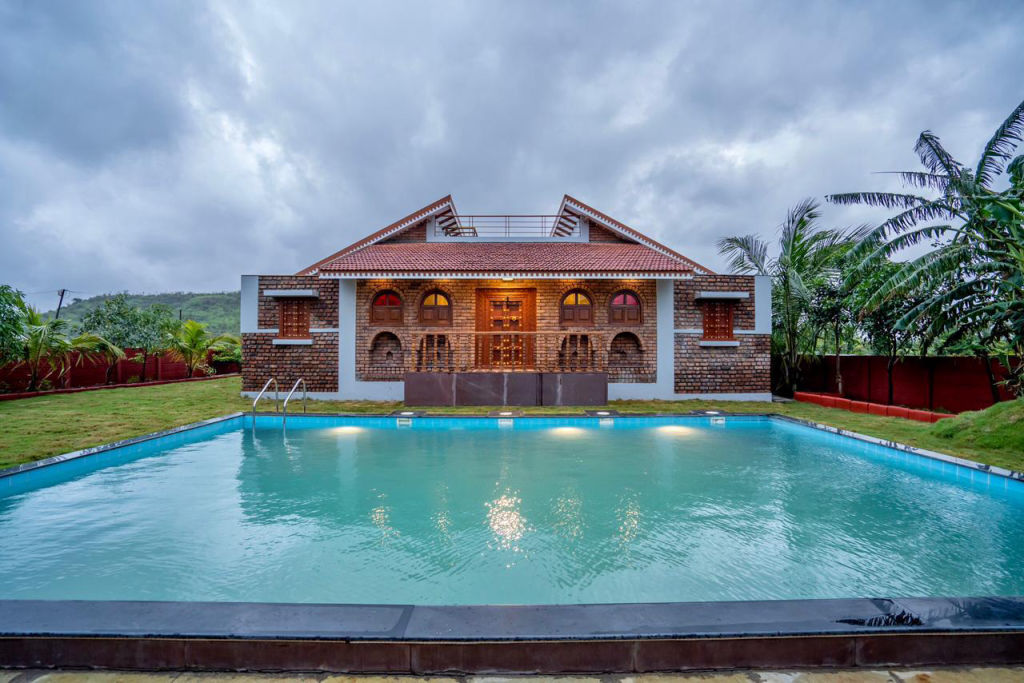
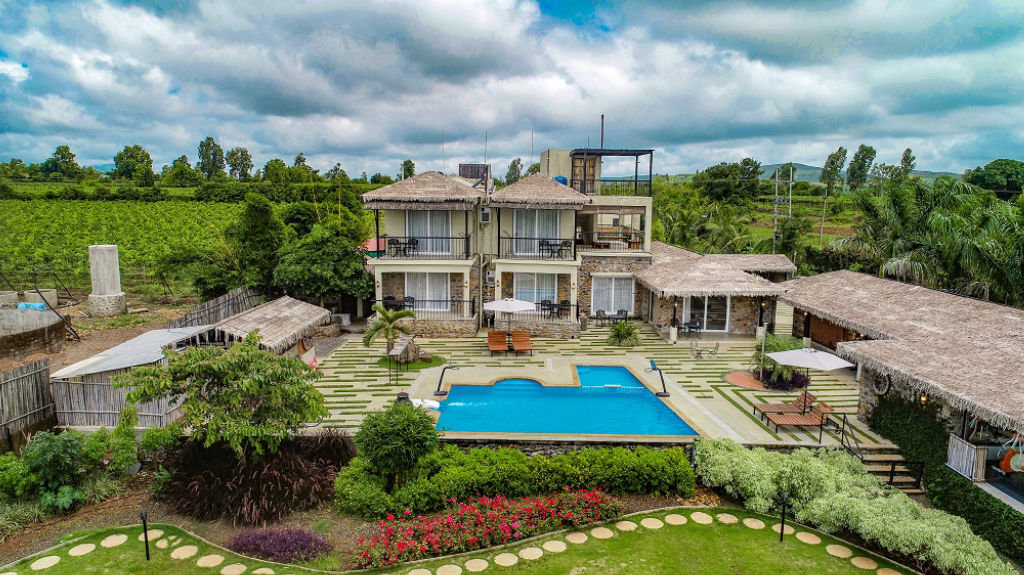
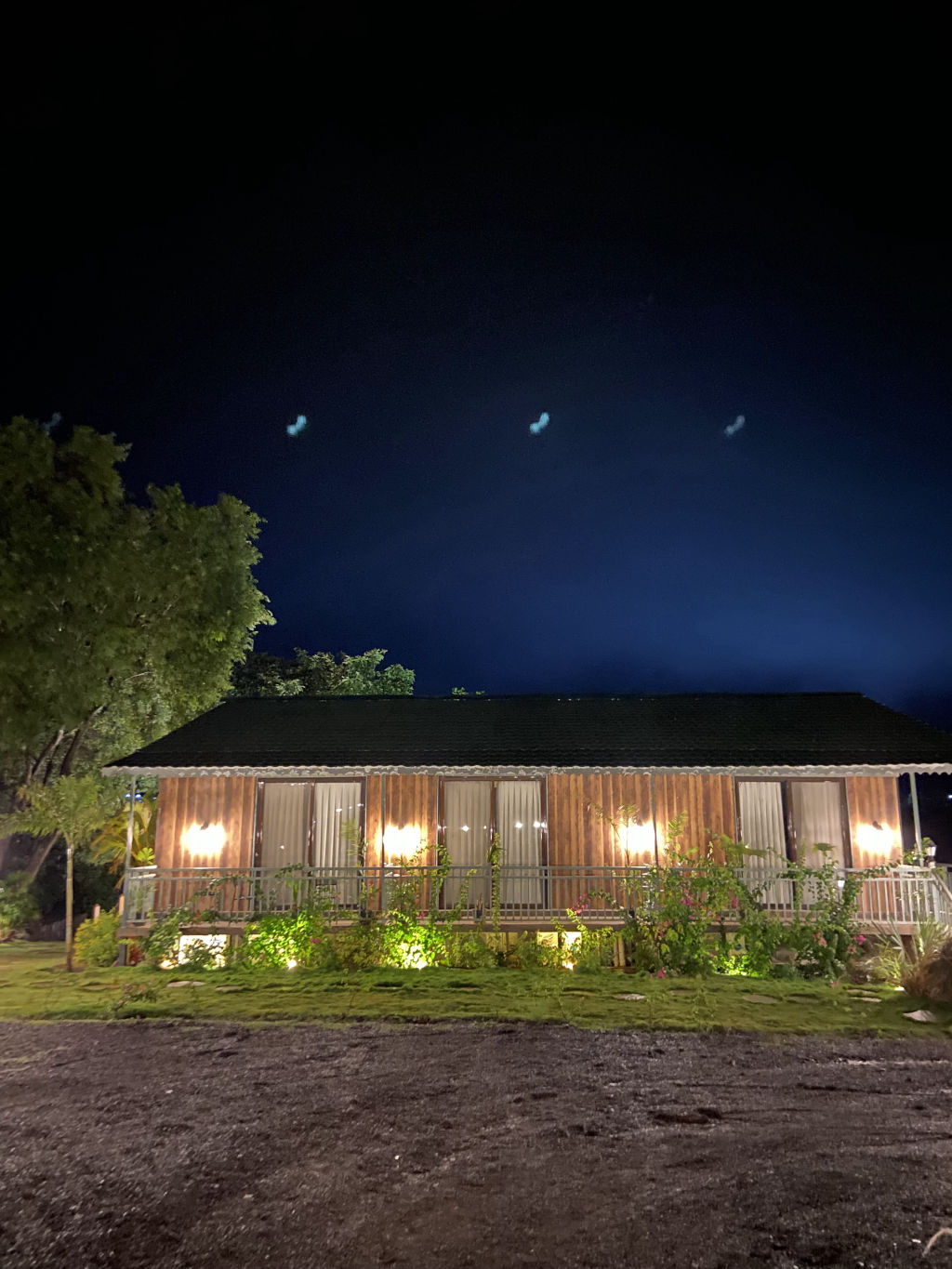
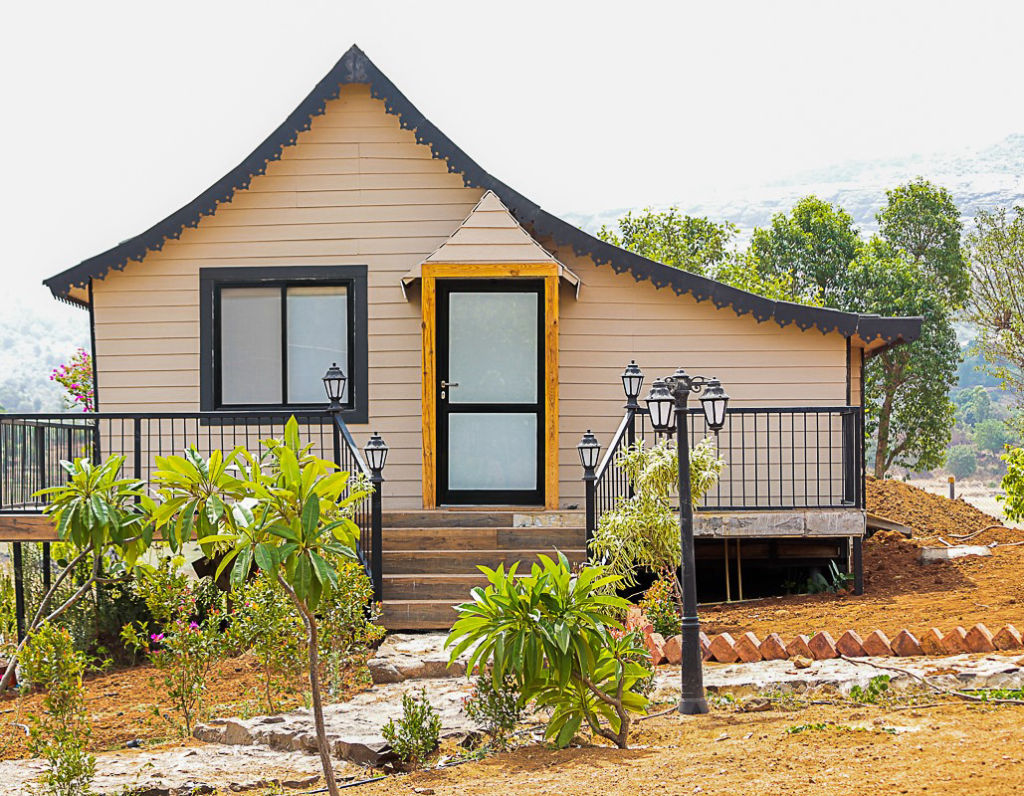
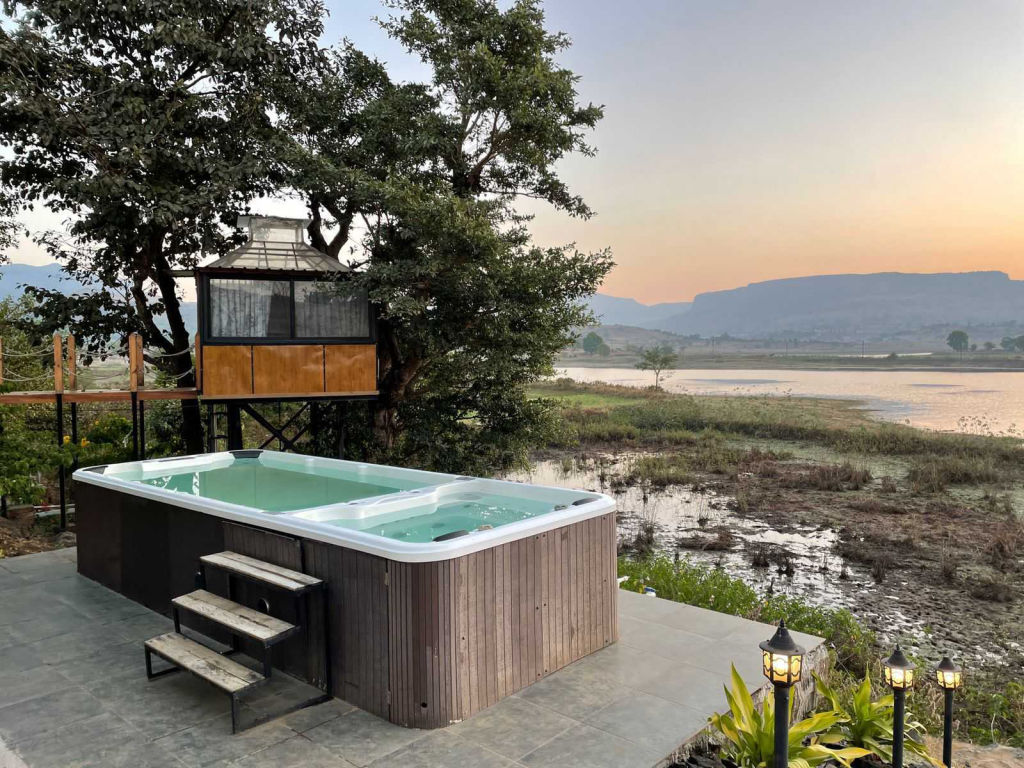
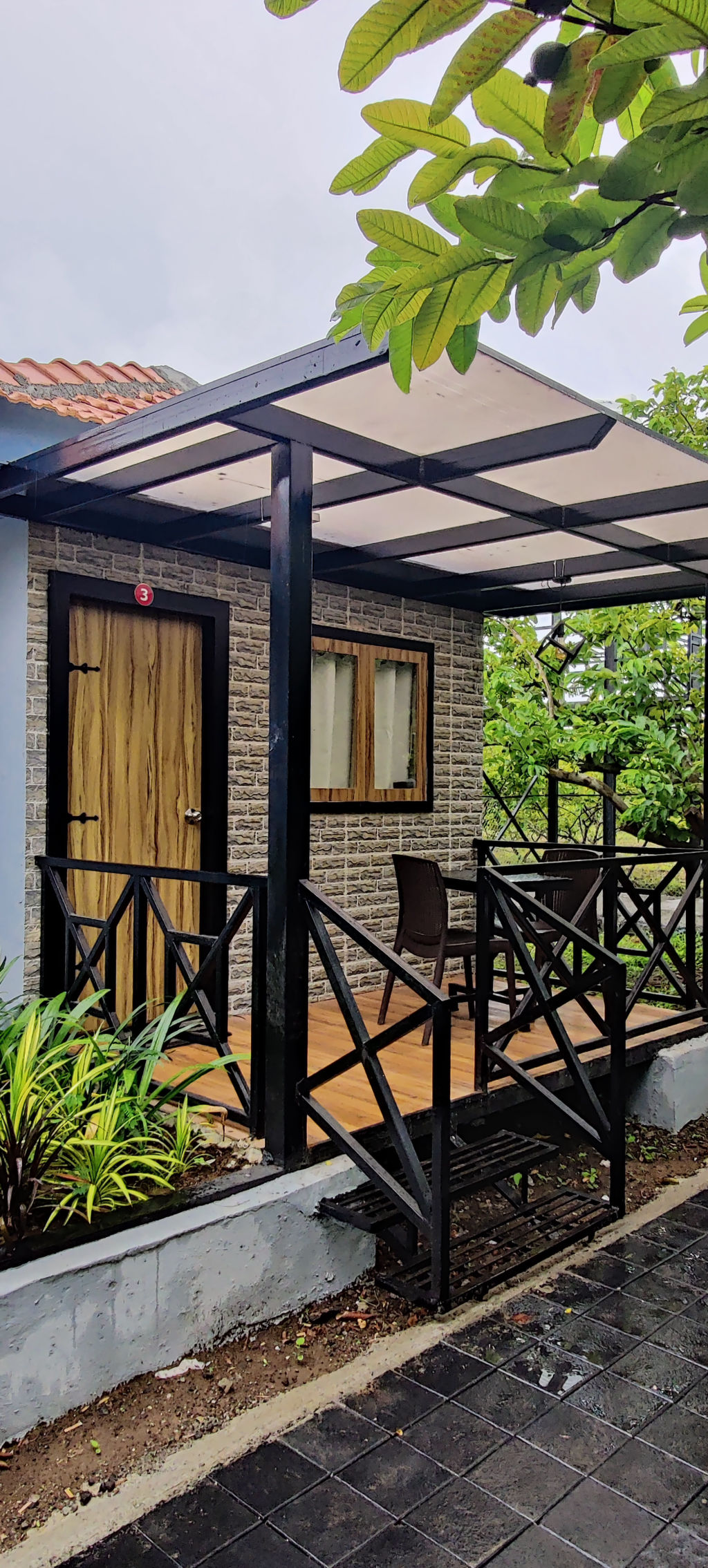
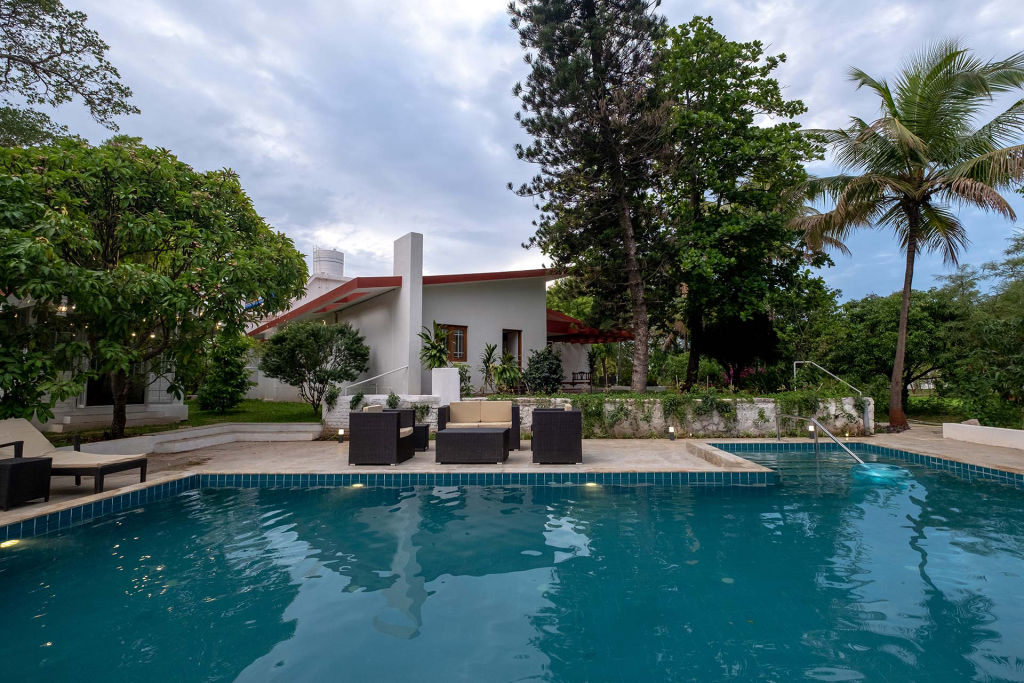
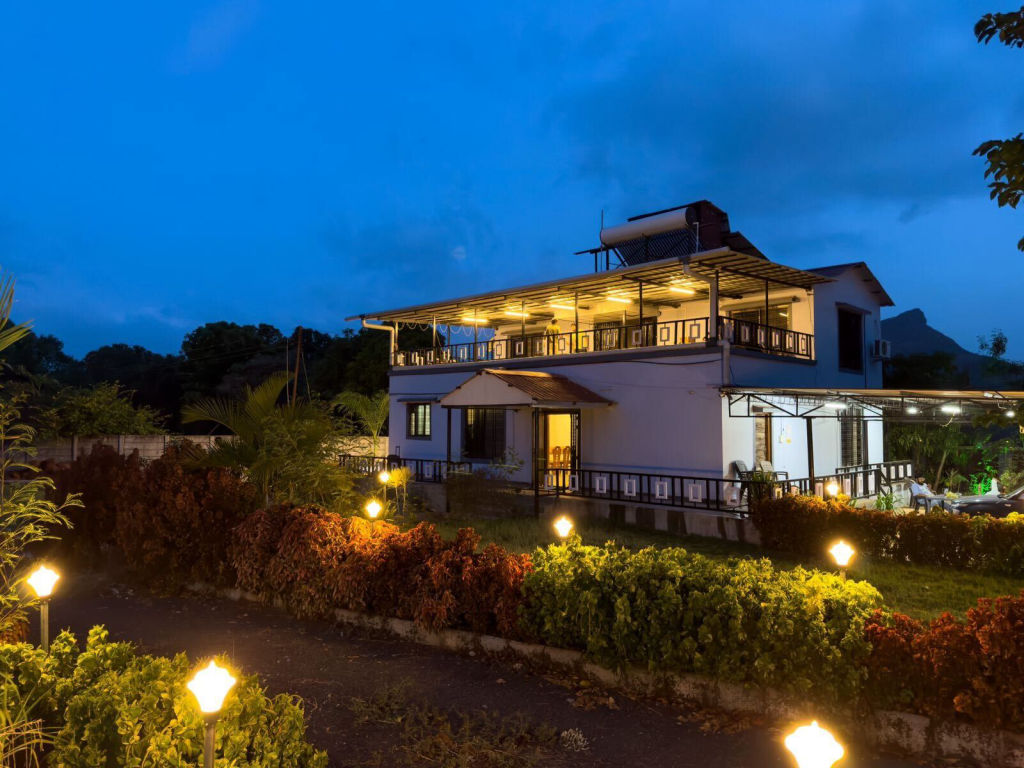
Staying near the Sahyadri foothills allows you to experience the natural rhythm of the countryside and start morning excursions before regional traffic picks up. A range of scenic campsites, farm stays, and traditional homestays can be booked directly on HireACamp.
Choosing an outdoor stay or rural homestay nearby places you within easy reach of trailheads for Anjaneri Fort, the calm grounds of Kushavarta Kund, and peaceful cultural stops along the Nashik to Trimbakeshwar belt.
Written with AI from creators' posts and map data. Check prices and timings locally before you go.
10 places · 10 creator recommendations · Updated today
Ranked by how many independent creators recommend each place, not by who paid. The list updates itself as new posts come in.


Frequently asked questions
When is the best time to see Pahine waterfall near Trimbak?
Pahine waterfall is seasonal and flows during the monsoon months from July to September. Outside of the rainy season, the cascade usually dries up completely.
What is the recommended time to visit Kushavarta Kund?
Early morning is the ideal time to visit Kushavarta Kund, especially if you plan to take a holy bath in the reservoir in a calm and unhurried setting.
Which forts near Trimbak are suitable for day treks?
Anjaneri Fort, located about four kilometres away, and Kavnai Fort, situated around twenty kilometres away, are both popular choices for day hikes featuring historic stone steps and panoramic views.
What can visitors see at the Coin Museum near Anjaneri?
The Coin Museum (Shanti-Krishna Museum of Money and History) showcases exhibits on ancient and modern Indian coins, numismatic casting molds, and historical dioramas tracing trade across the subcontinent.
How far is 108 Shivling Gupha from Trimbak?
The cave is located about two kilometres from the main town along the scenic hill slopes of the Brahmagiri mountain range.
Stays near Trimbak
Make a trip of it