Peaceful places near Kalej Valley Tea Garden
Set amid the misty slopes of West Bengal, the area surrounding Kalej Valley Tea Garden offers quiet hill hamlets, mountain parks, and serene spiritual sites. This curated list is ideal for slow travellers, nature enthusiasts, and anyone seeking time away from crowded hill stations.
Top quiet escapes near Kalej Valley Tea Garden
The hills around Kalej Valley Tea Garden provide an inviting counterpoint to the busy markets of Darjeeling. Sitting on the forested slopes of Jalapahar, roughly 6 km away, the Peace Pagoda, Darjeeling is one of the most frequently recommended sites in the area. Built to inspire universal harmony and non-violence, this polished stone stupa provides sweeping views over the surrounding valleys. Right beside it, the Japanese Buddhist Temple, Darjeeling invites visitors into a quiet wooden prayer hall where resident monks lead meditative drumming chants.
A short drive further east, about 13 km from Kalej Valley, lies Lamahatta. This peaceful village and eco-park is celebrated for its manicured slopes, towering stands of pine trees, and shaded mountain walking paths. Travellers often visit Lamahatta to wander under the cool canopy of conifers and watch clouds roll across the Eastern Himalayan ridges.
Historic tea terraces and scenic walks
Tea cultivation is central to the identity of these hills, and exploring active plantations offers a peaceful way to experience the countryside. Around 8 km from Kalej Valley, Happy Valley Tea Estate cascades down green terraces below Lebong Cart Road. As one of the oldest tea gardens in the district, it gives travellers an unhurried look at historic orthodox tea farming set against expansive mountain scenery.
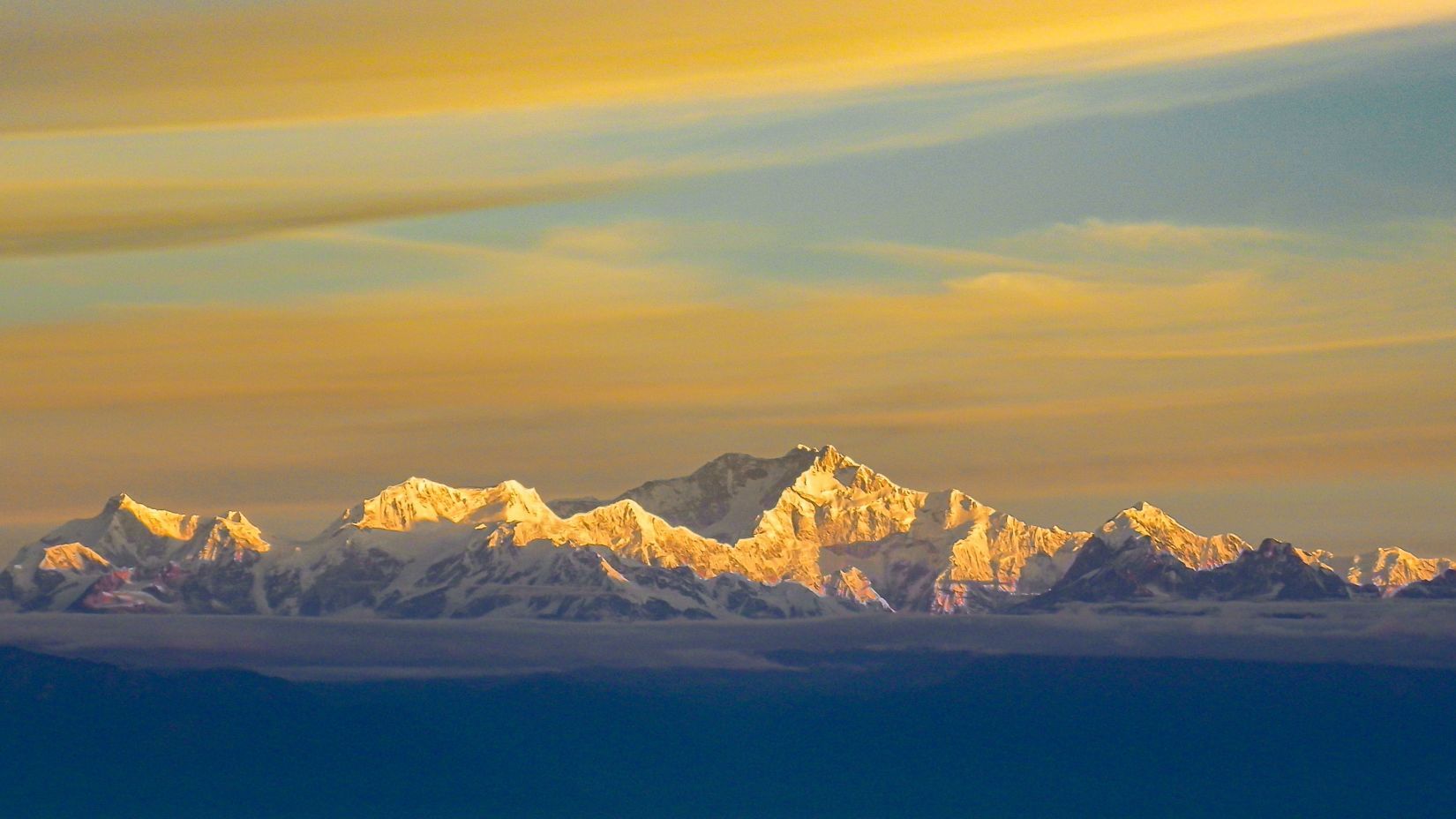
For those who enjoy relaxed walks with wide horizons, Shrubbery Nightingale Park sits on Richmond Hill, approximately 9 km from Kalej Valley. Its paved trails and landscaped lawns look out directly toward Mount Kanchenjunga and neighbouring Himalayan peaks, offering an open refuge away from town roads. Further toward the south, about 12 km away, Sumendu Lake in Mirik presents a gentle walking circuit along freshwater banks lined with pine woods and tea bushes.
Spiritual sanctuaries in the Eastern Himalayas
The region is home to deeply rooted spiritual traditions where Hindu and Buddhist sacred spaces coexist naturally. Shri Mahakal Temple, located atop Observatory Hill about 8 km from Kalej Valley, is known for its harmonious blend of faiths, with shrines sharing space under rows of fluttering prayer flags surrounded by dense cedar woods.
In Mirik, roughly 12 km away, Bokar Ngedhon Choekhor Ling Monastery stands high on a quiet ridge. Visitors to this meditation and study centre can appreciate intricate traditional artwork and listen to prayer sessions while overlooking the town and lake below. Those travelling toward Kalimpong can visit Durpin Monastery, also known as Zang Dhok Palri Phodang, situated about 22 km away on Durpin Hill. It offers an exceptionally calm atmosphere, ancient religious manuscripts, and elevated views across the Teesta River valley.
Best time to visit
The Eastern Himalayan foothills experience distinct seasonal shifts. The autumn and winter months, running from October to February, bring crisp air, low humidity, and generally clear skies that yield panoramic views of snowy mountain ranges. Daytime temperatures remain pleasant for walking, while nights turn cold.
Spring, spanning March and April, sees the hillsides burst with seasonal rhododendrons, magnolias, and fresh tea flushes. The monsoon arrives between June and September, blanketing the valleys in dense mist and heavy rainfall. While the monsoon creates vibrant green landscapes, road conditions can be unpredictable, making early autumn and spring the most reliable seasons for tranquil outdoor wandering.
Where to stay
Staying close to nature enhances any trip focused on rest and reflection. Rather than lodging along congested transit hubs, consider booking in quieter tea estates or forest edges near Kalej Valley, Lamahatta, or Mirik.
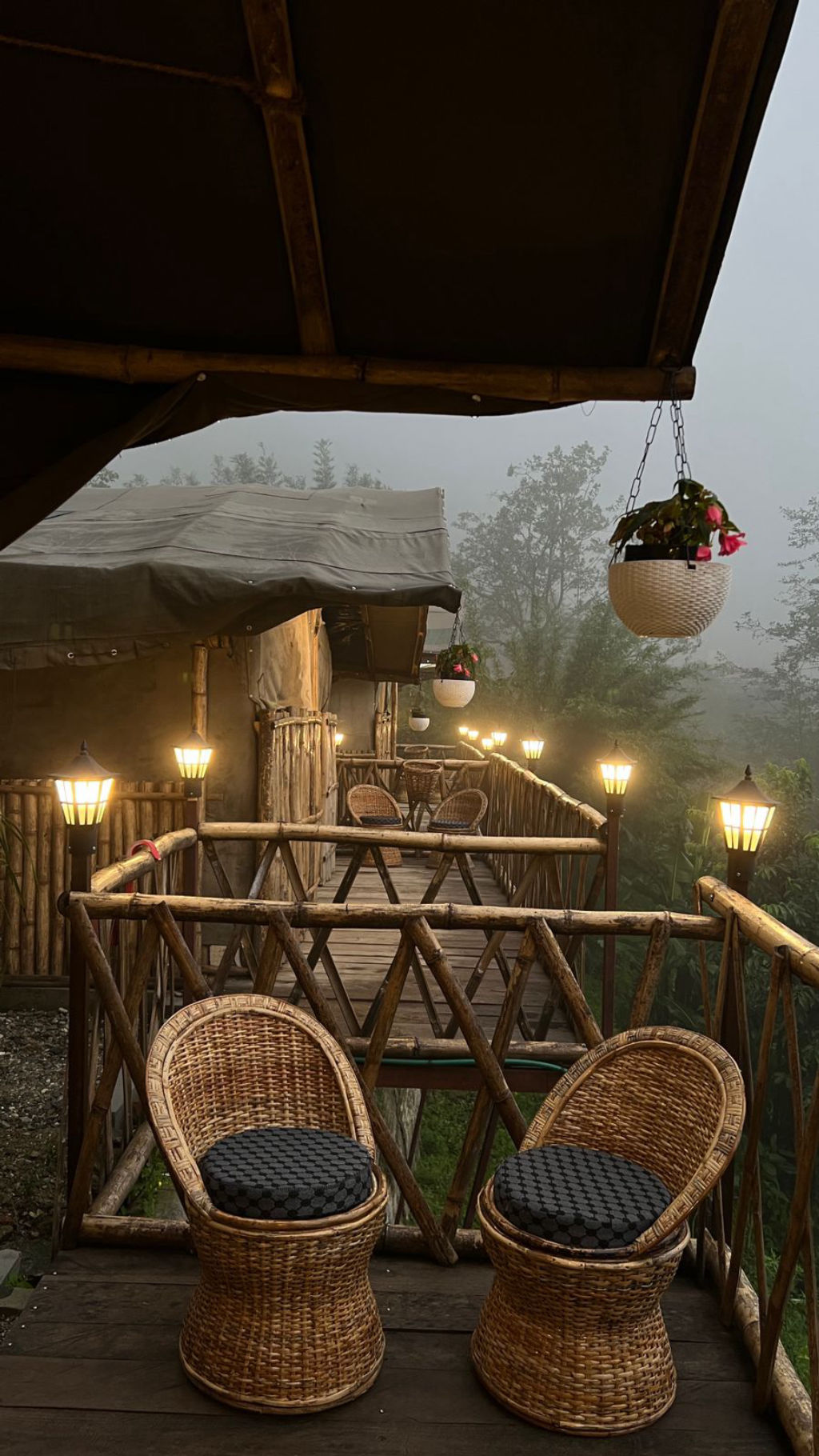
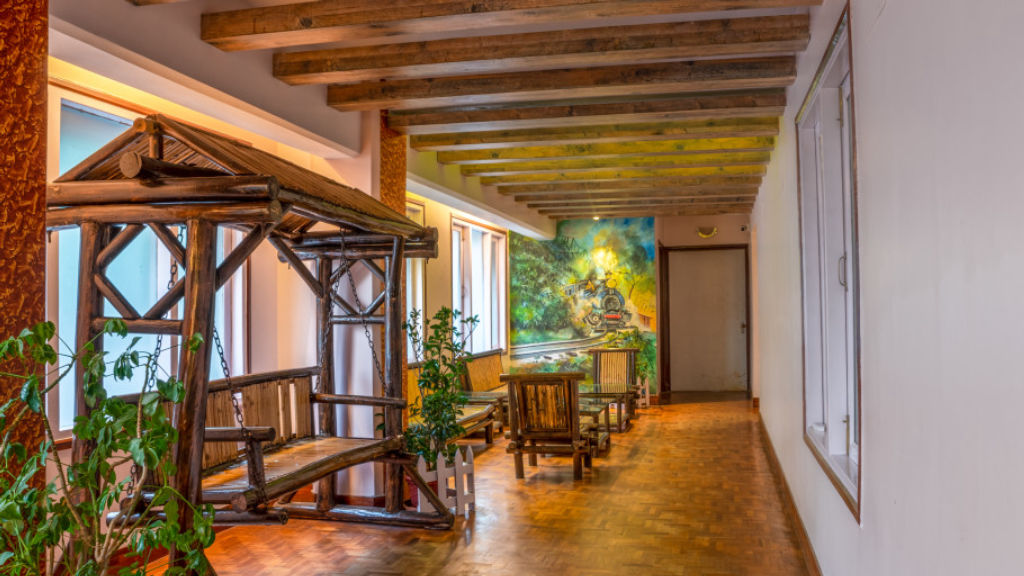
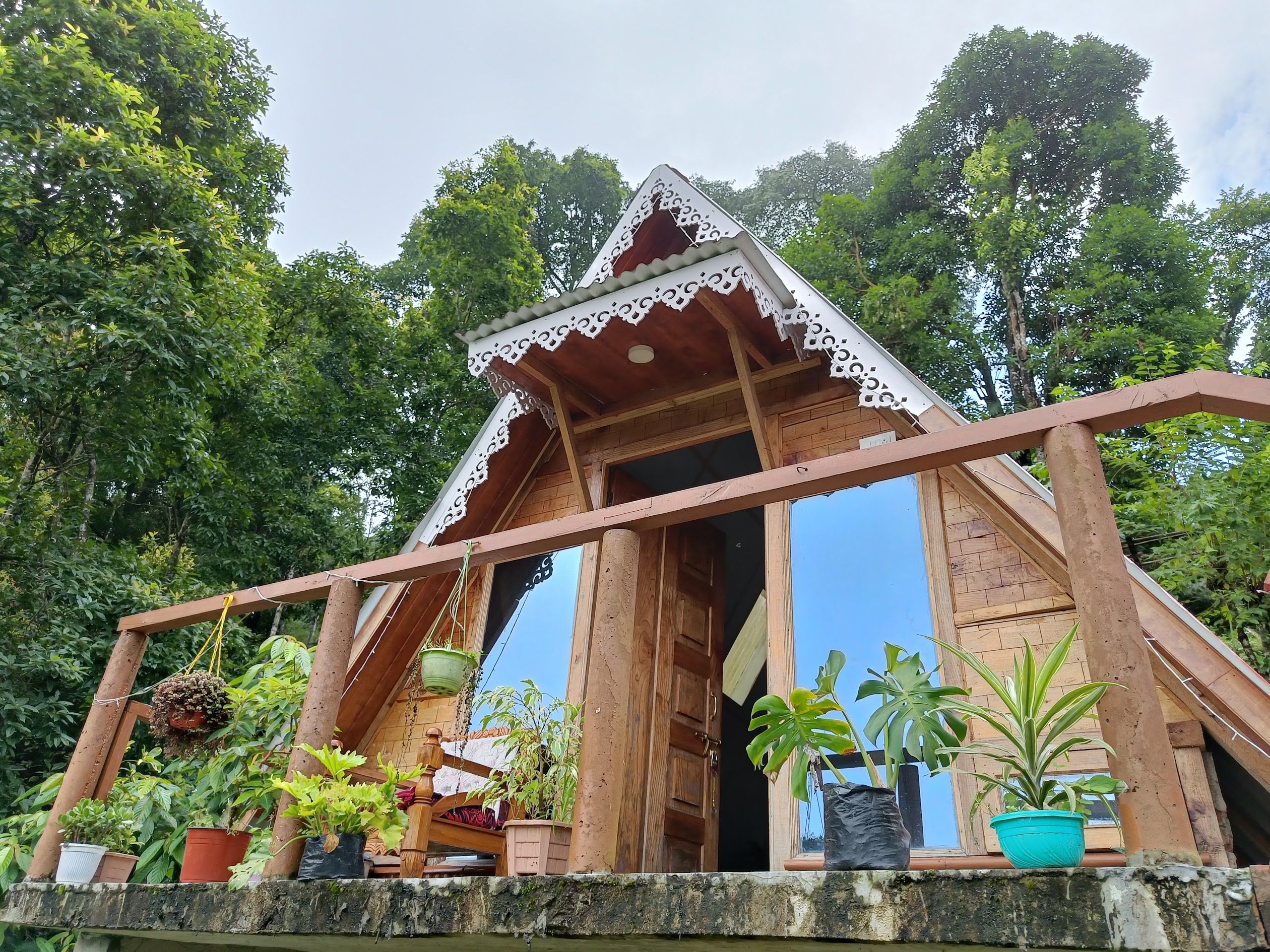
You can find quiet campsites, rustic homestays, and outdoor retreats throughout the surrounding hills on HireACamp. Staying with local hosts allows you to enjoy homemade regional meals, peaceful mornings overlooking the terraced valleys, and easy access to walking paths.
Written with AI from creators' posts and map data. Check prices and timings locally before you go.
19 places · 25 creator recommendations · Updated today
Ranked by how many independent creators recommend each place, not by who paid. The list updates itself as new posts come in.


Frequently asked questions
Which peaceful places near Kalej Valley Tea Garden are closest to visit?
The Japanese Buddhist Temple, Darjeeling and the Peace Pagoda, Darjeeling are both located on Jalapahar, roughly 6 km from Kalej Valley Tea Garden.
What is the terrain like around Lamahatta and Kalej Valley?
The terrain consists of steep Himalayan ridges, terraced tea hills, and thick pine and conifer forests, connected by winding mountain roads.
Can I visit Sumendu Lake and Bokar Ngedhon Choekhor Ling Monastery on the same outing?
Yes, both are located around Mirik, roughly 12 km from Kalej Valley Tea Garden, making them easy to combine in a single relaxed day trip.
Are walking trails available near these peaceful spots?
Yes, spots like Lamahatta Eco Park, Shrubbery Nightingale Park, and the lakeside loop at Sumendu Lake feature paved walking paths and gentle trails through woods and gardens.
Stays near Kalej Valley Tea Garden
Make a trip of it