
Kalej Valley Tea Garden
Destination in West Bengal
Kalej Valley Tea Garden is a tranquil tea-growing settlement perched among the gentle mountain ridges of the Darjeeling district in West Bengal. Surrounded by lush emerald slopes, pine woods, and panoramic views of the Eastern Himalayas, it offers an unhurried glimpse into life inside an authentic tea estate. Travellers visit to escape the crowds of nearby Darjeeling, explore hillside walking trails, and experience the timeless rhythm of the hill country.
Getting there
By train, bus or air
- PC Mittal Bus TerminusNearest bus stand1 hr 35 min · 62 km
- Bagdogra International AirportNearest airport1 hr 50 min · 72 km
Typical drive times without traffic. Places, distances and typical drive times from OLA Maps; notes from creators' Reels.
Itinerary for Kalej Valley and Darjeeling Region
A practical exploration of the Darjeeling hills surrounding Kalej Valley, featuring heritage railway sights, viewpoints, Buddhist temples, high-altitude wildlife, and local dining hubs across Ghum and Darjeeling town.
Darjeeling Highlights and Heritage Tour
Best for travellers wanting to see the iconic sights in a single day
Day 1
Mountain Sunrise, Heritage Railway, and Town Sights
early_morning
Tiger Hill, DarjeelingAbout 1 hr 30 min
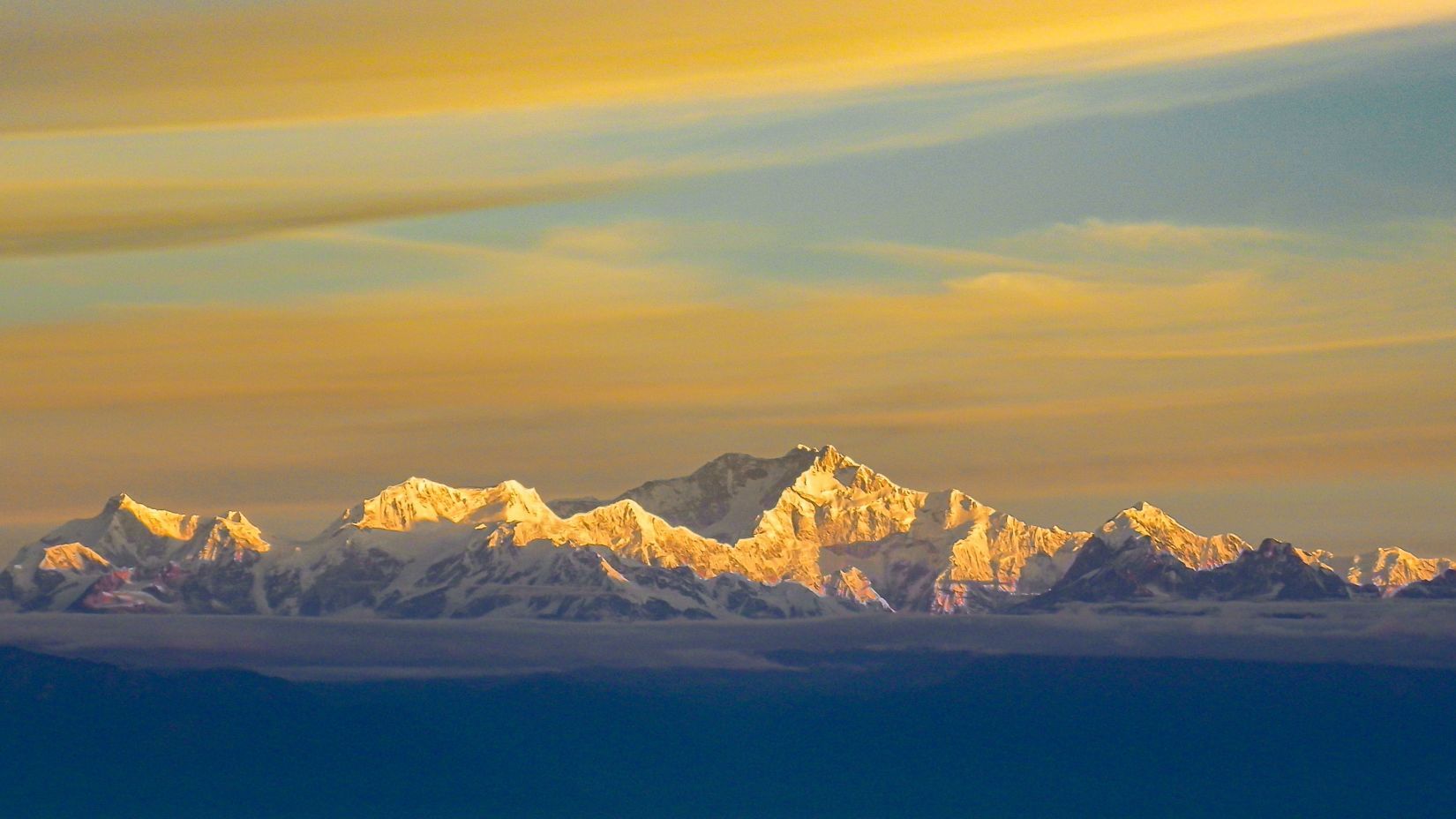
Arrive early to watch the sunrise over Mount Kanchenjunga.
morning
Batasia Loop DarjeelingAbout 45 min · 5.3 km from the last stop
Take in views of the Himalayas and see the war memorial within the railway loop.
midday
Peace Pagoda, DarjeelingAbout 1 hr · 1.7 km from the last stop
Visit the Buddhist stupa and Japanese temple site.
afternoon
Padmaja Naidu Himalayan Zoological Park DarjeelingAbout 2 hr · 3.5 km from the last stop
Observe high-altitude animals such as red pandas; note that ticket sales stop at 4:00 pm and the park is closed on Thursdays.
evening
Glenary's— Bakery, Resturant & PubAbout 1 hr · 2.1 km from the last stop
Located on Mall Road; features festive lights and decor during December.
- Padmaja Naidu Himalayan Zoological Park is closed on Thursdays, and ticket booths stop selling tickets at 4:00 pm. Entry is ₹60 per person for visitors from SAARC nations.
- Glenary's on Mall Road sets up seasonal illuminations and decorations during December.
- Visitors to the Japanese Buddhist Temple can join the monks during their rhythmic drum chanting sessions.
Visit lengths are suggestions; distances are straight-line between stops.
About Kalej Valley Tea Garden
Written with AI from map data and general knowledge. Check prices and timings locally before you go.
About Kalej Valley Tea Garden
Kalej Valley Tea Garden lies tucked into the verdant folds of the Darjeeling hills, just a short distance from the historic railway hub of Ghum. Unlike the bustling market streets of central Darjeeling, Kalej Valley preserves a slower, deeply restorative pace of life. The landscape is defined by rolling rows of well-manicured Camellia sinensis bushes that drape across the contours of the mountainside, interspersed with tall shade trees, bamboo groves, and patches of temperate forest.
The settlement around the estate is closely bound to tea cultivation, with workers and local families maintaining traditions that span generations. Morning walks along the estate roads reveal mist rising from the valley floor and tea pickers moving deftly between the rows during the harvest flushes. For travellers seeking an authentic mountain village atmosphere close to famous regional landmarks, Kalej Valley offers a quiet refuge framed by cool mountain breezes and sweeping Himalayan horizons.
Things to do in Kalej Valley
The primary charm of Kalej Valley Tea Garden is exploration on foot. Walking along the estate's earthen paths and hillside footways allows visitors to see the intricate layout of the tea terraces up close. You can observe the plucking process during the spring and summer months, listen to the resident birdlife calling from the forest fringe, and watch the play of cloud and light across the deep river valleys below.
Birdwatching and nature photography are particularly rewarding here. The mixing of tea gardens with natural montane woodland creates habitats for numerous Himalayan birds, including laughingthrushes, flycatchers, sunbirds, and minivets. In the clear morning light, panoramic viewpoints around the upper sections of the valley offer glimpses of the snow-capped Kanchenjunga range standing sentinel over northern Bengal.
Travellers can also engage in quiet cultural experiences by exploring the villages adjacent to the tea fields. Interacting with local residents offers insights into local Gorkha culture, tea heritage, and daily life in the mid-elevation hill country. Spending evenings around a hearth while listening to local lore completes an immersive day outdoors.
Read more
Places to visit nearby
Thanks to its proximity to Ghum and Darjeeling, Kalej Valley Tea Garden serves as a convenient base for exploring some of the region's most iconic attractions. The Ghum Railway Museum and the historic mountain line of the Darjeeling Himalayan Railway are only a short drive uphill, where visitors can learn about the pioneering engineering that brought steam engines into these steep heights.
Just beyond Ghum sits the scenic Batasia Loop, a celebrated engineering marvel where the toy train negotiates a spiral loop around a manicured war memorial garden offering wide views of Darjeeling town and Mount Kanchenjunga. Tiger Hill is also nearby, renowned across India for its sunrise panorama over the high Himalayan peaks, where on clear mornings the first light gilds both Kanchenjunga and distant summits.
Travellers interested in spiritual architecture can head toward the Japanese Buddhist Temple and the adjacent Peace Pagoda, situated along the tranquil slopes of Jalapahar. Further afield along the crest toward Kalimpong lies the eco-tourism park at Lamahatta, known for its towering pine and dhupi forests, landscaped walking trails, and sacred hilltop lake.
Best time to visit Kalej Valley Tea Garden
The best time to visit Kalej Valley Tea Garden spans from October through May, when the weather is generally dry and comfortable for walking and sightseeing. Autumn, from October to late November, brings crystal-clear skies after the retreat of the monsoon, offering the sharpest views of the high peaks and warm, pleasant daytime temperatures.
Winter arrives in December and lasts through February, bringing crisp mountain air and freezing or near-freezing nights. While days remain sunny and bright, visitors should be prepared with warm woollens and thermal wear. Winter is an ideal time for quiet solitude and unobstructed sunrise vistas over the snow ranges.
Spring, beginning in March and continuing through May, transforms the hills into a vibrant wash of green. The tea bushes begin producing their celebrated first-flush shoots, wild rhododendrons and magnolias bloom in the higher forests, and temperatures are warm and inviting. The monsoon season, from June to September, brings heavy rainfall, thick fog, and occasional road closures, though it is the time when the tea gardens are at their most lush and verdant.
How to reach Kalej Valley Tea Garden
Reaching Kalej Valley involves travelling upward through the foothills of West Bengal from the plains of Siliguri. The nearest major railway hub is New Jalpaiguri (NJP), while the nearest domestic airport is Bagdogra. Both transit points have regular connections to major Indian cities like Kolkata, Delhi, and Guwahati.
From New Jalpaiguri or Bagdogra, travellers can hire private taxis or board shared mountain jeeps heading toward Darjeeling via Kurseong or Mirik. The road climbs through subtropical forests and tea-clad slopes along the Hill Cart Road or Rohini Highway to reach the junction town of Ghum, after which local mountain roads descend toward Kalej Valley. The road journey from the plains typically takes three to four hours depending on weather and traffic.
For those already staying in Darjeeling town, Kalej Valley can be reached via a short taxi ride heading south toward Ghum and Rongbull. It is advisable to arrange local transport ahead of time, especially during early morning or late evening hours.
Tips for your visit
Comfortable footwear with sturdy soles is essential for walking on the unpaved, sloping footpaths that crisscross the tea estate. The terrain can be uneven, and loose stones or damp earth are common along the plantation trails.
Weather conditions in the Darjeeling hills change rapidly. A clear, sunny morning can give way to chilly mountain fog within an hour, so it is sensible to carry a light rain jacket or an umbrella along with layered clothing, even during pleasant spring days.
Respect the local workforce and estate property by staying on designated paths and refraining from plucking tea leaves or disturbing agricultural operations. Because mobile network signals and ATM availability can be unpredictable in the deeper valley pockets, carry sufficient cash for local expenses and check with local residents for updated travel advice on nearby road routes.
Where to stay near Kalej Valley Tea Garden
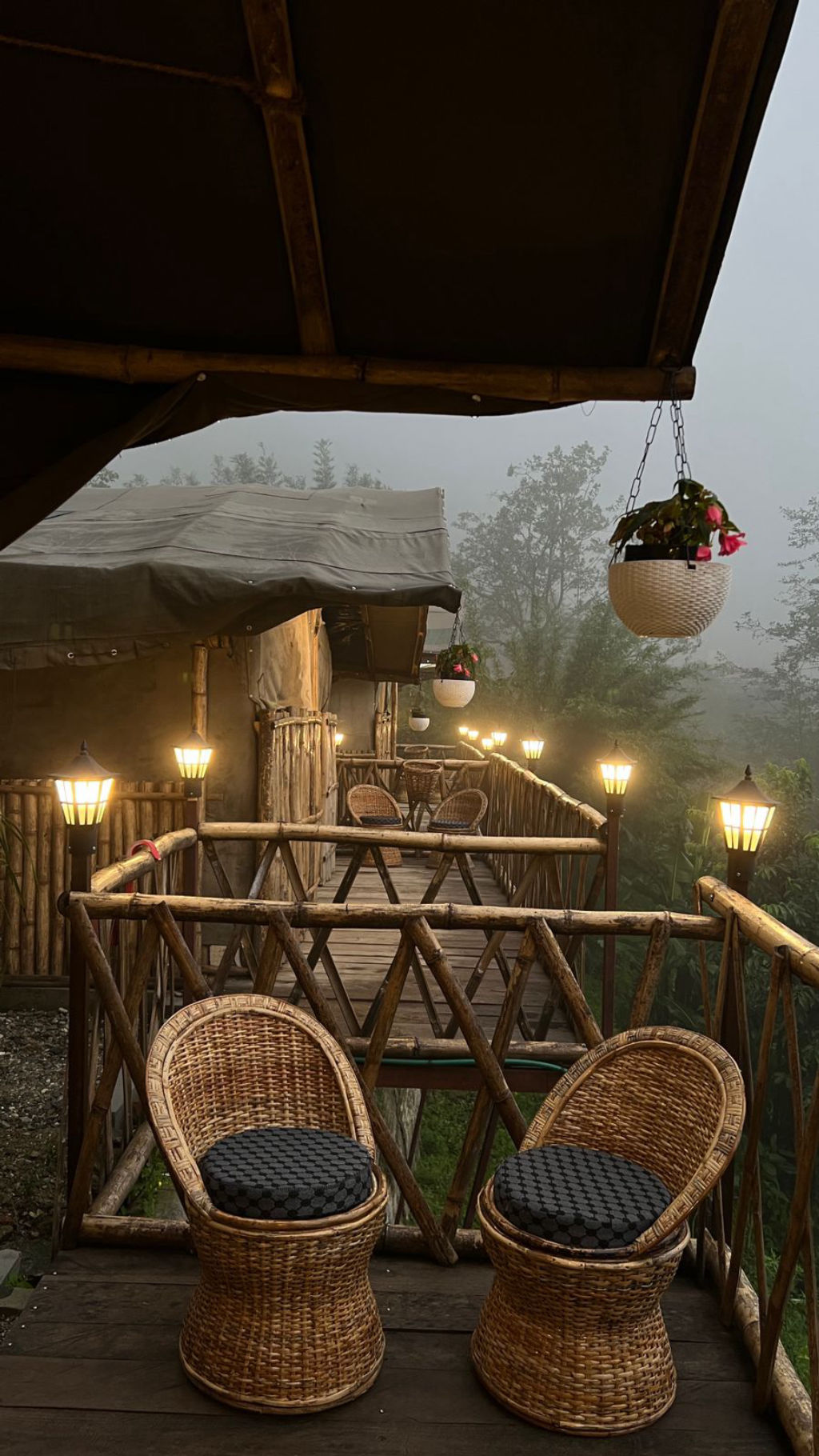
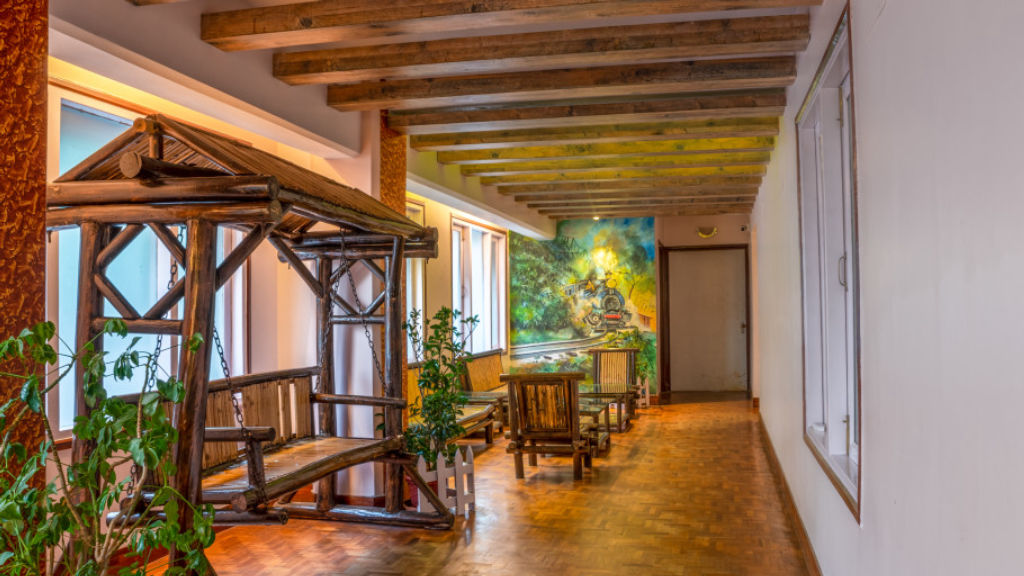
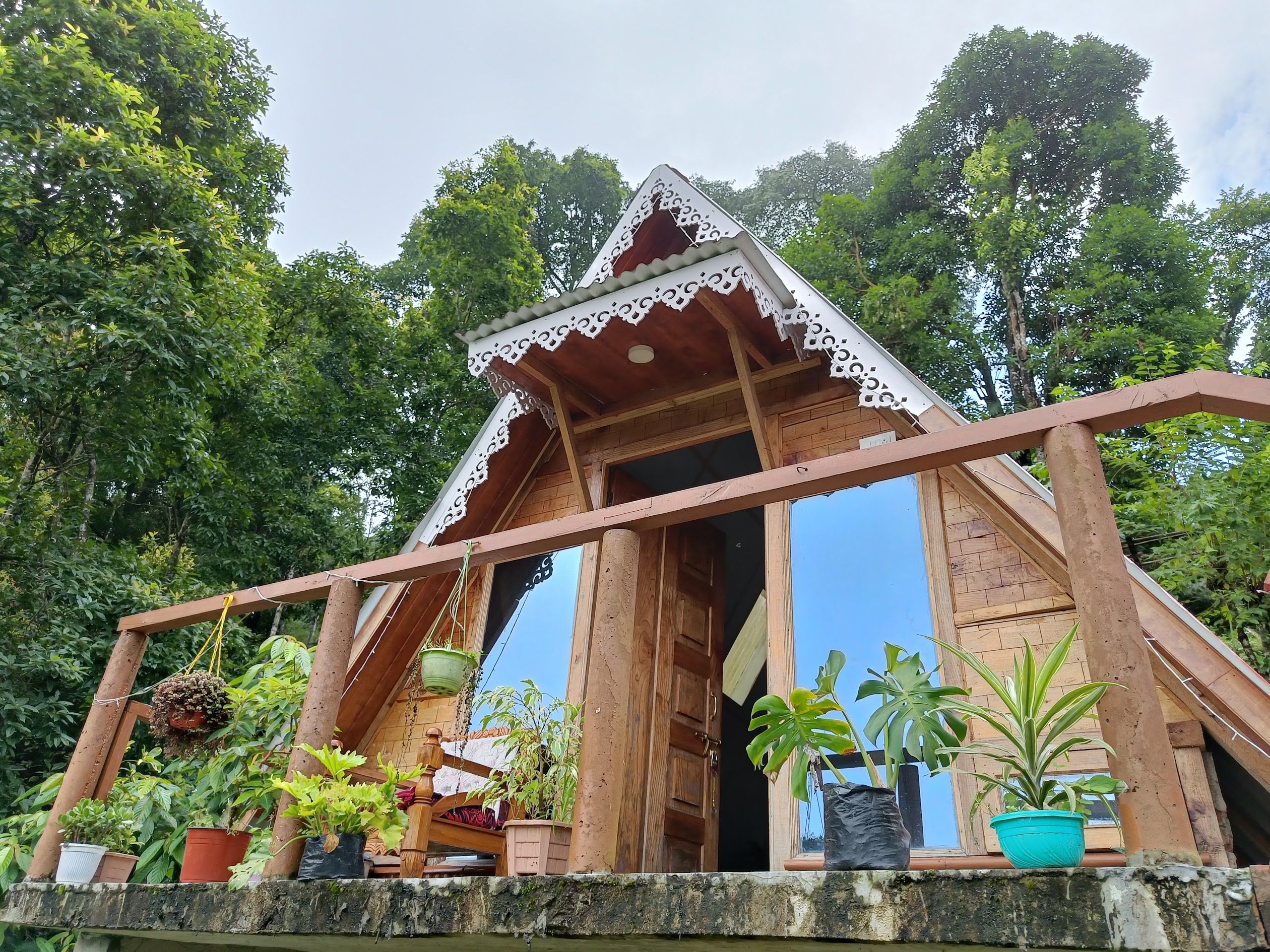
Accommodation options around Kalej Valley Tea Garden cater primarily to travellers who appreciate nature, stillness, and village life. Many visitors choose rural homestays located within the garden boundary or in the neighboring settlements of Rongbull and Ghum, where hosts offer home-cooked Nepali and Bengali meals prepared with regional ingredients.
Camps, homestays, and rustic hill stays in and around Kalej Valley can be booked directly through HireACamp. Staying inside the tea country allows you to wake up to birdsong and mountain mist, far removed from the urban density of typical hill stations.
Frequently asked questions
What is Kalej Valley Tea Garden known for?
Kalej Valley Tea Garden is known for its terraced tea plantations, quiet village surroundings, and close proximity to Darjeeling and Ghum, making it a peaceful base for nature walks and mountain views.
How far is Kalej Valley from Darjeeling town?
Kalej Valley is located just south of Ghum, roughly six to eight kilometres from central Darjeeling town by road.
Can I see Mount Kanchenjunga from Kalej Valley?
Yes, on clear autumn, winter, and spring mornings, higher vantage points along the estate and nearby ridges offer views of Mount Kanchenjunga and the Eastern Himalayas.
What should I pack for a trip to Kalej Valley?
Pack sturdy walking shoes, comfortable outdoor clothing, a warm fleece or jacket for chilly evenings, and a windbreaker or rain shell to handle sudden mountain mist and showers.
Are there places to stay near the tea garden?
Yes, travellers can find rustic homestays and nature getaways in the surrounding valleys and ridges on HireACamp.
Where you'll be
5 stays nearby shown with prices
Stays near Kalej Valley Tea Garden
Book a place to stay close by

Things to do in Kalej Valley Tea Garden
40 places creators recommend within 30 km


Lists for this area
Ranked by how many creators recommend each place


Built from 0 Instagram posts by 0 creators. Every tip links back to the post it came from, and where creators disagree we show both sides.






