
Aghanjar Mahadev Temple
Temple near Sidhbari, Himachal Pradesh
2.7 km from Sidhbari
The nearest town, for stays, food and fuel.
Aghanjar Mahadev Temple is a revered Hindu shrine dedicated to Lord Shiva, situated along Khanyara Road near Dharamshala in Himachal Pradesh. Set against the majestic backdrop of the Dhauladhar mountain range and nestled beside a cascading mountain stream, it attracts pilgrims, nature lovers, and travellers seeking peace. Visitors come to pay homage at the ancient cave sanctuary and spend quiet moments immersed in the tranquil Himalayan forest.
Getting there
By road
- From SidhbariNearest town8 min · 3.2 km
- From Amritsar4 hr 25 min · 205 km
- From Ludhiana4 hr 25 min · 202 km
- From Chandigarh5 hr 20 min · 244 km
Typical drive times without traffic. Stations and airports from OLA Maps; distances and typical drive times from OpenStreetMap (© OpenStreetMap contributors); notes from creators' Reels.
About Aghanjar Mahadev Temple
Written with AI from map data and general knowledge. Check prices and timings locally before you go.
About Aghanjar Mahadev Temple
Aghanjar Mahadev Temple is an ancient and deeply revered pilgrimage site located in the village of Khanyara, in the Dharamshala sub-district of Himachal Pradesh. Positioned at the foothills of the soaring Dhauladhar range, the shrine is dedicated to Lord Shiva, the destroyer and transformer among the Hindu trimurti. Unlike large urban temple complexes, this sacred site retains an earthy, intimate charm that mirrors the rugged natural beauty of the Kangra Valley.
The main sanctum is built around a naturally formed stone cave where a holy Shivalinga resides. For generations, local villagers from nearby Khanyara and Yol Cantonment have gathered here to offer prayers, celebrate festivals, and seek blessings. The presence of a lively mountain stream gushing right beside the complex adds an enduring aura of freshness and calm, making it a beloved retreat for both devout pilgrims and travellers exploring the upper reaches of Kangra.
Spiritual Significance and Lore
The lore surrounding Aghanjar Mahadev Temple connects deeply with classical Hindu mythology and the epic Mahabharata. Local legend holds that during the exile of the Pandavas, the great warrior Arjuna was meditating in these Himalayan foothills to secure the celestial Pashupatastra weapon from Lord Shiva. Testing his resolve, Shiva is believed to have appeared before Arjuna at this very spot in the form of a wild hunter, eventually granting him both the divine weapon and eternal blessings.
Another beloved legend claims that a local shepherd discovered the holy cavern several centuries ago when his grazing cows began yielding milk spontaneously over an unseen stone nestled between the boulders. Intrigued by the occurrence, the local community investigated the site, found the naturally formed lingam, and consecrated it as a shrine. To this day, devotees believe that prayers offered here with genuine devotion bring peace of mind, inner clarity, and protection from misfortune.
Read more
Natural Setting and Surroundings
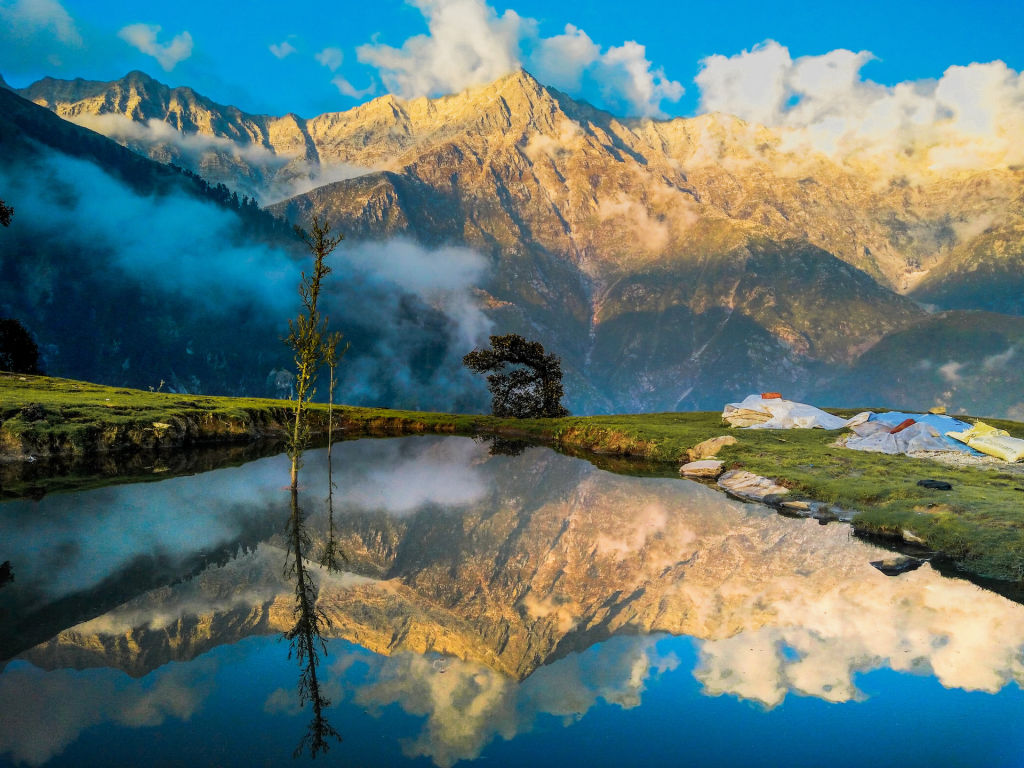
What sets Aghanjar Mahadev Temple apart from many other religious landmarks in the region is its stunning geography. The temple is bordered by towering pine and deodar forests, interspersed with massive granite boulders sculpted by glacial run-off. Right behind the complex rises the formidable wall of the Dhauladhar mountains, whose snow-dusted crags form an imposing panorama on clear days.
A boulder-strewn glacial brook meanders directly alongside the temple grounds, producing a soothing chorus of flowing water that drowns out external noise. Visitors often sit along the smooth river stones after completing their prayers, cooling their feet in the icy mountain waters. The clean mountain breeze, fragrant with the scent of wild herbs and damp earth, makes simply wandering around the temple compound a rejuvenating experience.
Best Time to Visit Aghanjar Mahadev Temple
Aghanjar Mahadev Temple welcomes visitors throughout the year, but the experience changes distinctly with every season. The spring and summer months between March and June bring mild, sunny weather and pleasant daytime temperatures. This is an ideal period for sightseeing, exploring the surrounding forest trails, and sitting comfortably by the stream without feeling chilled by mountain winds.
During the monsoon months of July and August, the Kangra Valley receives substantial rainfall, transforming the surrounding forests into a lush, vibrant green. The mountain brook swells with fresh run-off, creating a dramatic atmosphere, though travellers should be mindful of slippery paths and local rain advisories. Autumn, spanning September to November, brings crystal-clear skies and crisp air, offering the sharpest views of the snowbound Dhauladhar range. Winter from December to February brings biting cold and occasional frosty mornings, appealing to those who enjoy quiet winter travel and bundling up amidst scenic mountain settings.
How to Reach Aghanjar Mahadev Temple
Aghanjar Mahadev Temple is situated along Khanyara Road, roughly five to seven kilometres east of Dharamshala town and close to Yol Cantonment. The region is well connected by road to major transport corridors in northern India, including paths originating in Pathankot, Chandigarh, and Delhi.
Travelers arriving by air typically land at Kangra Airport in Gaggal, which is the closest commercial airport serving the Dharamshala area. From the airport, hiring a local taxi or taking a connecting bus towards Dharamshala or Yol provides easy access. The nearest broad-gauge railway junction is at Pathankot, from where regular buses and taxis travel into the hills. Once in Dharamshala or McLeod Ganj, local buses and private cabs run frequently toward Khanyara, dropping visitors within a short walk of the temple gates.
Tips for Travellers Visiting the Shrine
Because Aghanjar Mahadev Temple is an active place of worship, modest attire covering shoulders and knees is recommended. Visitors must remove footwear before entering the inner cave sanctum, and wearing comfortable slip-on shoes makes this transition effortless. Sturdy walking footwear is also practical if you plan to walk along the stony riverbed or explore the paths leading into the surrounding pine woods.
Keep in mind that the stones around the mountain brook can be wet, mossy, and slippery, especially after rainfall, so exercise caution when walking near the water edge. Opening hours and daily prayer timings can vary throughout the year, so it is best to verify these locally with residents or your driver upon arriving in Khanyara. Remember to carry your personal trash back with you to ensure that the delicate alpine stream and sacred grounds remain clean.
Places to Explore Nearby
Visiting Aghanjar Mahadev Temple pairs naturally with discovering the wider Dharamshala and Kangra region. Just a short drive uphill lies McLeod Ganj, the spiritual seat of the Tibetan community in exile, celebrated for its bustling bazaars, monastic centres, and cultural heritage. From McLeod Ganj, popular hiking trails lead onward to scenic vantage points such as Snowline and the tranquil waters of Dal Lake.
Those interested in historical architecture can plan a day excursion southward to Kangra Fort, one of the oldest and largest fortresses in the Himalayas, offering commanding vistas over the Banganga River. Nature enthusiasts and day hikers can also venture toward Dharamkot Waterfall or plan extended treks along the slopes leading to Minkiani Pass. Combining these diverse historical, cultural, and outdoor attractions creates a well-rounded Himalayan itinerary.
Where to Stay
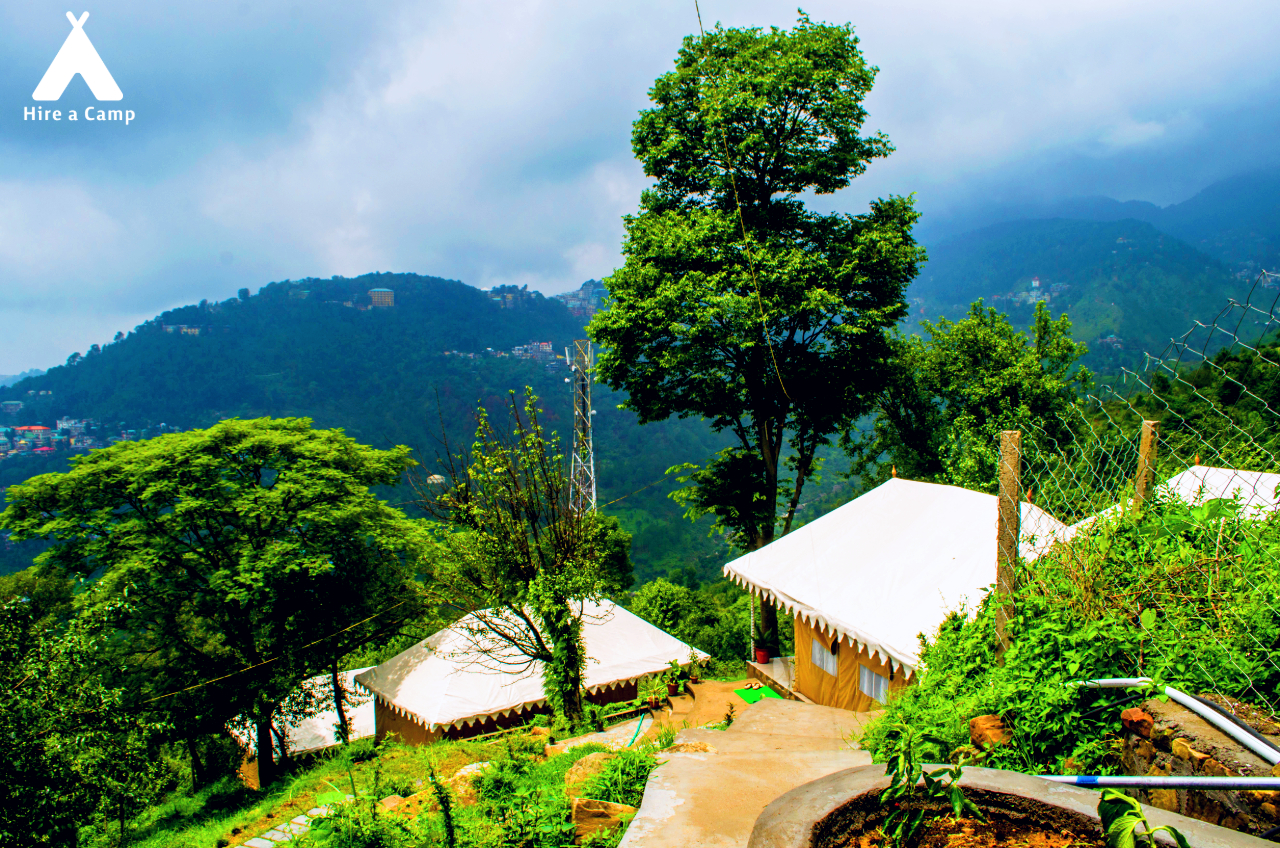
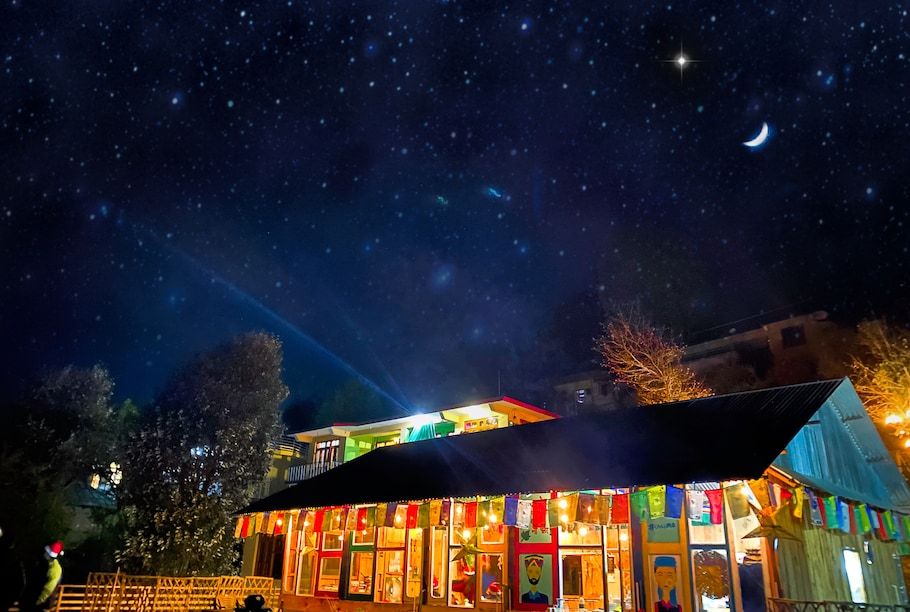
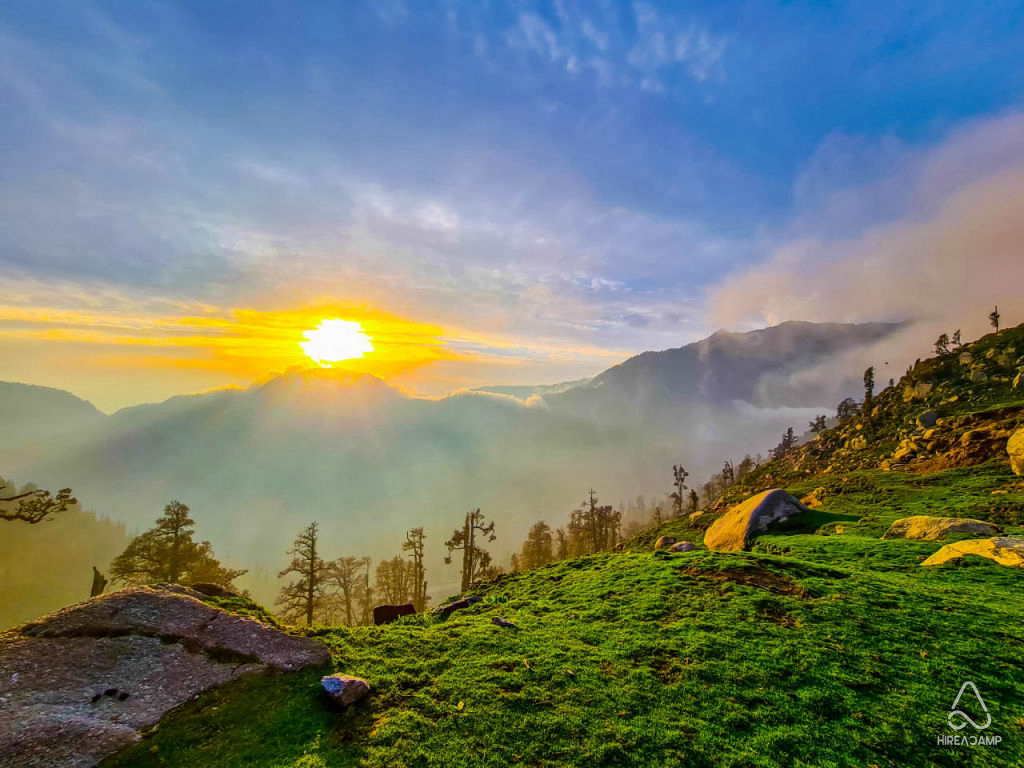
The belt stretching between Khanyara, Yol, Dharamshala, and McLeod Ganj provides a diverse selection of accommodations to match different travel styles. Travelers can find rustic riverside campsites, eco-friendly retreats set amidst pine woods, and cosy family-run homestays tucked away in quiet mountain hamlets.
Whether you are searching for an immersive outdoor camping site near mountain trails or a quiet hillside homestay with views of the valley, a curated variety of options across the Dharamshala area can be discovered and reserved on HireACamp.
Frequently asked questions
Where is Aghanjar Mahadev Temple located?
Aghanjar Mahadev Temple is located in Khanyara village, near Yol Cantonment and a short drive from Dharamshala in the Kangra district of Himachal Pradesh.
Which deity is worshipped at Aghanjar Mahadev Temple?
The temple is dedicated to Lord Shiva, who is enshrined as a sacred Shivalinga inside a naturally formed stone cavern.
Is there a specific dress code for entering the temple?
While there is no strict formal uniform, modest clothing that covers your shoulders and knees is expected out of respect for local customs. You must also take off your shoes before stepping into the inner sanctuary.
Can I visit Aghanjar Mahadev Temple during the monsoon season?
Yes, the temple remains open, and the surrounding scenery becomes remarkably green. However, take extra care around the riverbanks and mountain roads, as rocks and pathways can turn very slippery after heavy showers.
How do I reach the temple from Dharamshala?
You can easily reach the temple by hiring a local taxi or boarding a local public bus travelling along Khanyara Road from Dharamshala, which takes you directly close to the shrine.
Where you'll be
Khanyara Road, Khanyara, Sokani Da Kot, Dharmsala Sub-District · 4 stays nearby shown with prices
Stays near Aghanjar Mahadev Temple
Book a place to stay close by
More places near Aghanjar Mahadev Temple
Within 20 km


Built from 0 Instagram posts by 0 creators. Every tip links back to the post it came from, and where creators disagree we show both sides.






