
Norbulingka Institute
Heritage & Culture near Sidhbari, Himachal Pradesh
1.1 km from Sidhbari
The nearest town, for stays, food and fuel.
Norbulingka Institute is a dedicated centre for the preservation of Tibetan art, culture, and literary traditions located in Sidhpur near Dharamshala in Himachal Pradesh. Set against the backdrop of the Dhauladhar mountains, it features traditional Tibetan architecture, serene landscaped water gardens, and vibrant craft workshops. Travellers visit to observe master artisans at work, explore peaceful temple grounds, and experience a living repository of Himalayan heritage.
Getting there
By road
- From SidhbariNearest town8 min · 3.2 km
- From Ludhiana4 hr 20 min · 199 km
- From Amritsar4 hr 20 min · 207 km
- From Chandigarh5 hr 15 min · 242 km
Typical drive times without traffic. Stations and airports from OLA Maps; distances and typical drive times from OpenStreetMap (© OpenStreetMap contributors); notes from creators' Reels.
About Norbulingka Institute
Written with AI from map data and general knowledge. Check prices and timings locally before you go.
About Norbulingka Institute
Norbulingka Institute was established to preserve and pass on traditional Tibetan artistic and cultural forms to future generations. Named after Norbulingka, the traditional summer residence of the Dalai Lamas in Lhasa, Tibet, the institute in Sidhpur carries forward centuries-old craft traditions in a setting that mirrors classical Himalayan aesthetics.
The entire complex is constructed in authentic Tibetan architectural style, using local stone, hand-carved wood, and intricate decorative motifs. Stepping through its gates brings visitors into an environment designed for quiet contemplation and learning. Natural streams diverted from the nearby mountains flow through stone channels, feeding tranquil koi ponds surrounded by bamboo groves, flowering plants, and shaded courtyards. It serves as both an active workshop community for skilled craftspeople and an educational haven for travellers interested in Himalayan Buddhist culture.
Art and craftsmanship at Norbulingka
At the heart of the institute's mission are its working artist studios, where apprentices study under seasoned master artisans. Visitors can wander through open-air corridors and peer into studios where centuries-old Tibetan crafts are practiced with meticulous care and patience.
The institute is particularly renowned for thangka painting, a sacred art form that involves mineral pigments and gold dust applied to treated cotton or silk canvases. It takes years of rigorous practice for an artist to master the exact proportions and religious iconography required for these paintings. Alongside the painters, skilled woodcarvers craft ornate furniture, temple pillars, and decorative frames using fragrant cedar and teak. In other workshops, metal sculptors use traditional repousse and lost-wax casting techniques to shape copper and brass statues, while the applique and tailoring department sews intricate silk hangings and ceremonial robes. Observing these craftsmen at work provides deep insight into the spiritual dedication behind Himalayan art.
Read more
The temple, gardens, and doll museum
The focal point of Norbulingka Institute is the Deden Tsuglagkhang, or the Temple of Great Liberation. This magnificent structure houses a gilded copper statue of the Buddha Shakyamuni, crafted by the institute's own master sculptors. The walls and ceilings of the main prayer hall are adorned with elaborate frescoes depicting the lives of Buddhist masters and philosophical teachings. The peaceful atmosphere inside invites quiet reflection, accompanied by the gentle scent of incense and the muted hum of spinning prayer wheels.
Outside the temple, the grounds are landscaped with natural stone footpaths, wooden bridges, and shaded seating areas where mountain water flows continuously. The institute also houses the Losel Doll Museum, which displays miniature figures created by monks using traditional clothing techniques. These dioramas depict various facets of traditional Tibetan society, from nomadic life in the high plains to festival dances, monastic rituals, and regional attire from across the Tibetan plateau.
Best time to visit
The Kangra Valley experiences distinct seasons, each offering a different atmosphere around Norbulingka Institute. The spring months from March to June are exceptionally pleasant, with clear mountain views, blooming garden flowers, and comfortable daytime temperatures that make strolling through the workshops and gardens delightful.
The monsoon season from July to September brings heavy rainfall to the Dharamshala region, turning the surrounding valley vibrant green. While rain showers can be frequent and intense, the institute's stone pathways, flowing water channels, and lush greenery look striking during this time. Autumn, from October to November, brings crisp air, golden sunlight, and clear skies with expansive views of the snow-dusted Dhauladhar range. The winter months from December to February bring chilly weather, especially in the mornings and evenings, but the sunny afternoons remain comfortable for visitors who dress in warm layers.
How to reach Norbulingka Institute
Norbulingka Institute is situated in the hamlet of Sidhpur, located in the lower Kangra Valley near Dharamshala and the town of Yol Cantonment. The region is well connected by road to major towns across Himachal Pradesh and neighbouring states.
Travelers heading here by air typically fly into Kangra Airport at Gaggal, which is the closest airport to the institute. From the airport, local taxis and buses make the short road journey up into the valley. If travelling by train, Pathankot railway station serves as the major broad-gauge railhead, from where regular buses and taxis travel into the Dharamshala area. From central Dharamshala or nearby transit hubs, travellers can easily hire local auto-rickshaws or take regional public buses running towards Sidhpur and Yol Cantonment to reach the entrance gates.
Places to explore nearby
The lower and upper Kangra Valley offer an array of historical and natural sites within easy reach of Norbulingka Institute. A short drive uphill leads to McLeod Ganj, the bustling hill township known as the residence of the Dalai Lama, filled with vibrant markets, monasteries, and Tibetan cultural centres.
Down in the valley, history lovers can visit Kangra Fort, one of the oldest surviving forts in the Himalayas, offering panoramic views over the confluence of the Banganga and Majhi rivers. Outdoor enthusiasts can head towards high-altitude attractions such as Kareri Lake and Dal Lake, or hike towards mountain viewpoints like Snowline and Minkiani Pass for dramatic vistas of the high Dhauladhar peaks.
Where to stay near Norbulingka Institute
Visitors looking to stay near Norbulingka Institute have plenty of peaceful options across Sidhpur, lower Dharamshala, and the surrounding villages. Staying in the lower valley offers a relaxed, unhurried base compared to the busier tourist hubs higher up the mountain slopes.
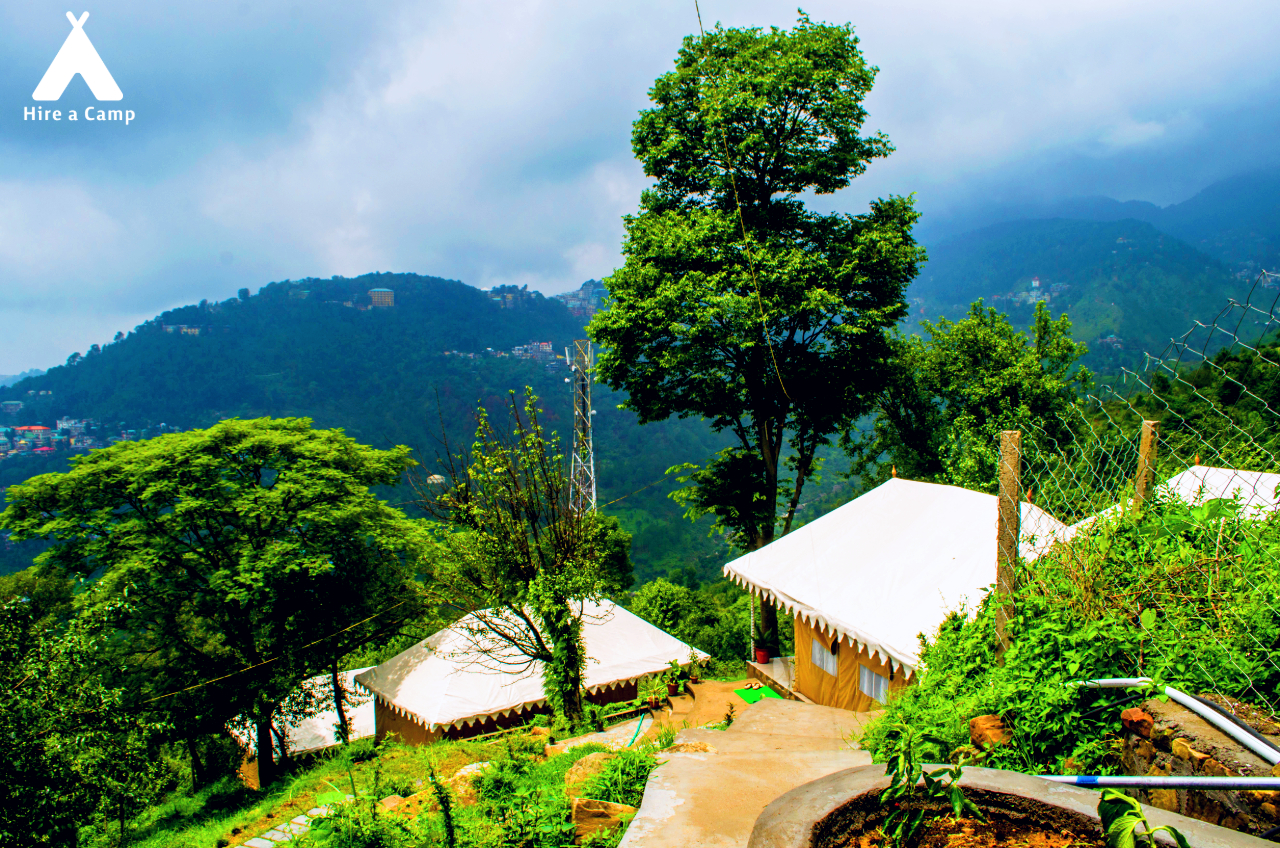
Whether you are looking for rustic homestays run by local families, scenic riverside campsites nestled in the valley, or quiet eco-cottages surrounded by pine trees, suitable accommodation can be found on HireACamp. Booking your stay nearby allows you to enjoy the calm village roads and visit the institute during the quietest parts of the day.
Frequently asked questions
What is Norbulingka Institute famous for?
Norbulingka Institute is celebrated for its preservation of traditional Tibetan arts, including thangka painting, woodcarving, metal statue making, and tailoring. Visitors can watch master artisans work, walk through tranquil Japanese-style gardens, and explore a grand temple and doll museum.
Where is Norbulingka Institute located?
The institute is located in Sidhpur, near Dharamshala and Yol Cantonment in the Kangra district of Himachal Pradesh.
Can visitors buy artwork made at Norbulingka Institute?
Yes, handcrafted items produced by the resident artisans, such as thangkas, hand-carved decor, metalwork, and tailored silk products, are often available for purchase on site.
How much time is needed to explore the institute?
Most travellers spend around two to three hours exploring the artisan workshops, temple grounds, gardens, and the doll museum at an unhurried pace.
Are workshops open to the public every day?
Workshops are generally visible during regular daytime visiting hours, though operational days and artisan schedules may shift around local holidays and cultural events, so checking locally before visiting is recommended.
Where you'll be
Norbulingka Institute Po, Nr Dharamsala, Sidhpur, Himachal Pradesh, Dharmsala Sub-District · 4 stays nearby shown with prices
Stays near Norbulingka Institute
Book a place to stay close by
More places near Norbulingka Institute
Within 20 km


Built from 0 Instagram posts by 0 creators. Every tip links back to the post it came from, and where creators disagree we show both sides.






