
Akshardham
Temple near Shakar Pur Baramad, Delhi
800 m from Shakar Pur Baramad
The nearest town, for stays, food and fuel.
Akshardham is a vast Hindu temple and cultural complex situated along the banks of the Yamuna River in East Delhi. Built from intricately carved Rajasthani pink sandstone and Italian Carrara marble, it showcases thousands of years of traditional Indian spirituality, art, and architectural heritage. Visitors come from across the world to admire its monumental mandir, expansive landscaped grounds, and heritage exhibitions.
Getting there
By road
- From Shakar Pur BaramadNearest town7 min · 1.7 km
- From New Delhi34 min · 13 km
- From Dehradun3 hr 5 min · 222 km
- From Jaipur4 hr 20 min · 298 km
Typical drive times without traffic. Stations and airports from OLA Maps; distances and typical drive times from OpenStreetMap (© OpenStreetMap contributors); notes from creators' Reels.
About Akshardham
Written with AI from map data and general knowledge. Check prices and timings locally before you go.
Architecture and heritage of Akshardham
The central mandir at Akshardham is built entirely according to ancient Indian architectural treatises such as the Vastu Shastra and Pancharatra Shastra. Constructed without the use of structural steel or concrete framing, the entire edifice relies on precision-carved sandstone and marble interlocking blocks. The exterior glows in warm pink sandstone sourced from Rajasthan, while the inner sanctum is sculpted from pure white Carrara marble.
Every square inch of the temple tells a story through stone. Surrounding the base of the monument is the Gajendra Pith, a plinth of sculpted elephants paying tribute to the role of animals in Indian spiritual lore and regional folklore. Above it rise tiers of ornately carved pillars, domed ceilings, and detailed statues depicting celestial beings, sages, and episodes from sacred texts. The craftsmanship reflects decades of master artisan labor and celebrates the timeless visual vocabulary of classical Indian temple builders.
What to see inside the complex
The temple complex covers a massive expanse of land, offering far more to explore than the central sanctum alone. Surrounding the sanctum are wide stone courtyards that open out toward verdant gardens designed to evoke serenity amidst the bustling city. The Bharat Upavan features extensive lawns dotted with bronze sculptures of historical figures, freedom fighters, and cultural luminaries who shaped India over the centuries.
Another distinctive feature of the complex is the Yogi Hridaya Kamal, an expansive garden shaped like a sunken eight-petaled lotus, carrying inspirational quotes from world traditions inscribed on its stone petals. In the evening, the complex hosts a multimedia water show in a stepped stone amphitheatre, using fountains, light projections, and music to narrate ancient philosophical parables. Cultural halls within the grounds also offer immersive walkthroughs depicting early scientific advancements, ethical stories, and traditional crafts.
Read more
Best time to visit Akshardham
Delhi experiences distinct seasonal shifts, and the best time to explore the expansive outdoor courtyards and open-air plazas of Akshardham is during the cooler months between October and March. During this period, daytime temperatures remain moderate and comfortable, allowing visitors to spend several hours walking the grounds without discomfort. Clear autumn and winter afternoons also provide the best natural light for appreciating the minute detailing on the sandstone walls.
Summer in Delhi, from April through June, brings intense heat and dry winds, making outdoor exploration during the afternoon challenging. If you visit in the summer months, plan to arrive in the late afternoon so that you can see the central mandir before sunset and enjoy the open grounds and evening illuminations when temperatures drop. The monsoon season from July to September brings frequent rain and high humidity, which lends lush greenery to the gardens but may occasionally disrupt outdoor strolls.
How to reach Akshardham
Akshardham is located along the eastern corridor of the Yamuna River and is directly connected to Delhi's comprehensive public transport network. The most convenient way to reach the complex is via the Delhi Metro. The Akshardham Metro Station on the Blue Line drops passengers within a short walk of the temple entry gate. Footbridges and designated walkways link the station directly to the surrounding perimeter road.
If travelling by road, the temple is easily accessible via the Delhi-Meerut Expressway and the Ring Road network. Auto-rickshaws, app-based cabs, and local buses operate frequently between the complex and central hubs like Connaught Place, New Delhi Railway Station, and Hazrat Nizamuddin. Travellers arriving by car will find large on-site parking facilities near the visitor entry gates, though weekends often see heavy vehicular movement along the approach routes.
Tips for your visit
Security regulations at Akshardham are rigorous, and visitors must pass through multiple screening checkpoints before stepping onto the temple grounds. Electronic devices including mobile phones, cameras, smartwatches, USB drives, and power banks are not permitted past security. A free cloakroom service operates outside the entrance gates, but queue lines can grow long on busy days; leaving non-essential electronics in your vehicle or accommodation will save substantial time.
Visitors are also required to dress conservatively in keeping with the spiritual sanctity of the temple. Sleeveless tops, shorts, and short skirts are generally restricted, and wraps are provided at the entrance if required. Because you will need to remove your footwear to enter the inner sanctum, wearing comfortable shoes that are easy to slip off is recommended. Given the size of the complex, allow at least three to four hours to explore the central temple, gardens, and exhibits without rushing.
Places to visit nearby
Because of its central riverfront position, Akshardham sits close to many of Delhi's most significant cultural and historic landmarks. Just three kilometers across the river lies Baansera Park, a landscaped riverside bamboo garden ideal for an unhurried morning walk. Nearby are the UNESCO-listed Humayun's Tomb and the restored Mughal-era gardens of Sunder Nursery, both offering exquisite historical architecture and wide, tranquil lawns within four kilometers of the temple.
For those interested in exploring further into central and Old Delhi, Raj Ghat Memorial is situated around four kilometers up the riverbank. Continuing westward, iconic city landmarks such as the circular colonial avenues of Connaught Place, the historic stepwell Agrasen ki Baoli, the Red Fort, and Jama Masjid are all within a six-kilometer radius. Combining a visit to the temple with these nearby historical monuments provides a rich day-long exploration of Delhi's architectural timeline.
Where to stay near Akshardham
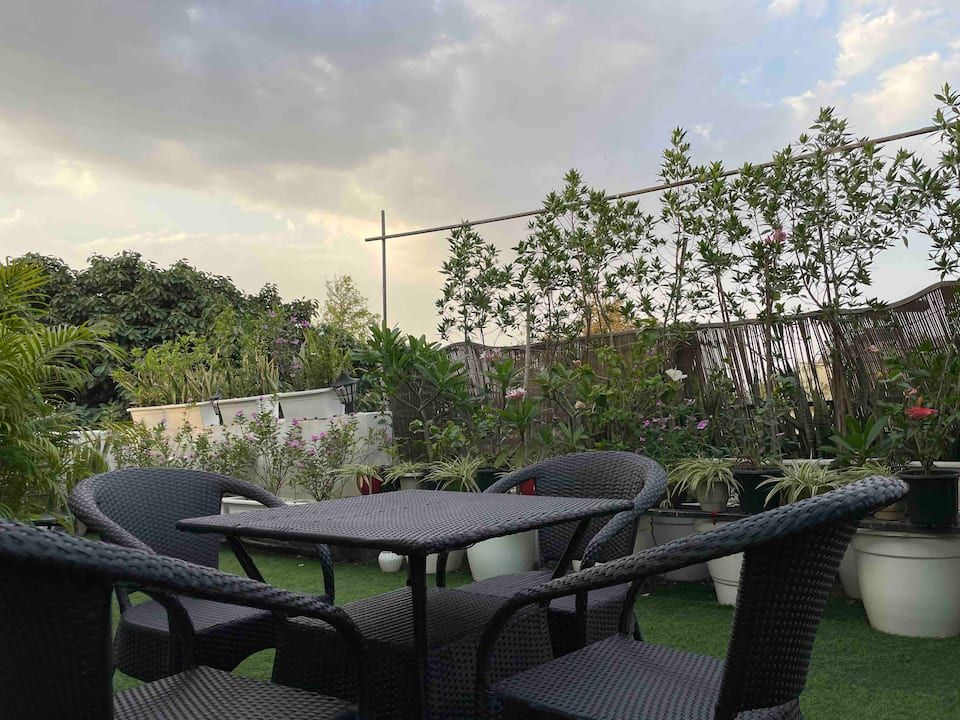
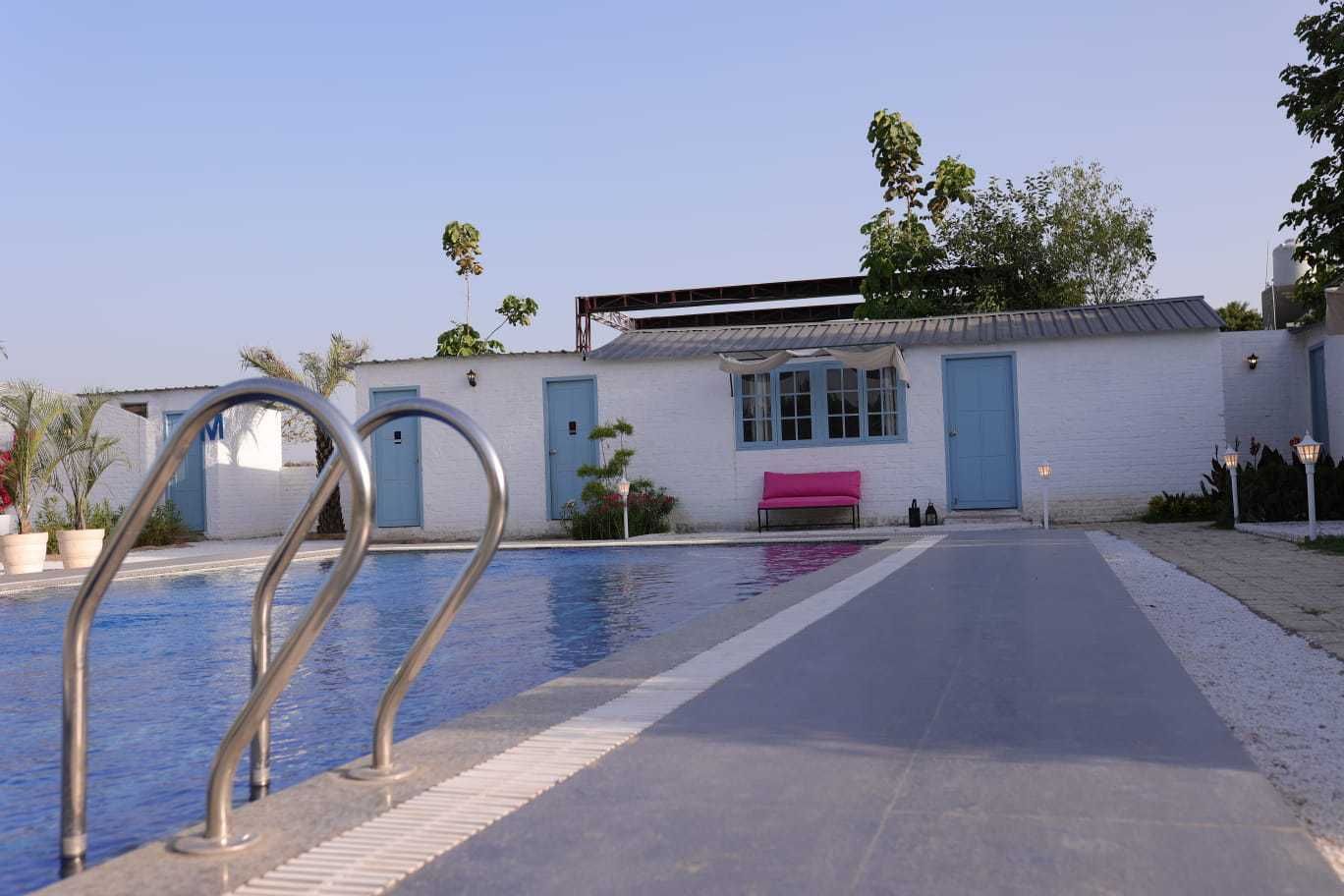
Delhi offers an extensive range of accommodations across its central and eastern districts, with convenient connectivity to the riverfront area. Travellers who prefer peaceful environments away from dense urban avenues can look toward the green outskirts of the National Capital Region or along the river corridor. You can find well-curated homestays, private guesthouses, and scenic retreats in and around Delhi on HireACamp, giving you a relaxing home base for exploring the city's landmarks.
Frequently asked questions
Are mobile phones and cameras allowed inside Akshardham?
No, mobile phones, cameras, smartwatches, and all other electronic devices are strictly prohibited inside the complex. Free cloakrooms are available near the entrance to deposit your belongings.
What is the dress code for visiting Akshardham?
Visitors must dress modestly, ensuring shoulders, upper arms, and knees are covered. The complex provides wraps at the security gate for those whose attire does not meet the temple guidelines.
How do I reach Akshardham using the Delhi Metro?
You can take the Blue Line of the Delhi Metro and get off directly at Akshardham Metro Station, which sits just a short walk from the temple complex.
How much time should I plan for a visit to Akshardham?
Most visitors spend between three to five hours exploring the main mandir, walking through the gardens, and experiencing the evening water show and cultural exhibits.
Where you'll be
Uttar Pradesh · 2 stays nearby shown with prices
Stays near Akshardham
Book a place to stay close by
More places near Akshardham
Within 20 km


Lists for this area
Ranked by how many creators recommend each place


Built from 0 Instagram posts by 0 creators. Every tip links back to the post it came from, and where creators disagree we show both sides.






