
Jageshwar Dham
Destination in Uttarakhand
Jageshwar Dham is a sacred temple town nestled in the Kumaon hills of Uttarakhand, celebrated for its complex of more than a hundred ancient stone shrines dedicated to Lord Shiva. Set within a deep valley of towering deodar trees along the banks of the Jataganga stream, it attracts pilgrims, architecture lovers, and travelers seeking mountain stillness. Its centuries-old stonework and forested setting make it one of the most culturally significant heritage sites in northern India.
Getting there
By road
- From Dehradun8 hr 20 min · 413 km
- From New Delhi8 hr 30 min · 387 km
- From Lucknow9 hr 35 min · 526 km
- From Chandigarh11 hr 55 min · 583 km
Typical drive times without traffic. Stations and airports from OLA Maps; distances and typical drive times from OpenStreetMap (© OpenStreetMap contributors); notes from creators' Reels.
About Jageshwar Dham
Written with AI from map data and general knowledge. Check prices and timings locally before you go.
The heritage and history of Jageshwar Dham
Hidden inside a narrow, peaceful valley in the Almora district, Jageshwar Dham is home to one of the largest surviving clusters of early medieval stone temples in northern India. Over one hundred and twenty shrines, ranging from colossal spires to modest wayside altars, stand clustered closely together along the Jataganga riverbed. The oldest of these monuments date back to the seventh century, constructed and patronized under the rule of the Katyuri and later Chand kings of Kumaon.
The complex holds profound religious importance across several traditions of Shaivism and is often identified in regional legends as one of the traditional Jyotirlinga sites. Beyond its spiritual gravity, Jageshwar is a masterwork of classical Nagara architecture. The shrines feature stone curvilinear towers, decorative ribbed discs known as amalakas, and carved doorways adorned with depictions of river goddesses, celestial attendants, and Shaivite iconography.
Things to do at Jageshwar Dham
The heart of any visit is taking time to explore the central temple enclosure on foot. The Maha Mrityunjaya Temple is the oldest and among the most revered shrines in the complex, known for its unique lingam with an eye-shaped opening. Nearby stands the grand Jageshwar Mahadev Temple, where local rituals and traditional prayers take place daily. Taking an unhurried walk through the complex allows you to study how stone carving traditions and shrine shapes evolved across several centuries.
Just outside the temple gates, the Archaeological Survey of India manages a dedicated museum that is well worth visiting. The museum displays excavated sculptures, decorative lintels, and ancient inscriptions salvaged from Jageshwar and neighboring hillsides, giving valuable context to the site's artistic legacy.
Apart from temple visits, the natural setting invites long, quiet walks beneath the canopy of Himalayan deodars. The trees in this valley are centuries old, growing tall and straight against the mountain slopes. Footpaths branch away from the river toward hillside hamlets and terraced fields, making it easy to spend hours enjoying the scent of pine needles, the sound of the stream, and the cool mountain air.
Read more
Places to visit around Jageshwar Dham
The ridges and valleys surrounding Jageshwar Dham offer several memorable short excursions. A few kilometers uphill lies Vriddha Jageshwar, an older temple site perched along a high ridge. The journey up, whether taken by car along winding mountain switchbacks or on foot through forested trails, rewards travelers with expansive panoramic views of the high Himalayan peaks, including Nanda Devi and Trishul on crisp mornings.
A short distance down the valley from the main cluster stands the Dandeshwar Temple complex. Featuring the tallest stone spire in the valley, Dandeshwar is typically quieter than the central complex. It sits serenely next to the river, surrounded by pine-covered hillsides, offering a wonderful spot for quiet contemplation.
Travelers with extra time can easily use Jageshwar as a base to explore more of Kumaon. The historic cultural hub of Almora, known for its traditional bazaars and hilltop viewpoints, is accessible for day trips. Further north, the Binsar Wildlife Sanctuary provides dense oak and rhododendron woodlands, peaceful birdwatching trails, and sweeping vantage points overlooking the central Himalayan range.
Best time to visit Jageshwar Dham
Jageshwar Dham welcomes travelers through most of the year, with each season offering a distinctly different atmosphere. The spring and summer months, from April to June, are widely considered the most comfortable time to visit. While the plains below experience intense heat, the high-altitude valley remains cool and pleasant, making full days of temple visits and forest hikes exceptionally enjoyable.
The monsoon arrives between July and September, turning the entire valley emerald green. Rain brings low-hanging clouds that drift through the deodar canopy, lending the stone temples an atmospheric, mystical quality. The sacred month of Shravan falls during this period, bringing many pilgrims to the complex. However, mountain roads can become tricky during heavy downpours, so travelers visiting during the monsoon should check local weather updates and drive with caution.
Autumn, from October to November, brings crisp weather, crystal-clear skies, and brilliant mountain vistas. Winter sets in from December to February, with temperatures dropping near or below freezing during the nights. The valley occasionally receives winter snowfall, draping the ancient stone spires in white. While chilly, winter is ideal for visitors looking for solitude, dramatic winter skies, and quiet village life.
How to reach Jageshwar Dham
Jageshwar Dham is well connected by road through the Kumaon region. The nearest railhead is at Kathgodam, located at the base of the hills. From Kathgodam, you can hire a private taxi or take a shared cab or state bus up through Bhimtal, Bhowali, and Almora before descending into the Jageshwar valley. The road journey takes you through scenic pine forests, terraced mountain slopes, and lively market towns.
For air travel, the nearest domestic airport is at Pantnagar. From the airport, regular taxi services operate into the hills, connecting onward to Jageshwar via Haldwani and Almora. Frequent overnight buses and trains connect major North Indian cities like Delhi directly to Kathgodam and Almora, making public transit a reliable and accessible option.
Driving to Jageshwar Dham is straightforward for those comfortable with mountain terrain. The roads leading to the valley are generally well maintained, though narrow in places. It is advisable to complete the mountain stretch during daylight hours to safely navigate turns and enjoy the landscape along the way.
Where to stay and tips for your visit
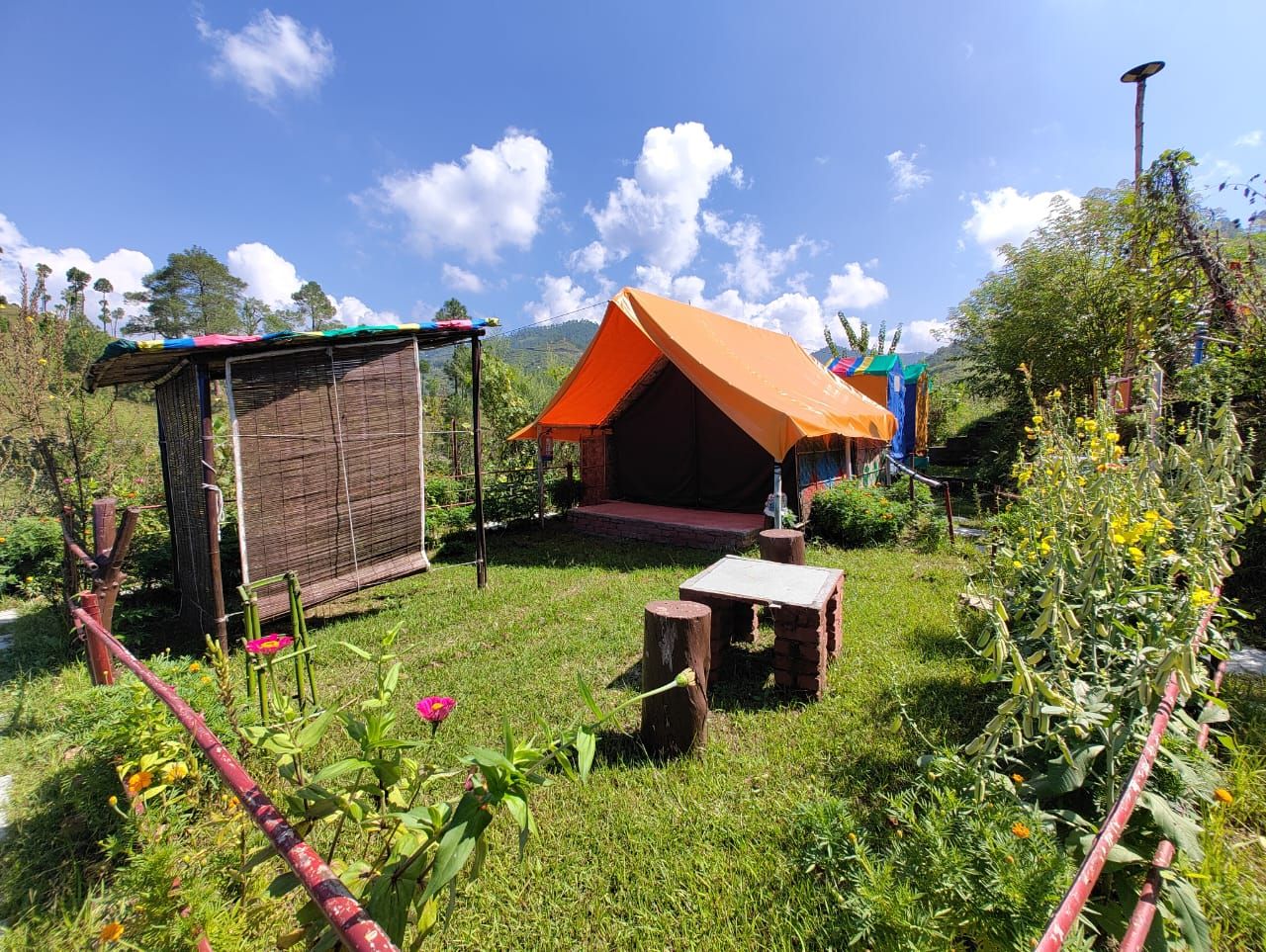
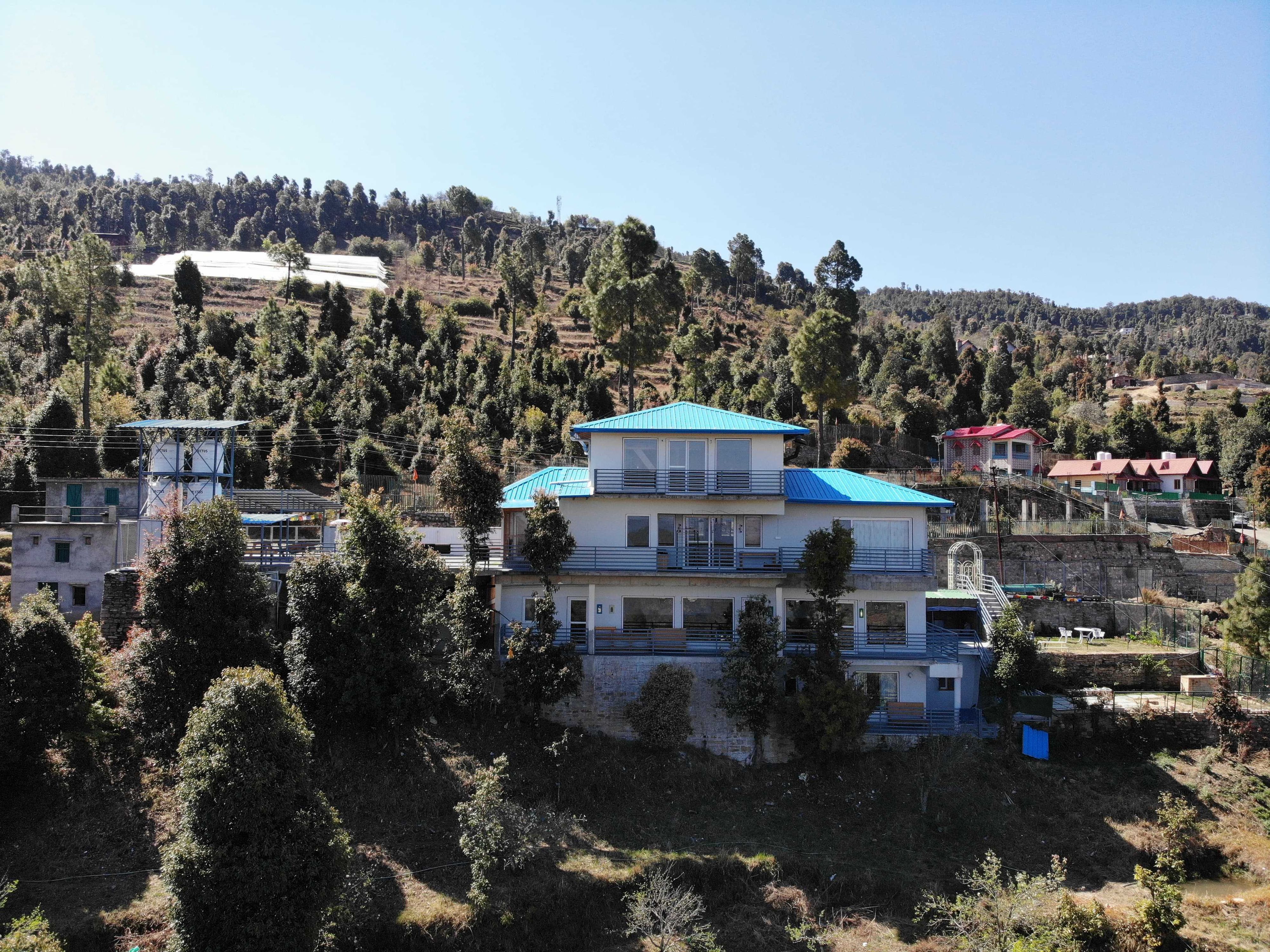
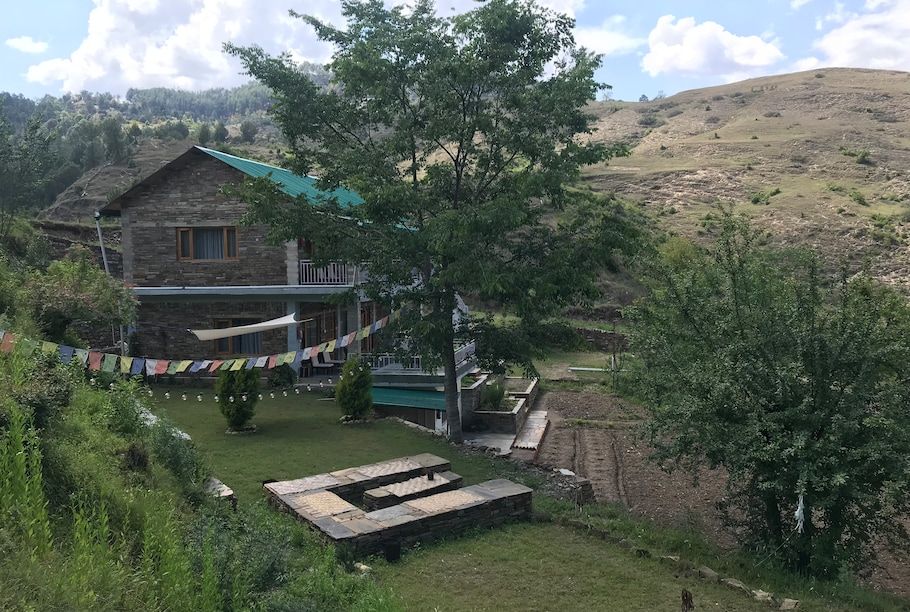
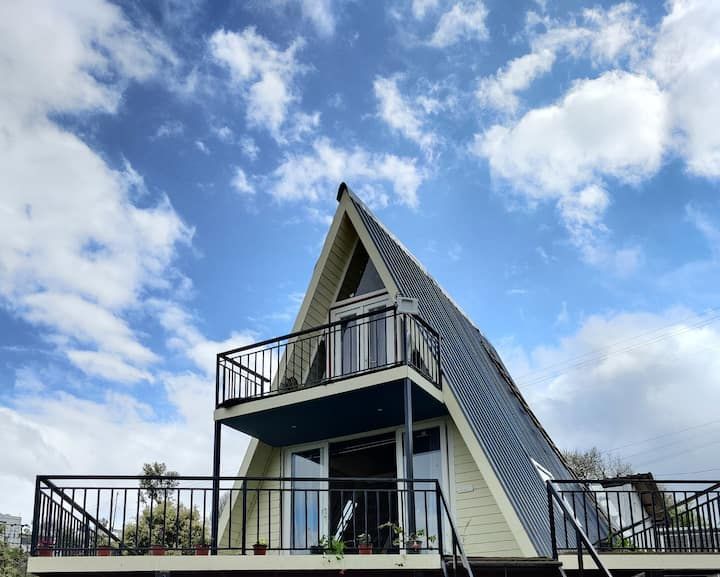
Accommodations around Jageshwar Dham are peaceful and rooted in the local environment. Rather than large commercial hotels, you will find comfortable mountain homestays, nature retreats, and riverside campsites tucked into neighboring clearings and apple orchards. A variety of camps and authentic homestays in and around Jageshwar can be discovered on HireACamp, offering a genuine taste of Kumaoni hospitality and direct access to forest trails.
When preparing for your trip, keep in mind that Jageshwar is an active place of pilgrimage. Dress modestly when visiting the sanctums, and be prepared to remove your shoes before stepping onto the stone platforms. Even in summer, evenings in the valley can be chilly due to the elevation and thick forest cover, so carrying a warm fleece or light jacket is sensible. In winter, heavy woolens, insulated jackets, and thermal wear are essential.
Frequently asked questions
Why is Jageshwar Dham famous?
Jageshwar Dham is famous for its cluster of more than a hundred ancient stone temples dedicated to Lord Shiva, constructed between the seventh and fourteenth centuries. It is also revered as a historic Jyotirlinga site set within a dense forest of towering deodars.
What is the best way to reach Jageshwar Dham?
The most convenient route is to take a train or bus to Kathgodam, and then travel by road via Almora directly to Jageshwar Dham using taxis or shared public transport.
Can I visit Jageshwar Dham during the winter?
Yes, Jageshwar Dham remains accessible in the winter, offering clear mountain skies and occasional snowfall. Nights can be very cold, so you should pack heavy winter clothing and thermals.
How much time is needed to explore Jageshwar Dham?
A full day is sufficient to explore the main temple complex, the archaeological museum, and nearby shrines like Dandeshwar. If you plan to hike to Vriddha Jageshwar and explore surrounding forests, staying two to three days is recommended.
Are there places to stay near Jageshwar Dham?
Yes, the surrounding valley and nearby villages offer rustic homestays, nature lodges, and riverside campsites, which can be booked through HireACamp.
Where you'll be
4 stays nearby shown with prices
Stays near Jageshwar Dham
Book a place to stay close by
Things to do in Jageshwar Dham
48 places creators recommend within 30 km
Built from 0 Instagram posts by 0 creators. Every tip links back to the post it came from, and where creators disagree we show both sides.






