
Aru
Destination in Ladakh
Aru is a scenic highland hamlet nestled amidst rolling alpine meadows, conifer forests, and snow-capped Himalayan peaks. Known as a tranquil base for high-altitude treks and leisurely nature walks, it offers visitors a peaceful retreat away from crowded tourist centers. Travellers come here to experience unspoilt mountain pastures, traditional pastoral life, and walking trails leading deep into the surrounding wilderness.
Getting there
About Aru
Written with AI from map data and general knowledge. Check prices and timings locally before you go.
About Aru and its landscape
Aru sits in an open mountain bowl where vast emerald grasslands meet dense evergreen forests of pine and cedar. Glacial streams flow down from the upper valleys, meandering across the valley floor where sheep and horses graze peacefully throughout the warmer months. Unlike busier regional hubs, Aru maintains a relaxed rural tempo, with traditional wooden houses scattered along the gentle hillside slopes and small terrace farms carved into the valley edges.
The surrounding geography is dominated by craggy ridgelines and towering peaks that change appearance with every season. In the summer months, wildflowers carpet the open ground, while the higher elevations reveal stark glacial moraines and rocky outcrops. The clean mountain air, coupled with the continuous sound of running water and wind through the trees, gives Aru its calm and restorative atmosphere.
Things to do in Aru
Spending time in Aru revolves around walking and immersing oneself in the outdoors. Gentle trails fan out from the village across the meadows, allowing visitors to walk alongside the gushing streams or wander into quiet cedar and pine woods. Leisurely strolls toward the upper pasturelands offer panoramic vantage points overlooking the entire valley, making it ideal for casual walking and photography.
Riding local mountain ponies is another traditional and popular way to explore the outlying grasslands without strenuous physical effort. Visiting the local pastoral settlements during the summer grazing season offers a window into high-altitude mountain traditions. For those seeking quiet downtime, finding a scenic spot beside the river with a book or watching the evening light fade behind the crests makes for a grounding experience.
Read more
Trekking routes starting from Aru
Aru serves as a renowned starting point for some of the northern subcontinent's most celebrated trekking trails. The route to the Kolahoi Glacier winds up from Aru through pine forests, river crossings, and lush alpine camps before reaching the foot of the glacier beneath the commanding peak of Mount Kolahoi. It is a classic multi-day route that attracts serious hikers looking for raw alpine topography.
The village is also the primary starting point for the trek toward the high-altitude twin lakes of Tarsar and Marsar. This trail crosses sweeping mountain passes to reach pristine glacial water bodies tucked beneath sheer granite cliffs. Hikers planning these journeys should ensure they are well acclimatised, travel with knowledgeable local mountain guides, and check required permits locally before venturing into the backcountry.
Places to visit nearby
The broader area surrounding Aru is rich in natural landmarks and cultural heritage sites. A short drive away lies Betaab Valley, known for its sweeping open lawns and dramatic rocky slopes framing the rushing river. Adventurous day hikers can tackle the steep trail leading up to Tulian Lake, a high-altitude alpine lake set in a dramatic cirque surrounded by jagged peaks that often hold snow well into summer.
Further down the valley system, travellers can discover significant historical monuments. The carved stone ruins of the Avantiswami Temple and Avantisvara Temple stand as historic reminders of ancient regional architecture along the highway corridor. Natural freshwater springs such as Aripal Springs and secluded mountain lakes like Sorus Nag also reward those who take the time to explore the broader surrounding countryside.
Best time to visit Aru
The climate in Aru is shaped by its elevation, resulting in crisp summers and cold, snowbound winters. The most comfortable period for general sightseeing and hiking runs from May through September. During these summer months, daytime temperatures remain pleasant, trails are free of heavy snow, and the meadows turn rich green with abundant seasonal flora.
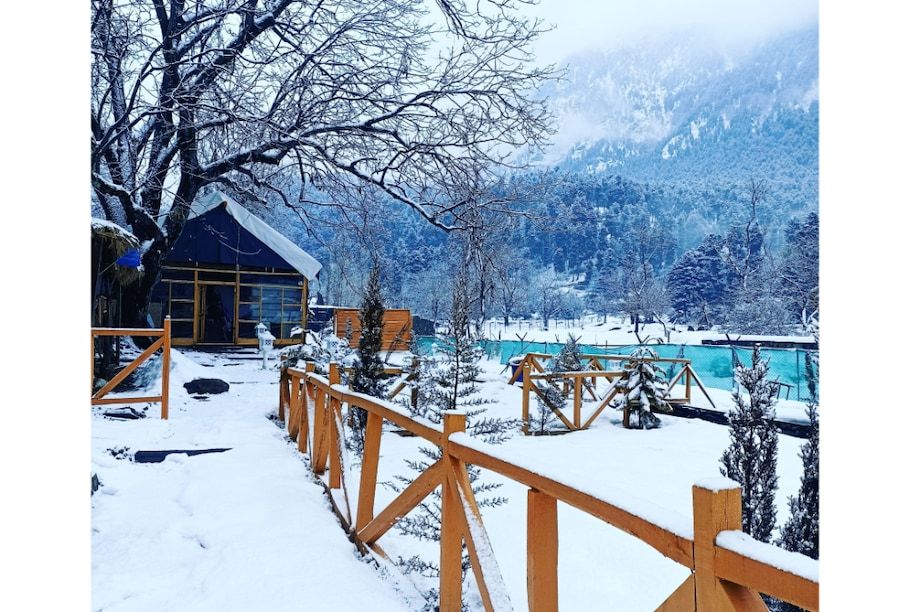
Autumn, particularly October, brings dry clear skies, crisp mountain air, and a transformation of local foliage into shades of gold and bronze. By late November, winter begins to set in, blanketing Aru in thick layers of snow. While travel during peak winter can be cold and subject to icy roads, it draws visitors keen on quiet snowy landscapes and winter photography.
How to reach Aru
Reaching Aru involves travelling through the central valley network towards Pahalgam, which serves as the nearest primary transit town. The closest airport and major railway connections are located in Srinagar and Jammu. From Srinagar, travellers can hire a private taxi or take shared transport along the highway through Anantnag and on toward Pahalgam, passing river valleys and orchards.
From Pahalgam, a scenic, winding mountain road heads uphill for approximately twelve kilometres to terminate at Aru village. This final stretch hugs the hillside alongside the river and is generally traversed by local taxis or shared vehicles. Road conditions can vary with seasonal rainfall and winter snow, so it is best to check regional road updates locally before setting out.
Where to stay in Aru
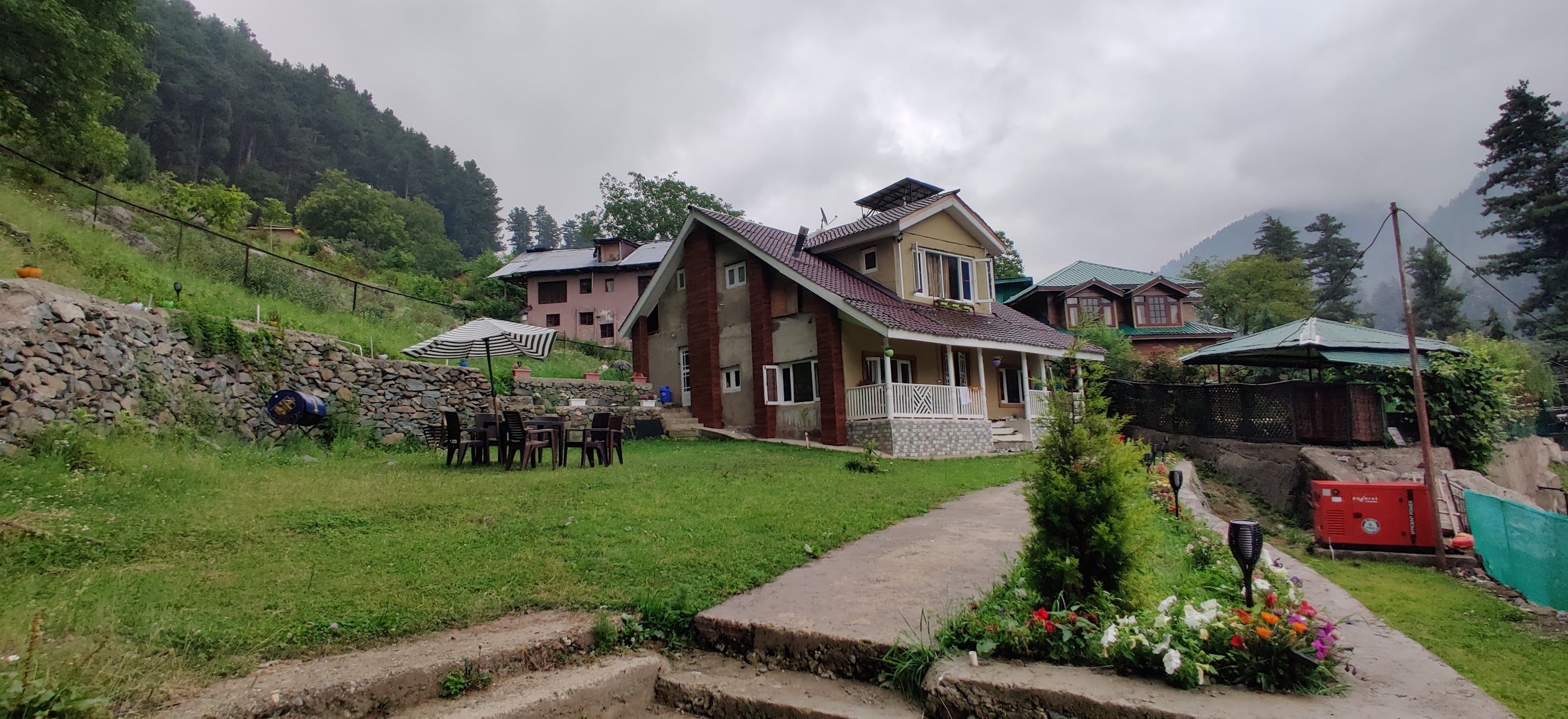
Accommodation in Aru prioritises authentic mountain living and close proximity to nature over modern commercial development. Visitors can choose from family-run wooden homestays, simple guesthouses, and designated camping grounds set at the edge of the pastures. Staying within the village provides warm hospitality and hearty home-cooked regional meals.
Camping out under the stars along the meadow fringes is particularly rewarding during the warmer summer months. Travellers planning their itinerary can browse curated camping grounds, cosy homestays, and rustic nature retreats in and around Aru directly on HireACamp.
Frequently asked questions
Is Aru suitable for a day trip or an overnight stay?
While Aru can be visited as a day excursion from nearby Pahalgam, staying overnight allows you to experience the peaceful morning mist, empty meadows, and clear skies once day visitors leave.
Do I need permits for trekking around Aru?
Short day walks around the village meadows do not require permits, but multi-day expeditions toward high-altitude lakes and the Kolahoi Glacier often require local registration and permissions, which should be verified locally.
Can I visit Aru in the winter?
Yes, Aru is accessible in winter when it transforms into a snow-covered landscape, though road access from Pahalgam depends on snowfall clearance, so checking road status beforehand is advisable.
What should I pack for a trip to Aru?
Even during summer, mornings and evenings can get chilly, so pack light woollens, a windproof jacket, and sturdy walking shoes. In late autumn and winter, heavy woollen clothing, thermal layers, and waterproof boots are essential.
Where you'll be
2 stays nearby shown with prices
Stays near Aru
Book a place to stay close by
Things to do in Aru
48 places creators recommend within 30 km
Built from 0 Instagram posts by 0 creators. Every tip links back to the post it came from, and where creators disagree we show both sides.






