
Lidder River
Riverside spot near Aru, Ladakh
8.7 km from Aru
The nearest town, for stays, food and fuel.
The Lidder River is a glacial stream that winds through steep alpine valleys, dense pine forests, and high mountain meadows. Fed by melting glaciers and pristine high-altitude lakes, it forms the lifeblood of the surrounding mountain region and serves as a natural gathering place for outdoor enthusiasts. Travellers visit the riverbanks to unwind by the rushing waters, hike into the surrounding wilderness, and experience the crisp mountain air of the northern Himalayas.
Getting there
By road
- From AruNearest town6 min · 900 m
Typical drive times without traffic. Stations and airports from OLA Maps; distances and typical drive times from OpenStreetMap (© OpenStreetMap contributors); notes from creators' Reels.
About Lidder River
Written with AI from map data and general knowledge. Check prices and timings locally before you go.
About the Lidder River
The Lidder River originates high in the glacial fields of the inner Himalayan ranges, carving deep ravines and wide gravel banks as it descends. The water is famously clear, icy cold, and lively, crashing over smooth boulders and sustaining rich pockets of pine, fir, and deodar trees along its banks. In the broader valley, the river nourishes surrounding pastoral hamlets, green pastures, and seasonal wildflowers.
Throughout the valley, the river serves as both an aesthetic focal point and a hub for regional outdoor recreation. The sound of water crashing against granite stones fills the air, creating a serene environment that draws people seeking respite from urban noise. From its upper reaches near snowfields down to wider valley basins, the riverbanks offer varying scenery ranging from rugged cliff edges to soft grassy shores.
Things to do along the Lidder River
Spending time along the river offers plenty of opportunities for slow travel and active exploration alike. Walking along the rocky riverbanks is among the most popular pastimes, where visitors can find quiet corners to sit, read, sketch, or simply watch the clear alpine water rush past. Many travellers bring a thermos of hot tea and spend tranquil mornings absorbing the mountain views as mist lifts off the river surface.
For more adventurous travellers, the paths branching outward from the water lead into dense conifer forests and up toward high-altitude ridgelines. Angling is a traditional pursuit along deeper pools of the stream, though visitors should always consult local guidelines regarding fishing permits and conservation regulations. Photography is exceptionally rewarding along the water, especially during early morning and late afternoon when mountain shadows and low sunlight illuminate the churning spray.
Read more
Best time to visit the Lidder River
The appearance and atmosphere of the river change drastically across the seasons, making timing an essential consideration for your journey. Summer, lasting from May through August, is generally the most pleasant time to visit. During these months, the daytime temperatures are mild, alpine meadows along the water burst into bloom, and the river flows with full vigour as winter snowpacks melt in the higher peaks.
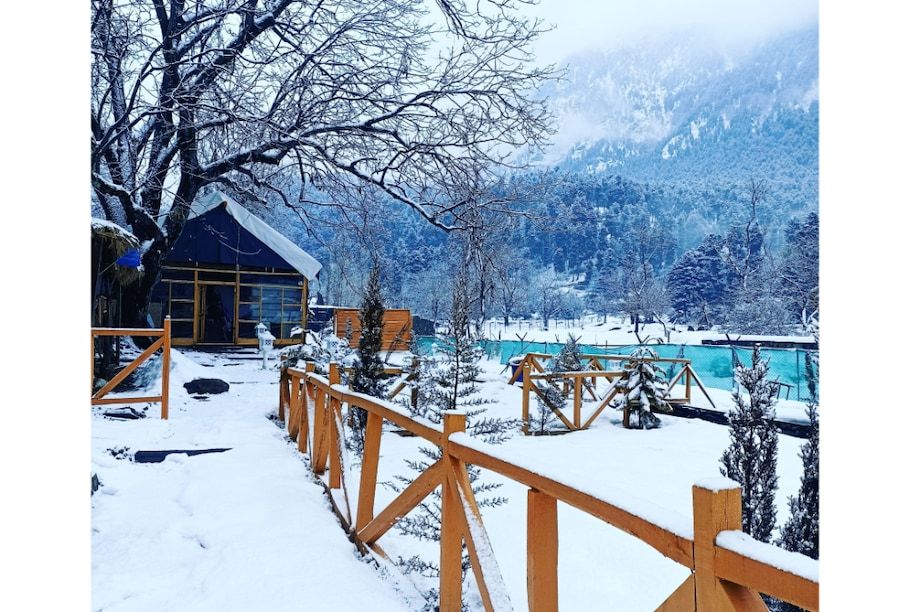
Autumn arrives in September and October, bringing crisp air, clear skies, and a golden shift in the riverside foliage. The water flow eases and turns a deep, brilliant turquoise blue, making this window ideal for landscape photography and quiet day walks. Winter, from November through March, brings heavy snowfall and sub-zero temperatures. Portions of the riverbanks can freeze over, transforming the surrounding pine forests into a stark, silent winter wonderland, though travel logistics and road conditions become significantly more challenging.
How to reach the Lidder River
Reaching the river valley involves travelling into the high northern mountain belt via road links that connect major transport hubs with Himalayan valleys. Travellers typically fly into the nearest regional airport or arrive by train at the closest major railhead in the lowlands before hiring private taxis or boarding shared transport heading into the mountains.
The roads navigating toward the river pass through dramatic changes in terrain, transitioning from open highway corridors into winding mountain passes flanked by sheer rock faces and deep ravines. Because mountain roads are subject to weather variations, seasonal landslides, and snow blockages, it is wise to verify road conditions prior to setting out, particularly during the shoulder months and winter.
Places to explore nearby
The river valley serves as a gateway to several prominent Himalayan trekking routes, pristine glacial lakes, and historical sites. High above the river corridor lie alpine water bodies such as Tarsar Lake, Doda Sar, Muhwar Sar, and Chhumanai Sar, which are celebrated destinations for multi-day wilderness treks across boulder-strewn meadows and lofty mountain passes.
Down in the valley basin and along nearby slopes, travellers can explore trails leading toward Chandanwari and popular meadows often referred to as Mini Switzerland. For those interested in cultural heritage, the ancient stone architecture of Mamleshwar Temple sits within the broader vicinity, while trails further east lead toward the famed Shri Amarnath Cave Temple high in the craggy mountains. Exploring these nearby landmarks allows visitors to combine wilderness adventures with a deeper appreciation of the region's spiritual and natural heritage.
Tips for visiting the river
The waters of the Lidder River are fed directly by melting snow and ice, meaning they are extremely cold year-round. Even during warm summer afternoons, currents can be surprisingly strong and undertows treacherous; wading should be approached with extreme caution, and deep swimming is generally not advisable.
Weather conditions in the mountains can shift rapidly without warning. It is always wise to pack warm layers, a reliable windproof or waterproof outer jacket, and sturdy trekking shoes with good grip for navigating slick, rocky banks. Given the fragile nature of alpine riparian habitats, travellers must pack out all waste, avoid leaving plastics or food containers near the water, and refrain from polluting the pristine stream.
Where to stay near the Lidder River
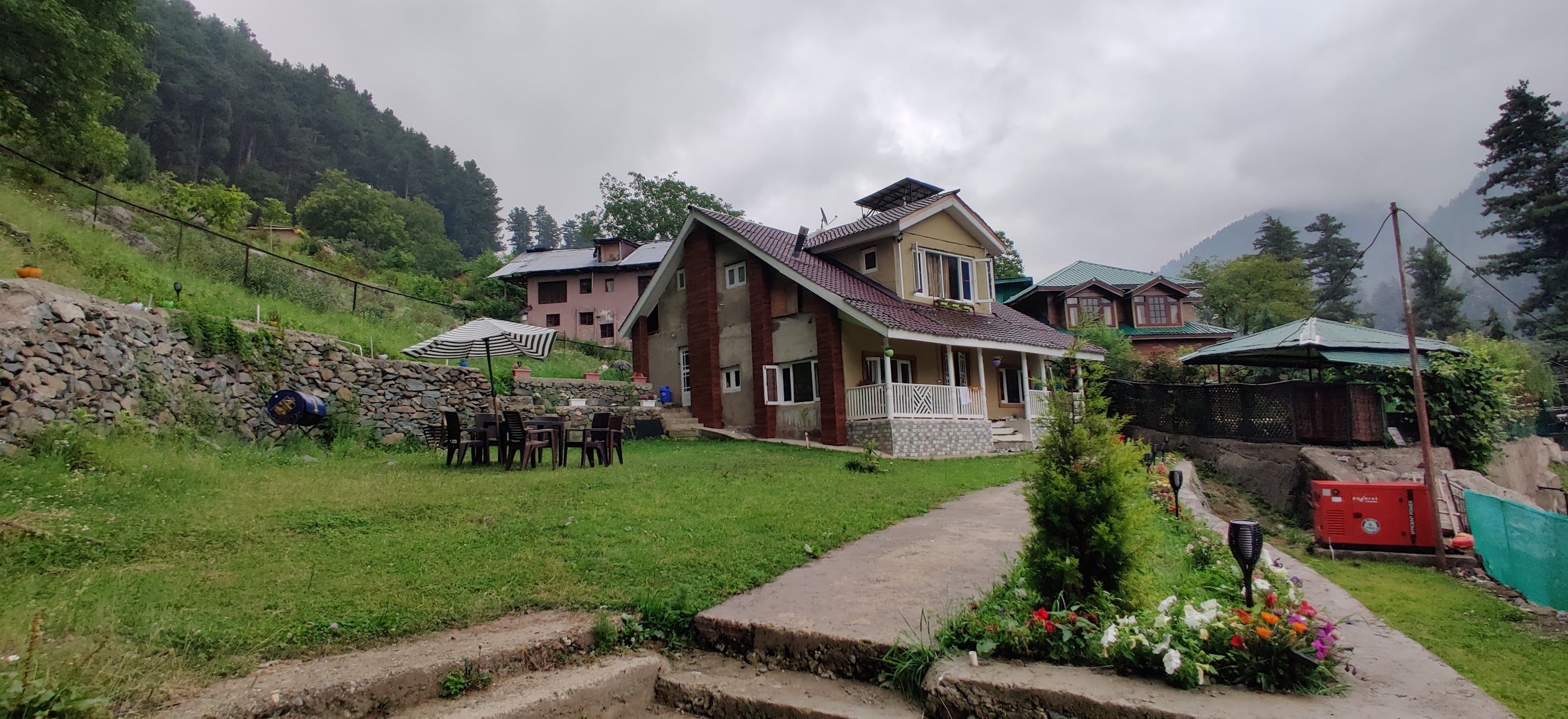
Staying near the river allows you to fall asleep and wake up to the rhythmic roar of glacial water. The valleys flanking the river host a range of accommodation styles suitable for diverse travel preferences, from riverside campsites set beneath tall conifers to traditional village homestays and modest guesthouses.
If you prefer falling asleep under the stars with the river flowing nearby, or staying with local families in quiet hamlets away from busy town roads, you can explore verified outdoor camps, homestays, and rustic getaways on HireACamp. Booking in advance is recommended during peak summer months when mountain travel is at its height.
Frequently asked questions
Is it safe to swim in the Lidder River?
Swimming is generally unsafe because the water is fed by glacial melt, making it dangerously cold, while currents and hidden rocks can be very hazardous. Dipping your feet in calm, shallow eddies is the safest way to enjoy the water.
What is the best season to explore the riverbanks?
The period from May to October is ideal, offering comfortable daytime temperatures, blooming meadows in summer, and crisp golden foliage in early autumn.
Are there trekking routes starting near the river?
Yes, several celebrated treks begin or pass through the upper valley, including routes to Chandanwari, alpine lakes like Tarsar Lake and Doda Sar, and trails into the high mountain wilderness.
What should I pack for a day trip to the Lidder River?
Pack sturdy walking shoes with reliable traction for wet rocks, warm layers even in summer, sun protection, a rain shell, and reusable bottles to carry all your personal waste back with you.
Where can I book accommodation near the river?
You can find and book riverside campsites, nature stays, and local homestays in the area through HireACamp.
Where you'll be
2 stays nearby shown with prices
Stays near Lidder River
Book a place to stay close by
More places near Lidder River
Within 20 km
Built from 0 Instagram posts by 0 creators. Every tip links back to the post it came from, and where creators disagree we show both sides.






