
Chhumanai Sar
Lake near Narastan, Jammu and Kashmir
7 km from Narastan
The nearest town, for stays, food and fuel.
Chhumanai Sar is a high-altitude alpine lake set amidst the rugged ridgelines and meadows of Jammu and Kashmir. Situated in the higher reaches beyond the Tral and Dachigam wilderness areas, it attracts trekkers and mountain enthusiasts seeking pristine Himalayan landscapes. Visitors venture here to experience undisturbed glacial waters, panoramic mountain viewpoints, and untamed alpine wilderness.
Getting there
About Chhumanai Sar
Written with AI from map data and general knowledge. Check prices and timings locally before you go.
About Chhumanai Sar
Chhumanai Sar is an alpine glacial lake perched high in the mountains of Jammu and Kashmir. Like many of the alpine tarns scattered across the Great Himalayan ranges, the lake is fed by melting winter snowfields and glaciers that mantle the surrounding peaks. In local Kashmiri parlance, the suffix 'sar' denotes a body of water or lake, highlighting its role in the pastoral and geographic lore of the region.
The lake remains undisturbed due to its remote setting away from motorized roads. Surrounded by talus fields, rocky crags, and patches of alpine turf, Chhumanai Sar mirrors the shifting colours of the mountain sky, varying from deep cerulean to turquoise green depending on the angle of sunlight and seasonal meltwater inflow.
The Landscape and Natural Surroundings
The terrain enveloping Chhumanai Sar showcases classic western Himalayan alpine topography. As elevation rises above the dense stands of birch, pine, and fir found in the lower valleys of the Dachigam and Tral belts, the landscape yields to sweeping subalpine meadows known locally as margs. These meadows support seasonal grazing by nomadic Gujjar and Bakarwal herders who bring their flocks to high pastures throughout midsummer.
Further up toward the lake basin, the green carpets taper off into scree, moraine ridges, and sharp precipices. Wild alpine flora, including varieties of potentilla, saxifrages, and dwarf junipers, flourish during the short mountain summer. The surrounding valleys are also home to elusive wildlife native to high elevations, including Himalayan marmots, birds of prey, and occasional mountain ungulates.
Read more
Trekking to Chhumanai Sar
Reaching Chhumanai Sar is an active wilderness journey accessible exclusively by foot or pack horse. Trails leading into the upper basin typically diverge from the valleys around Tral, Harwan, or routes connecting the Nagberan and Dachigam interior. Because there are no designated infrastructure or permanent settlements, trekking here requires self-sufficiency, trail-finding ability, and proper fitness.
The ascent involves substantial elevation gain along rugged trails, boulder beds, and stream crossings. Trekkers walk past isolated herder huts, climb through quiet glacial valleys, and negotiate rocky inclines before cresting the ridge that reveals Chhumanai Sar. The absence of commercial traffic along this route makes the trek a rewarding challenge for seasoned backcountry hikers.
Best Time to Visit Chhumanai Sar
The window for visiting Chhumanai Sar is tightly constrained by weather and snow conditions. From November through May, high Himalayan altitudes remain locked under heavy snow, with passes and lake surfaces completely frozen and prone to avalanches.
The optimal time to trek to Chhumanai Sar falls between July and September. During midsummer, the snow clears from primary routes, the lake melts to reveal its vibrant waters, and alpine wildflowers burst into bloom across nearby meadows. Days are generally clear and temperate, though mountain weather can shift rapidly. By late September, temperatures drop sharply, marking the return of frost and early autumn flurries.
Planning and Packing for the Trek
Because Chhumanai Sar lies deep in remote wilderness, advance preparation is critical. Travellers must carry all necessary camping gear, including a high-grade four-season tent, sleeping mats, and sleeping bags rated for freezing conditions, as night temperatures at alpine heights can drop significantly even during summer.
Sturdy waterproof trekking boots with ankle support are essential for traversing scree and wet boulder fields. Carry water filtration systems, high-calorie trail food, multi-layered clothing including a waterproof outer shell, and an extensive first-aid kit. Since mobile networks do not operate in deep mountain valleys, route offline maps or hiring knowledgeable local guides from base villages is strongly recommended. Check with local authorities regarding trekking permits and current valley conditions before setting out.
Places to Visit Nearby
The high ranges flanking Chhumanai Sar connect to some of Kashmir's most revered alpine terrains and cultural landmarks. To the northwest lies the rugged Nagberan valley, known for its trail link towards the famed Tarsar Marsar lake circuit. The craggy heights of Mahadev Peak and the Zabarwan Range dominate the skyline toward the Srinagar valley.
Down in the river valleys, travellers can explore heritage landmarks such as the ancient stone ruins of Avantisvara and Avantiswami temples near Avantipura, or visit the cool waters of Aripal Springs. Those inclined toward spiritual exploration often tie visits in with routes near the Shri Amarnath Cave Temple region or the forested outskirts of Dachigam National Park.
Where to Stay around Chhumanai Sar
There are no built accommodations, lodges, or hotels at Chhumanai Sar itself. The only way to stay overnight in the immediate vicinity of the lake is by carrying your own camping equipment and establishing self-supported wilderness campsites on level, dry ground well away from sensitive water edges.
For comfortable lodging prior to or after undertaking the expedition, base villages and nearby towns provide traditional Kashmiri hospitality. You can explore curated campsites, tranquil riverside homestays, and rustic guesthouses in the surrounding valleys on HireACamp to plan a comfortable launchpad for your alpine hike.
Frequently asked questions
Where is Chhumanai Sar located?
Chhumanai Sar is a high-altitude alpine lake located in Jammu and Kashmir, set amidst the mountain ridges connecting the Tral, Nagberan, and Dachigam wilderness areas.
Can I reach Chhumanai Sar by car or bike?
No, Chhumanai Sar is entirely inaccessible by motor vehicles. It can only be reached on foot via demanding alpine trekking trails starting from valley trailheads.
Which months are ideal for visiting Chhumanai Sar?
The best time to visit is during the summer months between July and September, when trekking routes are clear of heavy snow and daytime weather is most stable.
Are permits required to trek to Chhumanai Sar?
Permit requirements and security clearance can vary based on the specific trailheads used. Trekkers should check current administrative and local forest authority guidelines before beginning their hike.
Where can I stay when visiting Chhumanai Sar?
At the lake, wild self-supported camping is the only option. For base stays before or after your trek, you can find local homestays and verified campsites on HireACamp.
Where you'll be
Jammu and Kashmir · 2 stays nearby shown with prices
Stays near Chhumanai Sar
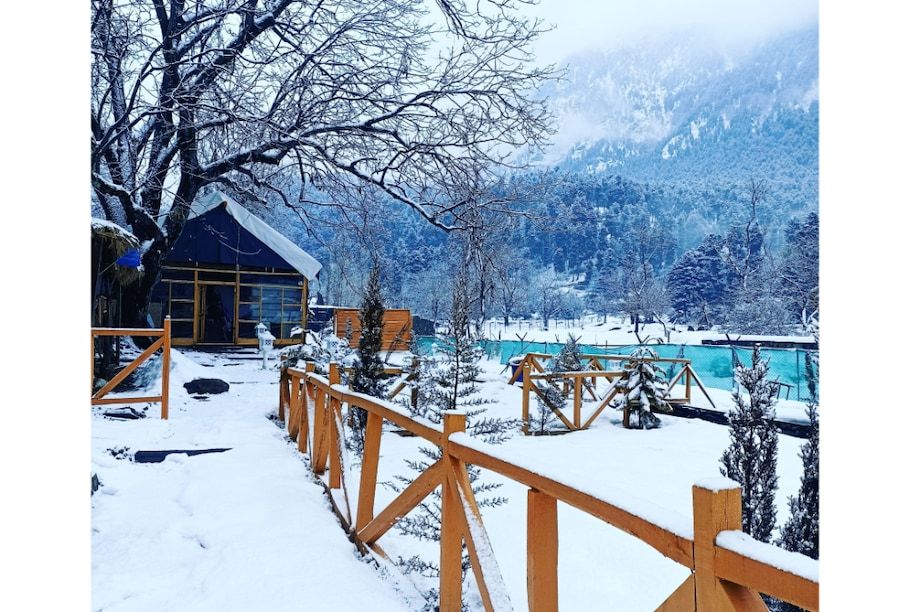
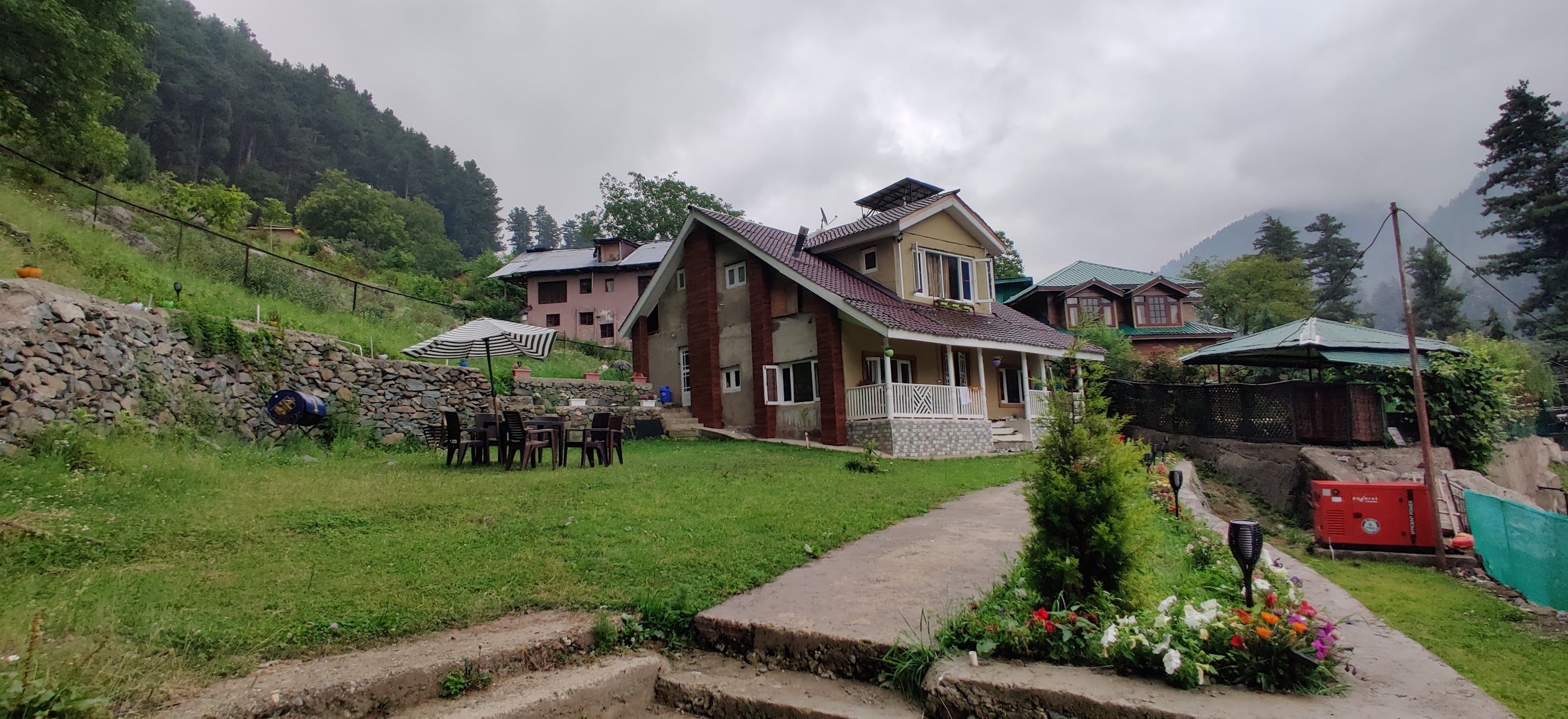
Book a place to stay close by
More places near Chhumanai Sar
Within 20 km
Built from 0 Instagram posts by 0 creators. Every tip links back to the post it came from, and where creators disagree we show both sides.






