
Buttress Peak
Peak near Aru, Ladakh
9.1 km from Aru
The nearest town, for stays, food and fuel.
Buttress Peak is a commanding mountain summit situated along the high-altitude divide of the Greater Himalayas in Ladakh. Characterized by sheer rock faces, sprawling moraines, and adjacent glacial basins, it appeals to seasoned trekkers and mountaineers seeking untamed terrain. Travelers journey here to witness the stark contrast of alpine heights and the untouched silence of the northern frontier.
Getting there
By road
- From AruNearest town6 min · 900 m
Typical drive times without traffic. Stations and airports from OLA Maps; distances and typical drive times from OpenStreetMap (© OpenStreetMap contributors); notes from creators' Reels.
About Buttress Peak
Written with AI from map data and general knowledge. Check prices and timings locally before you go.
About Buttress Peak and the High Alpine Divide
Buttress Peak rises as a prominent natural bastion along the high crest of the Greater Himalayan range in Ladakh. The mountain takes its evocative name from the steep, rib-like rock buttresses that anchor its vertical faces, standing tall above glacial valleys and hidden snow hollows. Geographically, this region acts as a high-altitude borderland between the green alpine pastures of the lower valleys and the barren, rain-shadow reaches characteristic of the Ladakh plateau.
The geological landscape surrounding Buttress Peak has been sculpted by ice and harsh weather across millennia. Massive fields of loose talus, exposed bedrock, and high ridges define the immediate environment. For mountaineers and wilderness hikers, the peak is an enduring symbol of authentic Himalayan isolation, where the stillness of the mountain is broken only by sweeping winds and the sound of glacial meltwater carving through stone.
Trekking Terrain and Approaches to Buttress Peak
Reaching the foot of Buttress Peak involves navigating rugged, pathless wilderness that demands careful footing and sound mountain judgment. The lower approaches lead through river ravines, expansive boulder fields, and seasonal alpine meadows where hardy wildflowers carpet the ground during the short warm months. As the trail gains significant altitude, green turf quickly gives way to jagged scree, frozen snow bridges, and steep moraine walls.
Climbing or trekking near the upper sections of Buttress Peak requires mountaineering experience and comfort with steep rock, loose footing, and variable snowpack. Even those not aiming for the summit can undertake strenuous valley treks nearby that provide magnificent viewpoints of the main peak and surrounding ice fields. Due to the complete absence of waymarked infrastructure, exploring these valleys requires thorough route preparation, navigation gear, and experienced mountain guides.
Read more
Best Time to Visit Buttress Peak
The high-elevation climate of Ladakh severely restricts the travel season around Buttress Peak to a narrow summer window. The most favorable time to visit is from late June to early September. During these brief summer weeks, mountain passes are generally clear of winter snow, daytime temperatures are moderate, and local rivers and trails become manageable for trekking teams.
By the middle of September, autumn brings a sharp drop in temperatures, with sub-zero nights and unpredictable squalls that quickly coat the high slopes in fresh ice. From late October through May, heavy snowfall locks the high peaks in severe winter conditions, making foot travel dangerous and access passes impassable. Even in the heart of summer, high-altitude weather can shift rapidly, bringing sudden cloud cover, freezing winds, and temperature plummets.
How to Reach Buttress Peak
Visiting Buttress Peak requires traveling by road to the nearest accessible mountain staging areas followed by multi-day wilderness trekking. Travelers typically begin their journey by traveling to the broader Kashmir and Ladakh transit hubs, such as Srinagar or Leh, both of which are connected by air and road to major Indian cities. From these regional centers, road transport carries travelers to trailhead settlements and pastoral staging points at the valley heads.
From the roadhead, all travel toward Buttress Peak is strictly on foot. Expedition teams traverse glacial streams, navigate rocky paths, and climb steep alpine trails over several days to establish base camps below the mountain. Because no roads enter this wild terrain, engaging experienced local mule teams and trail porters from base villages is essential for transporting technical equipment, shelters, and supplies.
Places to Explore Nearby
The wild ridges surrounding Buttress Peak are home to remarkable natural formations and ancient mountain trails. Hidden among the high rock corridors are pristine glacial lakes such as Doda Sar and Chhumanai Sar. These high-altitude tarns, fed directly by hanging glaciers, sit cradled between steep moraines and present extraordinary vistas for trekkers crossing high passes in the area.
Lower in the connected river valleys, the landscape transitions into sub-alpine terrain and pastoral hamlets such as Chandanwari, renowned as traditional staging areas for Himalayan routes. Further down the valleys, alpine plateaus often referred to as Mini Switzerland showcase dense fir groves, rolling meadows, and tranquil riverbanks. This juxtaposition of serene, meadowed valley floors and the towering, windswept rock walls of Buttress Peak provides an unforgettable natural journey.
Essential Tips for High-Altitude Treks
Venturing into remote mountain terrain like that surrounding Buttress Peak requires strict safety protocols. High elevation is the greatest challenge, making gradual acclimatization mandatory. Trekkers should spend at least two to three days resting and hiking gently at moderate altitudes before ascending toward the peak to minimize the danger of acute mountain sickness. Staying hydrated and pacing your movement are critical safeguards.
Proper gear is non-negotiable in this remote environment. Travelers must pack layered thermal clothing, a waterproof and windproof shell jacket, sturdy trekking boots with ankle support, UV-blocking eyewear, and cold-weather sleeping gear rated for sub-zero temperatures. Because there is no cellular service, electricity, or medical facility anywhere in the immediate vicinity, expeditions must carry comprehensive first-aid supplies, water purification filters, and reliable navigation tools.
Where to Stay around Buttress Peak
There are no built guest houses, lodges, or established shelters in the immediate wilderness surrounding Buttress Peak. Anyone planning an expedition to this mountain must carry expedition-grade tents and camp self-sufficiently. Campsites should always be pitched on firm, flat ground well away from loose scree slopes, avalanche runouts, and rising glacial rivers, adhering strictly to leave-no-trace wilderness guidelines.
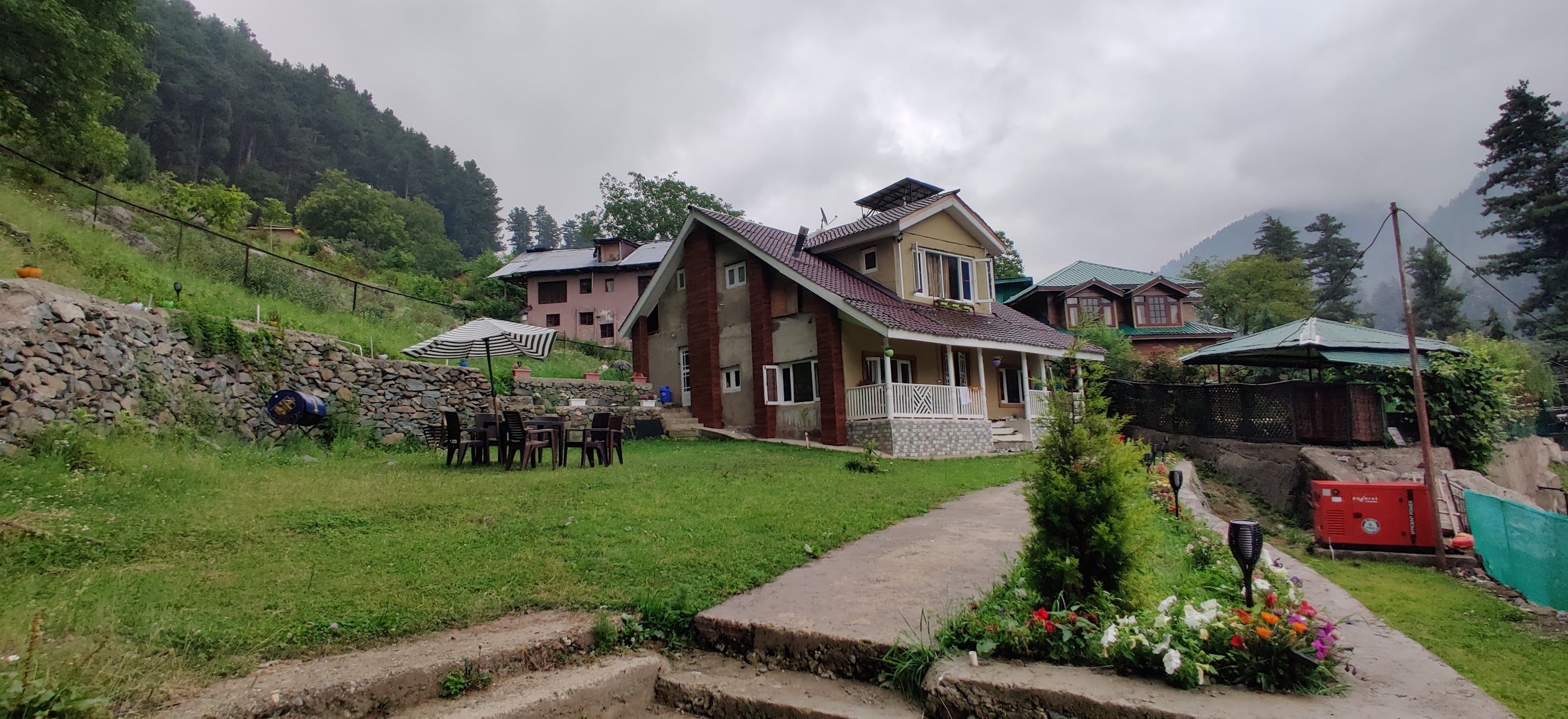
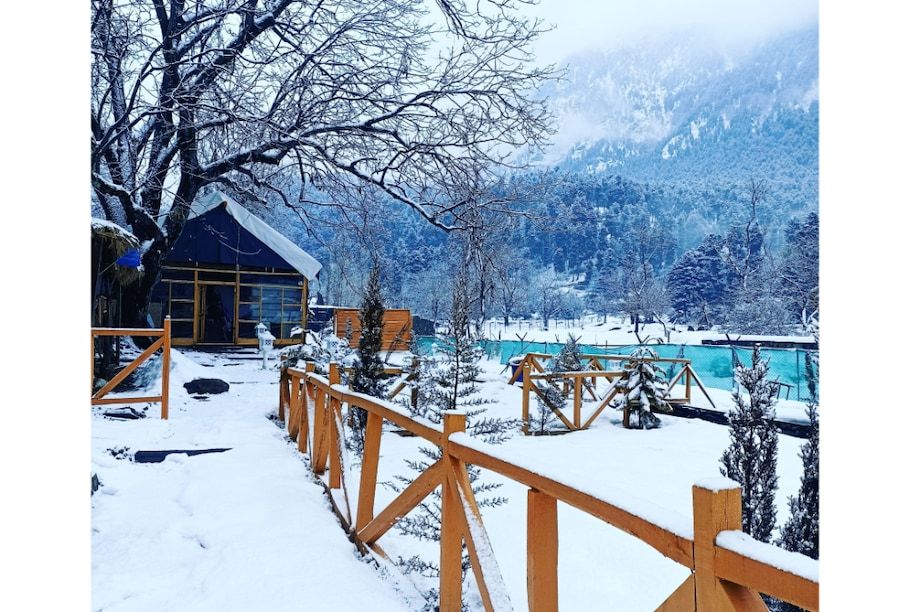
For restful accommodation before setting out on your trek or after returning from the high trails, base towns and roadhead villages in the surrounding region offer welcoming options. You can easily find scenic camps, rustic mountain homestays, and boutique rural stays nearby on HireACamp. Booking your stay through HireACamp provides a comfortable haven to rest, acclimatize, and organize your gear before venturing into the high mountains.
Frequently asked questions
Where is Buttress Peak located?
Buttress Peak is located in the rugged high-altitude frontier of Ladakh, along the dramatic mountain divide of the Greater Himalayas.
Can beginners trek to Buttress Peak?
The approaches and upper slopes of Buttress Peak are demanding and remote, making them best suited for experienced trekkers and mountaineers with good physical fitness and wilderness survival skills.
What is the best time of year to visit Buttress Peak?
The best window to visit is during the summer months between late June and early September, when snow has melted from the passes and trail conditions are manageable.
Are there hotels or guesthouses at Buttress Peak?
There is no built accommodation at Buttress Peak itself; visitors must rely on self-supported camping. You can find homestays and organized campsites in nearby base towns on HireACamp.
Is mobile network available near Buttress Peak?
No, mobile networks do not function in the uninhabited high valleys around Buttress Peak, so visitors must carry offline navigation aids and emergency communication devices.
Where you'll be
Ladakh · 2 stays nearby shown with prices
Stays near Buttress Peak
Book a place to stay close by
More places near Buttress Peak
Within 20 km
Built from 0 Instagram posts by 0 creators. Every tip links back to the post it came from, and where creators disagree we show both sides.






