
Ashoka Pillar
Monument near Civil Lines, Delhi
1.4 km from Civil Lines
The nearest town, for stays, food and fuel.
The Ashoka Pillar located on Delhi's Northern Ridge is a third-century BCE polished sandstone monolith commissioned by Emperor Ashoka. Transported to Delhi from Meerut in the fourteenth century by Sultan Firoz Shah Tughlaq, the monument stands as an enduring testament to ancient Mauryan governance and philosophy. Visitors visit this tranquil site to view the ancient Brahmi inscriptions and experience a rare piece of deep antiquity set within an urban forest.
Getting there
By road
- From Civil LinesNearest town8 min · 2.5 km
- From New Delhi30 min · 9 km
- From Dehradun3 hr 5 min · 219 km
- From Jaipur4 hr 40 min · 306 km
Typical drive times without traffic. Stations and airports from OLA Maps; distances and typical drive times from OpenStreetMap (© OpenStreetMap contributors); notes from creators' Reels.
About Ashoka Pillar
Written with AI from map data and general knowledge. Check prices and timings locally before you go.
History of the Ashoka Pillar
The Ashoka Pillar situated on the Northern Ridge of Delhi boasts an extraordinary journey spanning over two millennia. Originally erected around the third century BCE by Emperor Ashoka of the Mauryan dynasty, the pillar was carved from Chunar sandstone and initially raised in Meerut, Uttar Pradesh. It was carved to disseminate Ashoka's edicts, which advocated moral rectitude, religious tolerance, non-violence, and social welfare across his empire.
In the fourteenth century, Sultan Firoz Shah Tughlaq, known for his deep fascination with ancient engineering and architecture, discovered the pillar during an expedition to Meerut. Intrigued by its smooth finish and mysterious inscriptions, he arranged for its careful dismantling and transportation to his hunting palace, the Kushak-i-Shikar, located on the Delhi Ridge. The relocation was a monumental logistical feat of its time, involving hundreds of workers, padded rafts, and multi-wheeled carts.
Centuries later, during the reign of the Mughal Emperor Farrukhsiyar in the early eighteenth century, an accidental explosion damaged the pillar, breaking it into several fragments. The pieces were eventually recovered, documented, and reassembled in 1867 by the British administration, returning the pillar to its present upright position on the forested ridge.
Architecture and Inscriptions
Standing as an example of classical Mauryan craftsmanship, the Ashoka Pillar is sculpted out of a single piece of fine-grained Chunar sandstone. One of its defining characteristics is the Mauryan polish, an ancient stone-burnishing technique that gave the sandstone a glassy, mirror-like finish that has remarkably endured centuries of natural weathering and environmental exposure.
The surface of the pillar bears Ashokan edicts engraved in the ancient Brahmi script, written in the Prakrit language. These inscriptions outline fundamental principles of Dhamma, encouraging compassion towards living beings, truthfulness, respect for parents and teachers, and moderation in speech and wealth. Even though parts of the text suffered damage during the eighteenth-century breakage, significant portions remain clearly legible, offering historians and visitors direct insight into imperial proclamations from ancient India.
In addition to the original Mauryan edicts, the pillar contains later inscriptions carved by travellers, pilgrims, and rulers who encountered the pillar over the centuries, turning the monument into an layered palimpsest of Northern Indian history.
Read more
The Delhi Ridge Setting
The monument is located within the Kamla Nehru Ridge, commonly known as the Northern Ridge, which forms the northernmost extension of the ancient Aravalli Range. Unlike many historical structures in Delhi that sit inside enclosed formal gardens or dense urban sprawl, this Ashoka Pillar stands surrounded by natural woodland.
The surrounding ridge is characterized by native thorn-scrub flora, acacia trees, neem, and rocky quartzite outcrops. The forested environment provides a crucial green lung for North Delhi and serves as a habitat for local bird species, including parakeets, peacocks, tree pies, and babblers. Small mammals such as grey mongooses and squirrels are frequently spotted among the stone remnants.
A visit to the pillar offers an unusual atmosphere of stillness within the capital city. Paved walking tracks wind through the forested slopes leading toward the pillar, making the approach an enjoyable outdoor walk shaded by dense tree cover.
Best Time to Visit the Ashoka Pillar
Delhi experiences distinct seasons ranging from hot, dry summers to crisp, foggy winters. The most comfortable time to visit the Ashoka Pillar is between October and March. During these months, the daytime temperatures are mild and sunny, allowing travellers to comfortably explore the outdoor trails of the ridge without excessive heat.
Summers in Delhi, running from April through June, are harsh with daytime temperatures often climbing above forty degrees Celsius. Visiting during summer requires careful planning, with early mornings being the only sensible window for outdoor exploration before the midday heat sets in.
The monsoon period between July and September brings substantial rainfall to the area, transforming the Northern Ridge into a lush, vibrant green landscape. While walking paths may occasionally become slick, the cloudy weather and fresh greenery provide an atmospheric setting for photographers and walkers.
How to Reach the Ashoka Pillar
The Ashoka Pillar is situated near the Delhi University North Campus area and Civil Lines in North Delhi, making it easily accessible from all parts of the capital. Delhi has a comprehensive transport network that includes metro rail, city buses, auto-rickshaws, and app-based cab services.
Travelers using the Delhi Metro can alight at nearby stations such as Civil Lines or Vishwa Vidyalaya, both situated on the Yellow Line. From either metro station, you can take an auto-rickshaw or walk along the designated entry pathways to reach the ridge trail where the monument stands.
If you are arriving by train, Old Delhi Railway Station is located roughly four kilometres south, while New Delhi Railway Station is roughly eight kilometres away. Indira Gandhi International Airport is situated around twenty kilometres southwest, connected to central Delhi via the Airport Express Metro line and major roadways. Approximate travel times vary significantly depending on daily traffic conditions.
Places to Visit Nearby
The Northern Ridge is surrounded by notable historical and cultural points of interest. Within the immediate boundary of the ridge itself lie remnants from the Sultanate and colonial eras, including the Mutiny Memorial, Pir Ghaib, and the historic Flagstaff Tower, all situated within easy walking distance of the pillar.
Just three kilometres to the southeast is Old Delhi, where visitors can explore iconic monuments like the massive Red Fort, Jama Masjid, and the bustling corridors of Chandni Chowk. A short drive southward leads to Connaught Place, Central Park, and the ancient astronomical observatory of Jantar Mantar, located approximately five kilometres away.
Those interested in historical architecture can also extend their itinerary to Agrasen ki Baoli and Raj Ghat, both within five kilometres of the site. A longer trip southward of ten kilometres brings you to Humayun's Tomb and the tranquil Lodhi Garden, showcasing grand Mughal garden tombs.
Where to Stay
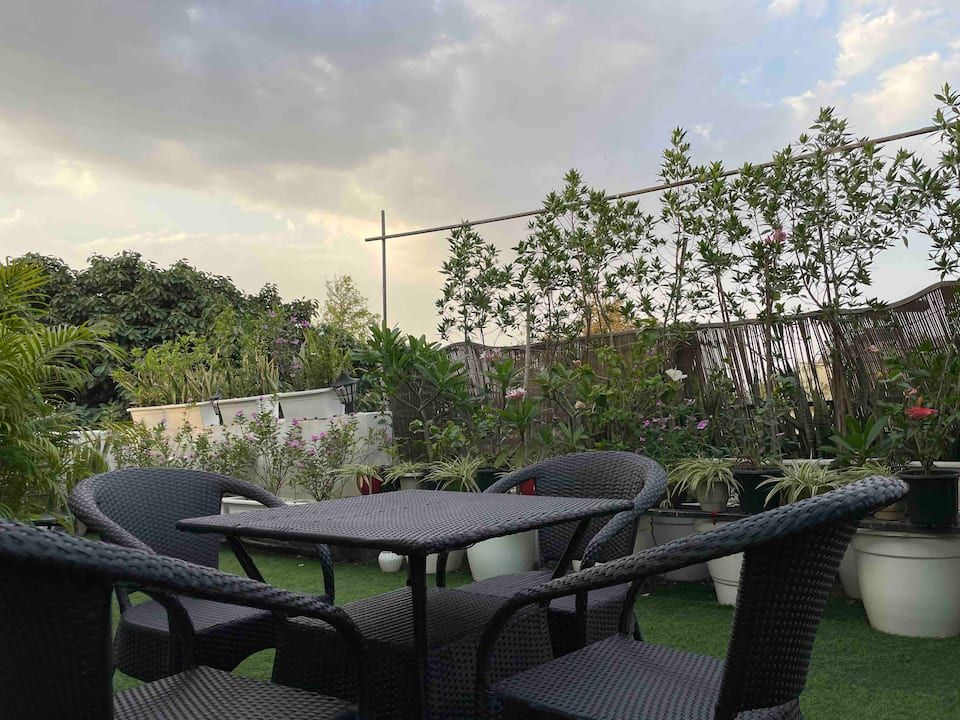
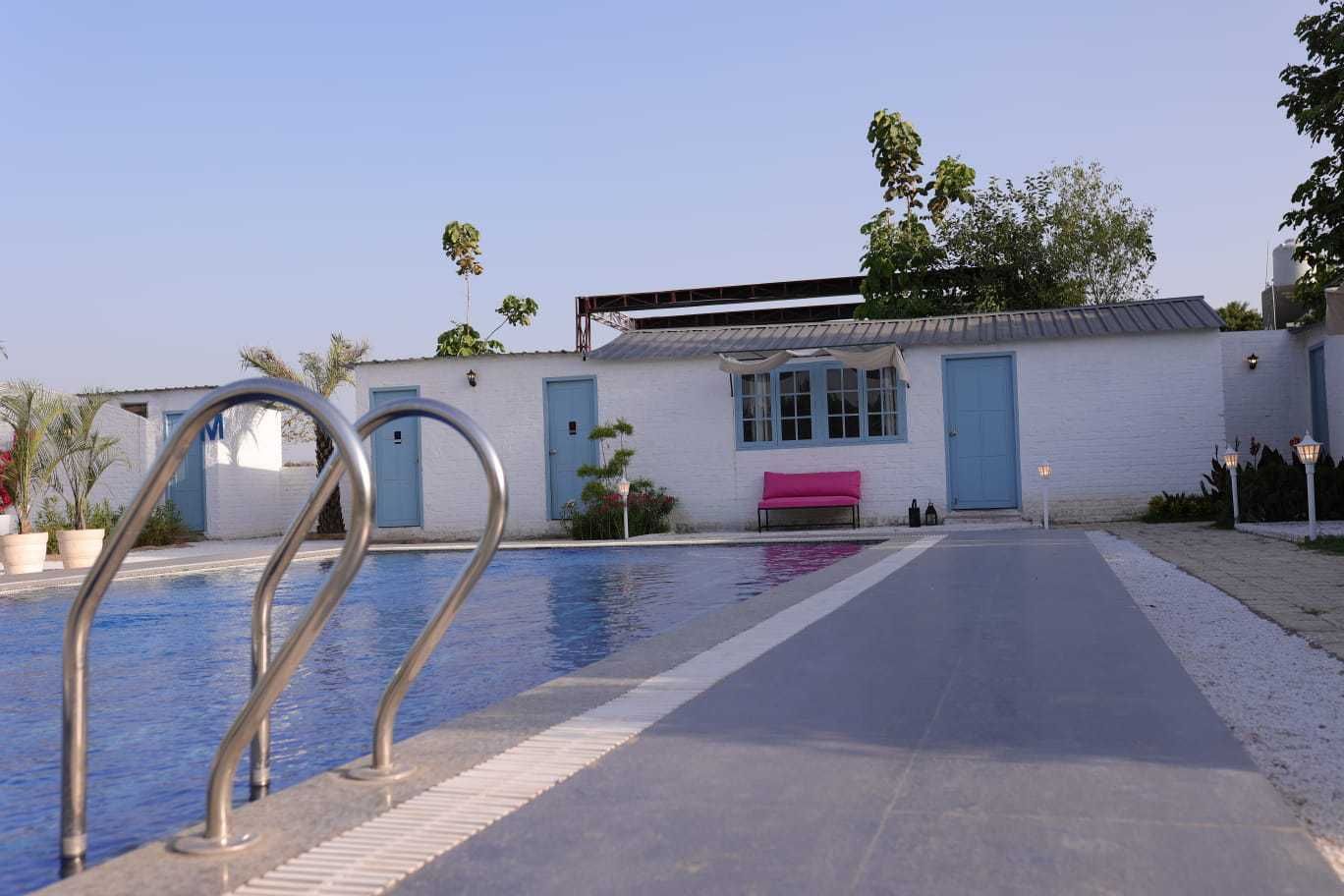
Because Delhi is a major travel hub, options for lodging range from heritage properties and urban boutique spaces to peaceful retreats on the edges of the national capital region. Those wishing to experience the natural landscapes and outdoor settings around Delhi, Haryana, and the Aravalli hills can explore available camps, homestays, and nature stays on HireACamp to complement their city exploration.
Frequently asked questions
Which Ashoka Pillar is located on Delhi's Northern Ridge?
This pillar is the Meerut Ashoka Pillar, which was brought from Meerut to Delhi in the fourteenth century by Sultan Firoz Shah Tughlaq and erected at his ridge retreat.
What language and script are the edicts written in?
The primary inscriptions on the Ashoka Pillar are carved in the ancient Brahmi script using the Prakrit language, detailing moral teachings of Ashoka's Dhamma.
How long does it take to visit the Ashoka Pillar?
A visit to the Ashoka Pillar typically takes between thirty minutes to an hour, though visitors interested in walking the wooded trails of the Northern Ridge can easily spend two hours.
What is the closest metro station to the Ashoka Pillar on the Ridge?
The nearest Delhi Metro stations are Civil Lines and Vishwa Vidyalaya on the Yellow Line, from which the ridge entrance can be reached by a short auto-rickshaw ride or walk.
Is the site suitable for families and seniors?
Yes, the monument is accessible via paved park paths on the ridge, though visitors should wear comfortable walking shoes as the area involves outdoor gravel tracks and mild inclines.
Where you'll be
Delhi · 2 stays nearby shown with prices
Stays near Ashoka Pillar
Book a place to stay close by
More places near Ashoka Pillar
Within 20 km


Lists for this area
Ranked by how many creators recommend each place


Built from 0 Instagram posts by 0 creators. Every tip links back to the post it came from, and where creators disagree we show both sides.






