
Asola Bhatti Wildlife Sanctuary
Wildlife sanctuary near Bhati, Delhi
5.2 km from Bhati
The nearest town, for stays, food and fuel.
Asola Bhatti Wildlife Sanctuary is an expansive ecological reserve resting on the Southern Ridge of the Aravalli Range in South Delhi. Serving as a critical green barrier against desertification, the sanctuary draws nature lovers, birdwatchers, and hikers seeking a peaceful retreat into native scrub forests and natural terrain. Visitors explore its rocky trails, seasonal water bodies, and biodiversity programs located right on the edge of the urban capital.
Getting there
By road
- From BhatiNearest town36 min · 11 km
- From New Delhi1 hr 25 min · 29 km
- From Dehradun4 hr 10 min · 254 km
- From Jaipur4 hr 55 min · 298 km
Typical drive times without traffic. Stations and airports from OLA Maps; distances and typical drive times from OpenStreetMap (© OpenStreetMap contributors); notes from creators' Reels.
About Asola Bhatti Wildlife Sanctuary
Written with AI from map data and general knowledge. Check prices and timings locally before you go.
About Asola Bhatti Wildlife Sanctuary
Asola Bhatti Wildlife Sanctuary covers an extensive tract of land along the Delhi-Haryana border, forming the terminal spur of the ancient Aravalli mountain range. Historically degraded by intensive mining, the landscape has undergone sustained ecological restoration over recent decades. Today, it stands as the green lungs of South Delhi, playing a decisive role in absorbing urban carbon, replenishing groundwater, and sheltering indigenous species that were once common across the Northern plains.
The terrain inside the sanctuary features rocky hillocks, sandy patches, and deep ravines formed by past quarrying operations. Several abandoned quarry pits have filled with rainwater over time to create tranquil water bodies, commonly referred to as the Bhatti lakes. These lakes provide essential watering holes for resident fauna and act as focal points for visiting bird populations throughout the cooler months.
Flora and Fauna of the Sanctuary
The vegetation within Asola Bhatti Wildlife Sanctuary represents a classic northern tropical thorn forest ecosystem. Dominant tree species include native varieties such as dhau, ronj, ber, and kair, along with introduced trees that have acclimatised over time. The rocky soil supports thick undergrowth of drought-resistant shrubs and perennial grasses, which form an essential habitat for insects, reptiles, and ground-nesting birds.
Wildlife sightings are a highlight for patient visitors. The sanctuary hosts healthy populations of nilgai (blue bull), golden jackals, black-naped hares, porcupines, and striped hyenas. In recent years, camera trap surveys have documented the presence of leopards traversing the wildlife corridor extending into Haryana. The sanctuary is equally renowned for its avifauna, hosting over two hundred bird species ranging from resident grey hornbills, peafowl, and babblers to seasonal migratory raptors, waders, and waterbirds.
Read more
Things to Do at Asola Bhatti Wildlife Sanctuary
Walking trails are among the most rewarding ways to experience Asola Bhatti. Guided nature trails meander through rocky ridges and dense thorny thickets, providing ample opportunities for birdwatching and photography. Early mornings are especially peaceful, when birds are most vocal and the scrub forest comes alive with the rustle of foraging animals.
The sanctuary also features a specialized butterfly park established to nurture native pollinator species. Planted with dozens of nectar-rich and host plants, the garden attracts swarms of colourful butterflies between the late monsoon and early winter. Visitors can also engage with nature interpretation facilities and awareness programmes organized within the sanctuary grounds to learn more about the fragile Aravalli ecosystem.
Best Time to Visit
The ideal period to visit Asola Bhatti Wildlife Sanctuary is during the winter months, extending from late October through March. During this window, Delhi experiences clear skies and mild temperatures that make walking outdoors comfortable throughout the morning and early afternoon. Winter also marks the arrival of numerous migratory bird species, turning the quarry lakes and grasslands into bustling habitats.
The monsoon months from July to September bring life back to the parched thorny scrub, turning the forest floor vivid green and filling up natural depressions with water. However, humidity can be high and trails muddy. Summers between April and June are notoriously dry and blistering, with daytime temperatures soaring past forty degrees Celsius, making extensive walks exhausting and ill-advised.
How to Reach Asola Bhatti Wildlife Sanctuary
Asola Bhatti Wildlife Sanctuary is situated in South Delhi near the border with Faridabad, making it readily accessible from across the National Capital Region. The closest approach points are via Tughlakabad, Saket, and Surajkund. Travellers arriving by private vehicle or taxi can follow the Mehrauli-Badarpur Road or Surajkund Road to reach the sanctuary entry gates.
For those travelling via the Delhi Metro network, the nearest stations lie along the Violet and Yellow lines, including Tughlakabad, Saket, and Chhatarpur. From the respective metro stations, auto-rickshaws and cabs are readily available to cover the short final leg to the entry points. Ensure you clarify the designated public gate before setting out, as the boundary spans a considerable area.
Tips for Your Visit
Because Asola Bhatti is an authentic wild landscape characterized by rocky, uneven ground and thorny brush, wearing sturdy walking shoes or hiking boots is essential. Dress in comfortable, breathable clothing in neutral or earthy tones that do not disturb wildlife, and carry a broad-brimmed hat along with sunscreen during sunnier days.
Carry sufficient drinking water in reusable bottles, as there are no food or water stalls within the core wilderness areas. The sanctuary enforces a strict zero-litter policy, so ensure that any wrappers, bottles, or food waste are carried back out with you. Keep a safe distance from wild animals, stay on recognized walking routes, and verify current entry guidelines and registration procedures at the gate before commencing your walk.
Places to Visit Nearby
A visit to Asola Bhatti can be combined with several prominent cultural and natural landmarks in South Delhi. The Garden of Five Senses is located roughly five kilometres away, offering sculpted gardens, shaded pathways, and quiet sitting areas. History enthusiasts will appreciate Mehrauli Archaeological Park, six kilometres away, and the grand monument of Qutab Minar situated around seven kilometres from the sanctuary grounds.
Other notable attractions within easy reach include Hauz Khas Fort and the Bahai Lotus Temple, both situated under ten kilometres away. Further north along the ridge lie Sunder Nursery, Humayuns Tomb, and Safdarjung Tomb, allowing travellers to transition seamlessly from a rugged nature excursion to an afternoon exploring Mughal architectural heritage.
Where to Stay
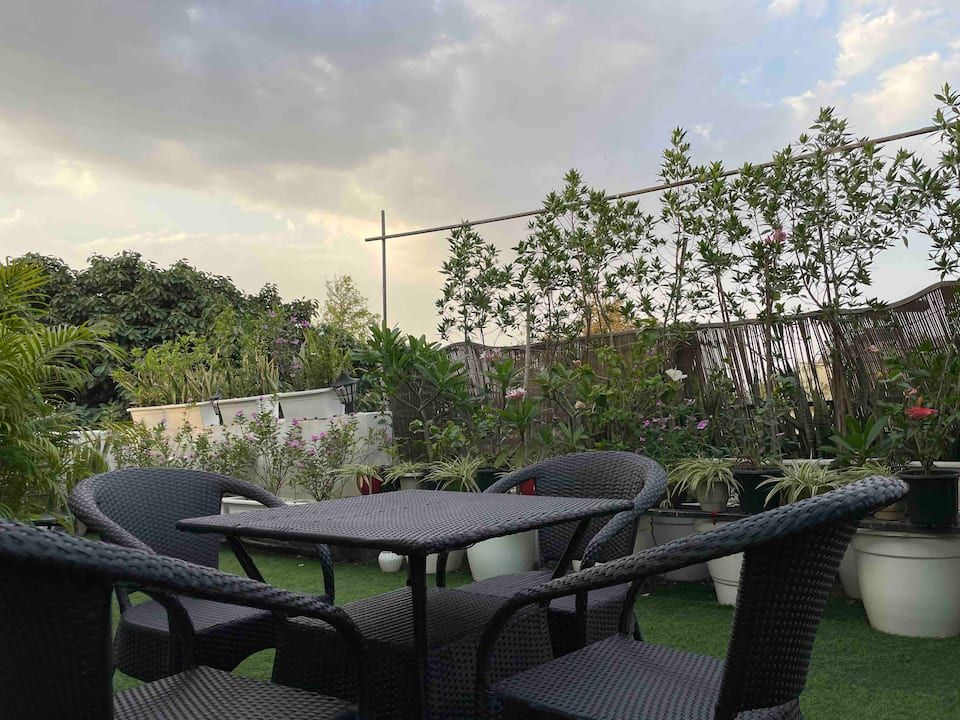
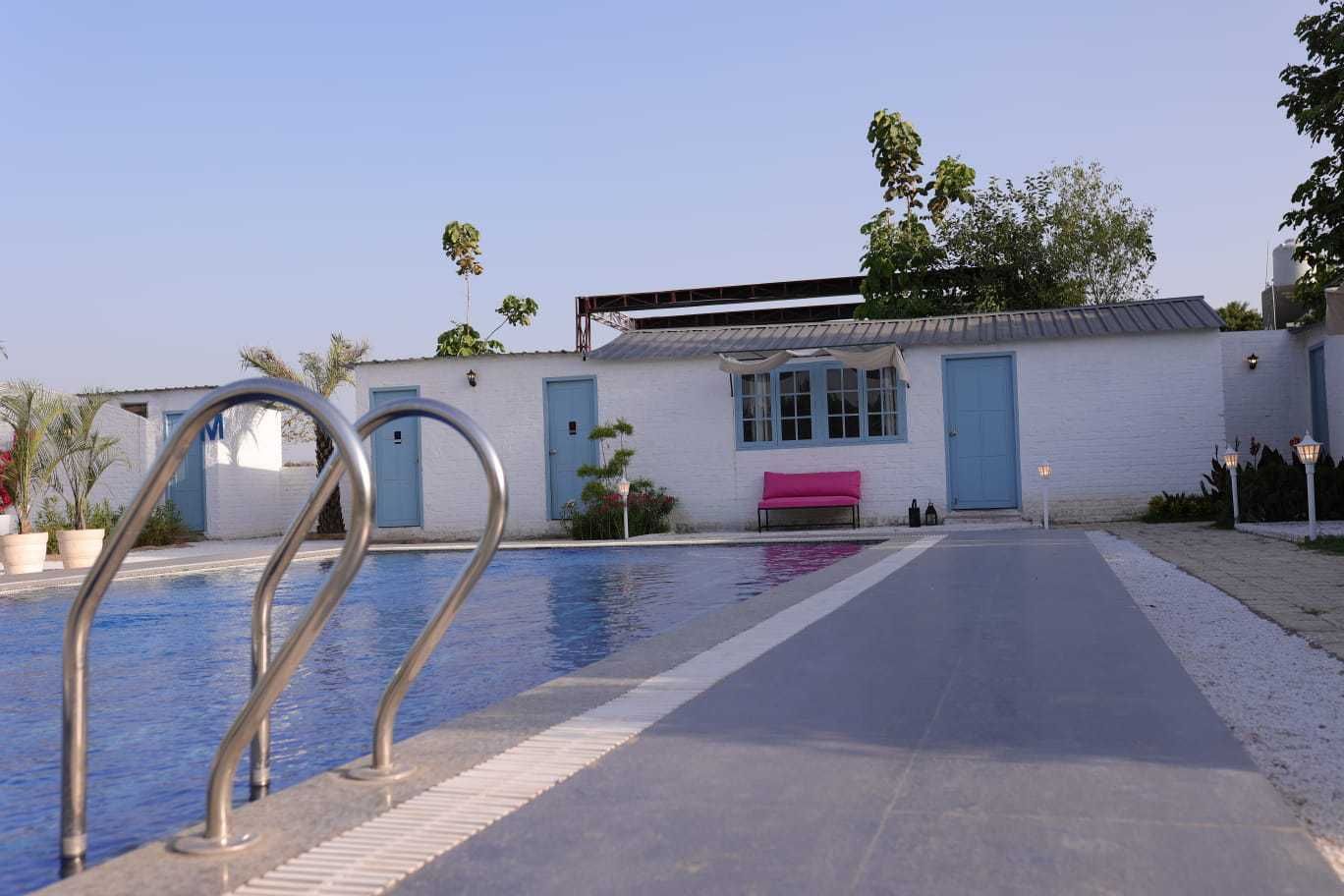
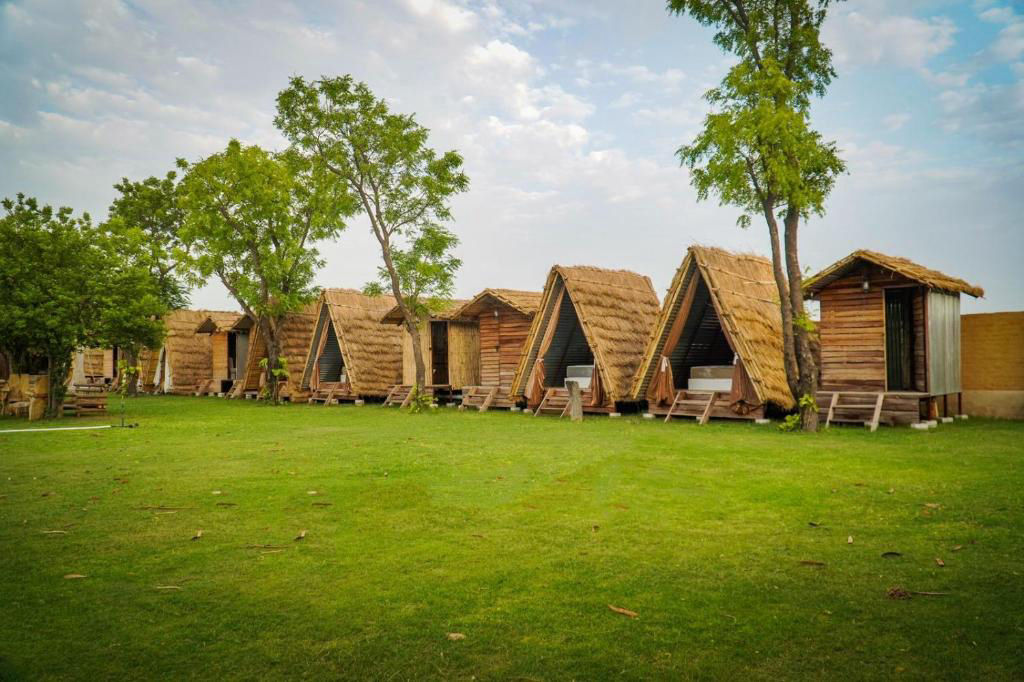
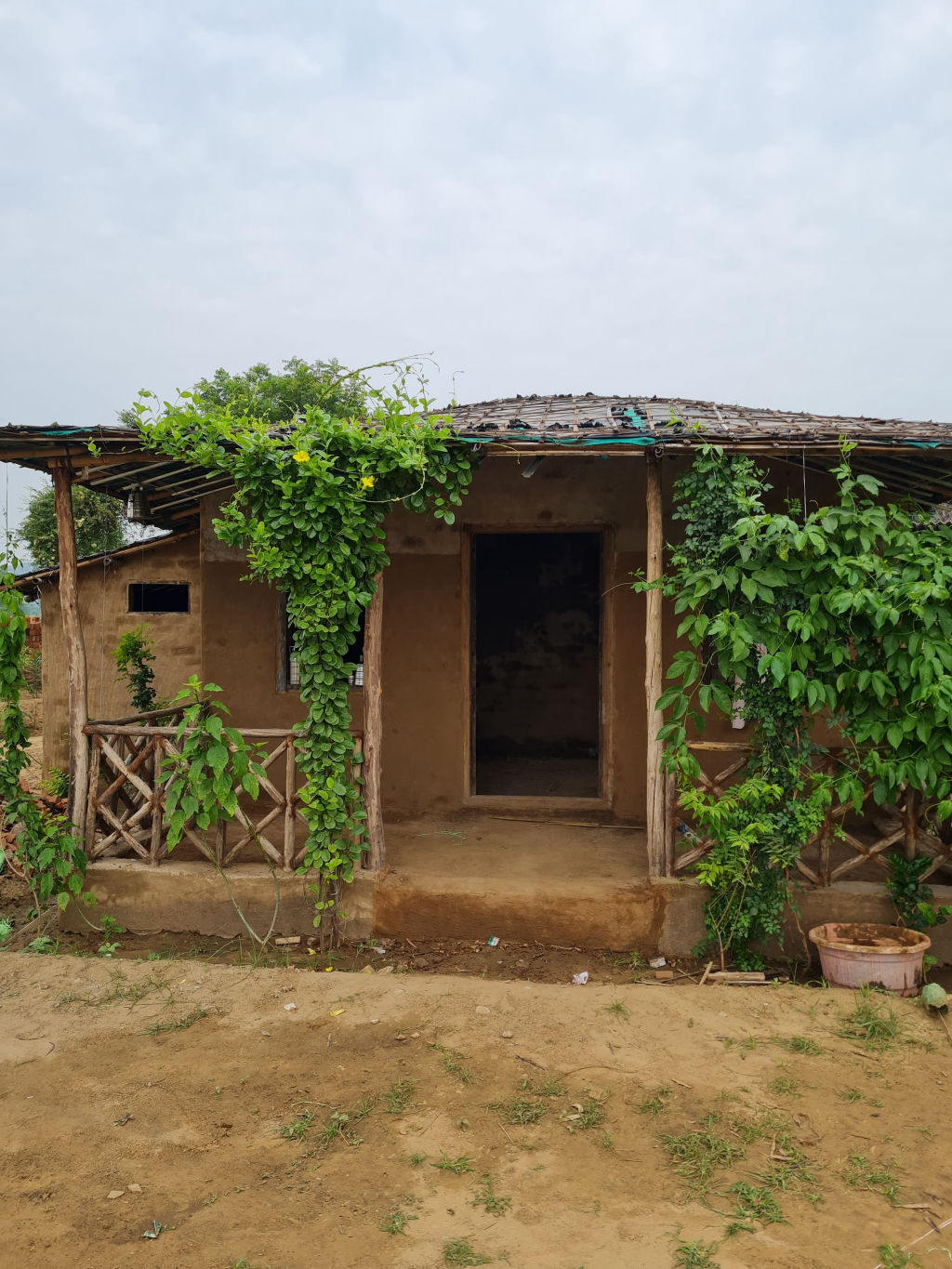
Travelers visiting the sanctuary can base themselves across South Delhi and adjacent suburbs, which offer wide connectivity to the area. If you are looking for outdoor-oriented stays, rural getaways on the edge of the Aravalli hills, or peaceful farm retreats nearby, you can explore a wide variety of homestays, nature retreats, and eco-camps on HireACamp.
Frequently asked questions
Is cycling allowed in Asola Bhatti Wildlife Sanctuary?
Certain designated peripheral tracks and forest tracks may permit cycling under forest department guidelines. It is best to check the current rules and designated zones at the sanctuary entry office upon arrival.
What wildlife can you see in Asola Bhatti?
Visitors frequently spot nilgai, golden jackals, black-naped hares, and various bird species such as peafowl, grey hornbills, and parakeets. Less frequently seen mammals include striped hyenas, porcupines, and leopards.
Is Asola Bhatti Wildlife Sanctuary suitable for children?
Yes, older children and families interested in the outdoors will enjoy the butterfly park and introductory walking trails. However, keep children close and supervised due to rocky terrain and thorny vegetation.
How long should you spend at the sanctuary?
A standard visit usually lasts two to three hours, which is sufficient time to walk a marked nature trail, explore the butterfly park, and observe local birdlife.
Where you'll be
New Delhi · 4 stays nearby shown with prices
Stays near Asola Bhatti Wildlife Sanctuary
Book a place to stay close by
More places near Asola Bhatti Wildlife Sanctuary
Within 20 km


Lists for this area
Ranked by how many creators recommend each place


Built from 0 Instagram posts by 0 creators. Every tip links back to the post it came from, and where creators disagree we show both sides.






