
Avalanche
Destination in Tamil Nadu
Avalanche is a scenic highland valley and settlement nestled deep in the Nilgiri Hills of Tamil Nadu, located southwest of Ooty. Named historically after a landslide that reshaped its terrain in the early nineteenth century, the region is celebrated for its pristine freshwater lake, rolling shola grasslands, and thick pine and eucalyptus woods. Travellers visit Avalanche to experience untouched wilderness, birdwatching, tranquil nature walks, and a peaceful alternative to the busier hill stations in the Western Ghats.
Getting there
By road
- From Coimbatore4 hr 15 min · 123 km
- From Mysuru5 hr 50 min · 222 km
- From Bengaluru8 hr · 367 km
- From Kochi8 hr 20 min · 307 km
Typical drive times without traffic. Stations and airports from OLA Maps; distances and typical drive times from OpenStreetMap (© OpenStreetMap contributors); notes from creators' Reels.
About Avalanche
Written with AI from map data and general knowledge. Check prices and timings locally before you go.
What Avalanche is known for
Avalanche is best known for its emerald-green landscape, dense shola forests, and the expansive Avalanche Lake that forms the heart of the valley. Unlike the bustling commercial hubs of the Nilgiris, this area has retained much of its raw mountain character. The name originates from a massive landslide that occurred here in the early 1800s, carving out natural hollows that eventually settled into the lake and surrounding wetlands.
The region serves as an important ecological zone within the Nilgiri Biosphere Reserve. It is renowned among naturalists for its diverse birdlife, including several endemic species of the Western Ghats, and the vibrant rhododendrons, orchids, and wild lilies that carpet the hillsides during the blossoming periods. The area is also well-known for its trout hatchery and peaceful forest tracts that remain guarded by reserve regulations to preserve indigenous biodiversity.
Things to do in and around Avalanche
Exploring the banks of Avalanche Lake is the primary attraction for visitors. The still waters reflect the surrounding rolling hills and dense tree lines, making it an exceptional location for contemplative walks, landscape photography, and quiet nature observation. Sitting by the shore listening to the mountain breeze offers a deeply restorative outdoor experience.
Travellers interested in botany and forestry can spend time walking through the shola vegetation and eucalyptus plantations. The area is also popular for birding, with flycatchers, babblers, and thrushes frequently spotted along the tree canopies and stream edges. Where forestry regulations permit, guided safari routes managed by local authorities take travellers deeper into the higher Nilgiri slopes, providing panoramic vantage points over mist-filled valleys and cascading streams.
Read more
Places to visit near Avalanche
A trip to Avalanche connects easily with several other natural highlights across the Nilgiri plateau. Pykara Lake and the cascading Pykara Waterfall lie roughly seventeen to nineteen kilometres away to the north, known for broad water bodies and scenic forest borders. High-altitude viewpoints like Doddabetta Peak, the highest summit in the Nilgiris, offer expansive vistas overlooking the surrounding valleys and distant plateau edges.
Further along the ridges, viewpoints such as Needle Rock View Point and Dolphin's Nose provide dramatic drop-off views into the southern plains and adjoining gorge country. Those venturing further down the mountain slopes towards the foothills of Coimbatore can also explore prominent regional landmarks including the Velliangiri Hills and the Isha Yoga Center complex, making the region versatile for nature lovers and cultural travellers alike.
Best time to visit Avalanche
The ideal time to visit Avalanche is between October and March, when post-monsoon clarity reveals vibrant green hillsides and crisp, pleasant daytime weather. Winter mornings can become quite chilly, with temperatures dropping significantly and mist rolling over the lakes, creating an atmospheric setting for outdoor exploration.
The summer months of April and May offer an escape from the heat of the plains, with cool breezes and daytime temperatures remaining comfortable for long walks. The monsoon season, typically running from June to September, brings heavy rainfall across the Nilgiris. While the rain transforms the terrain into a lush paradise with overflowing streams, forest paths can become slippery and outdoor movement may be restricted by weather conditions, so travellers should monitor local forecasts closely.
How to reach Avalanche
Avalanche is situated in the upper Nilgiri district of Tamil Nadu. The most common access point is Ooty, which is connected by road to major cities across Tamil Nadu and neighbouring states. From Ooty, the drive to Avalanche winds along rural mountain roads through tea gardens, small villages, and forest checkpoints.
For those travelling by air or rail, the nearest major transit hub is Coimbatore, which has an international airport and a central railway junction. From Coimbatore, one can drive or take a bus up through the Nilgiri ghats via Mettupalayam and Coonoor before heading past Ooty to reach Avalanche. Regular taxis and local buses operate between regional hubs and the entry routes to the Avalanche valley.
Where to stay in Avalanche
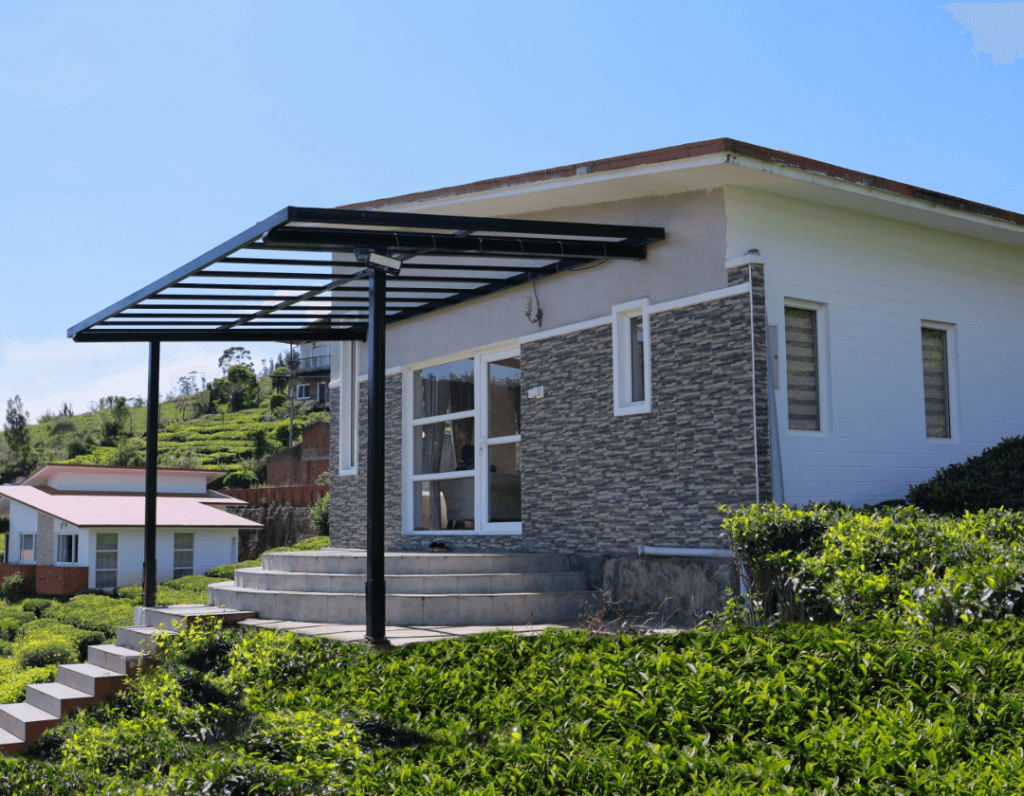
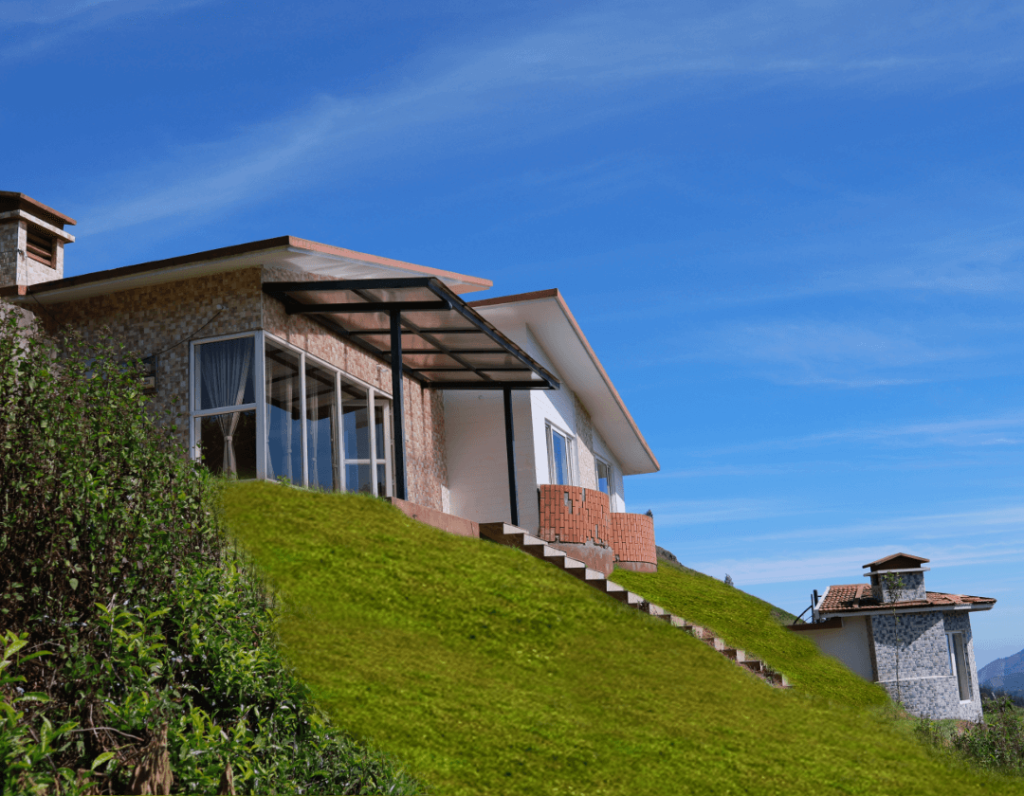
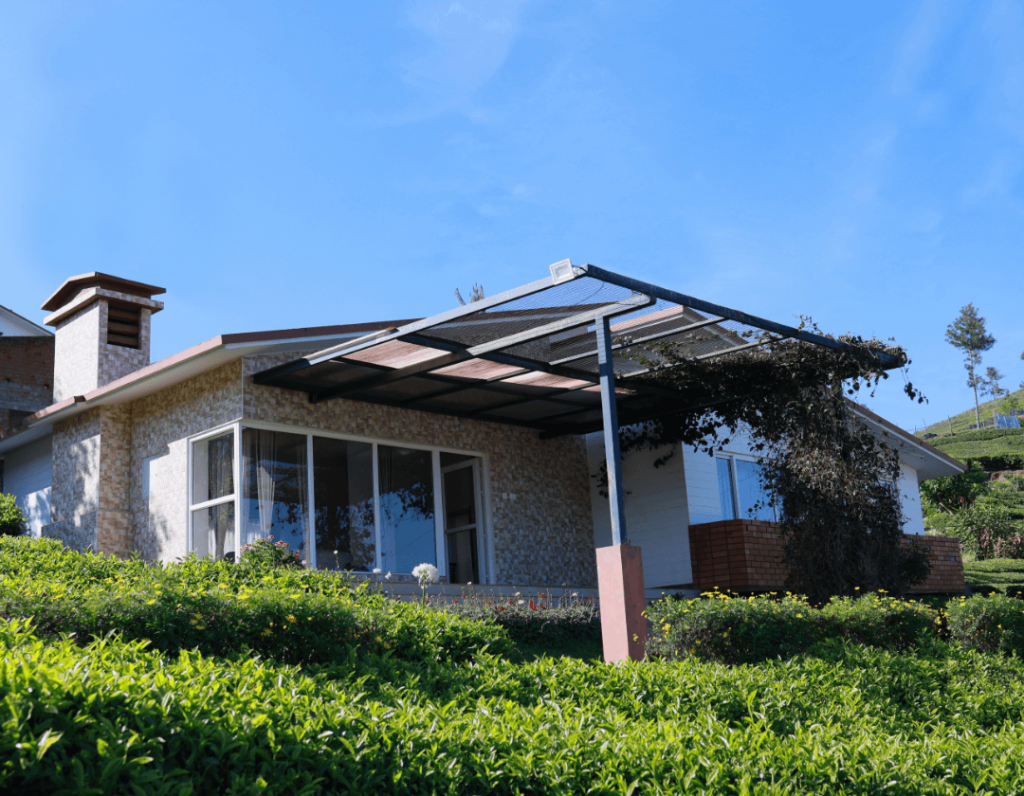
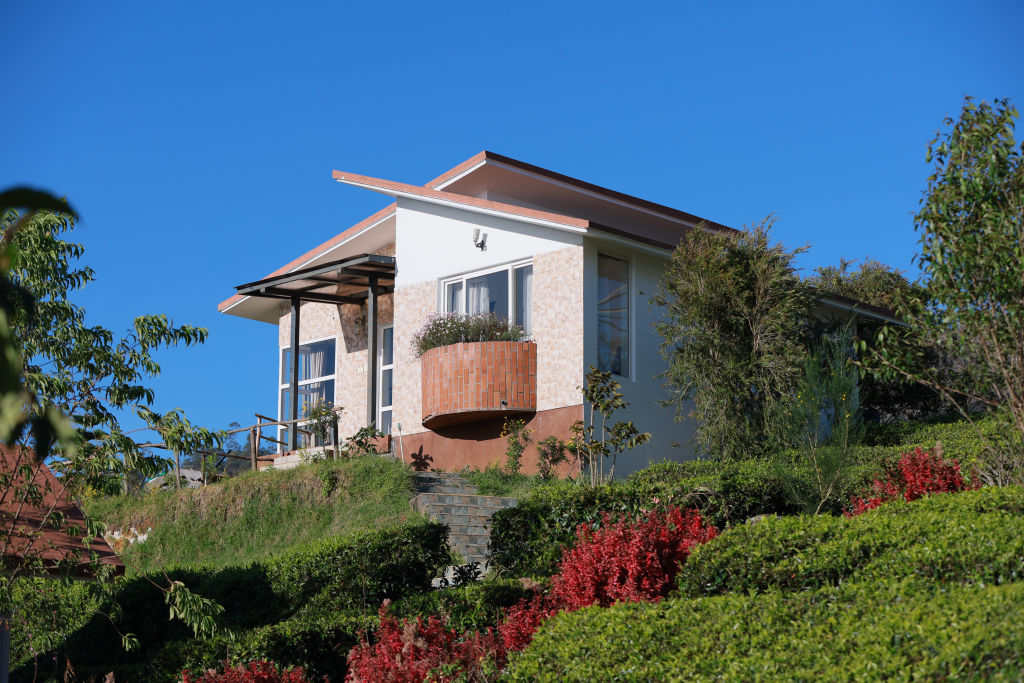
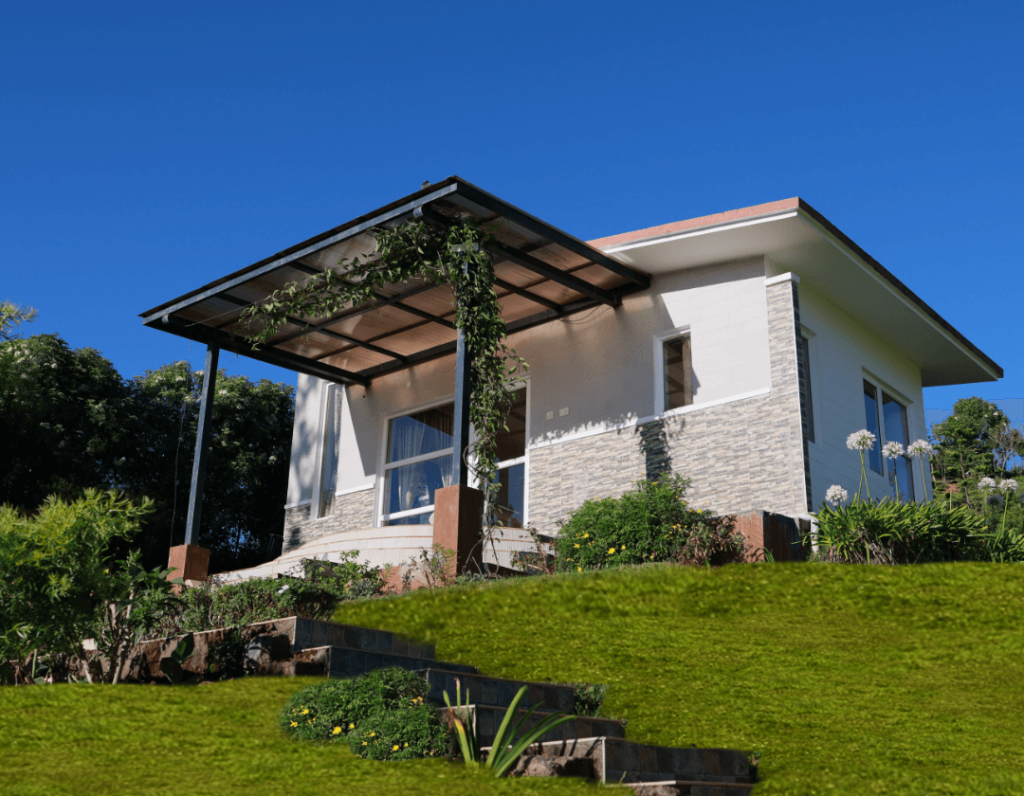
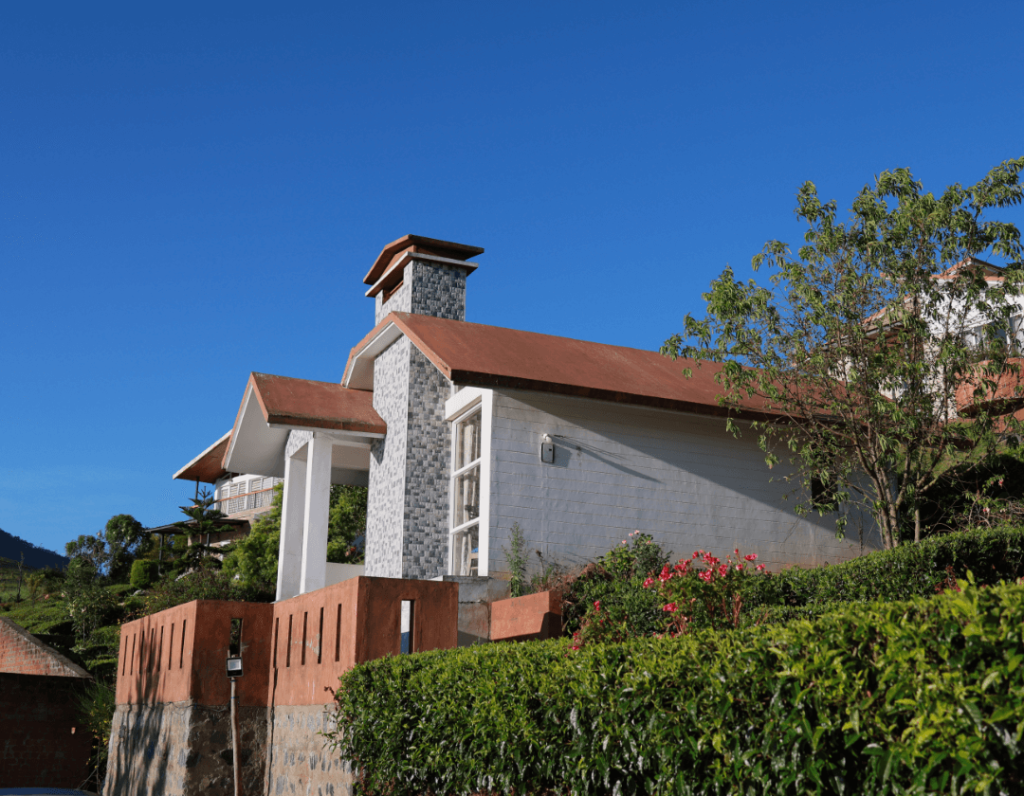
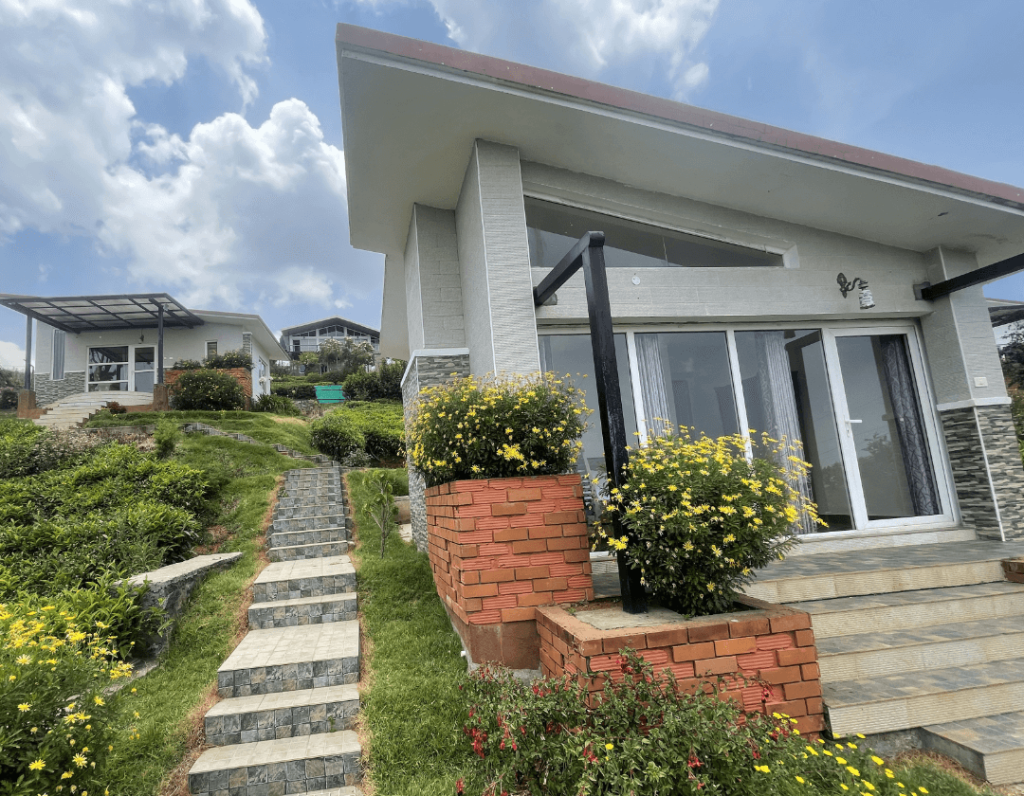
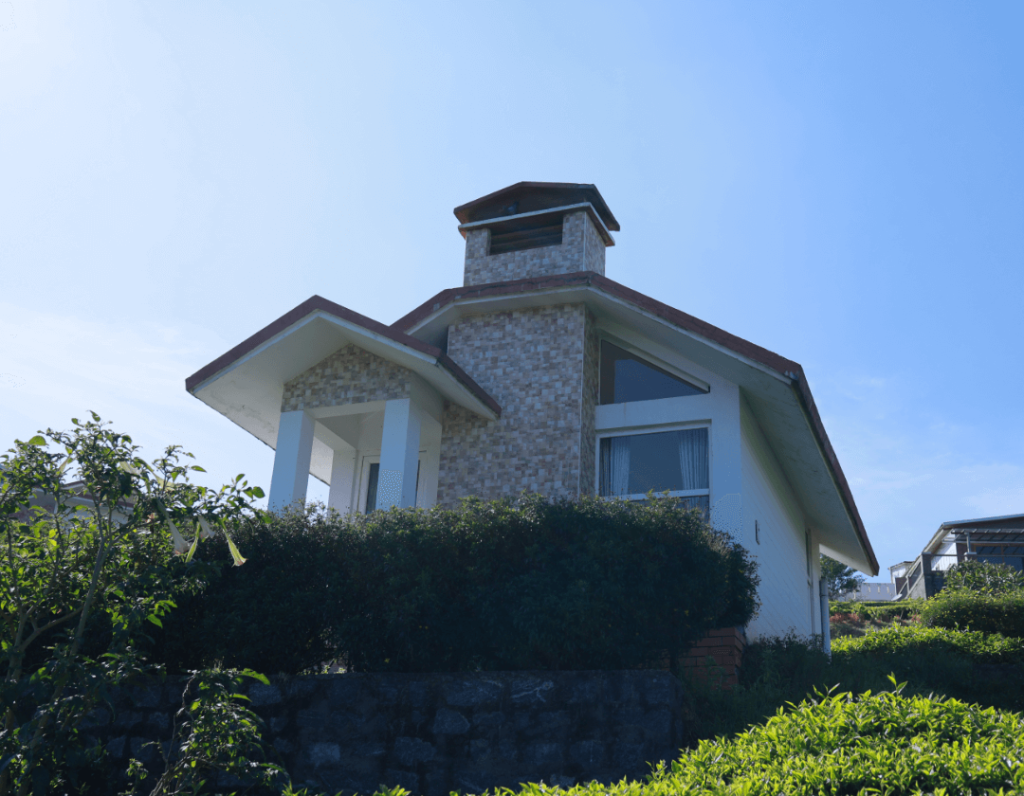
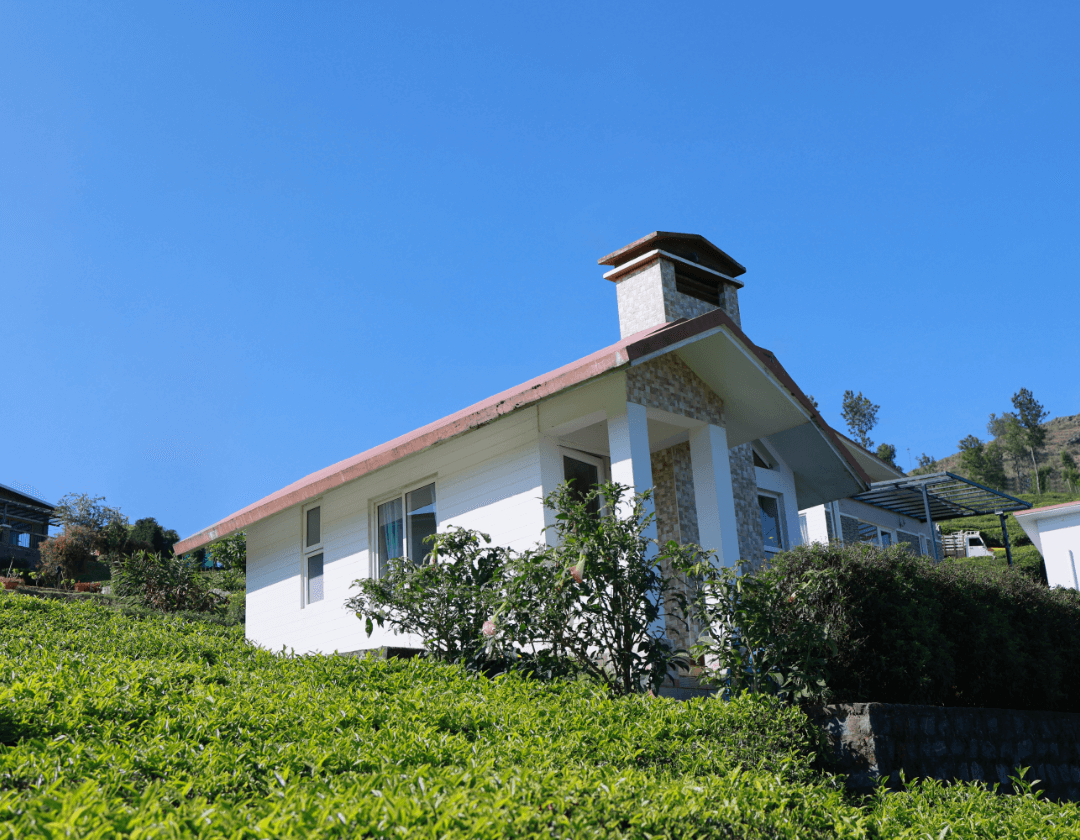
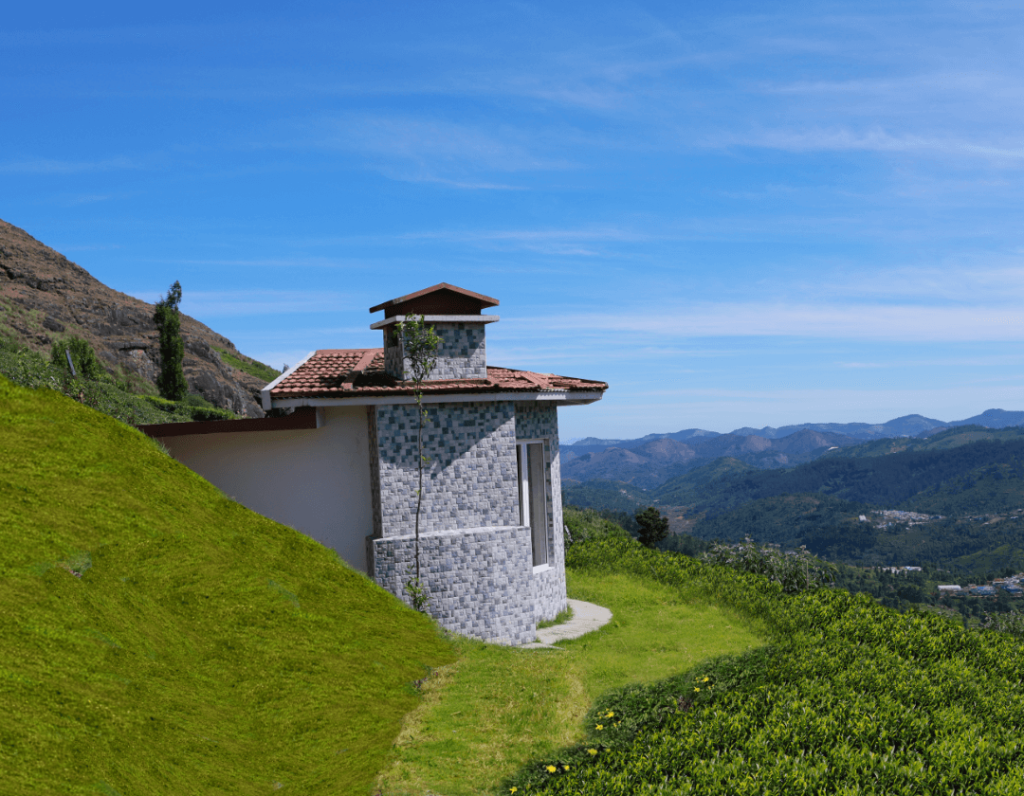
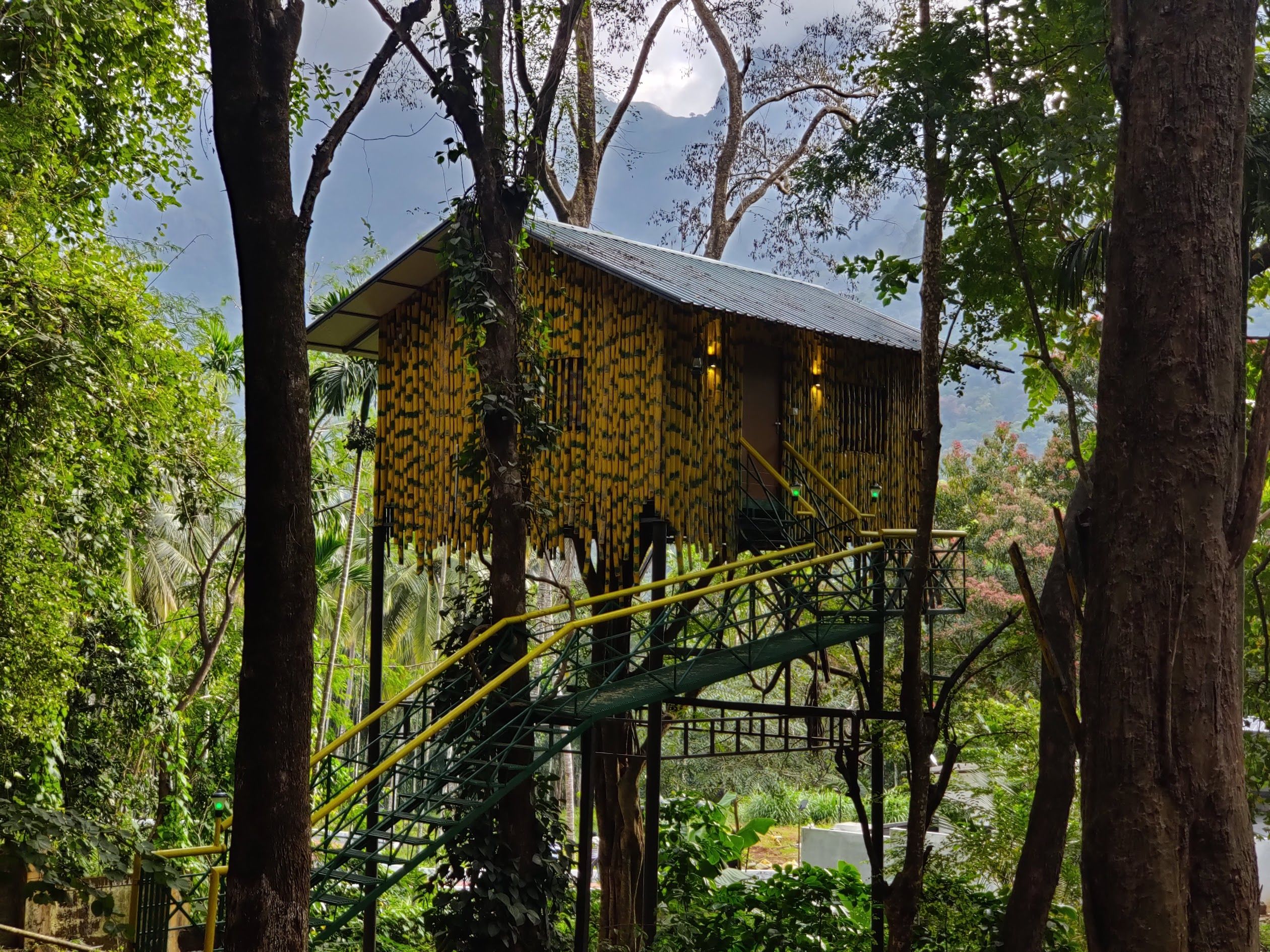
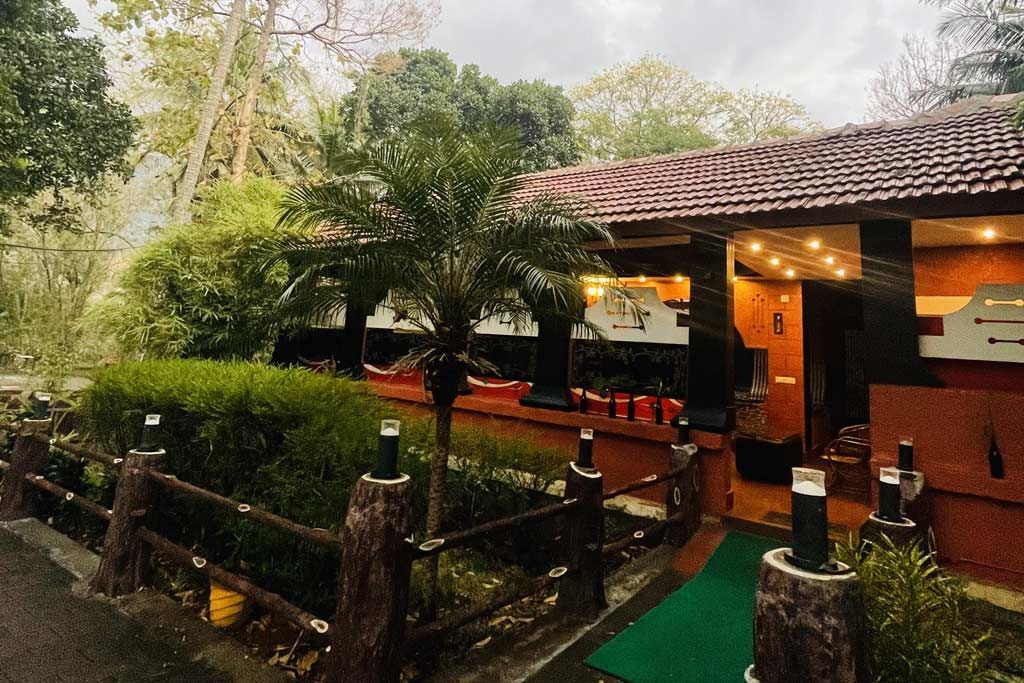
Because Avalanche sits within a protected and ecologically sensitive mountain tract, large-scale commercial hotels are absent from the immediate valley. Instead, the area is best experienced by staying in comfortable homestays, rustic cottages, and nature camps situated along the outskirts and surrounding village borders.
These stays allow you to wake up to uninterrupted mountain birdsong, cool mountain air, and unhindered night skies away from urban glow. You can find well-curated camps and homestays around Avalanche on HireACamp, offering authentic hospitality, home-cooked regional meals, and easy access to the pristine surroundings.
Frequently asked questions
Where is Avalanche located?
Avalanche is situated in the Nilgiri district of Tamil Nadu in southern India, southwest of Ooty, nestled among shola forests and rolling hill ranges.
Why is the place called Avalanche?
The valley was named after a massive landslide that occurred in the region in the early 1800s, which significantly altered the local topography and created the hollows that now cradle the lake.
What is the best season to explore Avalanche?
The post-monsoon and winter months from October to March offer the best weather, featuring clear skies, cool temperatures, and fresh green landscapes.
Are private vehicles allowed all the way into Avalanche?
Private vehicles can travel up to designated forest check-posts and nearby settlement borders, but onward journeys into protected reserve zones are often regulated by local forest department vehicles and guidelines.
Can I find camping and homestays near Avalanche?
Yes, eco-friendly campsites, plantation cottages, and rustic homestays are available in the outskirts and nearby villages, and can be booked directly on HireACamp.
Where you'll be
12 stays nearby shown with prices
Stays near Avalanche
Book a place to stay close by
Things to do in Avalanche
48 places creators recommend within 30 km


Lists for this area
Ranked by how many creators recommend each place


Built from 0 Instagram posts by 0 creators. Every tip links back to the post it came from, and where creators disagree we show both sides.






