
Avalanche Lake
Lake near Avalanche, Tamil Nadu
2.1 km from Avalanche
The nearest town, for stays, food and fuel.
Avalanche Lake is an expansive freshwater lake nestled in the Nilgiri Hills of Tamil Nadu, located near the quiet town of Kundah. Surrounded by dense shola forests, rolling meadows, and orchid-strewn hillsides, it is a serene outdoor destination popular with nature lovers and trekkers. Travellers visit to experience pristine hill landscapes, quiet forest trails, and cool mountain air far from city crowds.
Getting there
By road
- From AvalancheNearest town2 hr 10 min · 49 km
- From Coimbatore2 hr 55 min · 98 km
- From Mysuru3 hr 50 min · 176 km
- From Bengaluru6 hr · 321 km
Typical drive times without traffic. Stations and airports from OLA Maps; distances and typical drive times from OpenStreetMap (© OpenStreetMap contributors); notes from creators' Reels.
About Avalanche Lake
Written with AI from map data and general knowledge. Check prices and timings locally before you go.
About Avalanche Lake
Avalanche Lake sits high in the Nilgiri district of Tamil Nadu, flanked by undulating hills and dense montane vegetation. The lake takes its name from a massive landslide that carved through the region in the early nineteenth century, altering the local topography and allowing natural water runoff to form this vast reservoir. Rather than looking like a manicured tourist spot, the lake maintains an untamed, serene character that feels distinct from the busier hill stations nearby.
The lake is surrounded by a protected catchment area managed by the forest department. This protection has preserved the fragile ecology of the upper Nilgiris, keeping commercial activities at bay. Visiting Avalanche Lake offers travellers a glimpse into the classic high-altitude landscape of southern India, where clear freshwater meets native grasslands and dark shola thickets.
Landscape and wildlife around Avalanche Lake
The terrain surrounding Avalanche Lake forms part of the unique Nilgiri biosphere, an ecosystem characterized by high-altitude tropical montane forests, locally called sholas, interwoven with vast undulating grasslands. The valleys are covered with dense canopies of indigenous trees, while the slopes bloom with wild rhododendrons, magnolias, and sub-alpine flora depending on the time of year.
This rich habitat provides a home for several endemic and rare wildlife species. While exploring the area, visitors often spot Nilgiri langurs, sambar deer, barking deer, and gaurs grazing on the open hillside meadows. The lake basin is also renowned for its rich avian life, attracting flycatchers, Nilgiri pipits, laughingthrushes, and predatory raptors circling the ridgelines. The waters have historically supported introduced trout, reflecting the cool water temperatures sustained throughout the year.
Read more
Things to do at Avalanche Lake
Avalanche Lake is ideal for visitors who enjoy unhurried exploration in nature. Walking along marked forest trails presents sweeping views of the clear water against backdrop ridges. While general vehicular movement directly to the lake bank is restricted to protect the habitat, local forest authorities often conduct regulated eco-tours and safaris into deeper zones of the sanctuary, taking visitors to spots like Upper Bhavani and emerald meadows.
Photography is another highlight here, especially during early mornings when mountain mist hovers over the lake surface and morning light illuminates the wooded hills. Birdwatching is exceptionally rewarding along the periphery of the shola patches. For those who simply want a break from screen-heavy routines, sitting quietly along the grassy banks or finding a scenic picnic clearing provides complete stillness.
Best time to visit Avalanche Lake
Avalanche Lake can be visited across most months, but each season offers a distinct outdoor atmosphere. The post-monsoon period from October to February is widely considered the most pleasant. During these months, the rains clear to reveal lush green hillsides, crisp morning air, and bright, clear skies. Temperatures drop substantially at night during December and January, sometimes bringing light ground frost to high valleys.
From March to May, the region experiences summer, though temperatures remain moderate and comfortable compared to the scorching plains below. This makes it an ideal time for day hikes and sightseeing. The monsoon season, extending roughly from June through September, brings intense rainfall to the Nilgiri slopes. While the landscape turns dramatically green and streams flow with vigor, mist often covers the water and forest tracks can turn slick, so travellers should check local weather updates before venturing out.
How to reach Avalanche Lake
Avalanche Lake is accessed via Kundah or Ooty in the Nilgiris district of Tamil Nadu. The nearest major transport hub on the plains is Coimbatore, which has a domestic airport and broad rail connections. Travellers usually drive up the ghats from Coimbatore to Ooty or Kundah via Mettupalayam, a scenic journey marked by hairpin bends, tea gardens, and mist-wrapped forests.
From Kundah or Ooty, the final stretch to Avalanche Lake winds through quiet countryside, terraced agricultural plots, and tribal hamlets. The roads narrow as you climb higher into the catchment zone. Hiring a private cab, self-driving, or taking a local bus to the transit checkpost are standard options. Because access beyond certain forest boundaries is regulated, you will typically transfer to forest-operated transit vehicles at the eco-tourism checkpoint.
Places to visit near Avalanche Lake
A trip to Avalanche Lake can be combined with several natural attractions in the Nilgiris plateau. Nearby, the Bhavani River system and Upper Bhavani present pristine landscapes with minimal human disturbance. Further north lies Pykara, known for its scenic reservoir, forested shoreline, and cascading Pykara Waterfall.
Travellers interested in expansive valley views can visit Doddabetta Peak, the highest summit in the Nilgiri range, located about seventeen kilometers away in straight-line distance. The tea-carpeted slopes around Coonoor are also reachable for day trips, featuring panoramic overlooks like Lamb's Rock and Dolphin's Nose, which look out toward the Coimbatore plains and deep ravines.
Tips for your visit to Avalanche Lake
Because Avalanche Lake is situated within an ecologically sensitive forest boundary, visitors are expected to maintain strict outdoor etiquette. Avoid littering, carry your own reusable water bottles, and make sure any waste you generate is carried back to town. Single-use plastics are actively discouraged or barred across the district.
Weather in the hills can shift rapidly from sunny to chilly, especially when mist moves in. Dress in layers, carry a windproof or warm jacket even during summer afternoons, and wear sturdy walking shoes suited for uneven dirt trails. Entry regulations, operating schedules for eco-safaris, and photography guidelines are governed by local forest department authorities, so it is best to check locally on arrival for up-to-date entry processes.
Where to stay near Avalanche Lake
To preserve the pristine forest and catchment zone, commercial hotels are not permitted directly on the lake shore. However, the surrounding valley villages, tea estates, and outskirts of Kundah offer charming accommodations that match the peaceful environment.
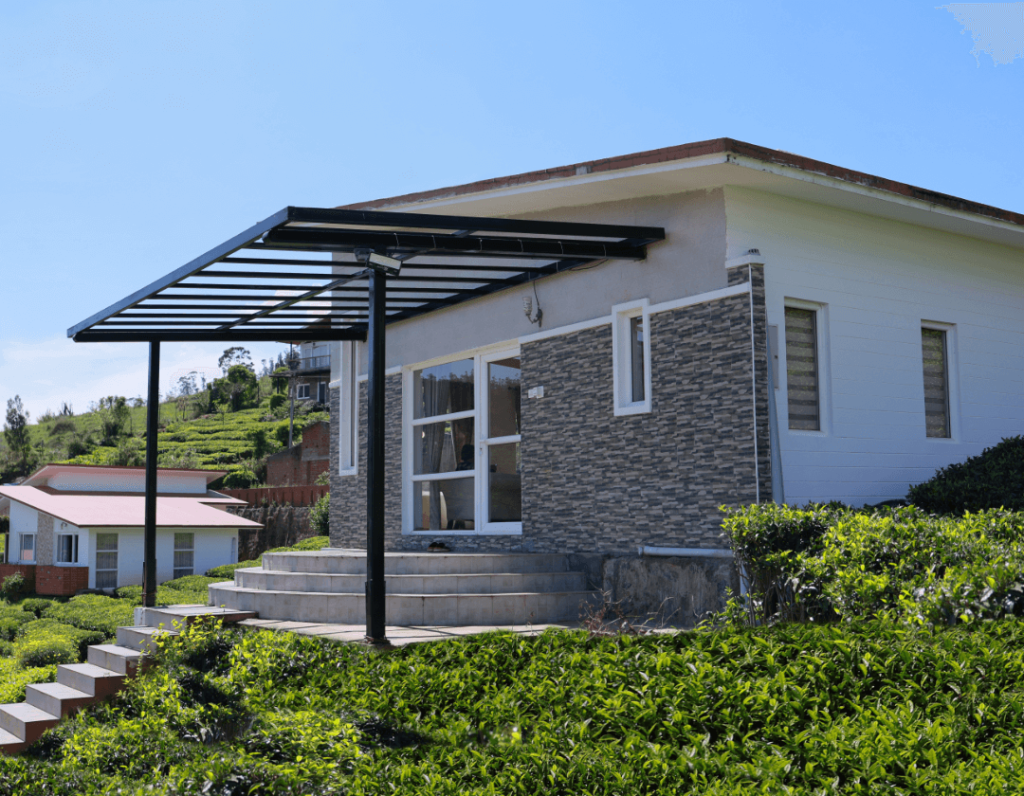
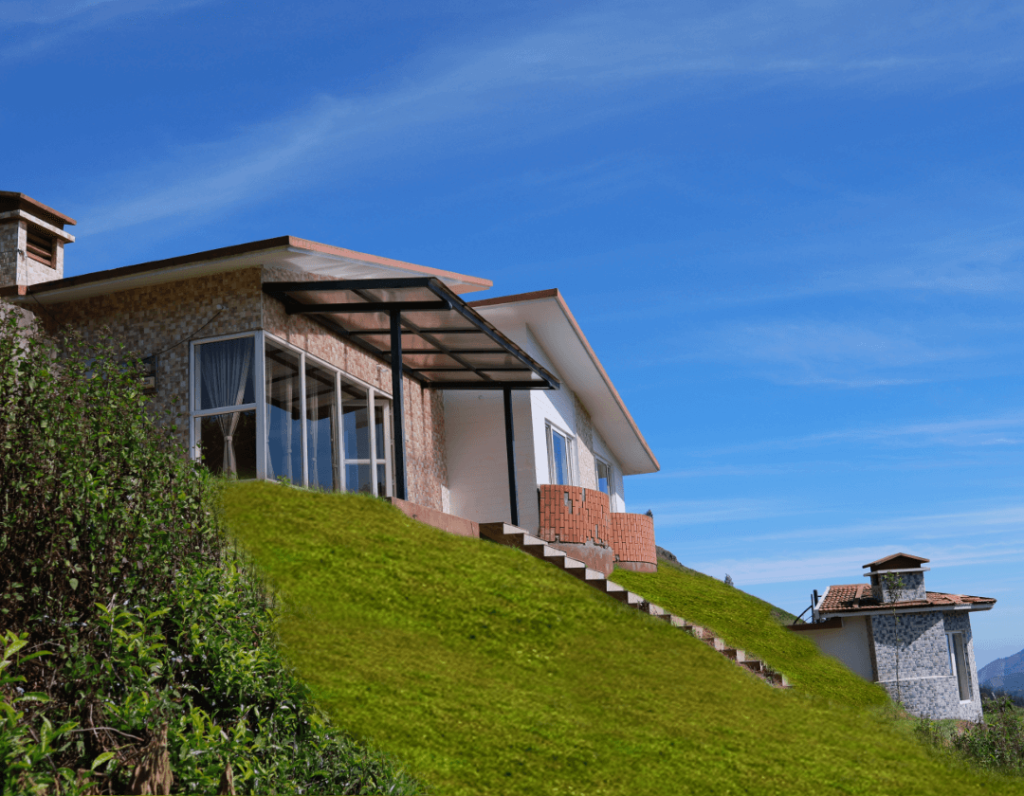
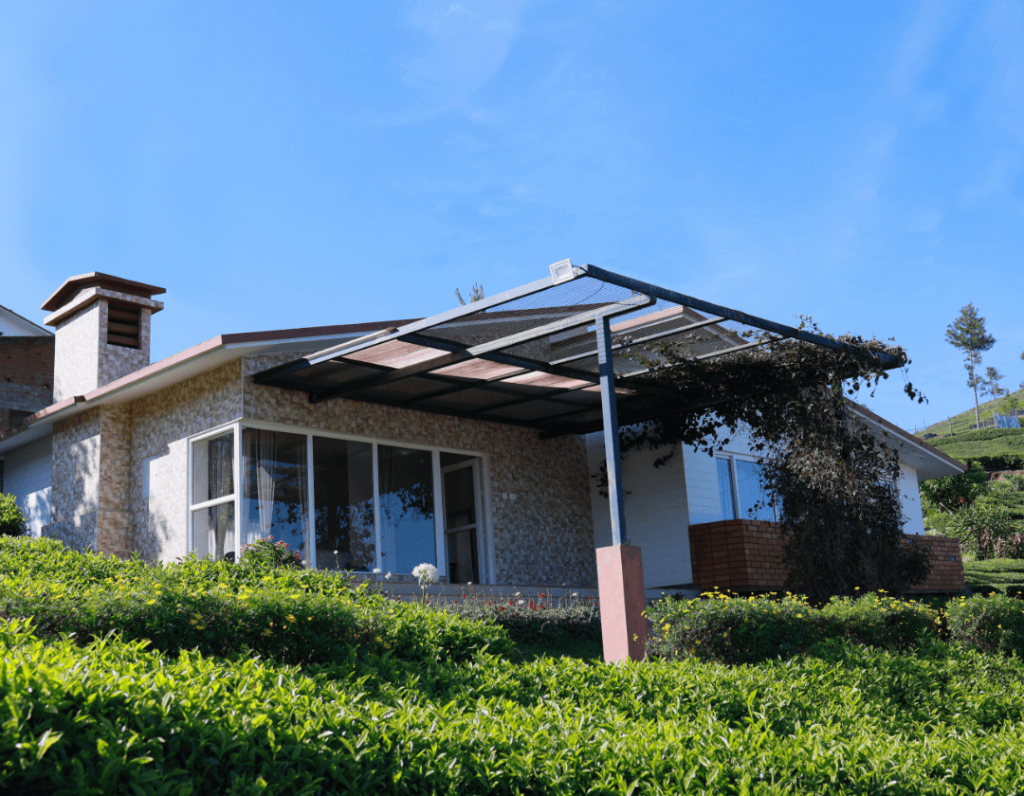
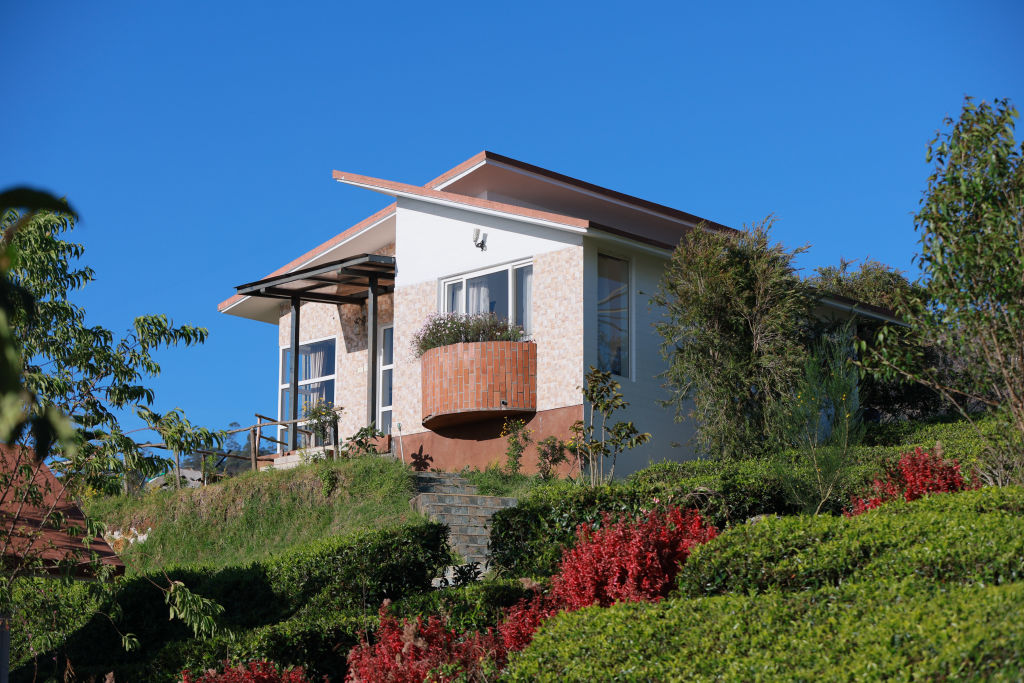
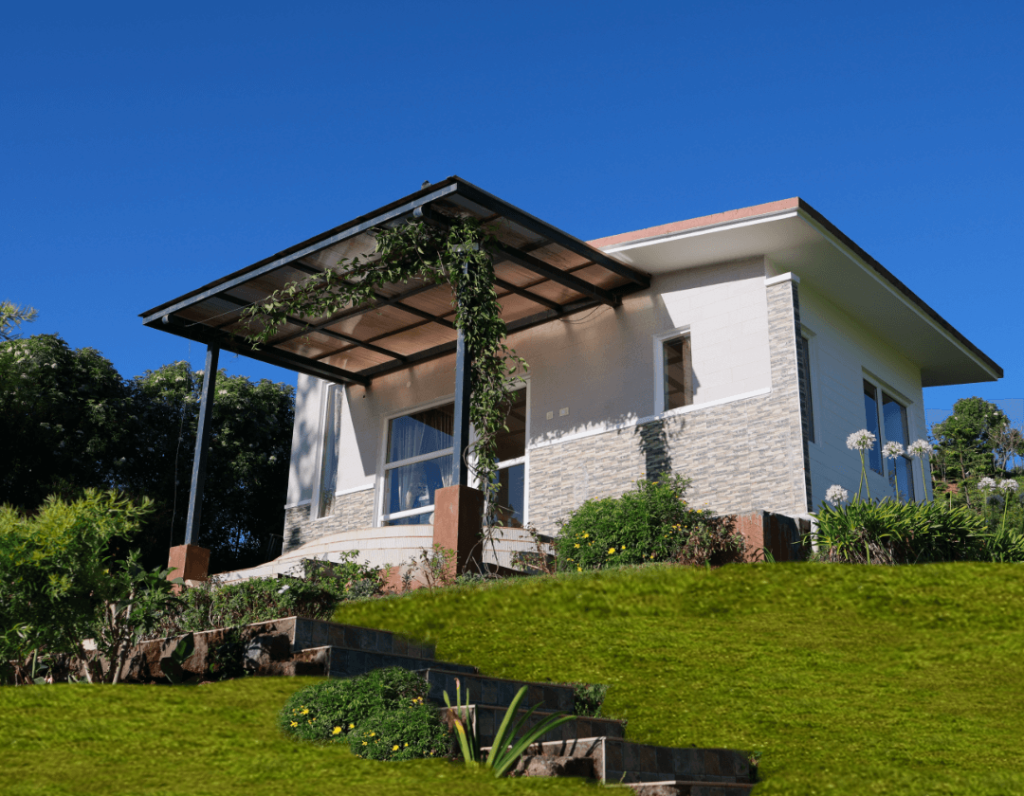
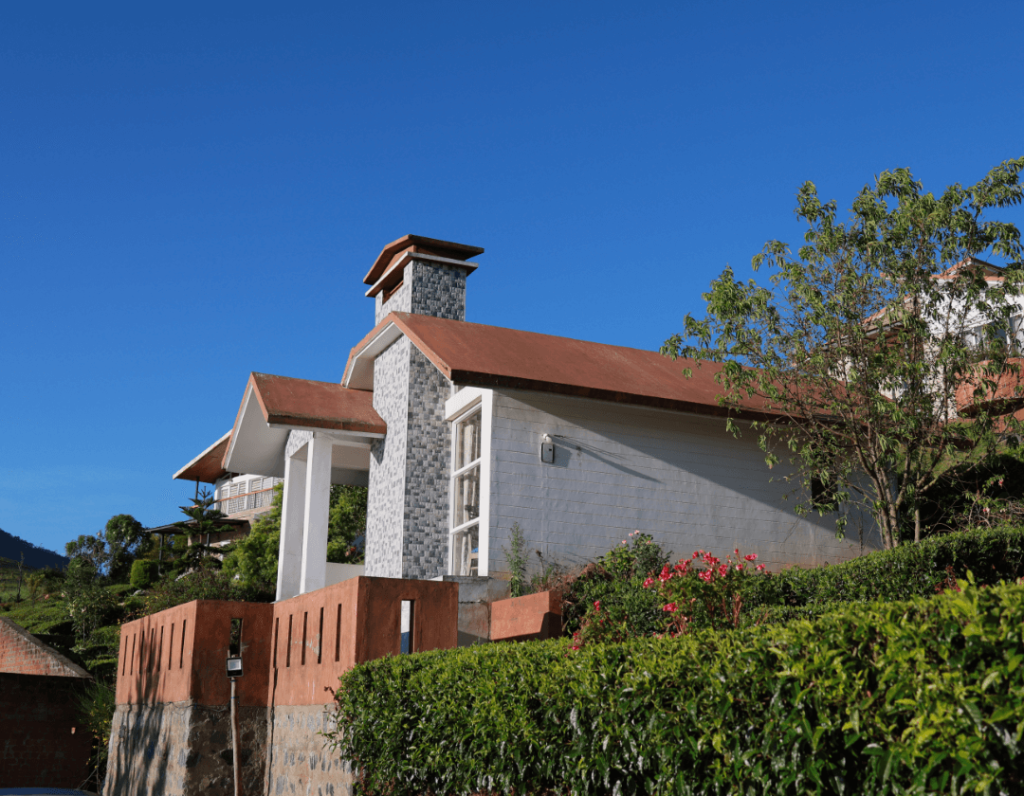
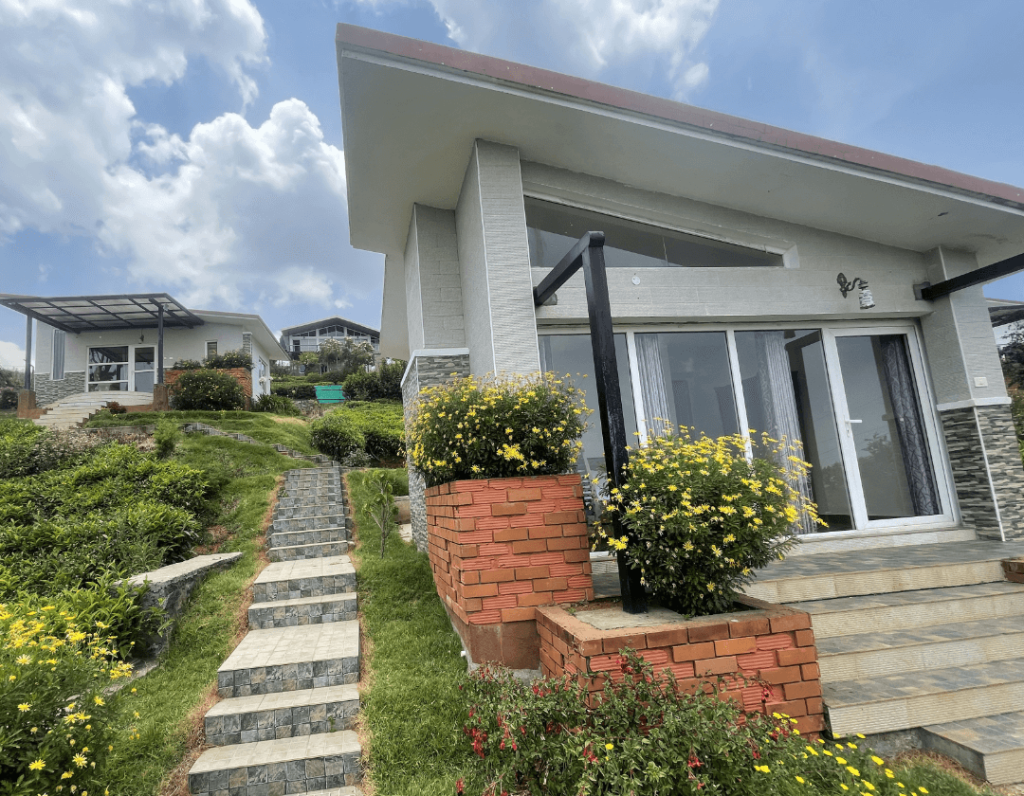
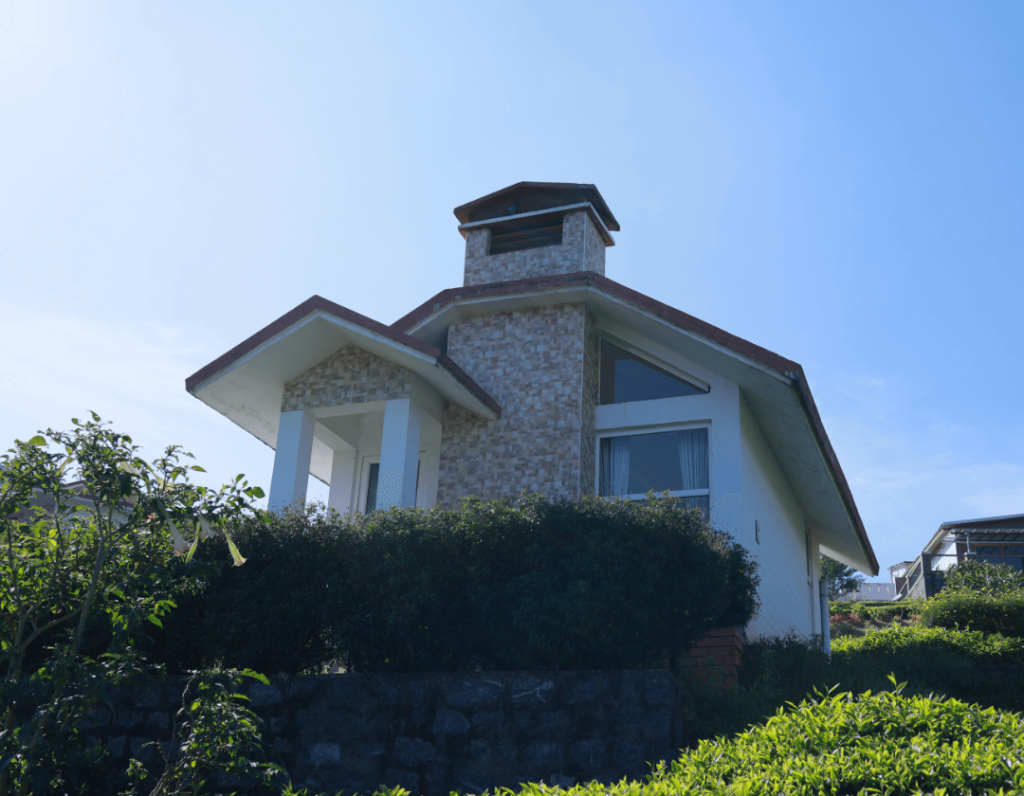
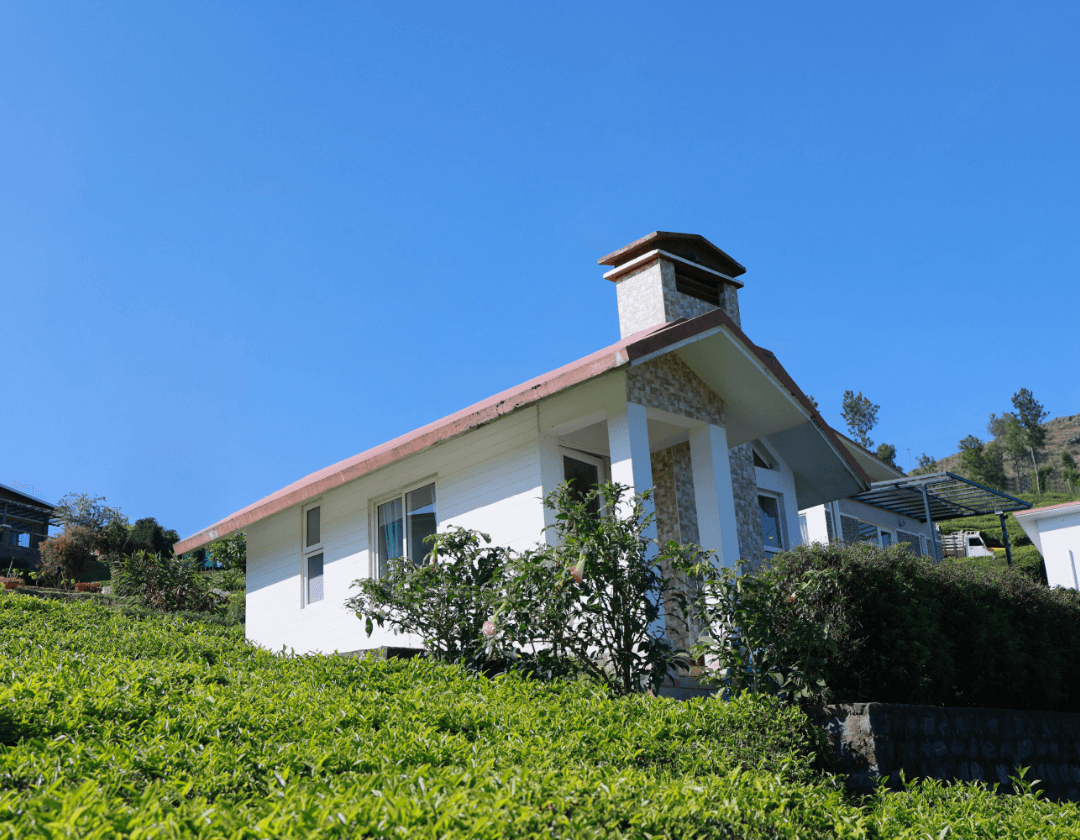
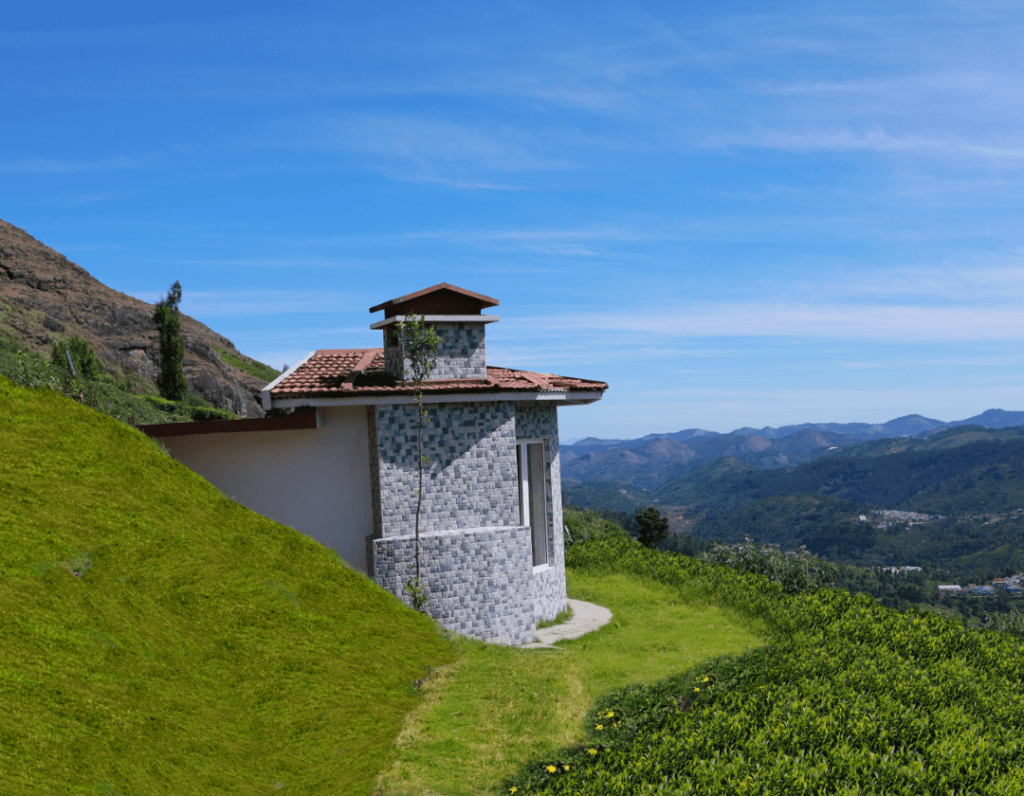
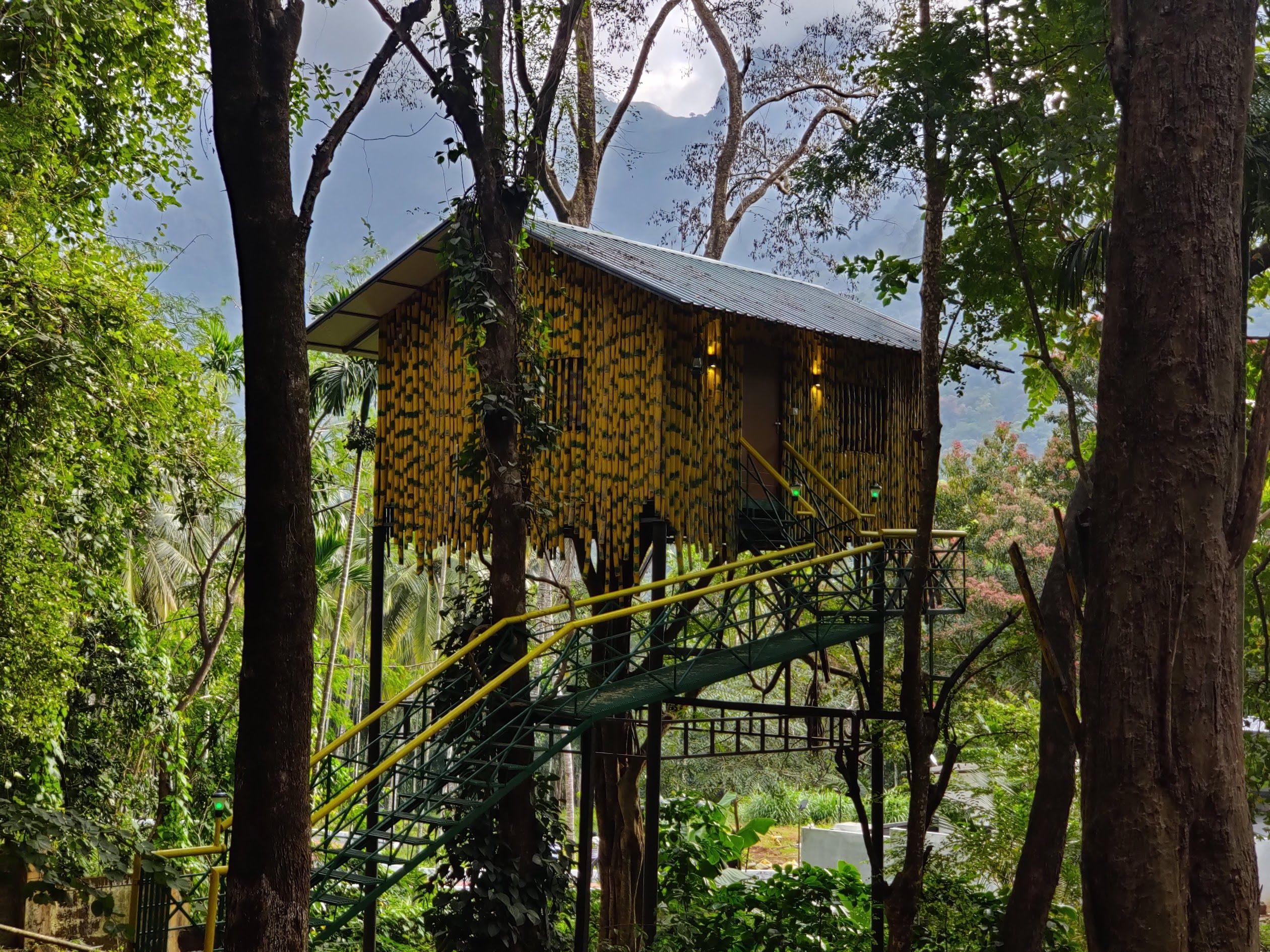
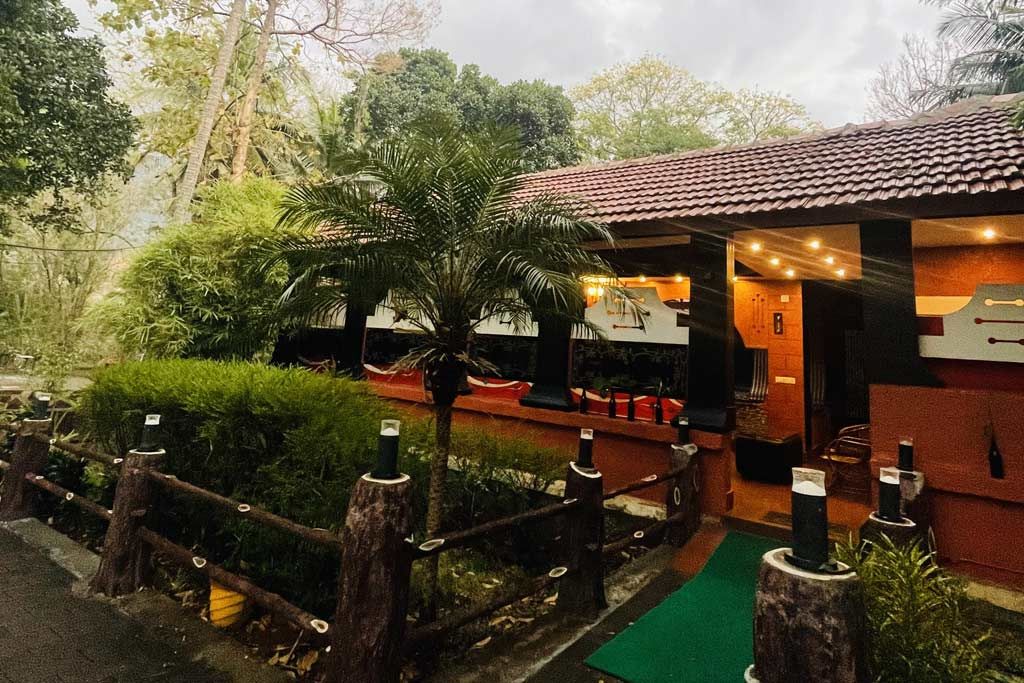
Travellers can find traditional plantation homestays, nature cottages, and scenic outdoor campsites nearby on HireACamp. Staying in these rural pockets allows you to wake up to tea garden views, quiet birdsong, and cooler temperatures while remaining within convenient driving distance of the lake entrance.
Frequently asked questions
Where is Avalanche Lake located?
Avalanche Lake is situated near the town of Kundah in the Nilgiri district of Tamil Nadu, surrounded by rolling hills and native shola forests.
Can you drive your own vehicle right up to Avalanche Lake?
Direct private vehicle access to the lake shore is typically restricted by forest authorities to protect the environment. Visitors usually park at the designated eco-tourism checkpoint and proceed via forest department vehicles or designated walking routes.
Is camping allowed directly on the shore of Avalanche Lake?
Camping right along the lake edge is not permitted due to wildlife conservation and catchment preservation rules. However, you can book outdoor campsites, cottages, and homestays on private land nearby through HireACamp.
What should I wear when visiting Avalanche Lake?
Wear comfortable walking shoes with good grip and dress in breathable layers. It is advisable to carry a light sweater or jacket, as high-altitude winds and fog can make temperatures drop quickly even during daytime.
Which months are best for visiting Avalanche Lake?
The period between October and March offers clear weather, pleasant temperatures, and scenic views. Summer months from April to May are also pleasant for escaping the heat of the plains.
Where you'll be
Avalanche Lake, Kundah · 12 stays nearby shown with prices
Stays near Avalanche Lake
Book a place to stay close by
More places near Avalanche Lake
Within 20 km


Lists for this area
Ranked by how many creators recommend each place


Built from 0 Instagram posts by 0 creators. Every tip links back to the post it came from, and where creators disagree we show both sides.






