
Upper Bhawani Dam
Dam near Bangitappal, Tamil Nadu
5.3 km from Bangitappal
The nearest town, for stays, food and fuel.
Upper Bhawani Dam is a tranquil reservoir situated deep in the Nilgiri Hills of Tamil Nadu, enclosed by dense shola forests and undulating montane grasslands. Located southwest of Ooty within an ecologically sensitive catchment area, it draws travellers looking for undisturbed natural beauty and quiet mountain landscapes. Visitors journey here to experience the pristine waters of the Bhavani River and the sweeping views across the high-altitude plateau.
Getting there
By road
- From BangitappalNearest town2 hr 5 min · 19 km
- From Coimbatore3 hr 30 min · 108 km
- From Mysuru5 hr 5 min · 207 km
- From Bengaluru7 hr 15 min · 352 km
Typical drive times without traffic. Stations and airports from OLA Maps; distances and typical drive times from OpenStreetMap (© OpenStreetMap contributors); notes from creators' Reels.
About Upper Bhawani Dam
Written with AI from map data and general knowledge. Check prices and timings locally before you go.
The Landscape of Upper Bhawani Dam
Upper Bhawani Dam rests in the southern expanse of the Nilgiri biosphere, where high-elevation grasslands meet ancient shola evergreen forests. Built across the upper reaches of the Bhavani River, the reservoir acts as a vital water catchment for the region. The surrounding terrain is characterized by rolling hills, steep valleys, and moisture-rich microclimates that frequently drift in and out of thick mountain mist.
The isolation of this landscape has helped preserve its wild character. Unlike the busier tourist circuits near central Ooty, the environment around the dam remains rugged and lightly populated. Lichen-draped trees, endemic rhododendrons, and mountain brooks define the topography, creating an atmosphere that feels distant from modern development.
What to Expect at Upper Bhawani Dam
Visiting Upper Bhawani Dam is primarily an experience of landscape and solitude. The expanse of deep blue and turquoise water set against dark green ridgelines provides striking panoramic scenery. Because the reservoir sits in a preserved catchment zone, the waters are remarkably clear and free of commercial clutter.
Wildlife sightings are a distinct possibility in this high-altitude haven. The forested patches and grassland fringes host diverse indigenous fauna, including the Nilgiri tahr, sambar deer, barking deer, and the Nilgiri langur. Birdwatchers may spot endemic species such as the Nilgiri flycatcher, the Nilgiri pipit, and various raptors soaring across the valley thermals. The overall atmosphere is quiet, punctuated only by wind moving across the reservoir and distant bird calls.
Read more
Best Time to Visit Upper Bhawani Dam
The Nilgiris experience three broad climatic phases, each altering the character of the Upper Bhawani landscape. The post-monsoon and winter months, spanning from October through February, are widely regarded as the most pleasant time to visit. During these months, the air is crisp, visibility across the reservoir is high, and morning frost occasionally blankets the open meadows.
Summer, lasting from March to May, brings milder temperatures and bright daylight, making it a comfortable escape from the plains. While water levels may dip toward the end of summer, the surrounding forests remain green. The southwest monsoon brings vigorous rain between June and September. Heavy rainfall during this time can result in thick mist, slick mountain paths, and localized travel restrictions, so travellers visiting in the monsoon should prepare for unpredictable conditions and check local access updates.
How to Reach Upper Bhawani Dam
The journey to Upper Bhawani Dam typically begins in Ooty, which serves as the regional hub for road transport in the Nilgiris. From Ooty, the route winds southward past emerald tea plantations, passing settlements such as Emerald and Avalanche before entering the deeper forest zones that lead toward the dam.
Coimbatore is the closest major transit point with a well-connected railway station and airport, located at the foothills. From Coimbatore, visitors travel up the mountain ghat roads via Mettupalayam or Coonoor to reach the upper plateau. Because the dam is situated within a sensitive forest and catchment area, access may be regulated by local forest authorities. In many instances, private vehicles are not permitted all the way to the water's edge, and visitors must complete the final stretch using designated forest department transport. Check locally in Ooty or at nearby forest checkpoints before setting out.
Important Guidelines for Visitors
Given the delicate ecology of the catchment area, travelling to Upper Bhawani Dam requires conscious and responsible behaviour. Plastic bans and strict anti-littering rules are actively enforced across the Nilgiri district. Visitors should carry reusable water containers and ensure that all personal rubbish is carried back to town.
Weather conditions in the high Nilgiris can shift rapidly. Even on clear mornings, temperatures can plunge quickly when cloud cover gathers, and cold winds often sweep over the open reservoir. Carrying sturdy walking shoes, windbreakers, and warm layers is strongly recommended. Commercial stalls, fuel stations, and eateries are non-existent in the immediate vicinity of the dam, so it is essential to fuel up your vehicle and carry adequate drinking water and light refreshments from Ooty or nearby villages.
Attractions in the Surrounding Nilgiris
A trip toward Upper Bhawani can be combined with other scenic natural points in the Nilgiris. Nearby Avalanche Lake and Emerald Lake offer broad vistas of still waters framed by wooded slopes and tea estates. These locations offer tranquil picnic spots and peaceful lakeside walking opportunities closer to village settlements.
Further north across the plateau, Pykara Lake and Pykara Waterfall provide classic Nilgiri sightseeing, known for open vistas and cascading streams. For those interested in regional river systems, viewpoints along the Bhavani River downstream showcase how these headwaters feed into the wider river basin before descending the Western Ghats.
Where to Stay near Upper Bhawani Dam
Due to forest preservation regulations, overnight accommodations are not available directly on the banks of Upper Bhawani Dam. Travellers generally base themselves in Ooty or choose quieter stays in the rural valleys around Emerald and Avalanche. These countryside areas offer a tranquil base away from town congestion and sit closer to the forest approach roads.
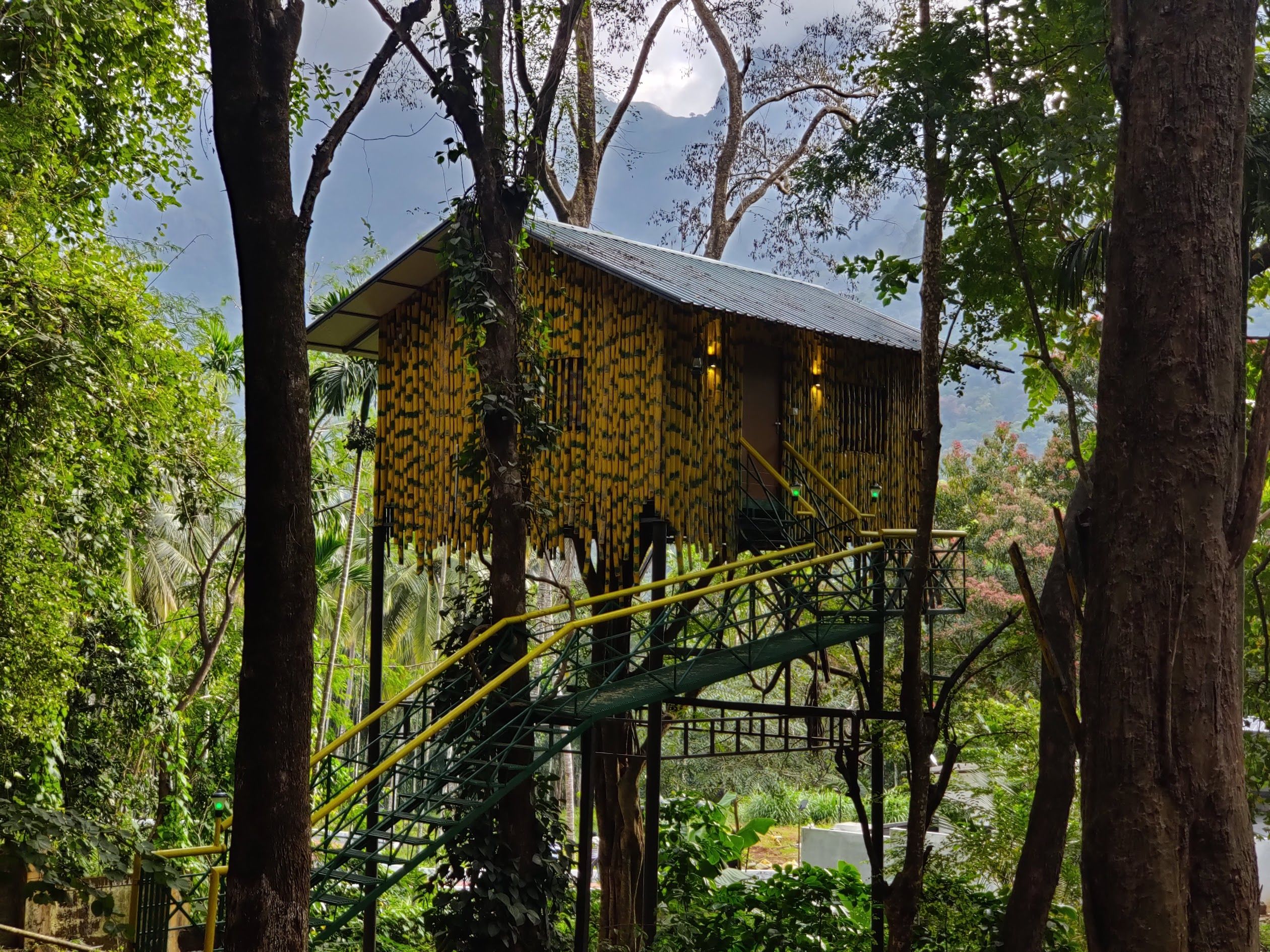
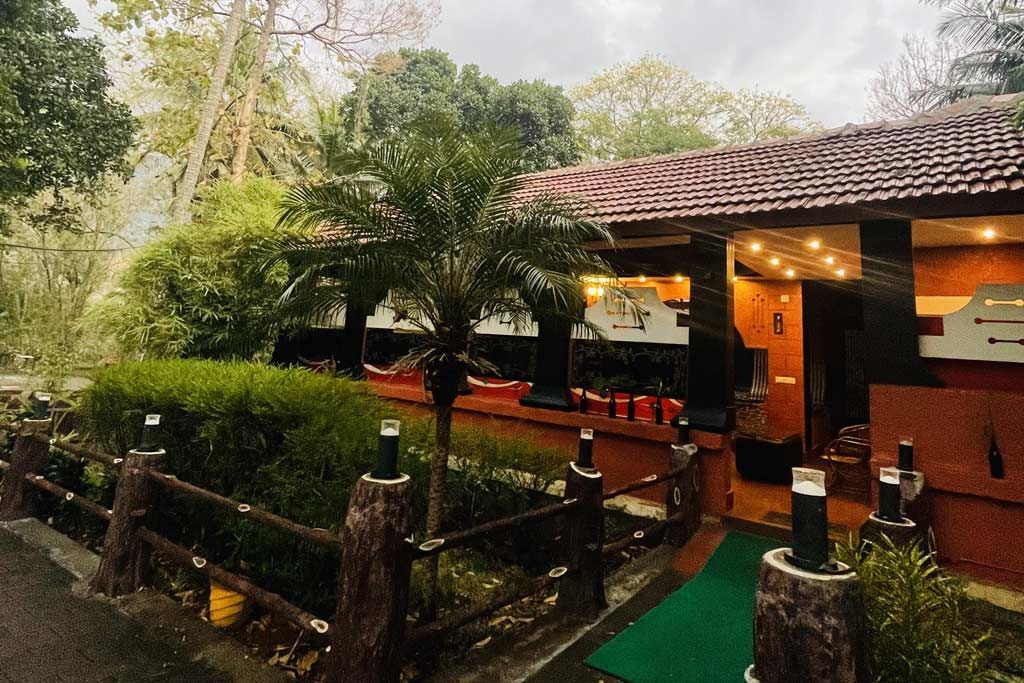
A variety of homestays, nature retreats, and rural campsites can be booked on HireACamp. Staying in the surrounding Nilgiri countryside provides an ideal vantage point for exploring the wilderness areas while waking up to tea garden views and fresh mountain air.
Frequently asked questions
Can I drive my private vehicle directly to Upper Bhawani Dam?
Private vehicle access is often restricted because the dam sits in an ecologically sensitive reserve forest. Visitors typically need to board forest department shuttle vehicles from designated checkpoints such as Avalanche; verify local rules in advance.
Are food and drinking water available at the dam?
No, there are no restaurants or commercial vendors around Upper Bhawani Dam. It is necessary to bring your own drinking water and snacks from Ooty or nearby villages, and carry all waste back with you.
What kind of clothing should I pack for the trip?
Pack warm layers, a windproof jacket, and comfortable walking shoes. High-altitude mountain winds and sudden shifts in cloud cover can cause temperatures to drop noticeably throughout the day.
Can visitors camp along the banks of Upper Bhawani Dam?
Camping directly along the reservoir shores is prohibited to protect wildlife and the municipal water supply. You can find permitted campsites and rural homestays in neighbouring valleys on HireACamp.
Where you'll be
Ooty · 2 stays nearby shown with prices
Stays near Upper Bhawani Dam
Book a place to stay close by
More places near Upper Bhawani Dam
Within 20 km


Lists for this area
Ranked by how many creators recommend each place


Built from 0 Instagram posts by 0 creators. Every tip links back to the post it came from, and where creators disagree we show both sides.






