
Beas River
Riverside spot near Vashisht, Himachal Pradesh
2 km from Vashisht
The nearest town, for stays, food and fuel.
The Beas River flows through the heart of Manali, carving its path across the Kullu Valley amid dense pine forests and dramatic Himalayan peaks. Fed by glacial streams near the Rohtang Pass, its turbulent turquoise waters and boulder-strewn banks are a defining feature of the mountain town. Travellers visit the river to unwind to the sound of rushing rapids, take photographs, and experience the alpine scenery of Himachal Pradesh.
Getting there
By road
- From VashishtNearest town6 min · 2.4 km
- From Manali12 min · 3.2 km
- From Chandigarh5 hr 35 min · 267 km
- From Ludhiana6 hr · 297 km
Typical drive times without traffic. Stations and airports from OLA Maps; distances and typical drive times from OpenStreetMap (© OpenStreetMap contributors); notes from creators' Reels.
About Beas River
Written with AI from map data and general knowledge. Check prices and timings locally before you go.
The Character of the Beas River in Manali
Rising high in the Himalayas near Rohtang Pass from the Beas Kund basin, the Beas River gathers momentum as it descends through the upper Kullu Valley. By the time it reaches Manali, it has transformed into a vigorous, roaring waterway tumbling over massive granite boulders and cut through wide gravel flats. The waters vary in appearance across the seasons, shifting from an icy turquoise or slate blue in the calm, colder months to an energetic, silt-laden torrent during snowmelt and monsoon surges.
The river corridor defines much of the topography of Manali. Tall Himalayan deodar trees, blue pines, and willows line the banks, creating shaded pockets where the cool mist from the rapids dampens the mountain air. Walking close to the water provides a stark reminder of the river's high-altitude origin, with glacial currents running cold throughout the entire year.
Things to do by the Beas River
Spending time along the Beas River is largely about slowing down and taking in the mountain environment. Many visitors seek out quiet, accessible spots along the riverbanks to sit on sun-warmed rocks, read, sketch, or listen to the steady cadence of cascading rapids. The morning hours offer crisp light that filters through the pine canopy, making it a favoured time for landscape photography and solitary walks along the riverbed.
In designated sections downstream towards Kullu, the river serves as a hub for whitewater rafting when seasonal water levels allow. In the immediate vicinity of Manali, however, the focus is largely on gentle exploration. Travellers frequently pack simple daytime picnics to enjoy on the gravel banks, taking care to stay well back from the faster currents. Angling for Himalayan trout is also practiced along certain quieter stretches of the valley, subject to local fisheries guidelines and permits.
Read more
Best time to visit the Beas River
The Beas River offers vastly different moods depending on when you travel. The spring and summer months, running from April through June, are generally considered the best period for spending time outdoors by the river. During this window, daytime temperatures are comfortable, alpine flowers bloom in the surrounding valley, and the river is fed by melting snowpack, filling its channel with clean, rushing water.
Autumn, from late September to November, brings crisp air, exceptionally clear skies, and a lower, gentler water flow that turns a pale crystalline hue. Winter introduces freezing temperatures, with frost lining the riverbed and occasional snowfall coating the granite boulders along the shore. The monsoon months of July and August require immense caution; heavy rainfall causes the Beas to swell rapidly and carry dangerous debris, making the banks unstable and visiting the river's edge unsafe.
How to reach the Beas River
Because the Beas River runs directly parallel to Manali, reaching its banks is straightforward once you arrive in town. Manali is connected to regional transit hubs via the National Highway network, with regular state-run and private buses connecting the hill town to Chandigarh, Delhi, and other cities across north India. Roads run right alongside long stretches of the river throughout the Kullu Valley, giving travellers clear views of the water during the climb into town.
The nearest airport is located at Bhuntar, approximately fifty kilometres south of Manali, from where taxis and local buses travel north along the river valley road. For rail travellers, broad-gauge railheads at Chandigarh and Ambala serve as standard drop-off points, followed by a scenic mountain drive. Once in Manali, many points along the river are within easy walking distance from central streets, while more secluded stretches can be reached via brief local cab rides or auto-rickshaws.
Places to explore near the Beas River
The immediate area around the Beas River in Manali offers plenty of opportunities to explore the culture and geography of Himachal Pradesh. Just a short walk from the central river crossings lies the local Tibetan Market, where visitors can browse handwoven woollens, prayer flags, and traditional mountain crafts. The older quarter of Manali, perched higher up the hillside above the western bank, features traditional wooden architecture and quiet fruit orchards.
For those looking to venture further, scenic day trips lead north toward Solang Valley and the higher alpine passes, where the landscape transitions into rugged moraines and open meadows. Southward down the valley, smaller hamlets and scenic side valleys, including paths branching off toward the Parvati Valley and quiet mountain settlements like Pulga, showcase the incredible biodiversity and rural charm of the wider Kullu region.
Safety and responsible travel along the river
The Beas River is a powerful mountain torrent with deceptively swift undertows and cold temperatures capable of inducing hypothermia within minutes. Visitors should always observe the water from a safe distance, especially where granite boulders become slippery from spray or morning frost. Swimming or wading deep into the river is strongly discouraged anywhere along the upper course, as water levels can fluctuate without prior warning due to dam releases upstream.
Maintaining the river's pristine condition is equally vital. The fragile riparian ecosystem suffers greatly from discarded food wrappers, beverage containers, and plastic waste. Visitors are urged to practice strict leave-no-trace ethics by packing out everything they carry in. Lighting open campfires on the dry gravel or playing loud amplified music disrupts wildlife and fellow travellers, so maintaining a quiet, clean presence ensures the riverbanks remain undisturbed for everyone.
Where to stay near the Beas River
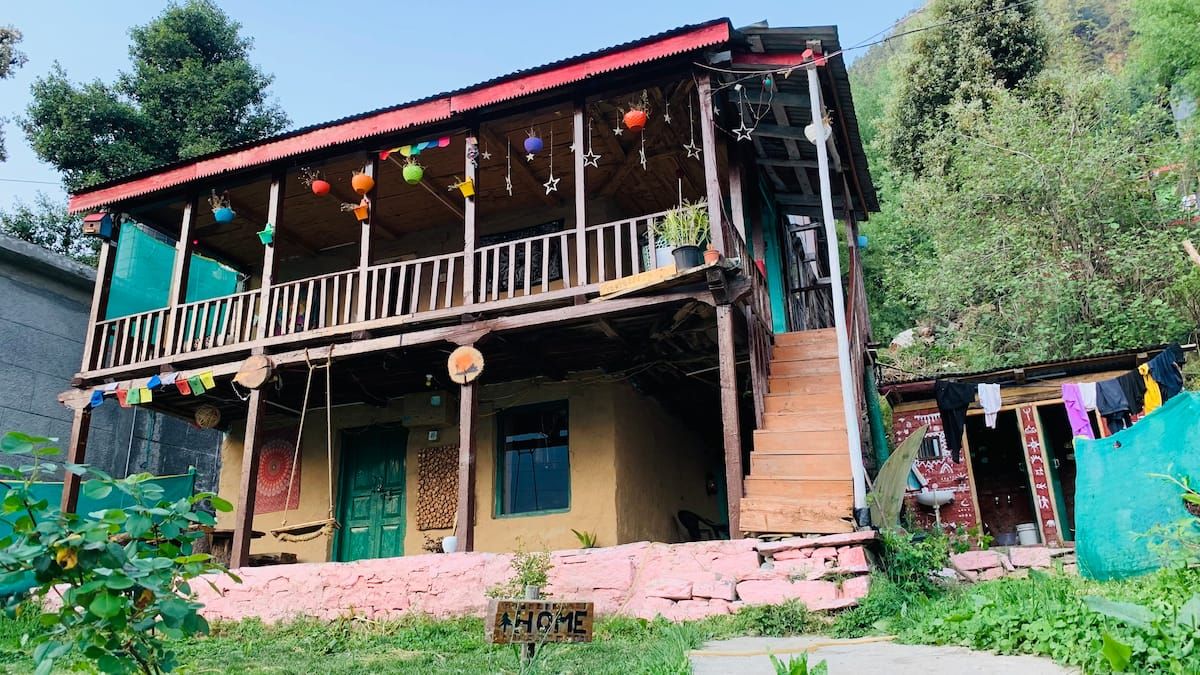
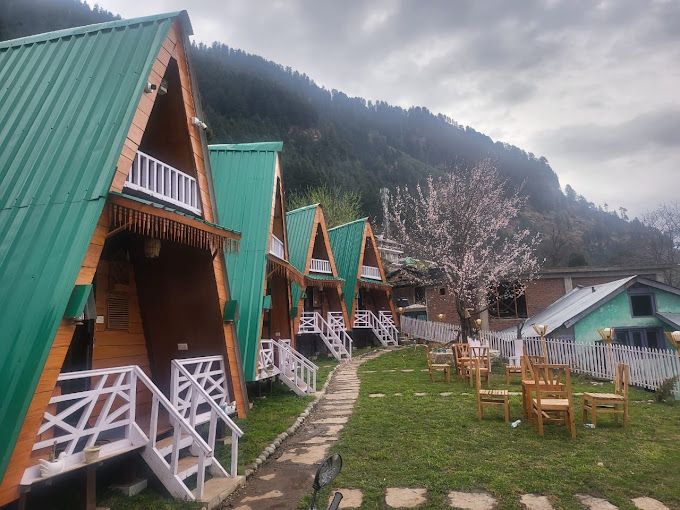
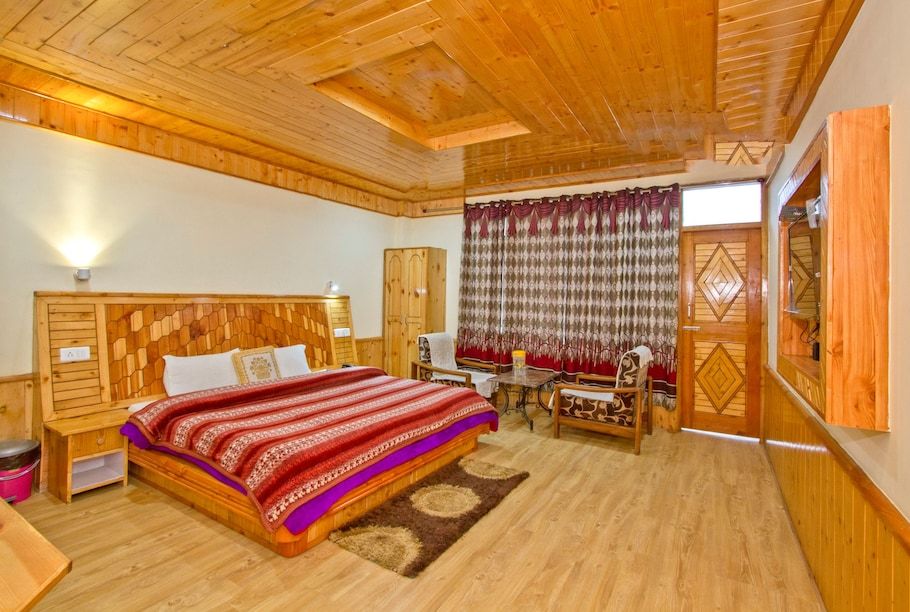
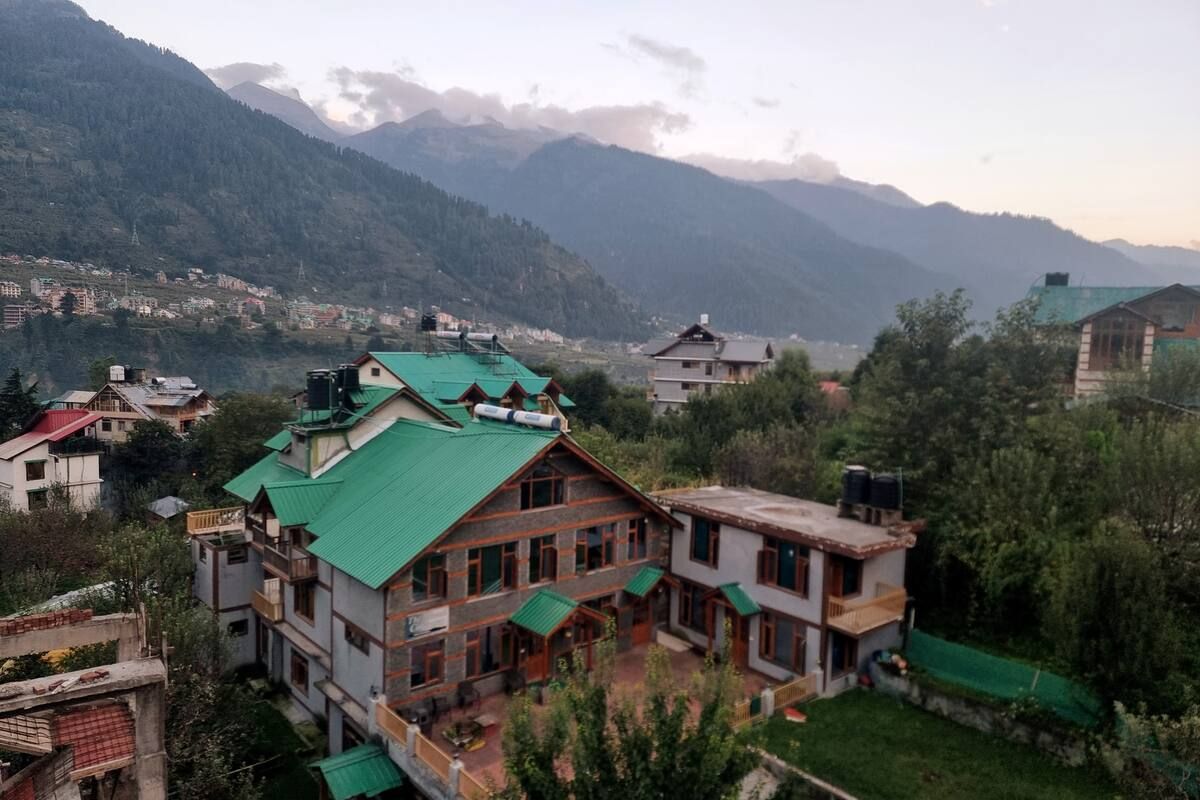
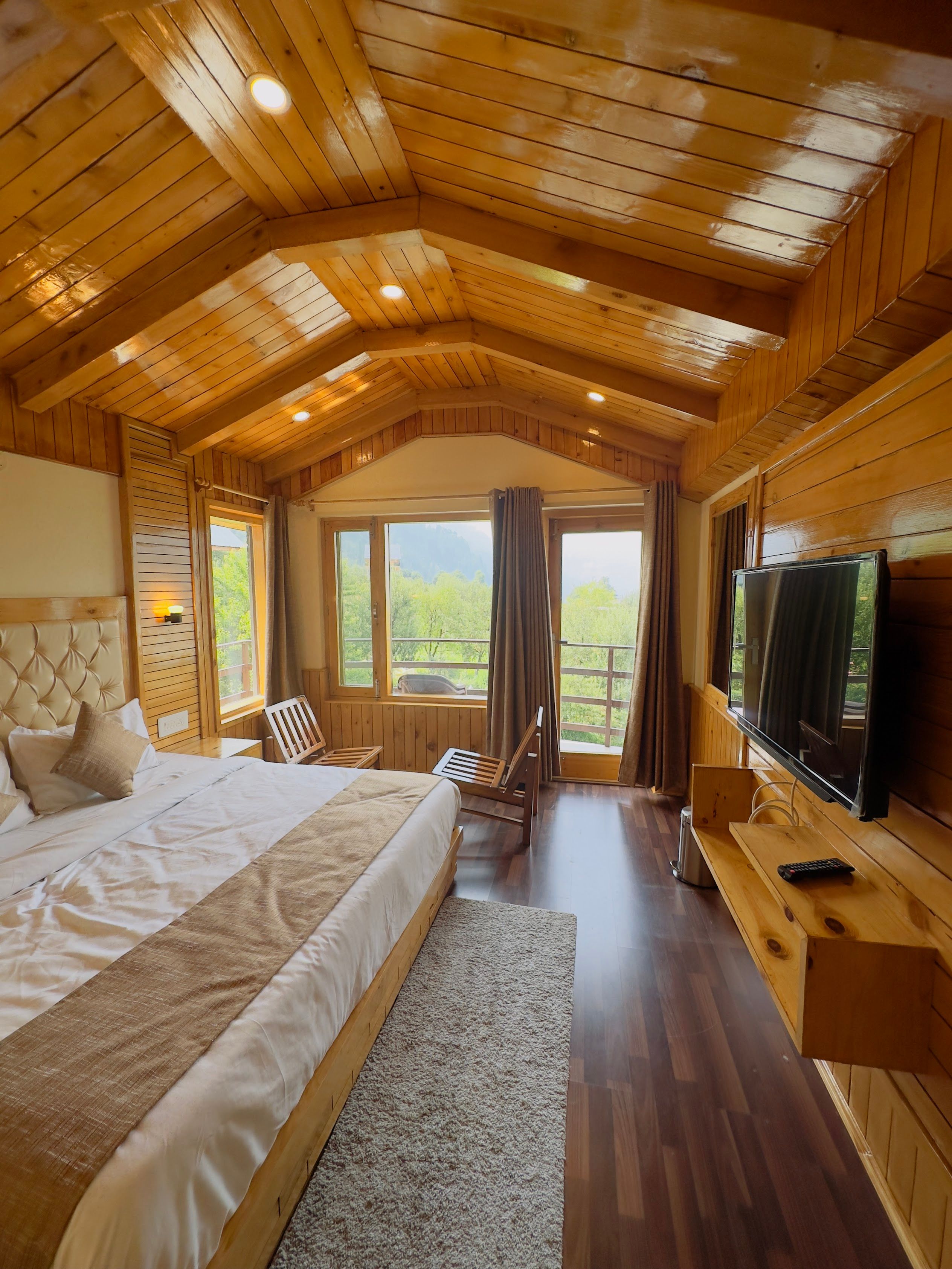
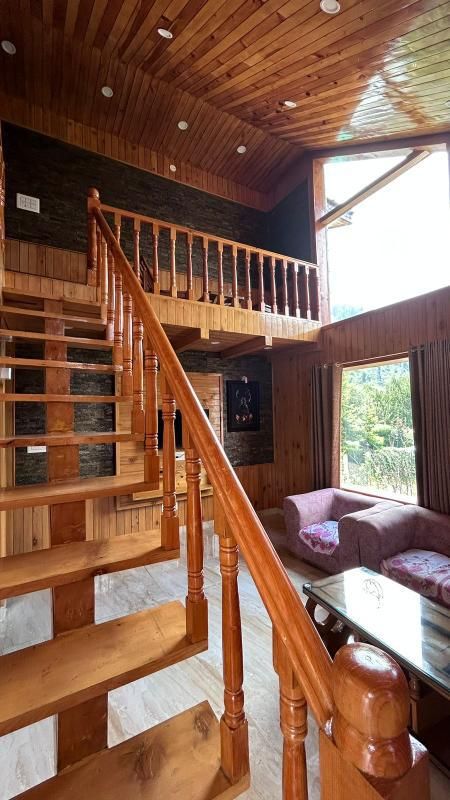
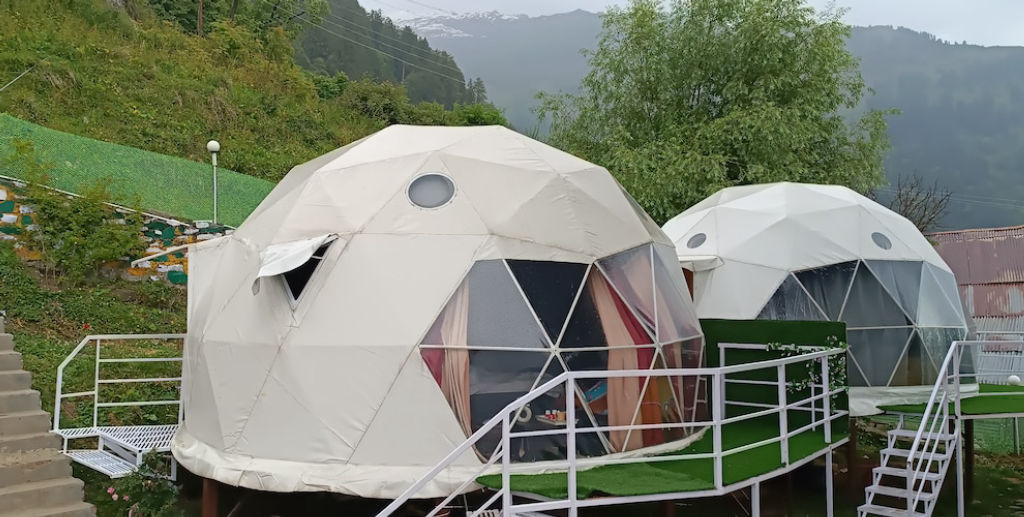
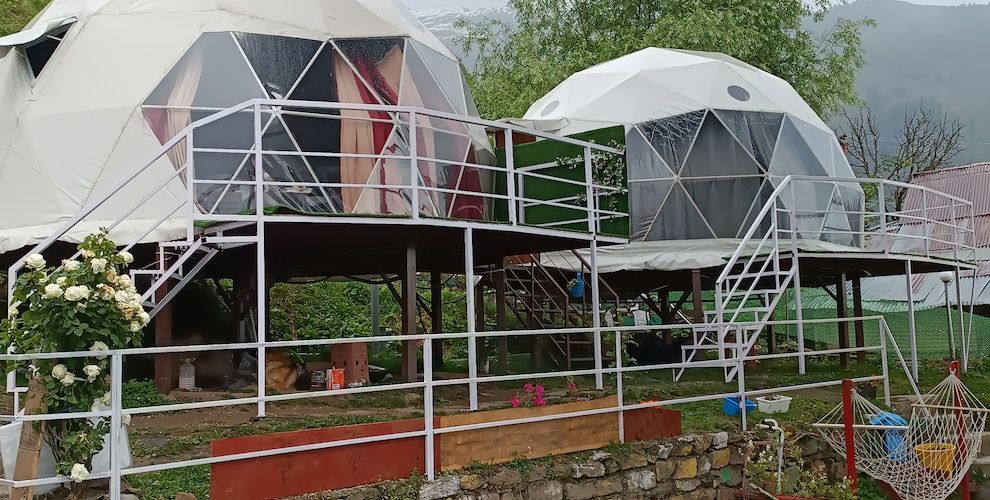
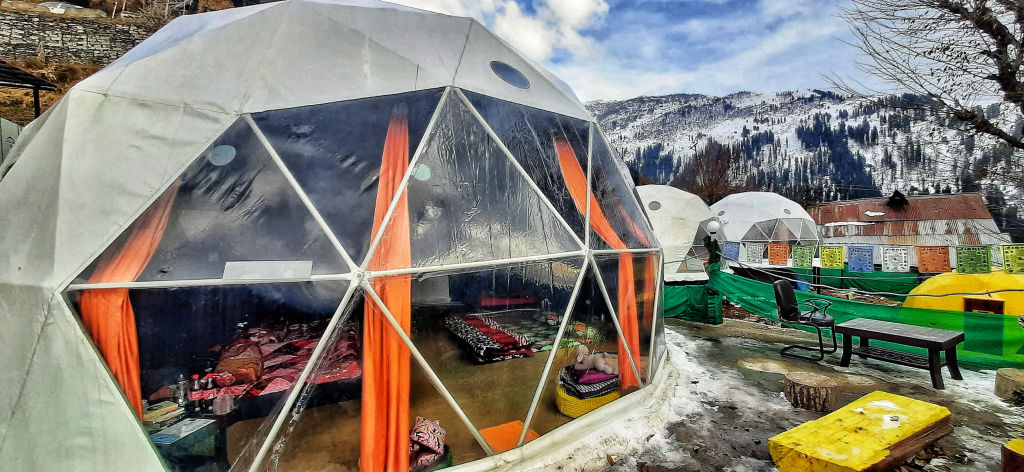
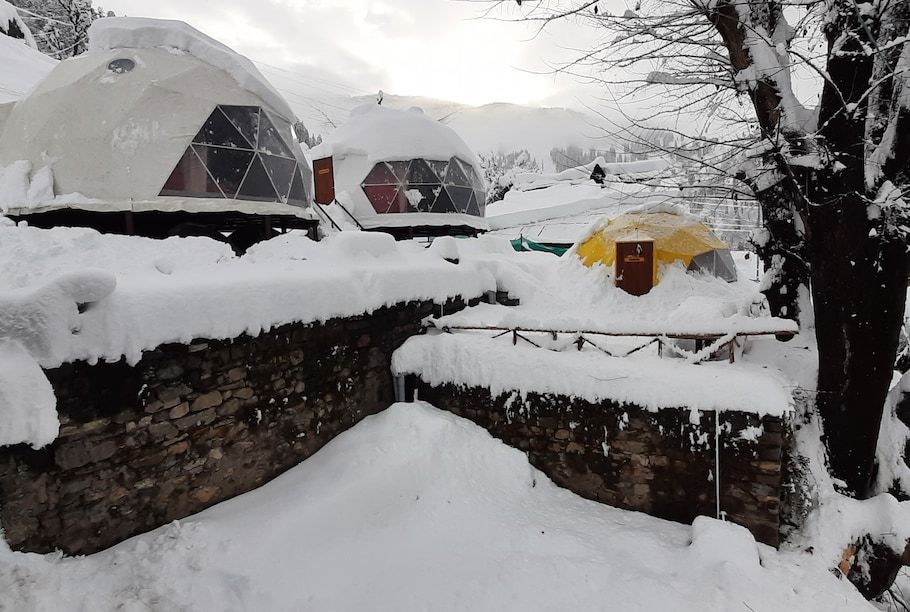
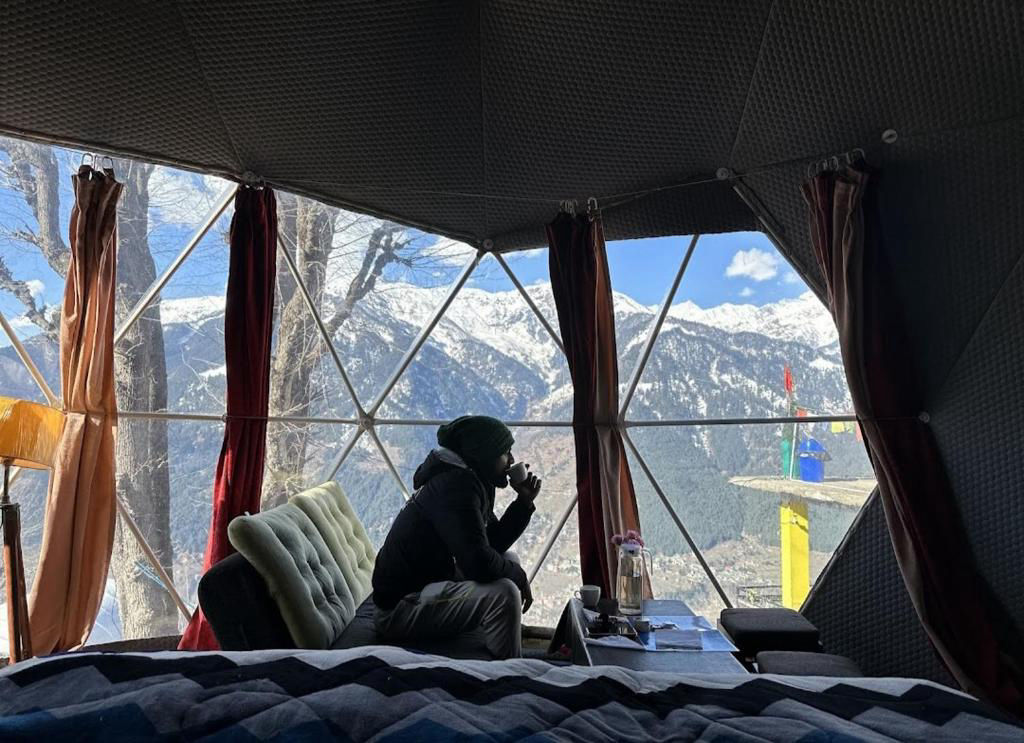
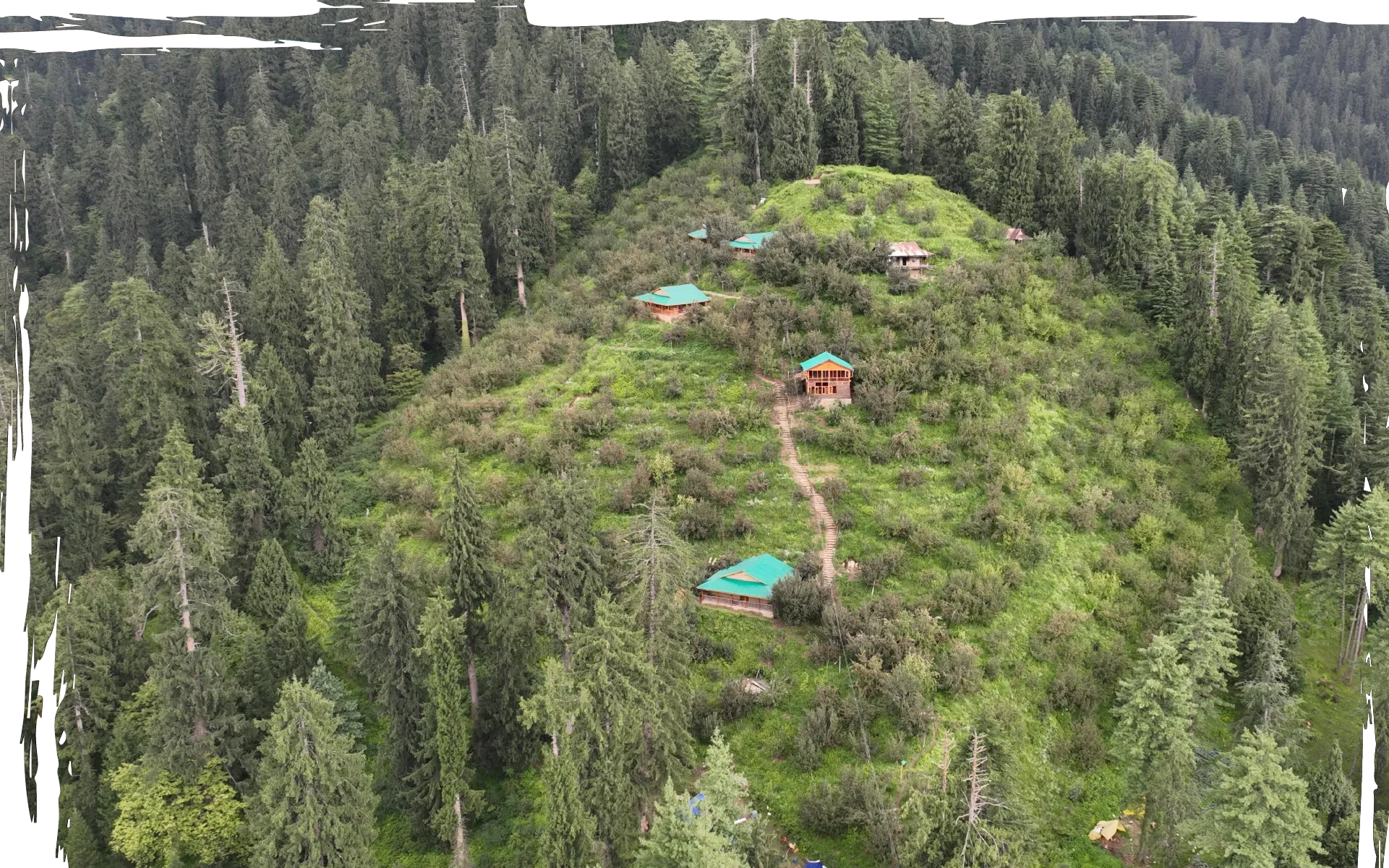
Staying near the river allows you to fall asleep and wake to the ambient rhythm of tumbling water. The valley surrounding Manali offers an array of outdoor-focused lodgings, from riverside canvas camps and rustic cottages to family-run homestays nestled within apple orchards. To find verified riverside campsites, nature retreats, and tranquil homestays around Manali and the Kullu Valley, explore the available listings on HireACamp.
Frequently asked questions
Where does the Beas River originate?
The river originates from Beas Kund, a high-altitude glacial basin located near the Rohtang Pass in Himachal Pradesh.
Is it safe to swim in the Beas River in Manali?
No, swimming in the Beas River around Manali is not safe due to frigid water temperatures, strong currents, and sudden changes in water levels.
Can you do river rafting on the Beas River?
River rafting is conducted on specific, permitted stretches further downstream in the Kullu Valley rather than directly in central Manali.
What should I wear when visiting the riverbanks?
Wear sturdy shoes with good traction to navigate uneven, damp rocks, and carry a warm layer, as the breeze coming off the glacial water can feel quite cold even on sunny days.
Where you'll be
Manali, Manali · 12 stays nearby shown with prices
Stays near Beas River
Book a place to stay close by
More places near Beas River
Within 20 km


Built from 0 Instagram posts by 0 creators. Every tip links back to the post it came from, and where creators disagree we show both sides.






