
Behna Mahadev Temple
Temple near Kumarsain, Himachal Pradesh
7.4 km from Kumarsain
The nearest town, for stays, food and fuel.
Behna Mahadev Temple is an ancient wooden shrine dedicated to Lord Shiva, located in the peaceful valley of Ani in Himachal Pradesh. Renowned for its intricate Pahari timber architecture and age-old stone plinth, the temple attracts travellers and pilgrims seeking heritage, spirituality, and rural Himalayan tranquility.
Getting there
By road
- From KumarsainNearest town32 min · 23 km
- From Chandigarh4 hr 30 min · 217 km
- From Ludhiana6 hr 20 min · 313 km
- From Dehradun6 hr 40 min · 334 km
Typical drive times without traffic. Stations and airports from OLA Maps; distances and typical drive times from OpenStreetMap (© OpenStreetMap contributors); notes from creators' Reels.
About Behna Mahadev Temple
Written with AI from map data and general knowledge. Check prices and timings locally before you go.
About Behna Mahadev Temple
Set against the terraced hillsides and apple orchards of the Outer Seraj region in Himachal Pradesh, Behna Mahadev Temple stands as a treasured testament to ancient Himalayan craftsmanship. Located near the rural settlement of Ani, this shrine is dedicated to Lord Shiva and remains an active centre of daily worship and community life for villagers across the valley. The shrine sits close to a quiet mountain stream within the Sutlej river basin, where terraced fields slope down toward rushing waters and deodar-covered ridges.
Unlike the stone temples seen across the northern plains, Behna Mahadev reflects the indigenous architecture of the middle Himalayas. It serves not only as a spiritual sanctuary but also as a living museum of regional timber carving. Travellers who venture off the conventional hill station circuits come here to witness its remarkable woodwork, peaceful rural atmosphere, and the deep cultural connection the locals maintain with their presiding deity.
Architecture and Heritage of the Temple
The architectural form of Behna Mahadev Temple is one of its most remarkable aspects. Built primarily using native deodar wood, slate stone, and river boulders, the shrine showcases traditional construction techniques that have withstood seismic shifts and harsh mountain weather for centuries. The multi-tiered sloping slate roof is designed to shed heavy monsoon downpours and winter snow, crowned with ornate wooden finials that catch the mountain sun.
What truly distinguishes the temple is the meticulous quality of its timber carvings. The exterior panels, pillars, door lintels, and ceiling eaves are decorated with detailed reliefs depicting deities, mythological guardians, floral motifs, geometric patterns, and scenes from epic traditions. Hand-chiseled by generational woodworkers, these carvings have taken on a deep, weathered patina that speaks to centuries of care and devotion. Stepping into the stone-paved courtyard offers an intimate look at an architectural tradition that once flourished throughout the valleys of Kullu and Shimla.
Read more
Best Time to Visit Behna Mahadev Temple
The Ani region experiences four distinct seasons, each offering a different atmosphere for visiting Behna Mahadev Temple. The spring and summer months, running from April to late June, are widely considered the most comfortable period to explore. During this time, daytime temperatures remain pleasant, skies are generally clear, and the surrounding fruit orchards are in full bloom, making road journeys scenic and comfortable.
Autumn, from mid-September through November, brings crisp air, bright sunlight, and clear panoramic views across the valleys. The monsoon rains recede by September, leaving the terraced hillsides lush and washed clean, while the apple harvest fills nearby hamlets with activity. Winter, spanning December to February, can be quite cold, with occasional snowfall on higher neighboring ridges like Jalori Pass. While Ani itself is situated lower than the high passes, winter travellers should be prepared for chilly nights and check for seasonal road disruptions before setting out.
How to Reach Behna Mahadev Temple
Behna Mahadev Temple is accessible via the network of hill roads that link the Ani area with Shimla, Rampur Bushahr, and the Kullu Valley. The nearest major travel hub is Shimla, located to the south. From Shimla, the common driving route heads north past Narkanda before descending toward the Sutlej valley and crossing upward toward Ani. The drive takes around four to five hours under typical traffic-free conditions, navigating scenic curves and changing forest zones.
Travellers arriving from the Kullu or Mandi sides can navigate via Aut and the Banjar valley, crossing the high crest of Jalori Pass to descend into the Ani basin. However, Jalori Pass is prone to heavy winter snow closures and seasonal monsoon blockages, so travellers should check road conditions locally prior to travel. Shared taxis and regional buses operate between Ani and larger towns such as Shimla, Rampur, and Kullu, though having your own transport offers the flexibility to stop at viewpoints and small hamlets along the way.
Places to Visit Nearby
The countryside surrounding Ani and the Behna valley is filled with historic temples, high viewpoints, and serene natural settings. A scenic drive up the ridge line toward Narkanda brings you to Hatu Peak, known for its sweeping vistas of the Greater Himalayas and its hillside shrine. Close to this area lies Tani Jubbar Lake, a quiet, circular water body fringed by tall deodar trees.
Those interested in traditional sacred architecture will find other significant sites in the neighbouring valleys, including the ancient Kamaksha Mata Temple and Mamleshwar Mahadev Temple, both celebrated for their deep historical roots and local folklore. Further over the crest of Jalori Pass, travellers can reach the quiet hamlets of Gadagushaini and the pristine waterways of the Tirthan Valley, making Ani a rewarding stop on a broader exploratory route through central Himachal.
Tips for Your Visit
When planning your visit to Behna Mahadev Temple, respectful conduct toward local customs is essential. Like most traditional shrines in Himachal Pradesh, visitors are required to remove leather accessories and footwear before stepping onto the temple platform. Dress modestly out of respect for the local community, keeping shoulders and knees covered.
Photography is often restricted within the inner sanctum, so always seek permission from the temple priest or local caretakers before photographing the structures or rituals. The mountain roads in this part of the state are winding and narrow, requiring steady, cautious driving. It is wise to carry adequate cash, as remote village shops and rural transport services may not always support digital payments due to fluctuating mobile network coverage. Keep a light jacket handy even during warmer months, as evenings in the valley can cool down quickly.
Where to Stay near Behna Mahadev Temple
Ani and its adjoining valleys offer an unhurried, rural base far removed from crowded tourist towns. Staying in the area allows you to wake up to crisp mountain breezes, walk through terraced orchards, and experience genuine Pahari village life.
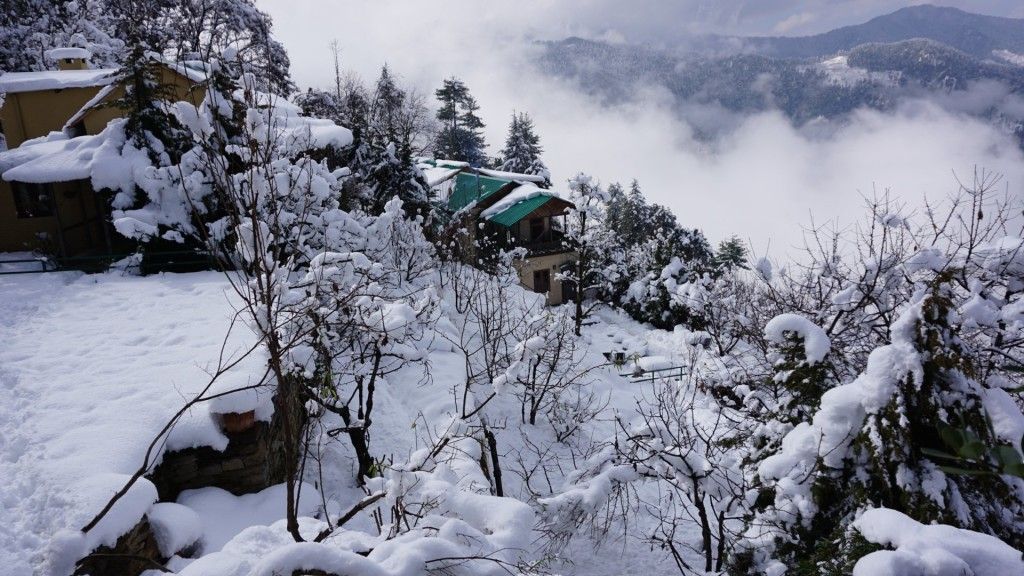
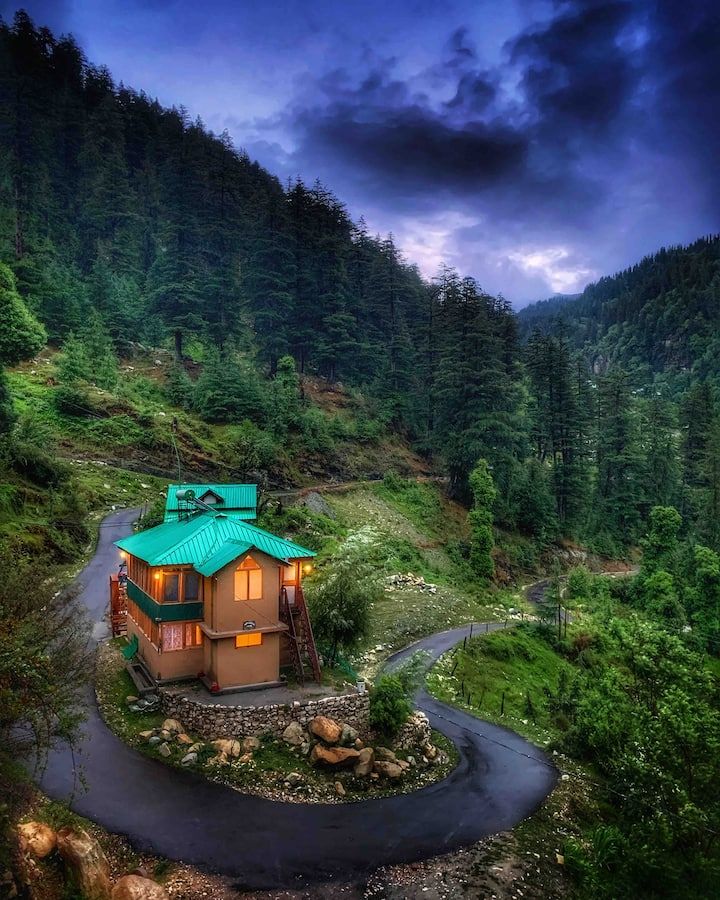
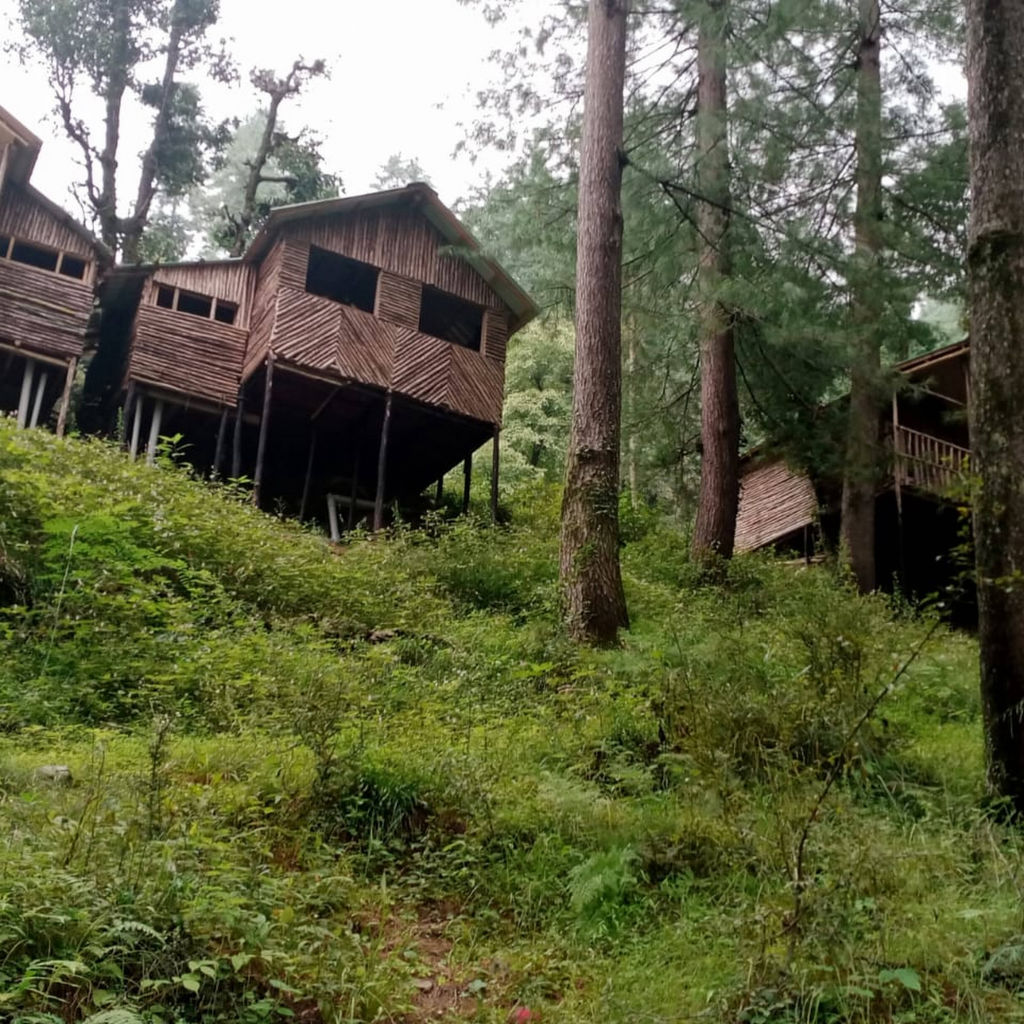
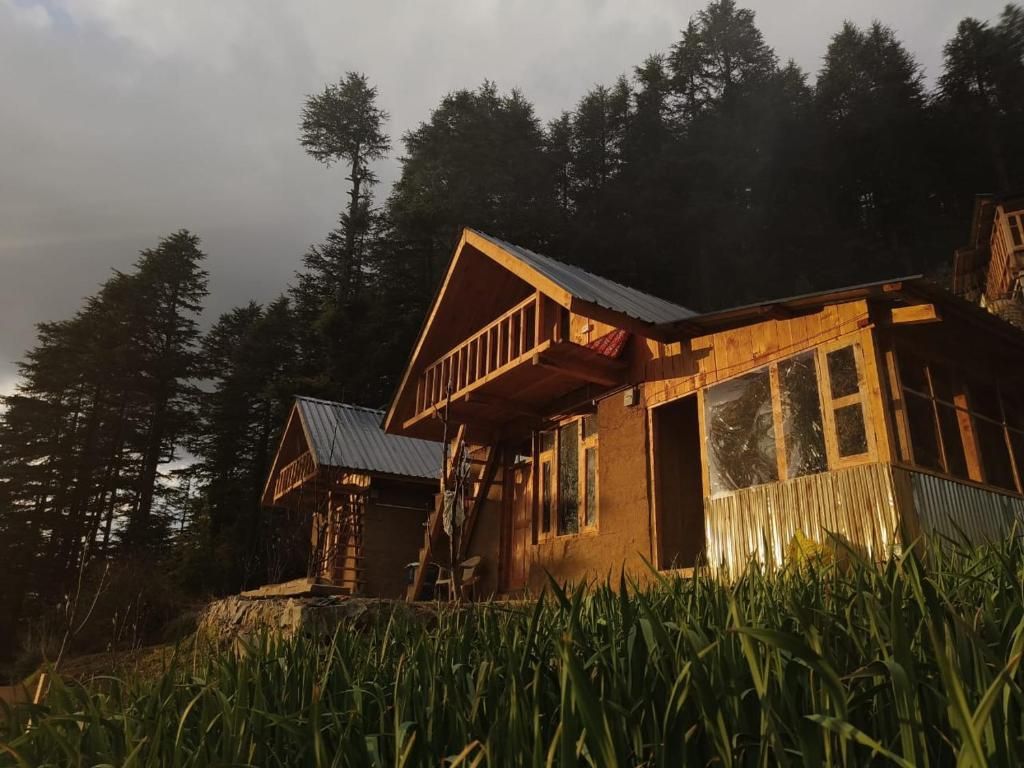
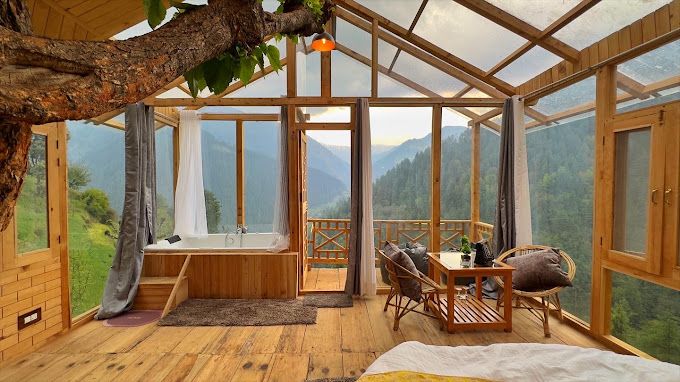
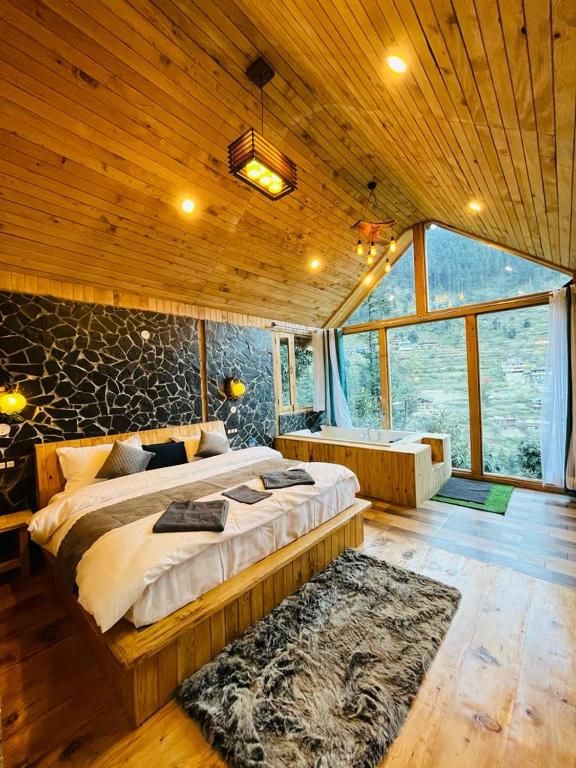
You can find comfortable homestays, traditional village residences, and rustic outdoor camps in the surrounding valleys through HireACamp. These accommodations offer a peaceful stay with home-cooked meals, warm hospitality, and easy access to both Behna Mahadev Temple and the scenic high passes nearby.
Frequently asked questions
Where is Behna Mahadev Temple located?
Behna Mahadev Temple is situated in the village of Behna near the town of Ani, located in the Outer Seraj region of Himachal Pradesh.
What is unique about the architecture of Behna Mahadev Temple?
The temple is renowned for its traditional Pahari timber and stone architecture, featuring multi-tiered sloping slate roofs and intricate wooden carvings depicting deities, geometric patterns, and ancient epics.
How can I reach Behna Mahadev Temple from Shimla?
You can drive from Shimla via Narkanda, descending to the Sutlej river valley before climbing to Ani, a journey of approximately four to five hours depending on road and traffic conditions.
What is the best time of year to visit Behna Mahadev Temple?
The best months to visit are from April to June for pleasant summer weather and from mid-September to November for clear mountain views and post-monsoon greenery.
Are there any entry fees or special timings for Behna Mahadev Temple?
There are no formal ticketing systems or fixed commercial entry fees, but visitors should check locally with villagers or temple caretakers for daily prayer timings and courtyard access.
Where you'll be
Ani · 9 stays nearby shown with prices
Stays near Behna Mahadev Temple
Book a place to stay close by
More places near Behna Mahadev Temple
Within 20 km


Built from 0 Instagram posts by 0 creators. Every tip links back to the post it came from, and where creators disagree we show both sides.






