
Shikari Devi Temple
Temple near Karsog, Himachal Pradesh
2.3 km from Karsog
The nearest town, for stays, food and fuel.
Shikari Devi Temple is an ancient mountaintop shrine dedicated to Goddess Shikari Devi, set high on a ridge above the Karsog Valley in Himachal Pradesh. The temple is famous for its open-air sanctum that stands entirely without a roof, framing sweeping views of the surrounding Himalayan ranges. Travellers and pilgrims make the journey to seek blessings, hike through dense deodar and oak forests, and experience the stillness of the high hills.
Getting there
By road
- From KarsogNearest town8 min · 3.3 km
- From Chandigarh5 hr 10 min · 222 km
- From Ludhiana6 hr 5 min · 271 km
- From Dehradun7 hr 15 min · 338 km
Typical drive times without traffic. Stations and airports from OLA Maps; distances and typical drive times from OpenStreetMap (© OpenStreetMap contributors); notes from creators' Reels.
About Shikari Devi Temple
Written with AI from map data and general knowledge. Check prices and timings locally before you go.
The Legend and Heritage of Shikari Devi
Perched on one of the highest ridges in the region, Shikari Devi Temple holds immense spiritual reverence among the communities of Mandi and the Karsog Valley. The deity is worshipped as Shikari Devi, the goddess of hunters, whose origins are tied to ancient mountain folklore and the epic Mahabharata. Local belief holds that the Pandavas meditated and built a sanctuary here during their period of exile in the Himalayas.
The most striking characteristic of the temple is its lack of a roof. According to enduring local belief, several attempts to build a ceiling or shelter over the main idols have failed, as the goddess chooses to remain open to the heavens. Even during the winter months, when heavy snow blankets the entire mountain ridge, the core shrine area is said to remain clear or quickly shed its icy cover. Stepping into the sanctum, surrounded only by stone boundary walls and brass temple bells, offers visitors a rare sense of openness against the vast sky.
The High-Altitude Forest Landscape
The journey up to Shikari Devi Temple takes visitors through the pristine wilderness of the Shikari Wildlife Sanctuary. The mountain slopes are cloaked in thick canopies of deodar, Himalayan cedar, fir, and oak, interspersed with vibrant rhododendron blossoms during the spring months. The clean mountain air and quiet trails make the approach as memorable as the destination itself.
From the temple terrace, the panorama extends in every direction. On clear days, the jagged white peaks of the Great Himalayan ranges cut across the horizon, while deep, stepped valleys ripple outward toward Karsog and beyond. The area around the temple is also home to diverse mountain fauna, including monal pheasants, musk deer, and Himalayan black bears that inhabit the protected woodlands further down the ridge.
Read more
Best Time to Visit Shikari Devi
The temple is best visited between April and October, when the roads are clear of heavy snow and the weather across the high hills is pleasant. Summer, spanning April to June, brings cool breezes and sunny daytime skies, offering a welcome break from the heat of the plains. Forest trails during this time are dry and comfortable for walking.
The monsoon months of July and August bring heavy rainfall, often causing landslides or slippery mountain tracks, so travel during mid-monsoon requires caution and local condition checks. Autumn, especially September and October, is considered by many to be the most rewarding season to visit. The skies clear completely after the rains, crisp winds settle over the ridge, and visibility of the distant snow peaks is at its peak. By December, heavy snowfall typically envelops the ridge, turning the area into a winter landscape that remains accessible primarily to prepared trekkers until the spring thaw.
How to Reach Shikari Devi Temple
The primary gateway to Shikari Devi Temple is the town of Karsog in Himachal Pradesh. Karsog is well connected by road to major transport hubs such as Shimla and Mandi. From Karsog, mountain roads wind upward through villages and cedar forests toward the base of the peak.
Depending on road conditions and local transport routes, vehicles can travel up to a designated parking area or trailhead. From the roadhead, visitors climb a series of stone steps and trails that lead straight to the crest where the temple sits. The walk requires moderate physical fitness due to the thin air and sustained incline, but resting points along the way make it accessible to most casual walkers.
Places to Explore Nearby
A visit to Shikari Devi Temple pairs well with exploring the broader Karsog Valley, an area celebrated for its apple orchards, traditional wooden houses, and terraced agricultural fields. In the valley below, historical shrines like the Mamleshwar Mahadev and Kamaksha Devi temples reflect age-old Himachali wood and stone craftsmanship.
Those interested in mountain trekking can explore trails leading toward Kamrunag Dhar and Shali Tibba, both of which offer rewarding ridgeline walks and sweeping vistas. Wildlife enthusiasts can spend time exploring the forested margins of the Shikari Wildlife Sanctuary and Majathal Wildlife Sanctuary. Further up the road network, destinations like Jalori Pass and the gateway to the Tirthan Valley offer extended mountain adventures through dense forests and traditional hamlet settlements.
Tips for Your Visit
Because of the temple's exposed mountaintop location, weather conditions can shift rapidly within an hour. Carrying windproof jackets, warm layers, and sturdy footwear with good grip is essential even during summer visits. Sun protection, such as sunglasses and sunscreen, is recommended due to the strong UV exposure at high elevations.
Respect local customs by removing footwear before entering the temple compound and dressing modestly. Since the ridge is located within an ecologically sensitive sanctuary, visitors should carry all personal rubbish back down the mountain and avoid leaving plastics behind. It is also wise to carry drinking water and light snacks, as commercial facilities at the summit are minimal.
Where to Stay
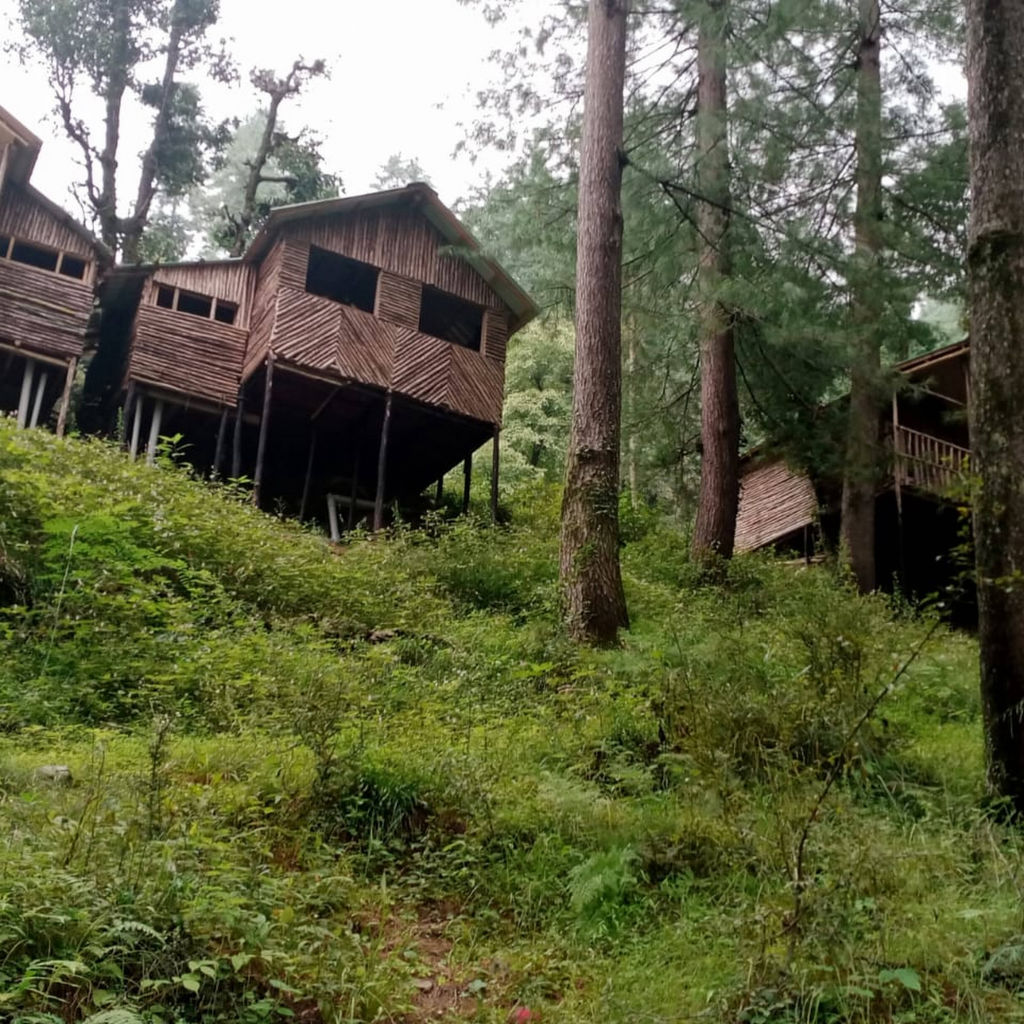
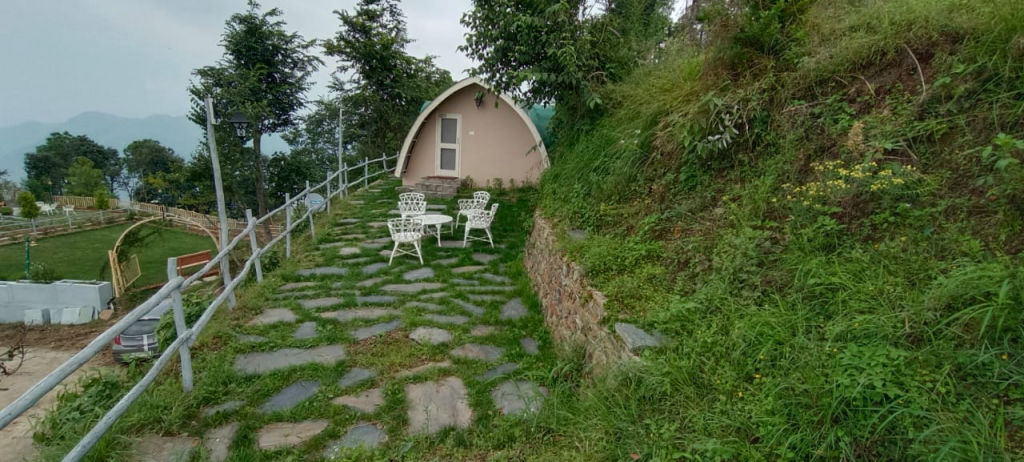
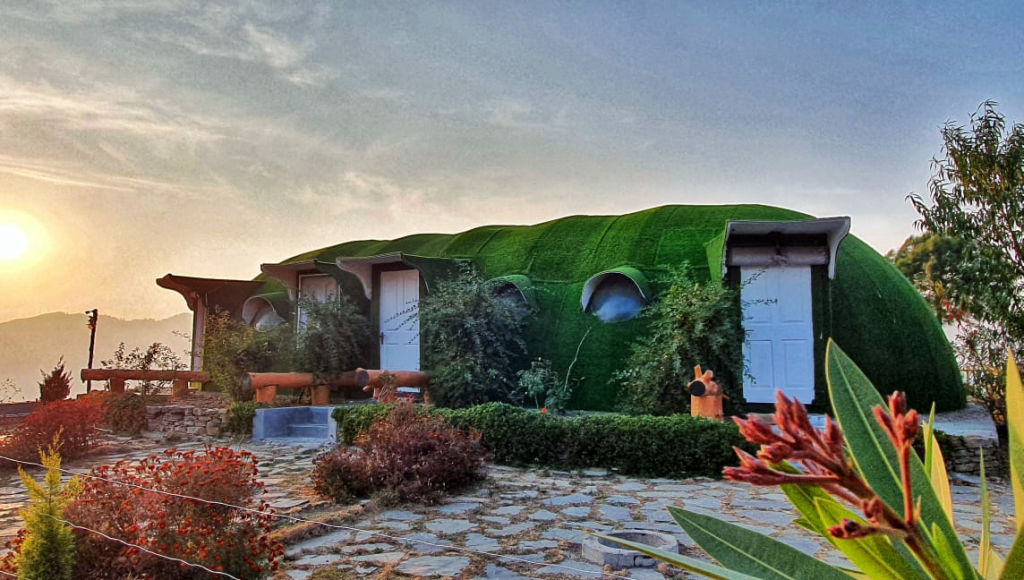
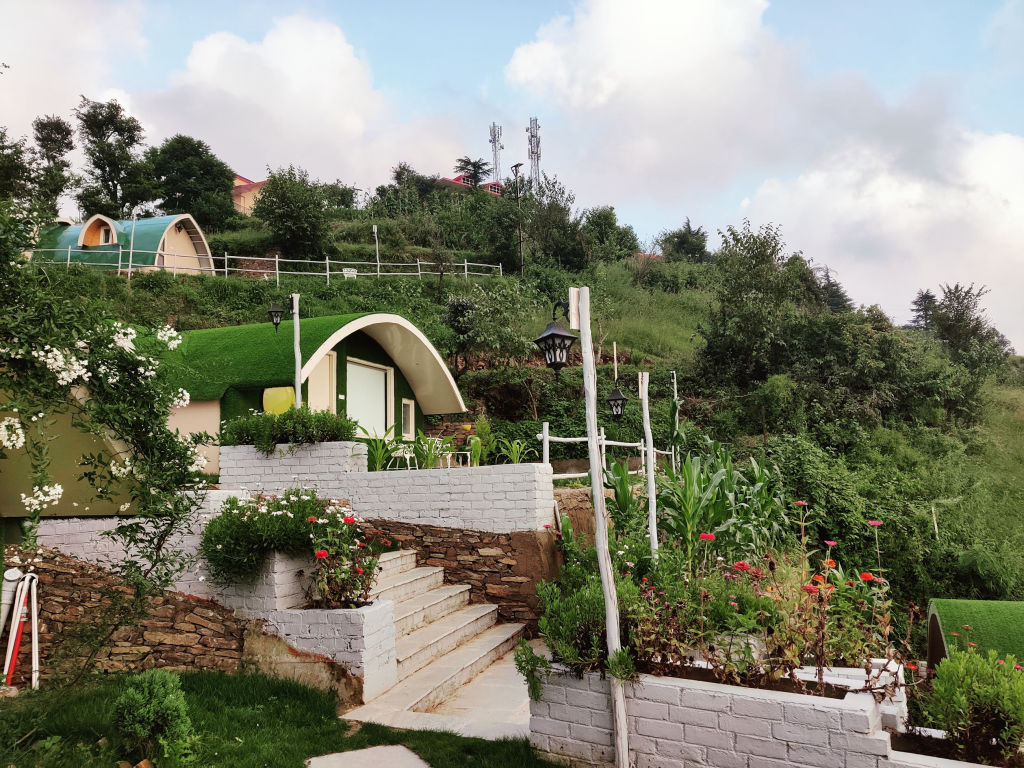
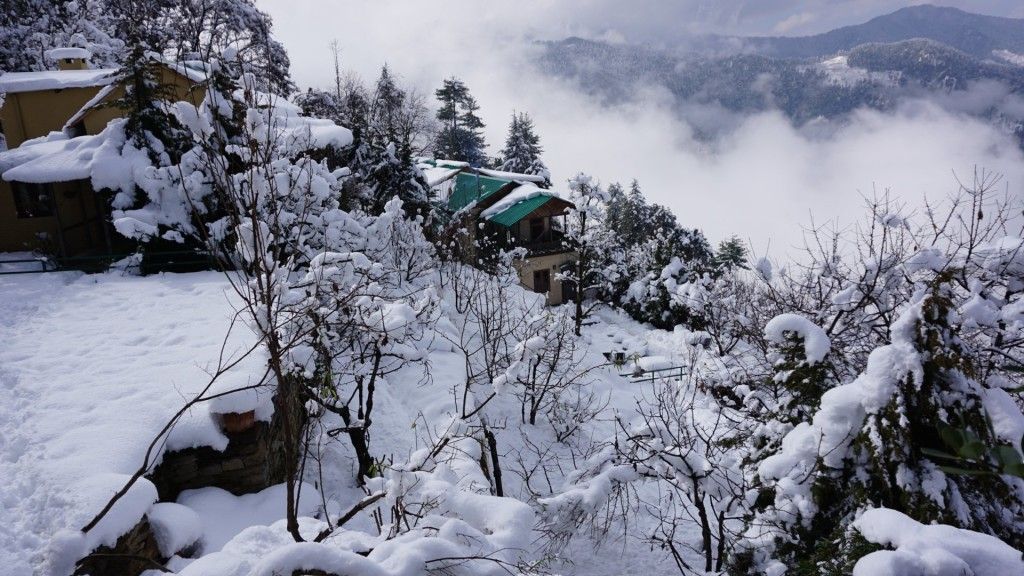
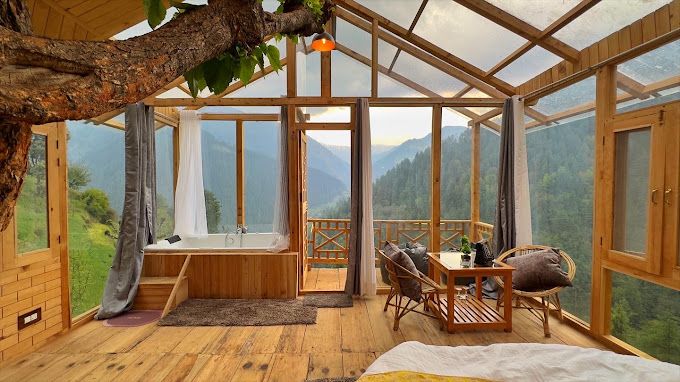
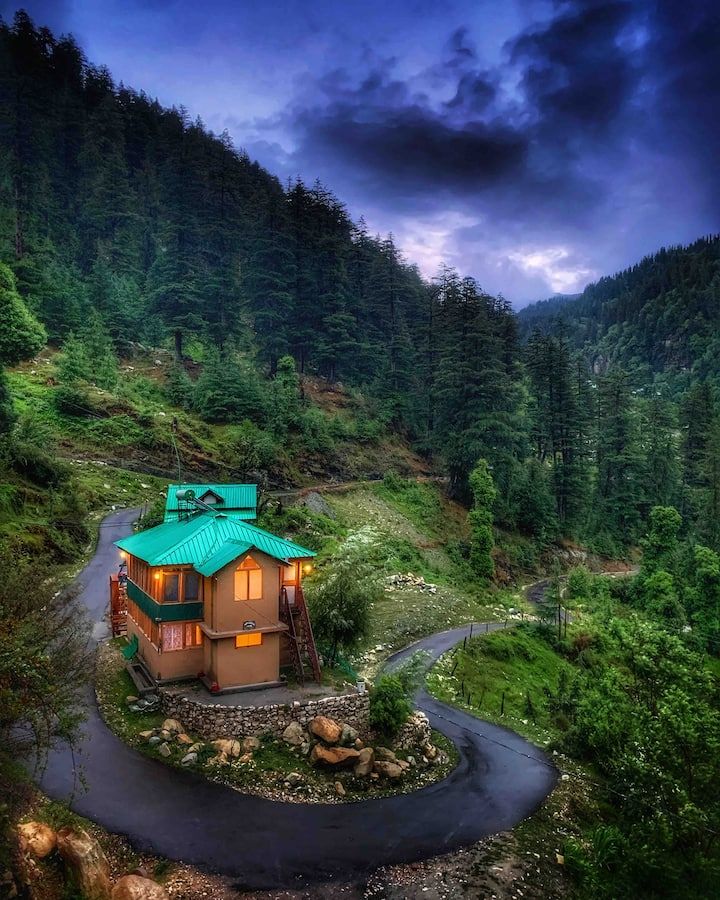
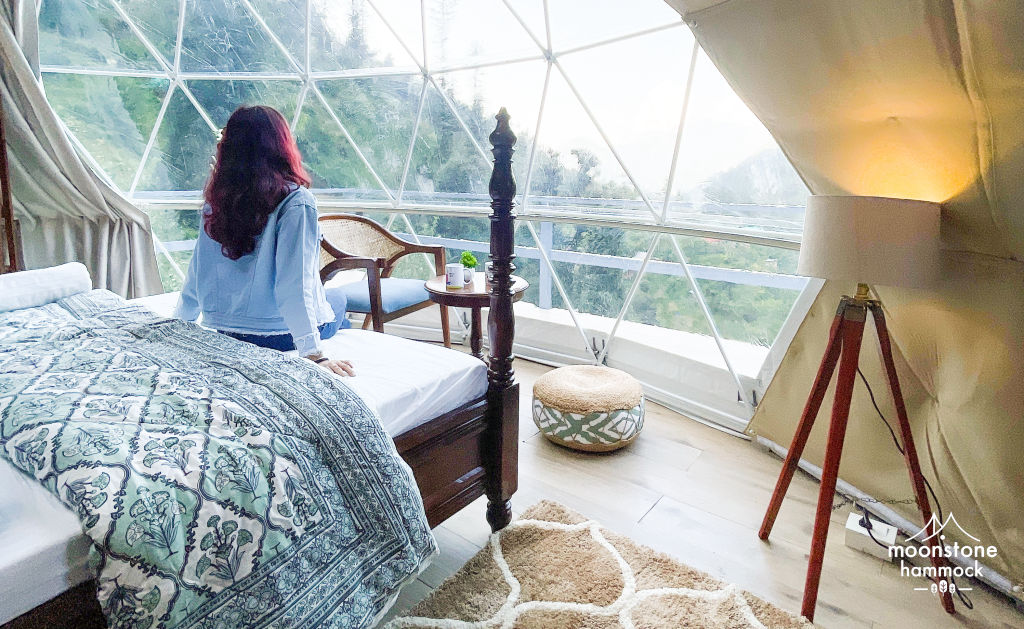
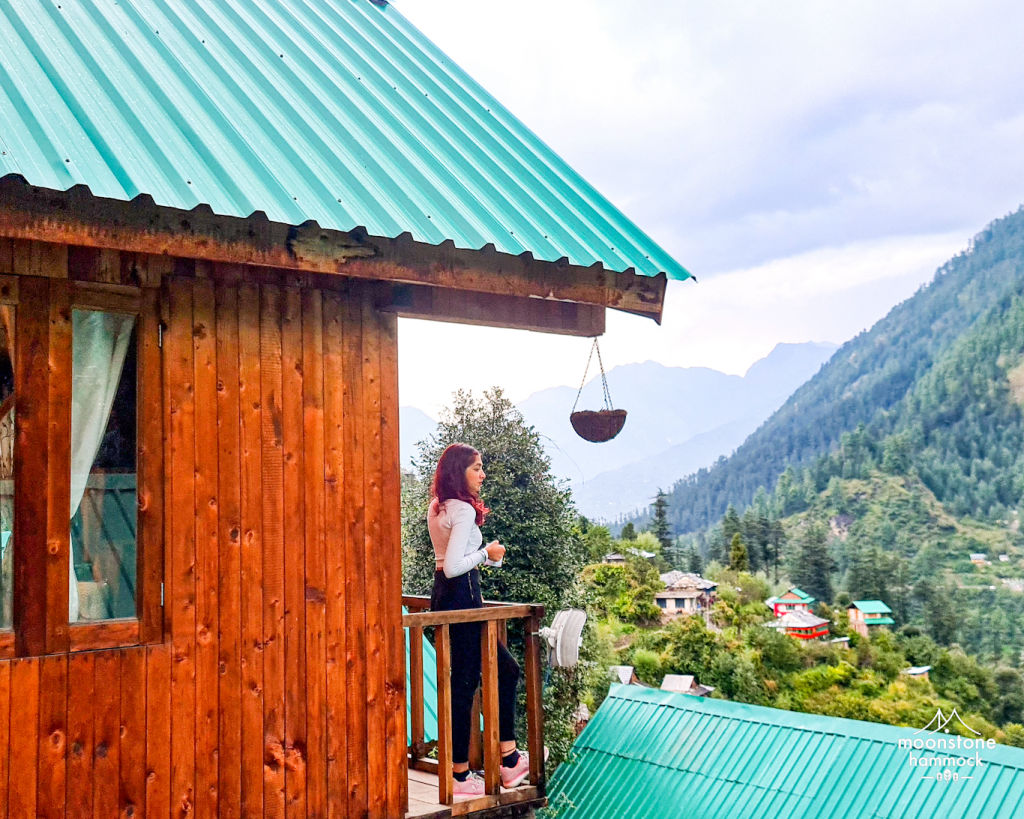
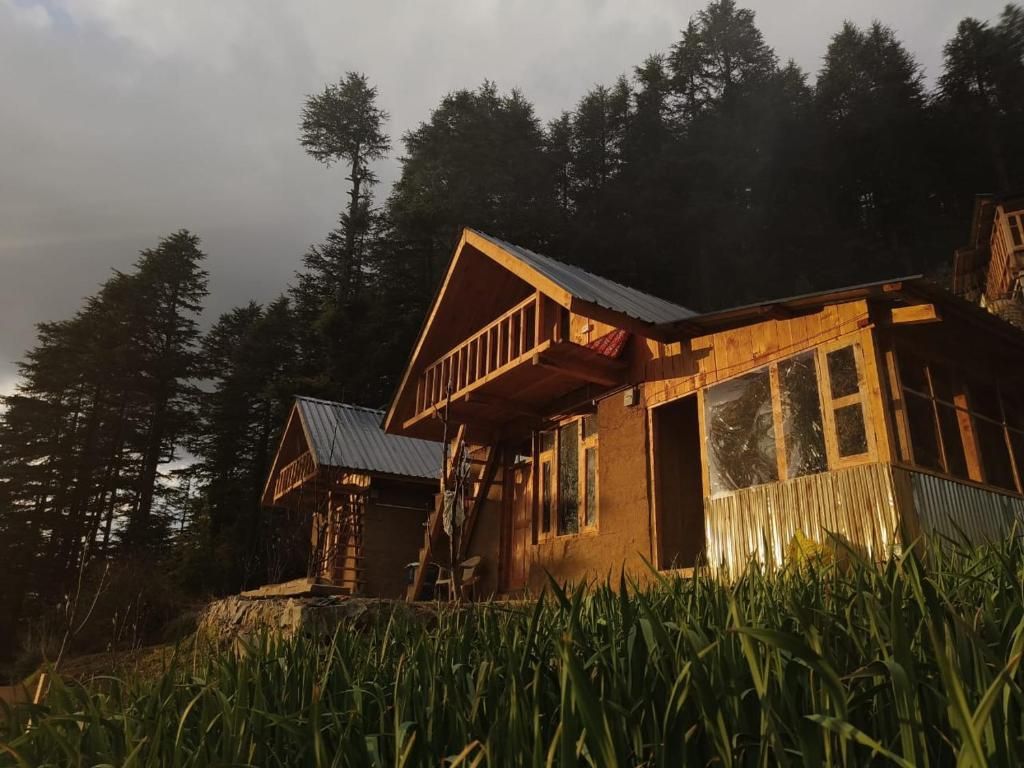
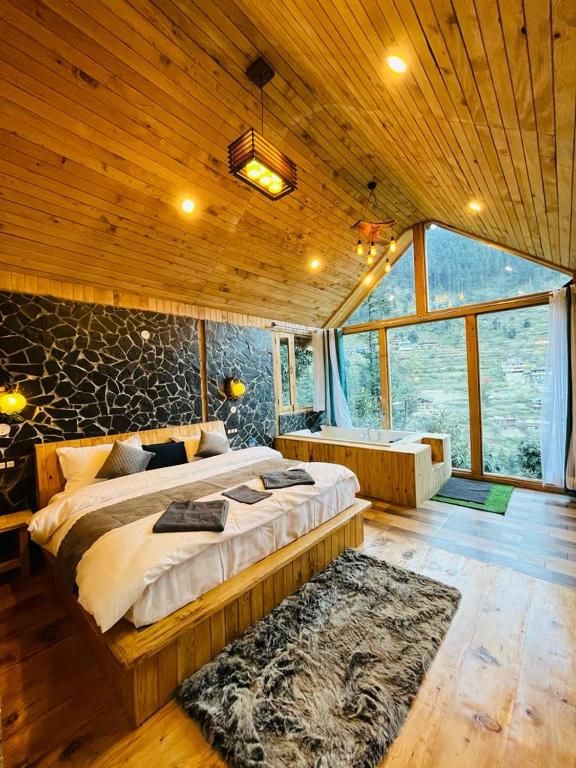
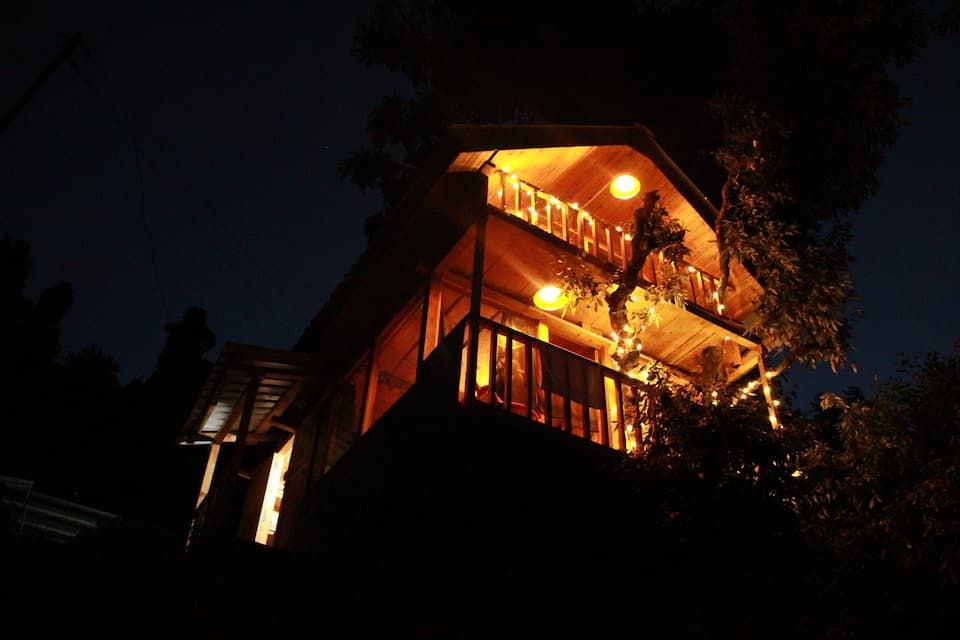
Travellers visiting Shikari Devi Temple typically choose to stay in the nearby town of Karsog or the surrounding rural hamlets. The valley features rustic village homestays and regional guesthouses that provide an authentic look into local lifestyle and traditional Himachali food. Nature enthusiasts looking for experiential stays, forest retreats, and scenic mountain campsites can explore curated accommodations in and around Karsog on HireACamp.
Frequently asked questions
Why does Shikari Devi Temple not have a roof?
According to ancient tradition and local belief, the goddess desires an open sanctum beneath the sky, and past attempts to build a roof over the idols have consistently failed.
Which is the nearest town to Shikari Devi Temple?
Karsog is the nearest major town, serving as the cultural and logistical hub for travellers making the trip up the mountain.
Can I visit Shikari Devi Temple during the winter?
The ridge receives substantial snowfall during the peak winter months from December to February, which often shuts the approach road and leaves the temple accessible only to experienced snow trekkers.
Is the climb to the temple difficult?
The final stretch involves climbing a flight of stone steps from the roadhead, which requires moderate stamina due to the steep slope and altitude, but is manageable for most healthy visitors who pace themselves.
Are there food and accommodation facilities at the temple summit?
Facilities on the summit ridge are very basic; visitors are advised to base themselves in Karsog or nearby villages for comfortable lodging and meals, carrying water and light refreshments for the day hike.
Where you'll be
Karsog · 12 stays nearby shown with prices
Stays near Shikari Devi Temple
Book a place to stay close by
More places near Shikari Devi Temple
Within 20 km


Built from 0 Instagram posts by 0 creators. Every tip links back to the post it came from, and where creators disagree we show both sides.






