
Koteshwar Mahadev Temple
Temple near Kumarsain, Himachal Pradesh
5.1 km from Kumarsain
The nearest town, for stays, food and fuel.
Koteshwar Mahadev Temple is a sacred Hindu shrine dedicated to Lord Shiva, located in the peaceful hill country near Narkanda in Himachal Pradesh. Set against the backdrop of terraced valleys, apple orchards, and pine-clad ridges, it serves as an important spiritual centre for surrounding mountain villages. Travellers and pilgrims visit to experience its serene atmosphere, traditional regional architecture, and the unhurried rhythm of the upper Shimla hills.
Getting there
By road
- From KumarsainNearest town37 min · 19 km
- From Chandigarh4 hr 15 min · 192 km
- From Ludhiana6 hr 10 min · 293 km
- From Dehradun6 hr 20 min · 308 km
Typical drive times without traffic. Stations and airports from OLA Maps; distances and typical drive times from OpenStreetMap (© OpenStreetMap contributors); notes from creators' Reels.
About Koteshwar Mahadev Temple
Written with AI from map data and general knowledge. Check prices and timings locally before you go.
About Koteshwar Mahadev Temple
Koteshwar Mahadev Temple stands as a testament to the deep-rooted faith of the communities nestled in the hills of Himachal Pradesh. Dedicated to Lord Shiva in his Koteshwar form, the temple occupies a quiet corner off Bhuth Road, away from heavy highway traffic. The surrounding landscape features steep ridges, dense stands of Himalayan cedar and pine, and small agricultural settlements where life revolves around seasonal harvests and village deities.
The temple structure reflects the vernacular architectural traditions of the Shimla and Kullu hills. Built largely using locally sourced wood and stone, it integrates elements of classic mountain woodwork, including intricately carved lintels, sloped slate roofs engineered to shed heavy winter snow, and an inner sanctum where the presiding deity is enshrined. The courtyard offers a quiet vantage point over the neighbouring hills, creating a tranquil environment that encourages quiet reflection.
Spiritual significance and local rituals
In the traditional belief system of the Western Himalayas, village shrines are not merely places of personal prayer but the spiritual epicentres of community life. Lord Shiva is deeply revered across Himachal Pradesh as the protector of mountain communities, and shrines like Koteshwar Mahadev Temple play a critical role in local customs, festivals, and social gatherings.
During key celebrations such as Maha Shivratri, the temple experiences an influx of devotees from nearby hamlets and towns like Narkanda. Ritual offerings typically include fresh flowers, milk, and local produce, accompanied by traditional Pahadi musical instruments like the dhol and nagada. On ordinary days, the shrine remains quiet, offering an authentic glimpse into the daily devotional practices of rural Himachal Pradesh without the commercial atmosphere of more famous pilgrimage destinations.
Read more
Best time to visit Koteshwar Mahadev Temple
The temple can be visited throughout much of the year, though each season brings a distinct character to the mountain landscape. The months from April to June are widely considered the most comfortable for travel. During this spring and summer window, temperatures remain pleasant, skies are generally clear, and the valleys around Narkanda come alive with apple blossoms and green orchard terraces.
The monsoon season, extending through July and August, covers the surrounding hillsides in vivid emerald shades and swirling mists. However, visiting during these months requires extra care, as heavy rains in Himachal Pradesh can trigger minor landslips and make narrow rural roads slick. Autumn, spanning September and October, brings crisp air, golden sunlight, and excellent visibility of distant peaks. Winter, from December to February, transforms the higher altitudes around Narkanda into a cold, snow-covered landscape. While the temple remains accessible when roads are clear, travellers arriving in midwinter should be prepared for freezing temperatures and potential snowfall.
How to reach Koteshwar Mahadev Temple
Koteshwar Mahadev Temple is accessible via the network of mountain roads branching from the Hindustan-Tibet Road (National Highway 5) near Narkanda. Shimla, situated roughly 30 to 35 kilometres to the southwest, serves as the main regional transit hub. From Shimla, travellers can drive along the national highway toward Narkanda before taking the local link roads that lead toward the temple area along Bhuth Road.
For those travelling by public transport, regular state transport buses and shared taxis connect Shimla with Narkanda. From Narkanda, hiring a local taxi or taking rural feeder transport is the most practical way to reach the temple. The final stretches involve winding single-lane village roads typical of rural Himachal Pradesh, requiring careful driving and awareness of oncoming traffic.
Places to visit around Koteshwar Mahadev Temple
A visit to Koteshwar Mahadev Temple pairs naturally with other scenic and cultural spots in the upper Shimla hills. Narkanda, the nearest town, sits along a high ridge and serves as an ideal base for exploring the region. Just above the town rises Hatu Peak, one of the highest summits in the immediate area, crowned by the Hatu Mata Temple and offering expansive panoramic views of the Greater Himalayan ranges.
Nearby lies Tani Jubbar Lake, a placid water body encircled by tall deodar trees with a traditional Nag Devta shrine on its bank. Those interested in temple heritage can also visit the Mananeshwar Mahadev Temple and Maa Maheshwari Temple in the neighbouring valleys. For travellers heading farther afield, routes connect northward toward Jalori Pass and the scenic trails leading into the outer fringes of Tirthan Valley, making the area a rewarding stop on a wider Himalayan journey.
Tips for your visit
When planning your visit to Koteshwar Mahadev Temple, respectful conduct and appropriate attire are expected, as this is an active place of local worship. Dress modestly, covering shoulders and knees, and remove footwear before stepping into the inner temple courtyard or sanctum. Always seek permission before photographing the deities, priests, or local devotees during rituals.
Mountain weather in this part of Himachal Pradesh can shift rapidly, particularly in the afternoons. Carry a warm layer even in the warmer summer months, and pack sturdy walking shoes suitable for stone courtyards and uneven paths. Since facilities near the shrine are limited compared to major towns, carry your own drinking water and minor essentials, and make sure not to leave any plastic or litter behind.
Where to stay near Koteshwar Mahadev Temple
While there are limited lodging facilities immediately beside the shrine, the surrounding Narkanda belt offers diverse options for mountain accommodation. Staying in or near Narkanda allows easy access to Koteshwar Mahadev Temple as well as nearby viewpoints and forested trails.
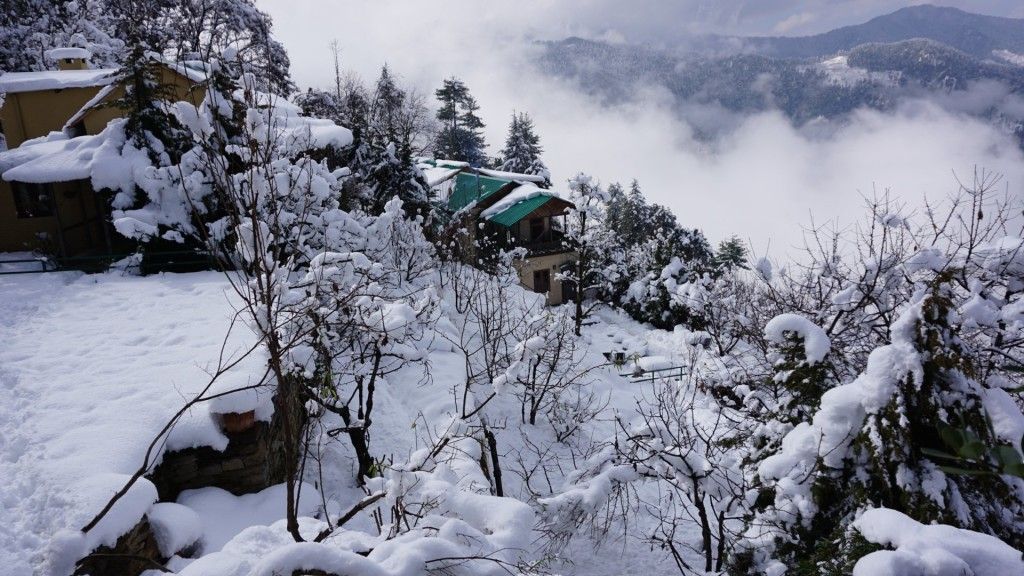
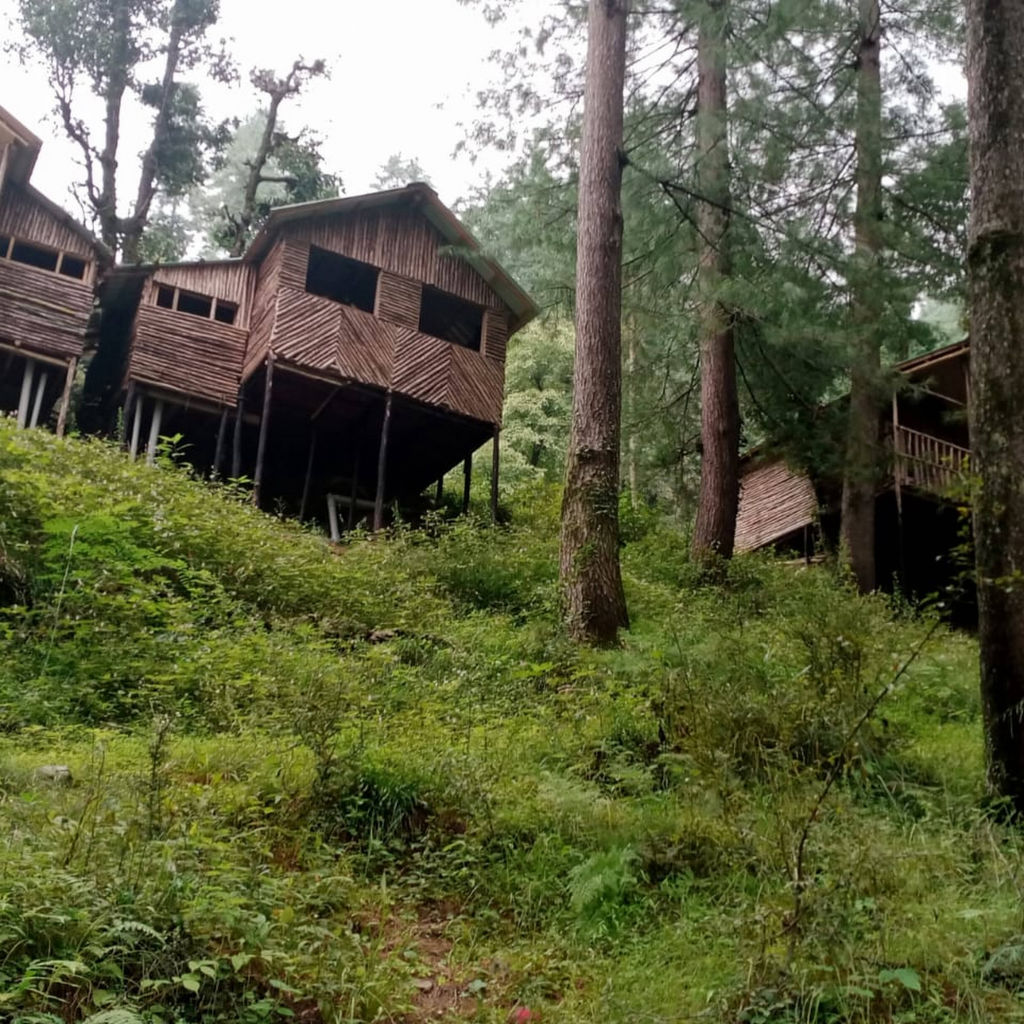
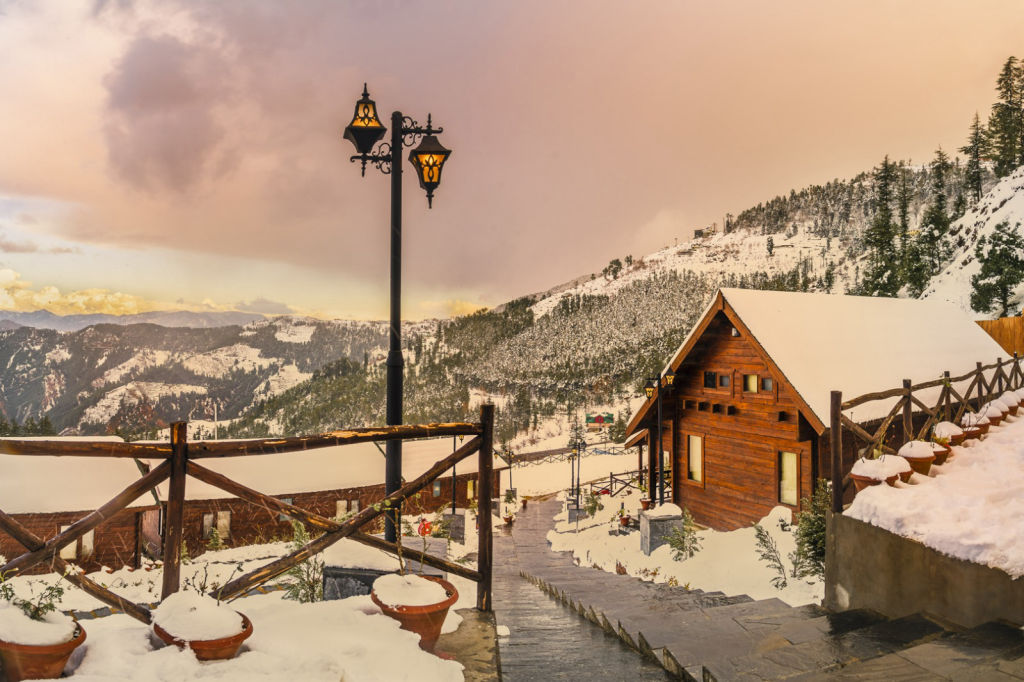
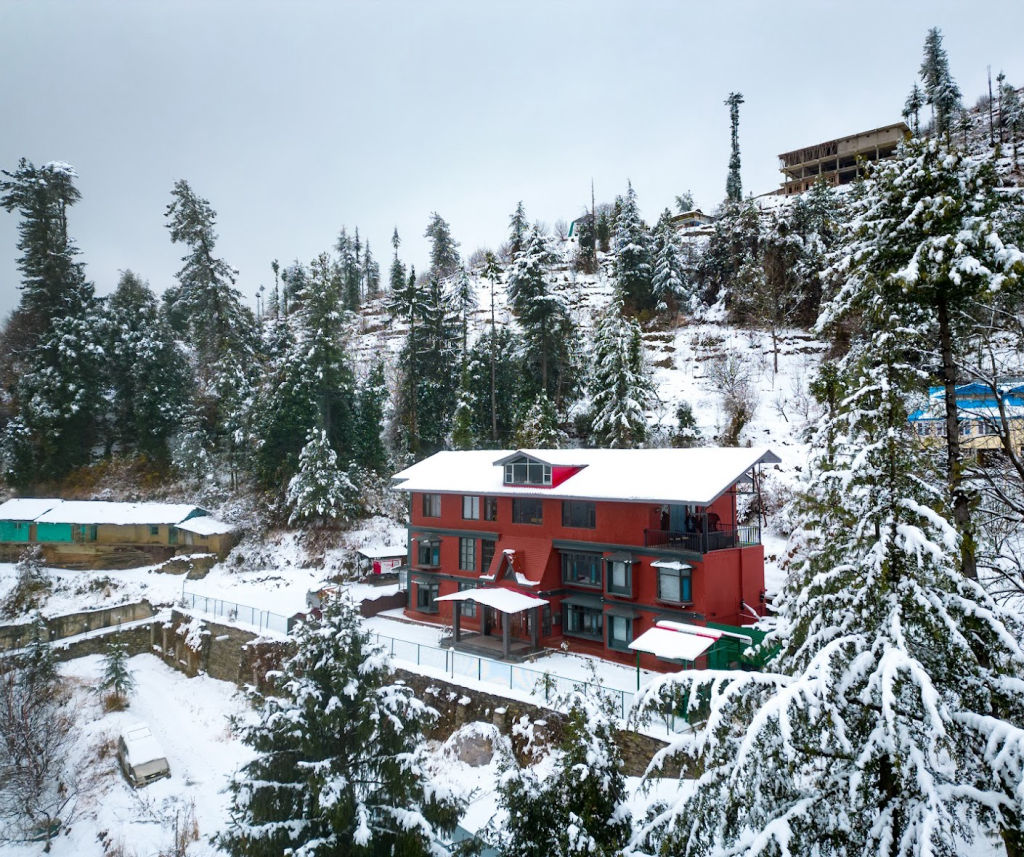
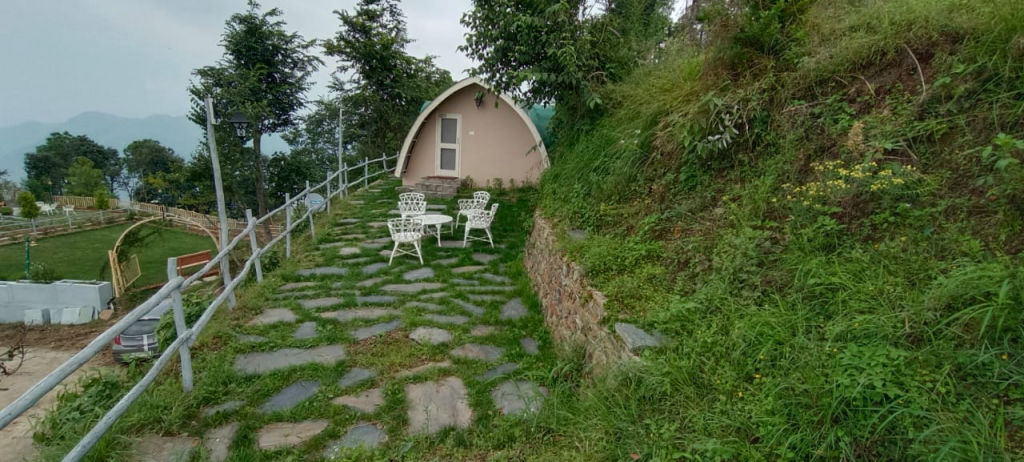
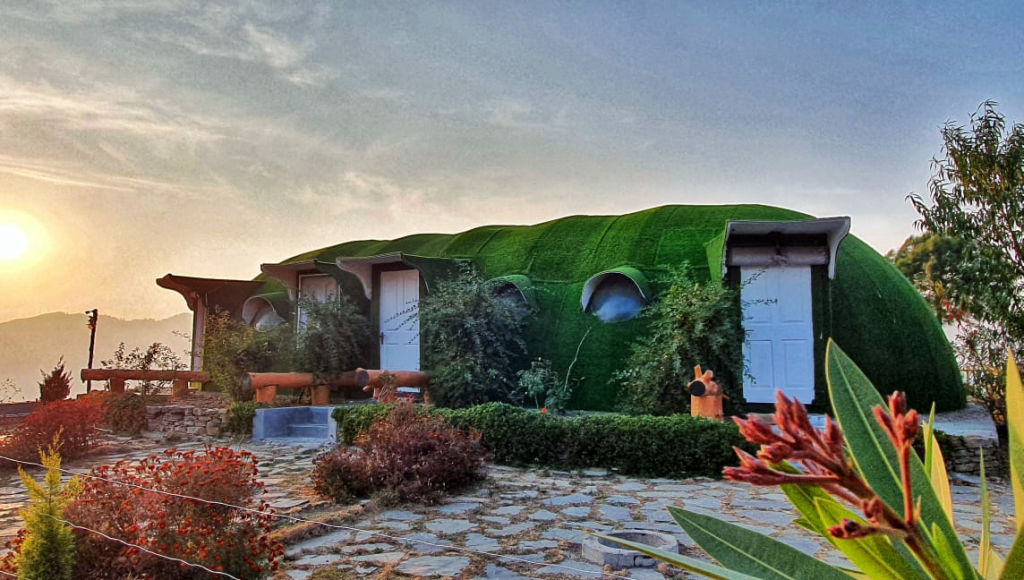
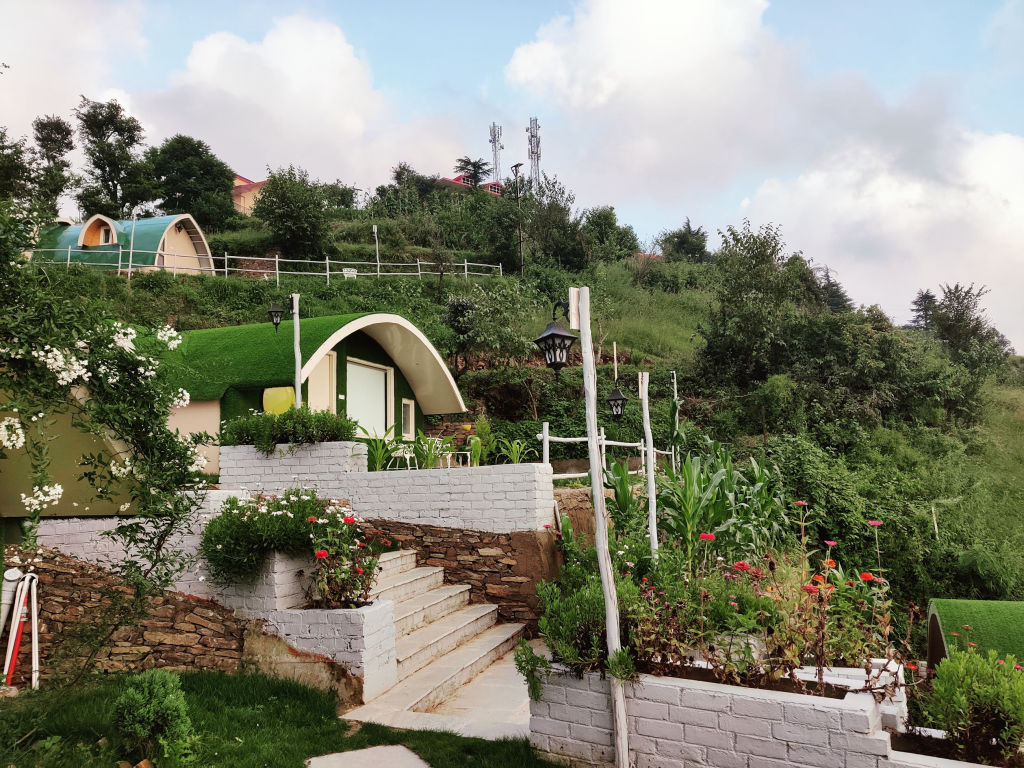
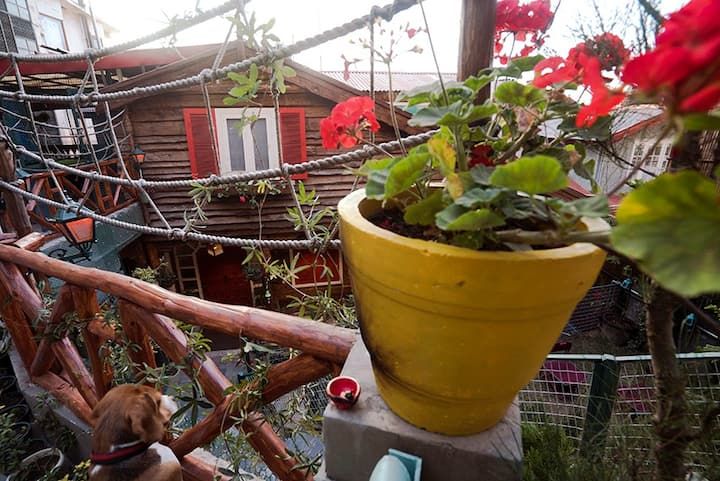
Travellers can find experiential campsites, rustic orchard homestays, and tranquil mountain retreats listed on HireACamp. Staying with local families in village homestays provides a great way to experience warm Himachali hospitality and taste regional cooking, while camping in the pine-covered ridges around Narkanda offers quiet nights under clear mountain skies.
Frequently asked questions
Which deity is worshipped at Koteshwar Mahadev Temple?
The temple is dedicated to Lord Shiva, worshipped here in the form of Koteshwar Mahadev by local hill communities.
How far is Koteshwar Mahadev Temple from Narkanda?
The temple is located in the rural hills close to Narkanda, easily reached within a short drive via local connecting mountain roads.
Can I visit Koteshwar Mahadev Temple in the winter?
Yes, the temple can be visited during winter, but roads may occasionally be affected by snow or ice, so checking local road conditions beforehand is recommended.
Are there any entry fees or camera charges at the temple?
There are generally no official entry fees for visiting village shrines in the region, but travellers should check local guidelines and ask before taking photographs inside the sanctum.
What should I wear when visiting the temple?
Wear modest clothing that covers your shoulders and knees out of respect for local customs, and bring along a warm jacket or shawl as mountain temperatures can drop quickly.
Where you'll be
Bhuth Rd, Himachal Pradesh, HP · 10 stays nearby shown with prices
Stays near Koteshwar Mahadev Temple
Book a place to stay close by
More places near Koteshwar Mahadev Temple
Within 20 km


Built from 0 Instagram posts by 0 creators. Every tip links back to the post it came from, and where creators disagree we show both sides.






